Tips, guides and buying advice to help you get the most out of your fitness equipment.
Explore our latest posts on gym equipment, buying guides and more.
Dropshipping looks like an easy way into supplements. Here's what to know before you start.
One wrong word can turn a supplement into an unapproved drug in the eyes of regulators. Here's what's allowed.
Affiliate marketing is popular with fitness creators. Here's how to choose good programs.
Selling supplements online is competitive and regulated. Here's how to do it well.
Private label is the fastest way to launch a supplement brand. Here's how it works.
Launching a supplement brand takes more than a logo. Here's a step-by-step roadmap.
Supplements are regulated, just very differently from drugs. Here's how the system works.
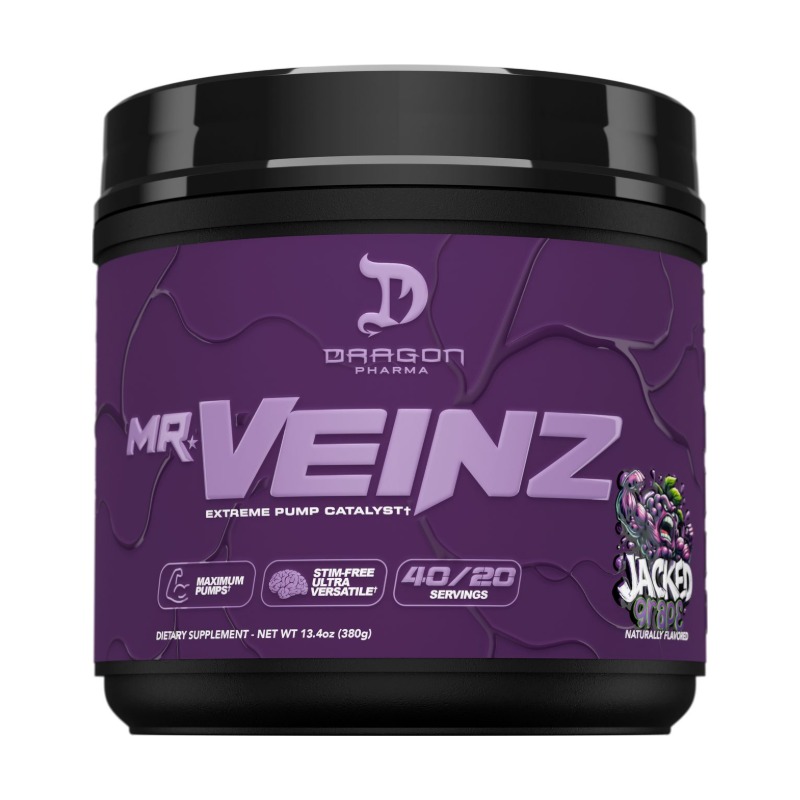
Bringing your supplements on a trip? Here's how to get through security and customs smoothly.
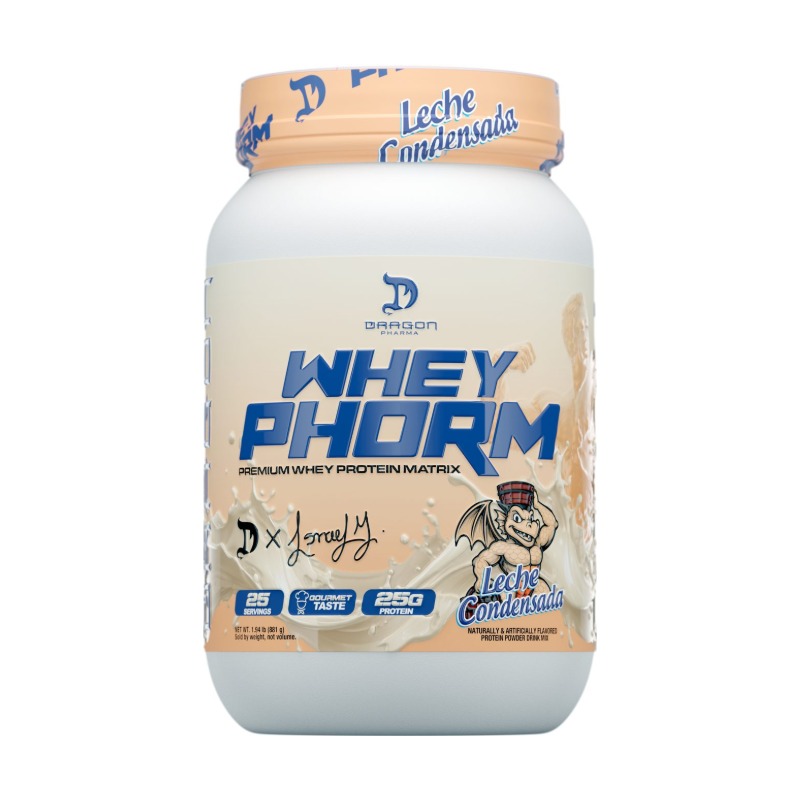
Lumpy shakes are avoidable. Here's how to mix protein powder smoothly every time.
Form affects dose, cost and stability more than absorption. Here's how the options compare.
Some supplements absorb better on an empty stomach; others need food. Here's the guide.
Herbal and dietary supplements are a recognized cause of liver injury. Here's what to watch for.
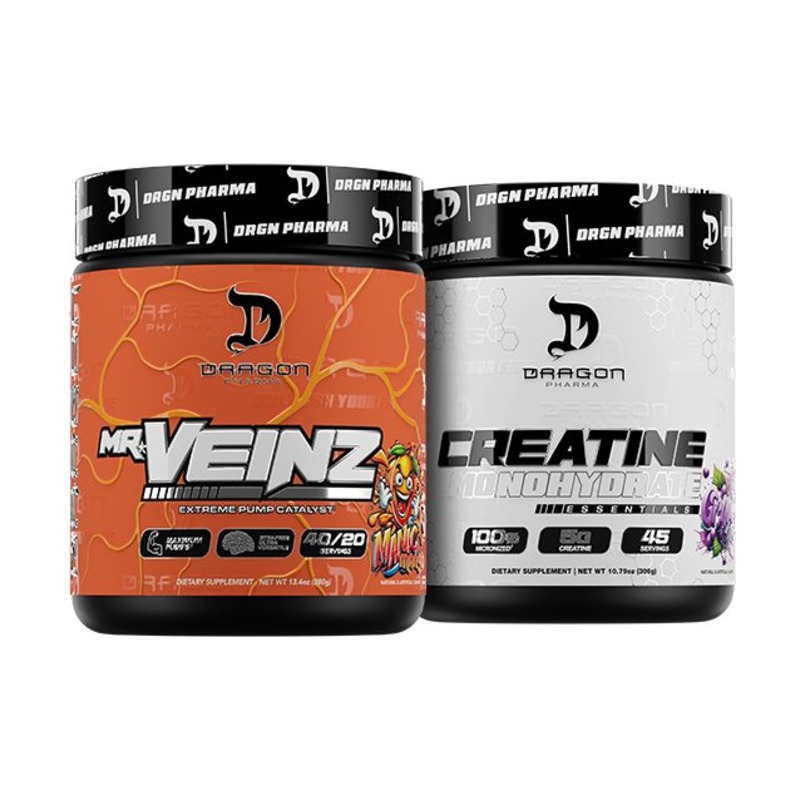
Stimulant pre-workouts raise heart rate and blood pressure. Here's when that's a concern.
Drug-tested athletes are responsible for everything they take. Here's what to know about banned substances.
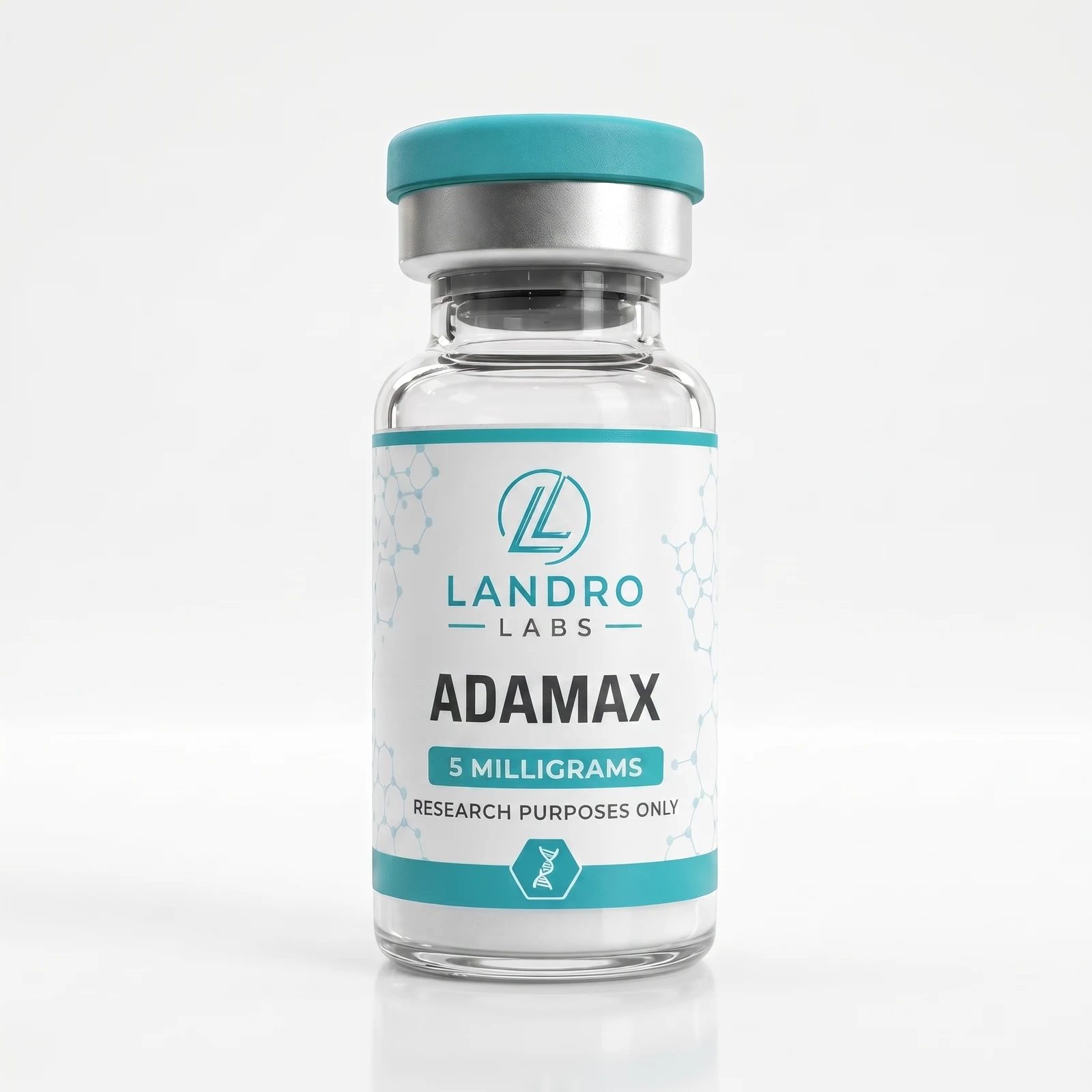
Supplements can change how medications work. Here are the interactions to know.
Stacking supplements is common, but some combinations compete or overlap. Here's how to stack safely.
No supplement fixes overtraining, but some support recovery. Here's how to bounce back.
Most nootropic stacks overpromise. Here's what has real evidence for focus.
CBD is popular among athletes, but evidence is thin. Here's what we know.
Cramps aren't always about electrolytes. Here's what causes them and what helps.
Curcumin is studied for soreness and joint pain. Here's what athletes should know.
Sleep is when your body rebuilds. Here's how much you need and how to get more of it.
'Cortisol belly' is everywhere online. Here's what's real and what actually lowers stress.
Melatonin can help athletes reset their body clock. Here's how to use it wisely.
After 40, a smarter pre-workout means moderate caffeine and proven ingredients. Here's what to look for.
One study started the creatine hair loss worry. Here's what the evidence actually says.
Supplements for sperm health are popular, but evidence is mixed. Here's what matters most.
Saw palmetto is a popular herbal remedy for prostate and hair. Here's what large trials found.
After 50, priorities shift to muscle, heart and prostate health. Here's what's worth considering.
Zinc is essential for testosterone, but more isn't better. Here's what research shows.
New parents often struggle to eat enough. Here's how to choose a safe protein powder postpartum.
Staying active in pregnancy is encouraged for most people. Here's what experts say about exercise and supplements.
Magnesium is one of the most studied supplements for PMS. Here's what to know.
Strong bones need calcium, vitamin D and loading exercise. Here's how active women can get enough.
Most 'beauty vitamins' rely on biotin. Here's what actually helps hair, skin and nails.
Collagen production declines with age and menopause. Here's what supplements can and can't do.
After 50, needs shift toward bone, muscle and heart health. Here's what to consider.
Low iron is common in active women and can sap performance. Here's how to spot it and what to do.
Subscriptions can save money and time, or lock you into things you don't need. Here's how to choose.
Amazon has great supplements and plenty of fakes. Here's how to find tested products safely.
Store brands can be great value, if you know what to check. Here's how to compare.
Both brands emphasize clean, evidence-based formulas. Here's how they compare.
Myprotein is known for low prices and huge flavor ranges. Here's how the quality stacks up.
Two premium brands popular with athletes. Here's how Thorne and Momentous compare.
Two of the most popular pre-workouts. Here's how Ghost and C4 compare.
Transparent Labs is known for clean labels and premium pricing. Here's whether it's worth it.
Two of the best-known whey proteins. Here's how Gold Standard and ISO100 compare.
You don't need a big budget to build muscle. Here are the cheapest high-protein foods.
Cheat meals are unstructured; refeeds are planned. Here's how they differ and when each makes sense.
Bodybuilding nutrition isn't complicated. Here's a beginner-friendly diet and sample meal plan.
Coming off a diet? Reverse dieting helps you increase calories without rapid fat regain. Here's how.
Hydration affects strength, endurance and focus. Here's how much water to drink around training.
Muscle is built from protein, energy and recovery. Here are the foods that deliver.
Two hours of prep can set up a week of high-protein meals. Here's the plan.
Carb cycling matches your carbs to your training. Here's how to start.
Intermittent fasting can work for lifters, with a few adjustments. Here's what research shows.
Every weight loss plan works through a calorie deficit. Here's how to set one that's sustainable.
A good cut keeps your muscle while the fat comes off. Here are the macro targets that make it work.
Calculating macros is simpler than it looks. Here's the step-by-step method with an example.
Your post-workout meal supports recovery and growth. Here's what to eat and how soon.
The right pre-workout meal gives you energy without weighing you down. Here's what and when to eat.
Plant-based athletes may get even more from creatine. Here's why and how to take it.
Creatine builds results over weeks; pre-workout works in minutes. Here's how they differ.
Can you take creatine at night? Here's what we know about timing and sleep.
Mixing creatine into your morning coffee is convenient. Here's whether it still works.
Creatine isn't just for lifters. Here's how runners and endurance athletes can use it.
Creatine works by building up over time. Here's a realistic timeline.
The kidney myth is one of the most persistent creatine concerns. Here's what research actually shows.
Creatine and alcohol don't interact dangerously, but alcohol can undo your progress. Here's what to know.
Protein powder is convenient, but real food has advantages. Here's how to balance both.
Older muscles need more protein to stay strong. Here's how much and how to get it.
Most protein powders are already low in carbs, but some fit keto better than others. Here's what to look for.
Yes, you can. But whether you should depends on your goals and diet. Here's the answer.
One shake, two shakes, five? Here's how many protein shakes make sense.
Collagen is popular, but is it good for muscle? Here's how it compares with whey.
Beef protein appeals to dairy-free and carnivore dieters. Here's how it stacks up against whey.
Egg white protein is a complete, dairy-free option. Here's how it compares with whey.
Protein ice cream is a game changer for high-protein diets. Here's how to make it with or without a Ninja Creami.
Fluffy pancakes with 30 g of protein. Here's the recipe and the tricks to get them right.
Overnight oats with protein powder are the easiest high-protein breakfast. Here's the base recipe and variations.
Smart snacks can add 20 g or more of protein to your day. Here's a list for every goal.
Breakfast is often the lowest-protein meal of the day. These ideas each deliver 30 g or more.
Proffee combines your morning coffee with a protein boost. Here's how to make it right.
ACV gummies promise easy weight loss. Here's what the evidence actually shows.
Sea moss is everywhere on social media. Here's what's true and what's marketing.
Glycine is a simple amino acid that may help you sleep better. Here's the evidence.
Colostrum is trending for gut and immune health. Here's what the research shows.
Rhodiola is an adaptogen studied for mental fatigue. Here's how it works and how to use it.
Cordyceps is the most popular 'performance mushroom.' Here's what research says.
Tart cherry juice is a popular natural recovery aid. Here's what the research shows.
Pairing L-theanine with caffeine can smooth out the jitters. Here's how to use the stack.
Alpha-GPC is a choline source used in pre-workouts and nootropics. Here's what it can do.
Betaine is a lesser-known pre-workout ingredient with some interesting research. Here's the summary.
Taurine is in nearly every energy drink. Here's what it actually does.
HMB may help protect muscle in specific situations. Here's who benefits and who doesn't.
Beetroot is one of the few natural performance aids with solid research. Here's how to use it.
Shilajit is a tar-like resin with a long traditional history. Here's what modern research shows.
Turkesterone was marketed as a natural anabolic. Here's what the science actually supports.
Tongkat ali is one of the most popular 'natural testosterone' herbs. Here's what the research supports.
Supplements can make great gifts, if you choose wisely. Here's what to give.
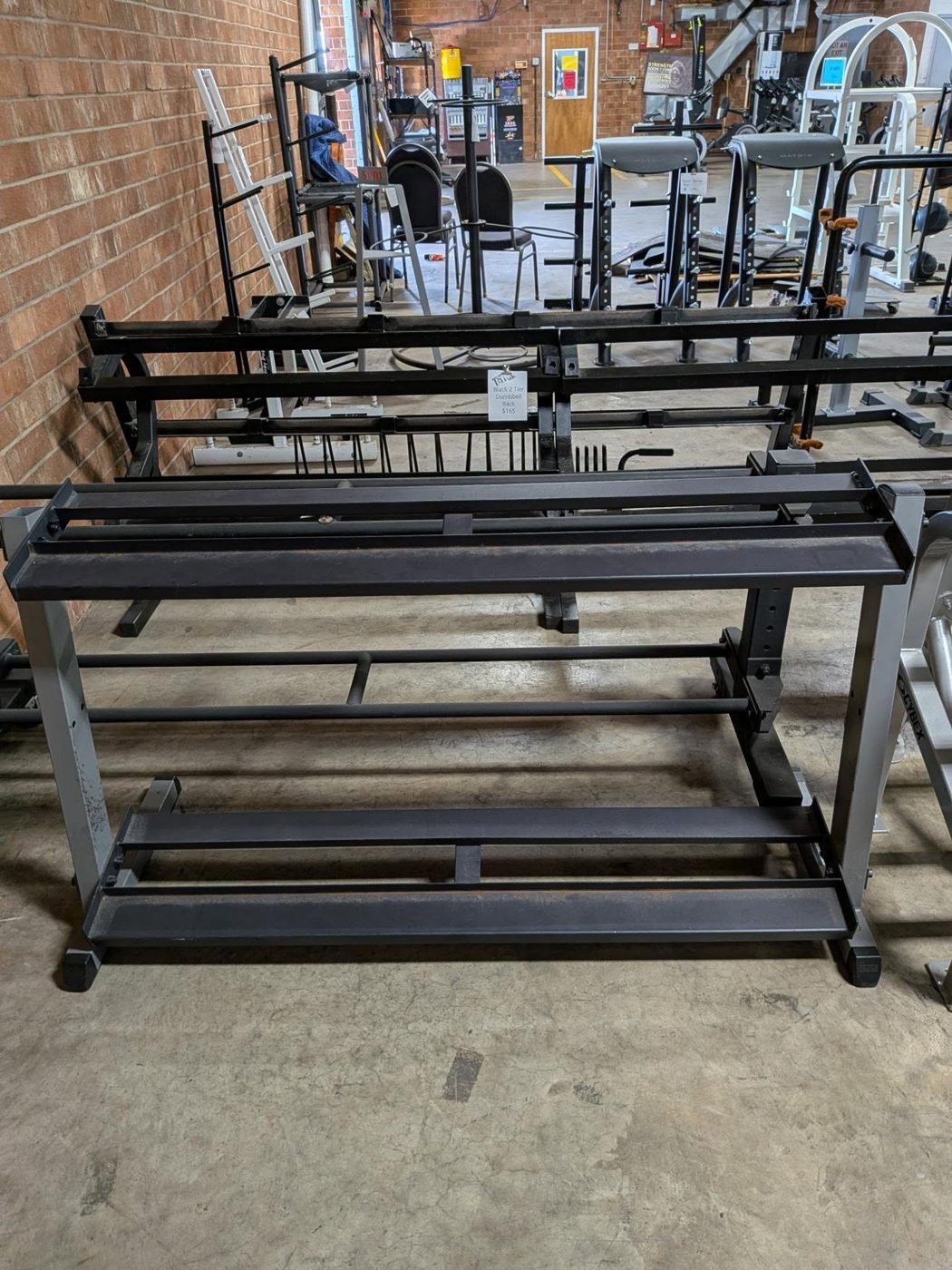
Prime Day can be great for fitness gear, if you know what to look for. Here's the guide.
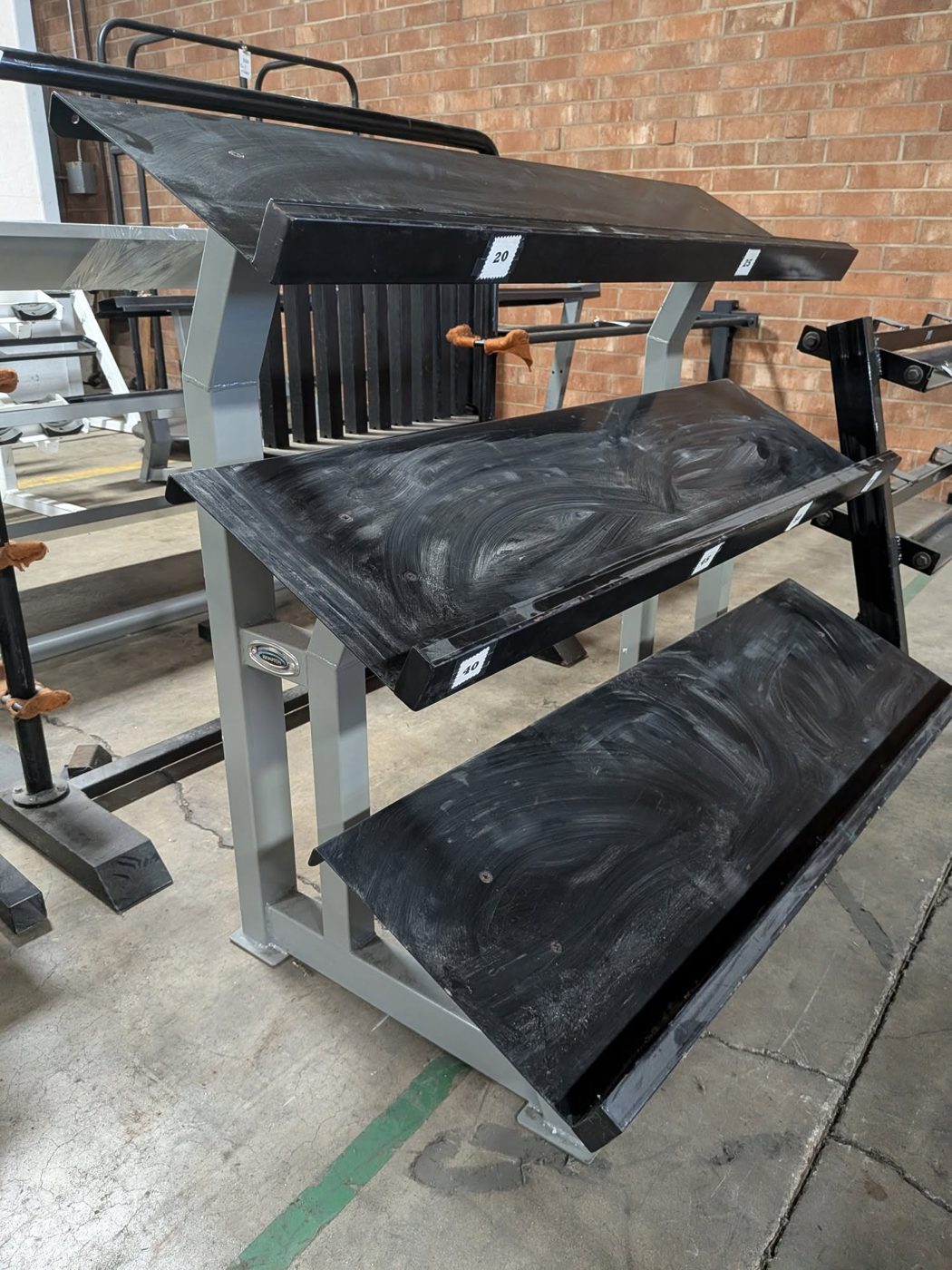
Make this the year your resolution sticks. Here's the equipment and plan to start strong.
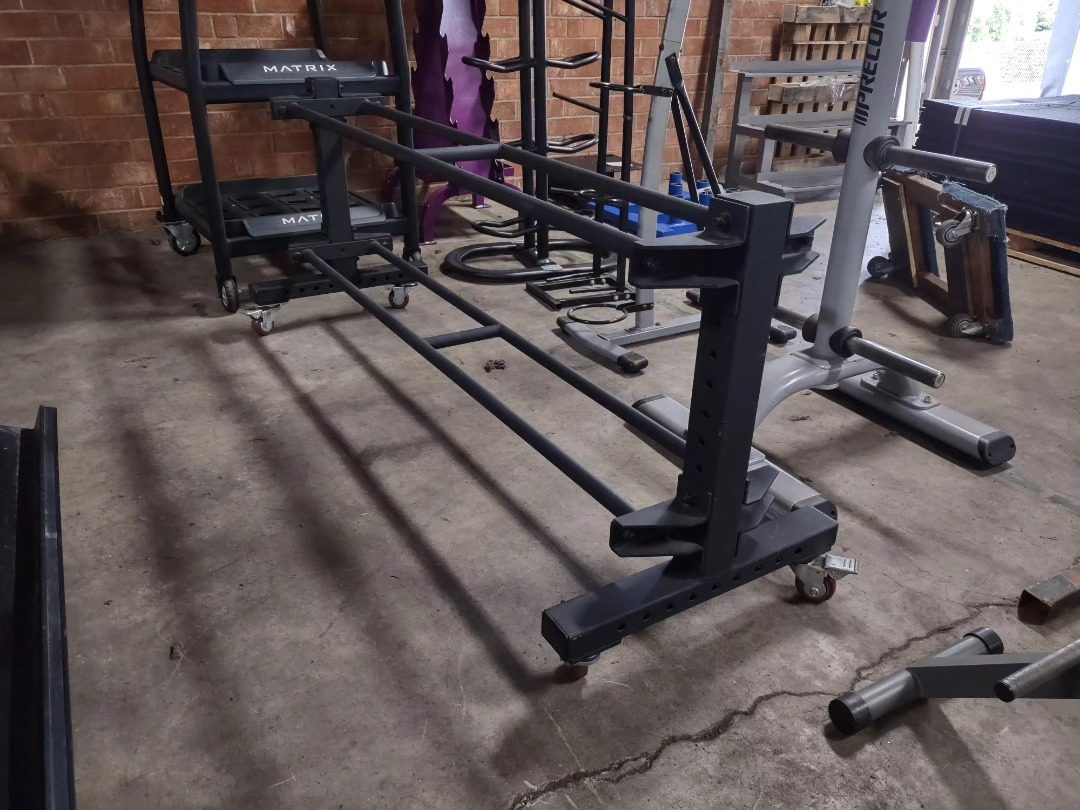
Great gym gifts don't have to be expensive. Here are useful picks under $50.
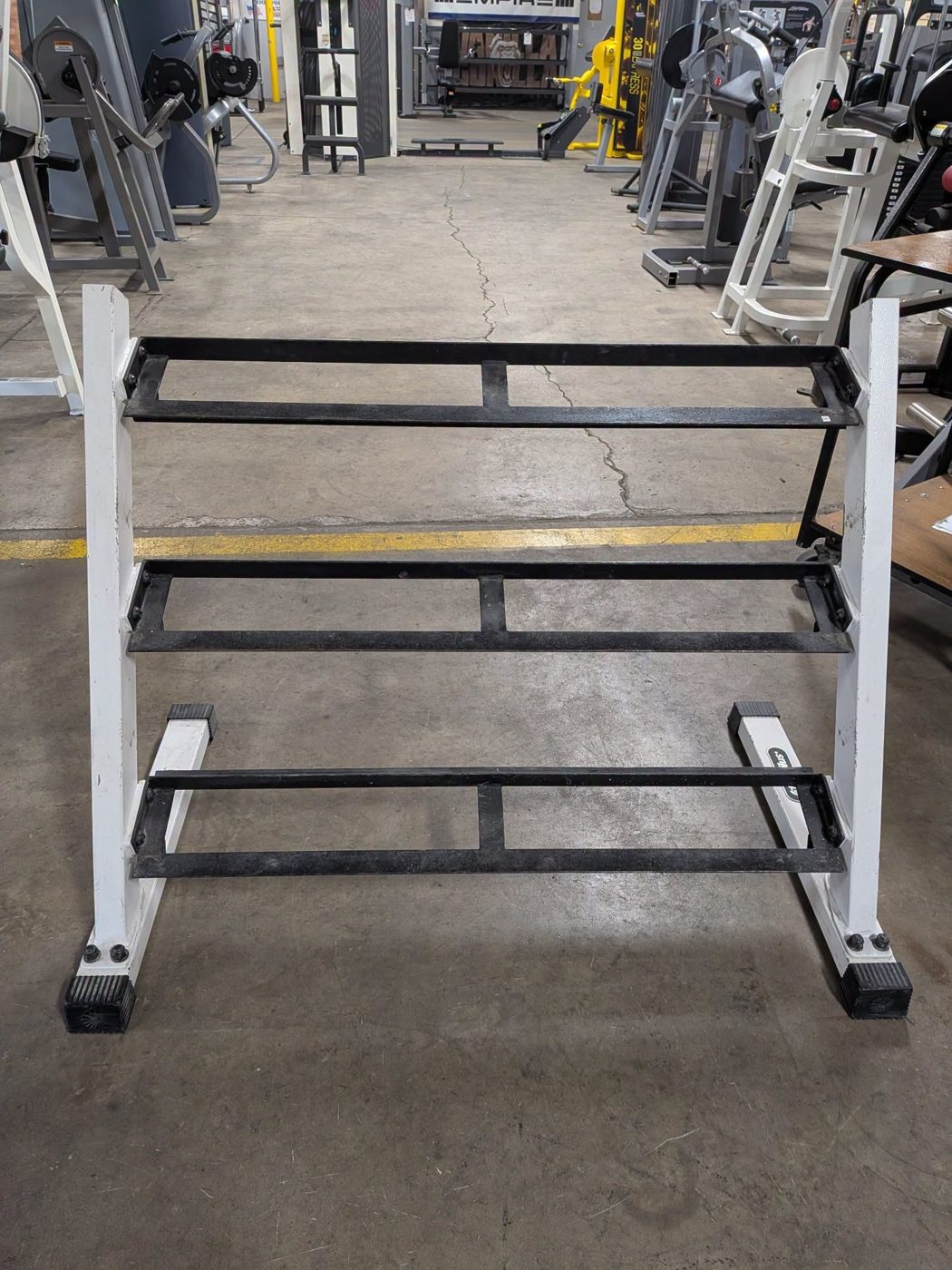
Thoughtful gifts for women who love to train, from stocking stuffers to home gym upgrades.
Shopping for someone who lives at the gym? Here are gifts he'll actually use.
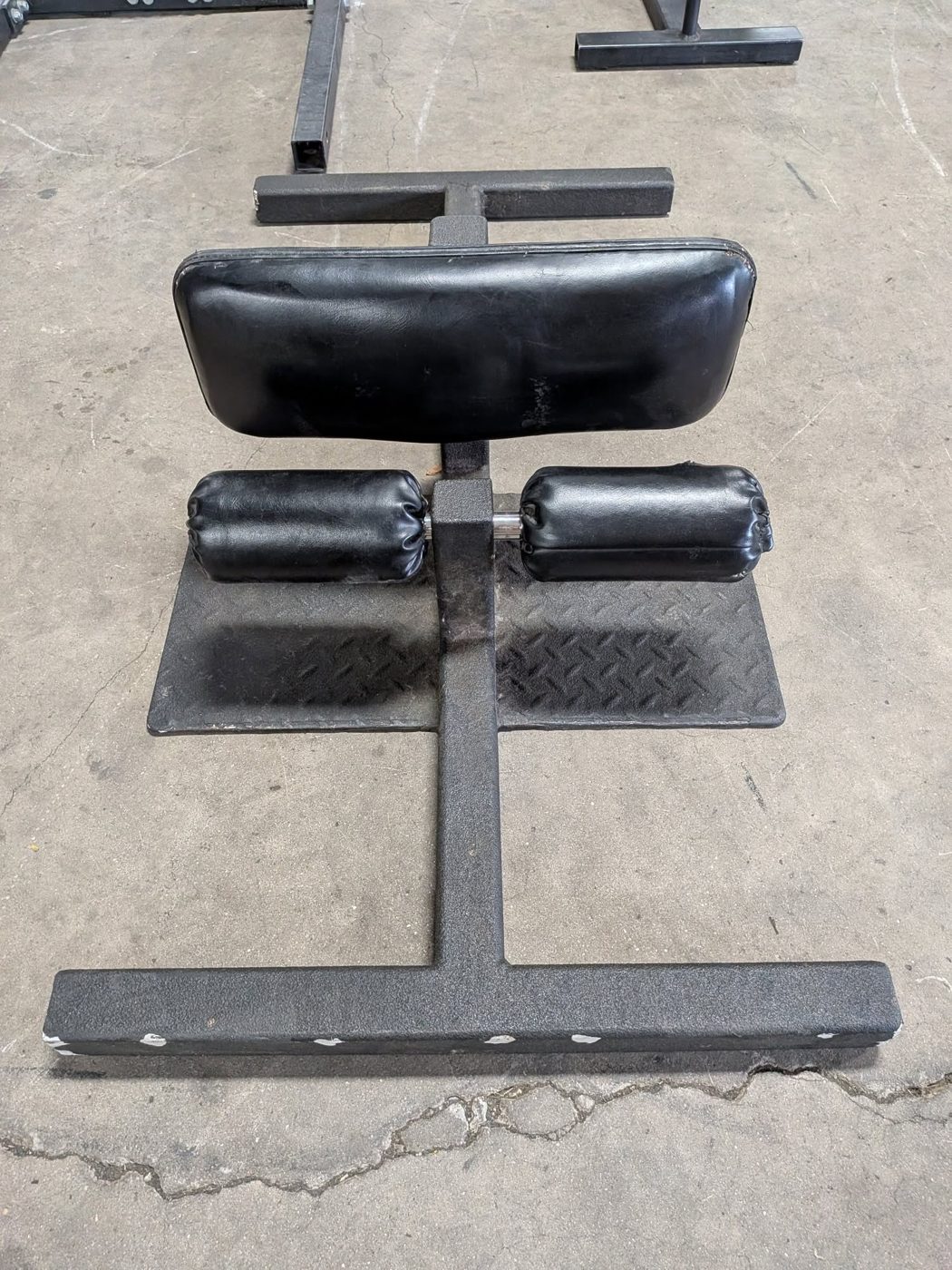
A warranty is only as good as its fine print. Here's how to read one.
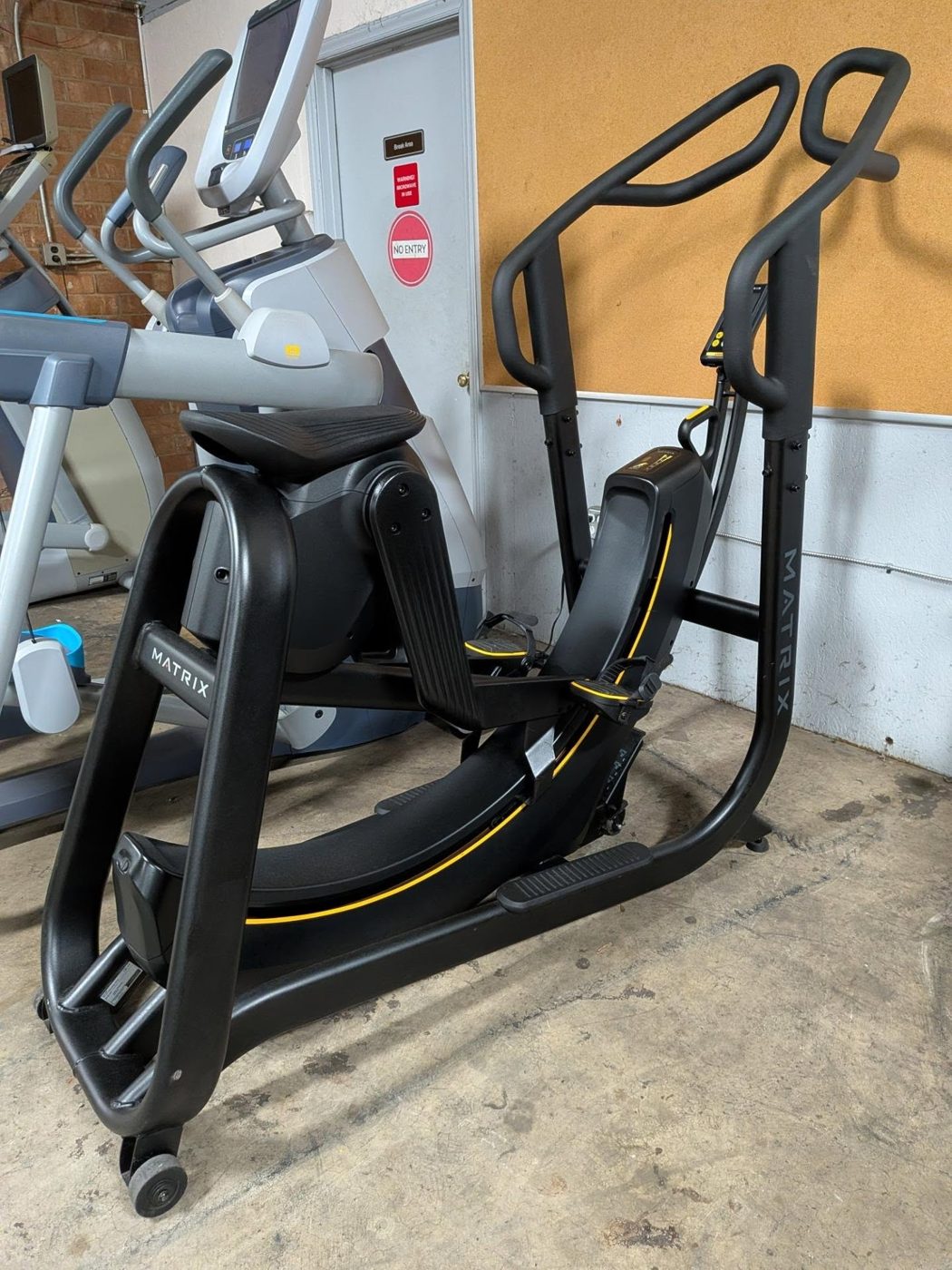
Starting small? Here's how to equip a gym that members love without overspending.
Flooring protects your building, members and equipment. Here's how commercial options compare.
Opening a functional fitness box? Here's the equipment list and typical costs.
A great gym layout keeps members moving, safe and happy. Here's how to plan your floor.
KingSmith's WalkingPad popularized folding walking pads. Here's how it compares with other brands.
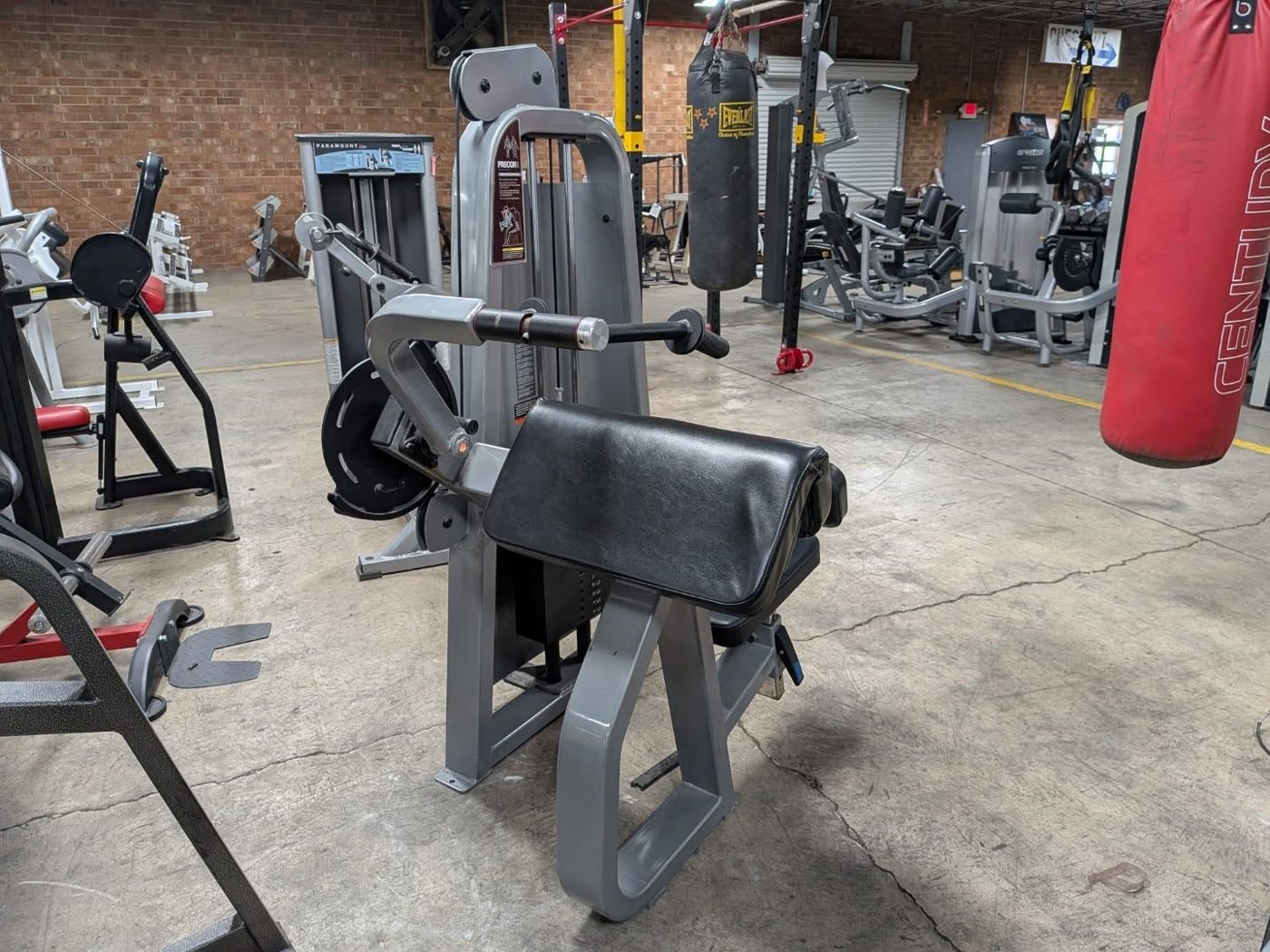
Two of the most trusted commercial gym brands. Here's how Life Fitness and Precor compare.
Both are popular budget-friendly home gym brands. Here's how Titan and REP compare.
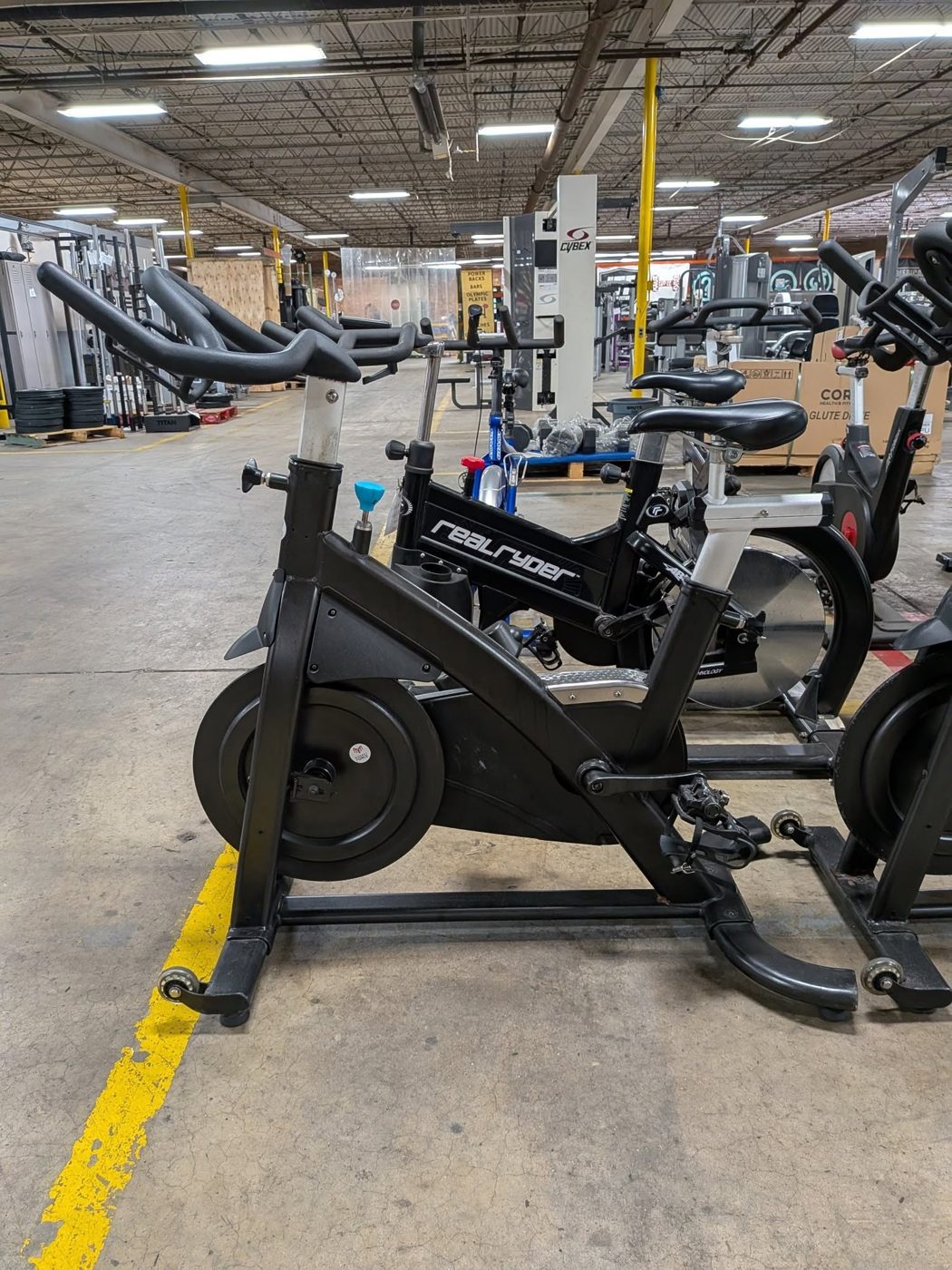
The two most famous air bikes. Here's how the Rogue Echo Bike and Assault AirBike compare.
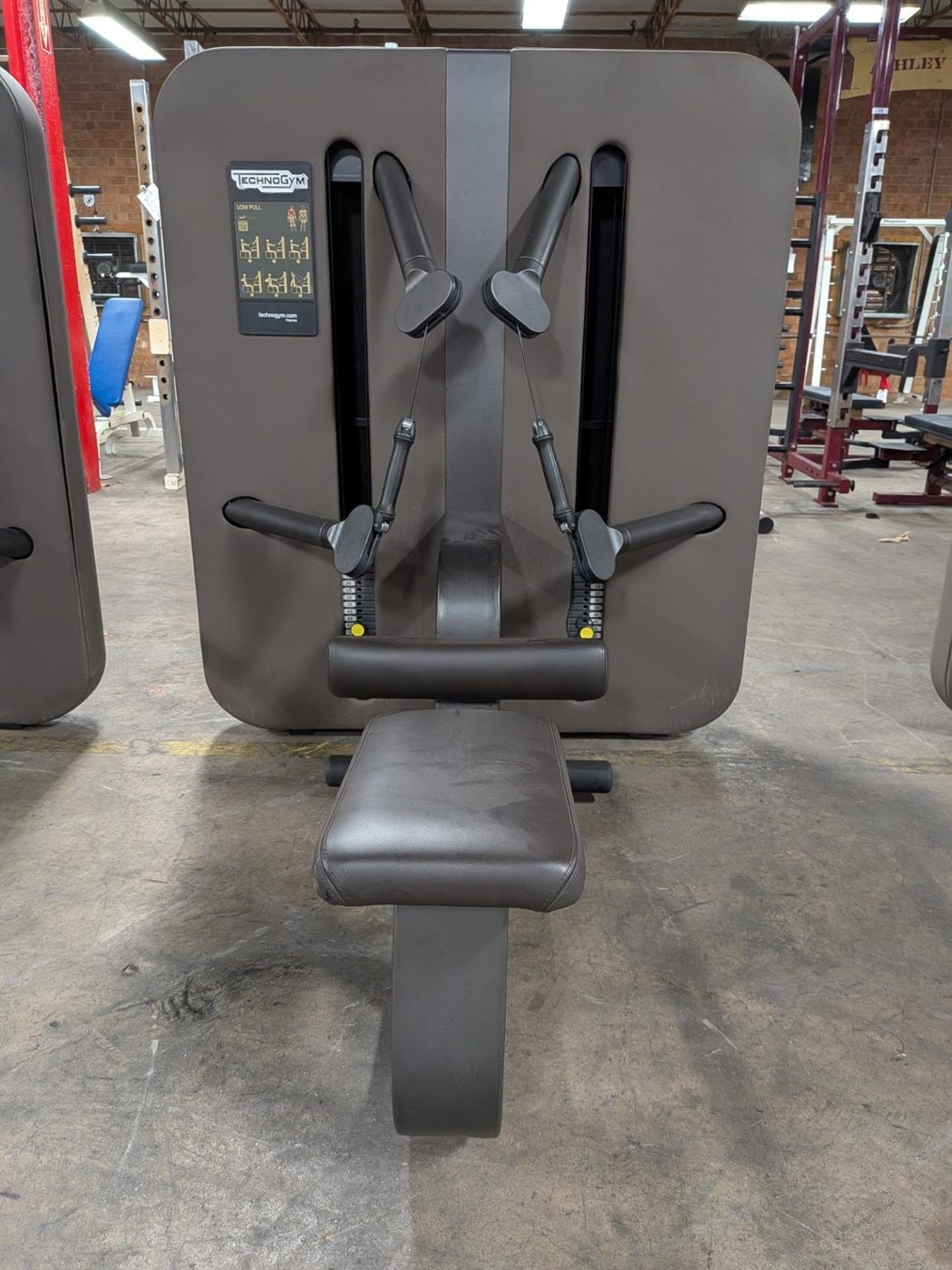
Tonal pioneered wall-mounted digital strength. Here's how it compares with other smart trainers and traditional gear.
Theragun hits deeper; Hypervolt is quieter. Here's how the two leading massage gun brands compare.
Sole emphasizes sturdy builds and warranties; NordicTrack emphasizes interactive training. Here's how they compare.
NordicTrack and ProForm share a parent company and an app. Here's what actually separates them.
One is the training standard; the other is a connected experience. Here's how Concept2 and Hydrow compare.
You can get a Peloton-style experience for far less. Here's how alternatives compare.
The two most popular adjustable dumbbells take very different approaches. Here's how they compare.
Two of the biggest names in home gym equipment. Here's how Rogue and REP compare on quality, price and value.
Big lifters and bigger bodies need equipment that won't flex. Here's what to look for.
Standard equipment can feel cramped when you're tall. Here's what to look for.
Better balance means fewer falls and more independence. Here's safe equipment for older adults.
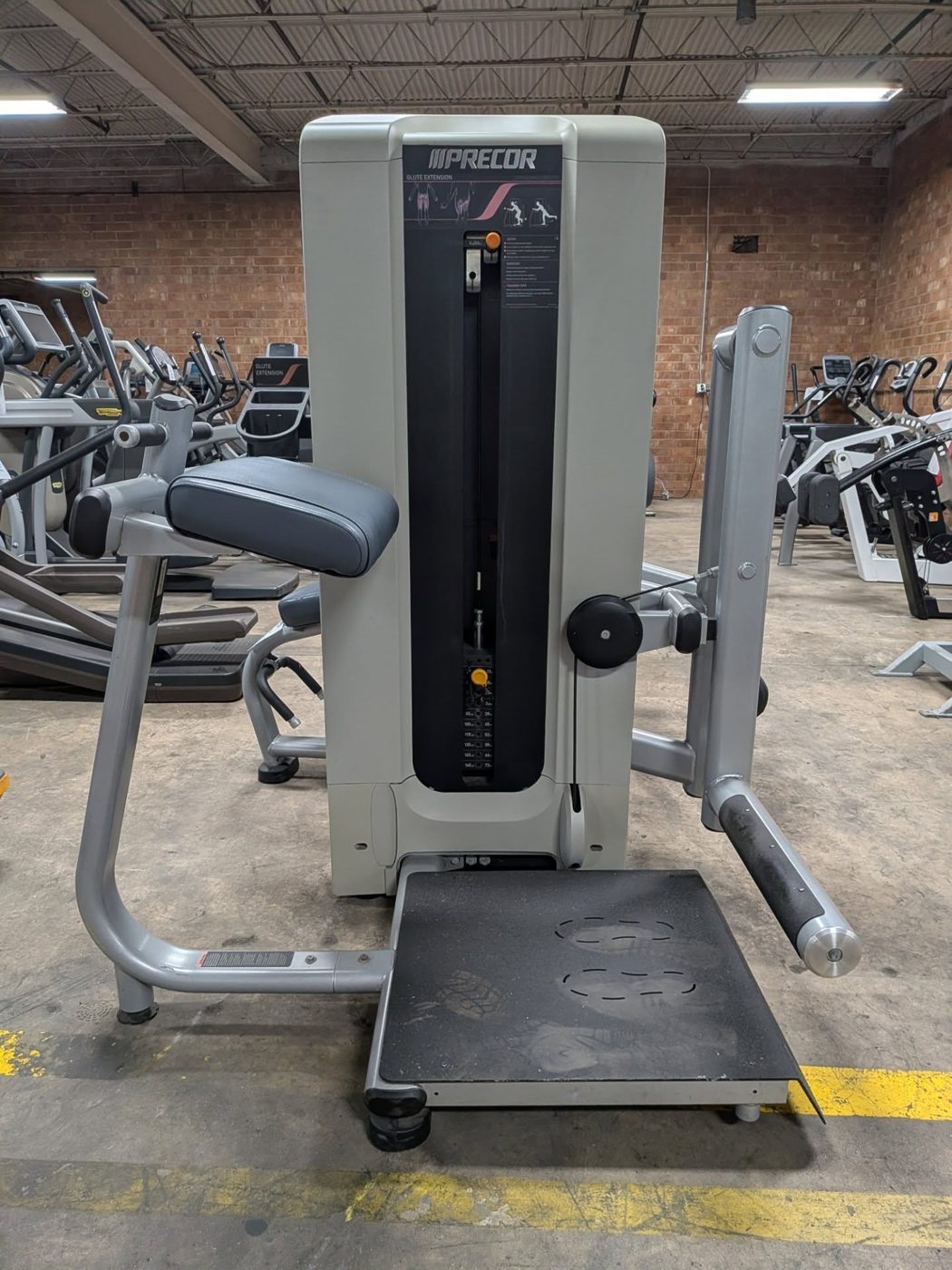
You can build strong glutes at home with a few smart tools. Here's what to buy.
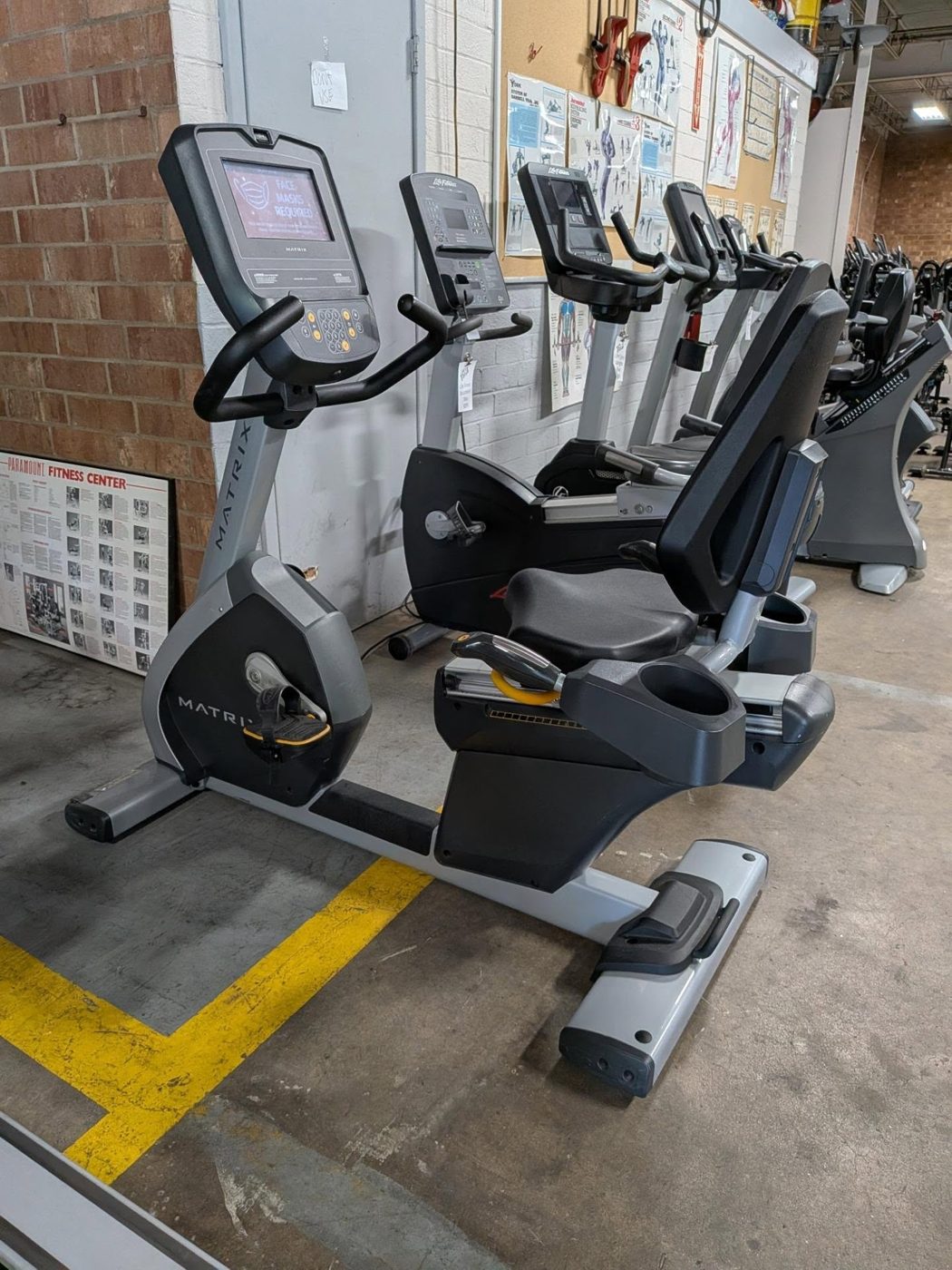
The right equipment can help you stay active with back pain. Here's what tends to be most back friendly.
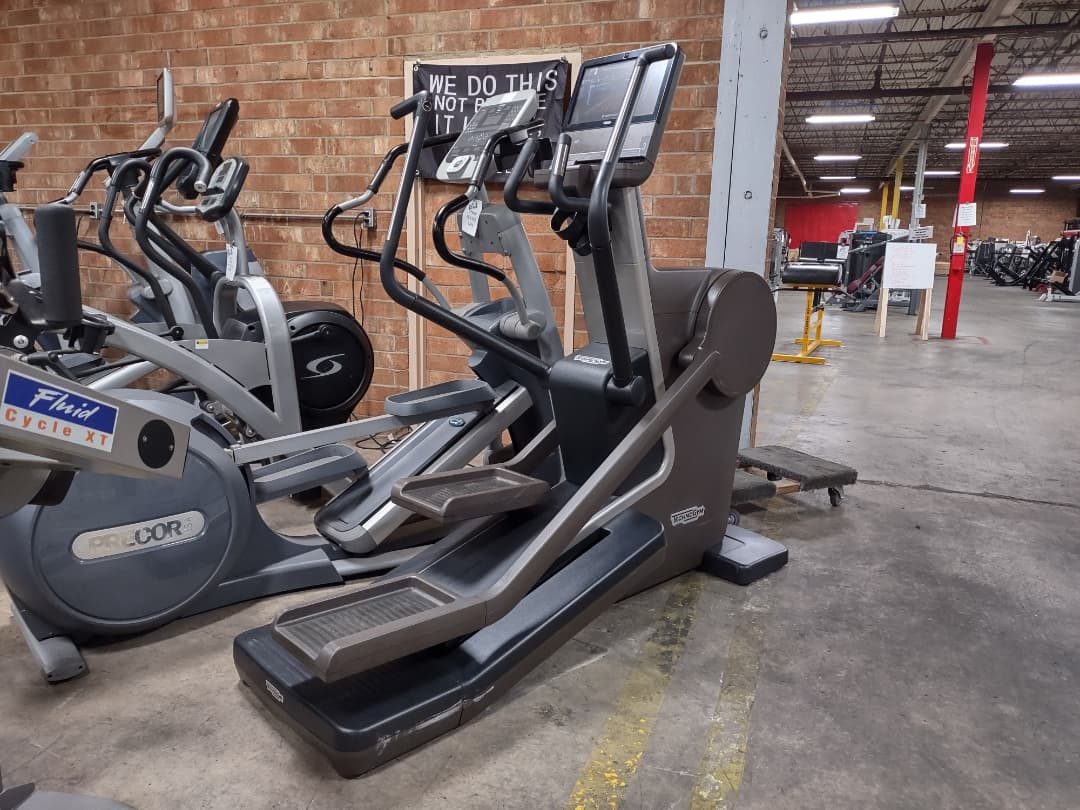
Knee pain doesn't mean you have to stop training. These machines are gentler on your joints.
Build a home gym that fits your goals and your space. Here's the equipment worth buying.
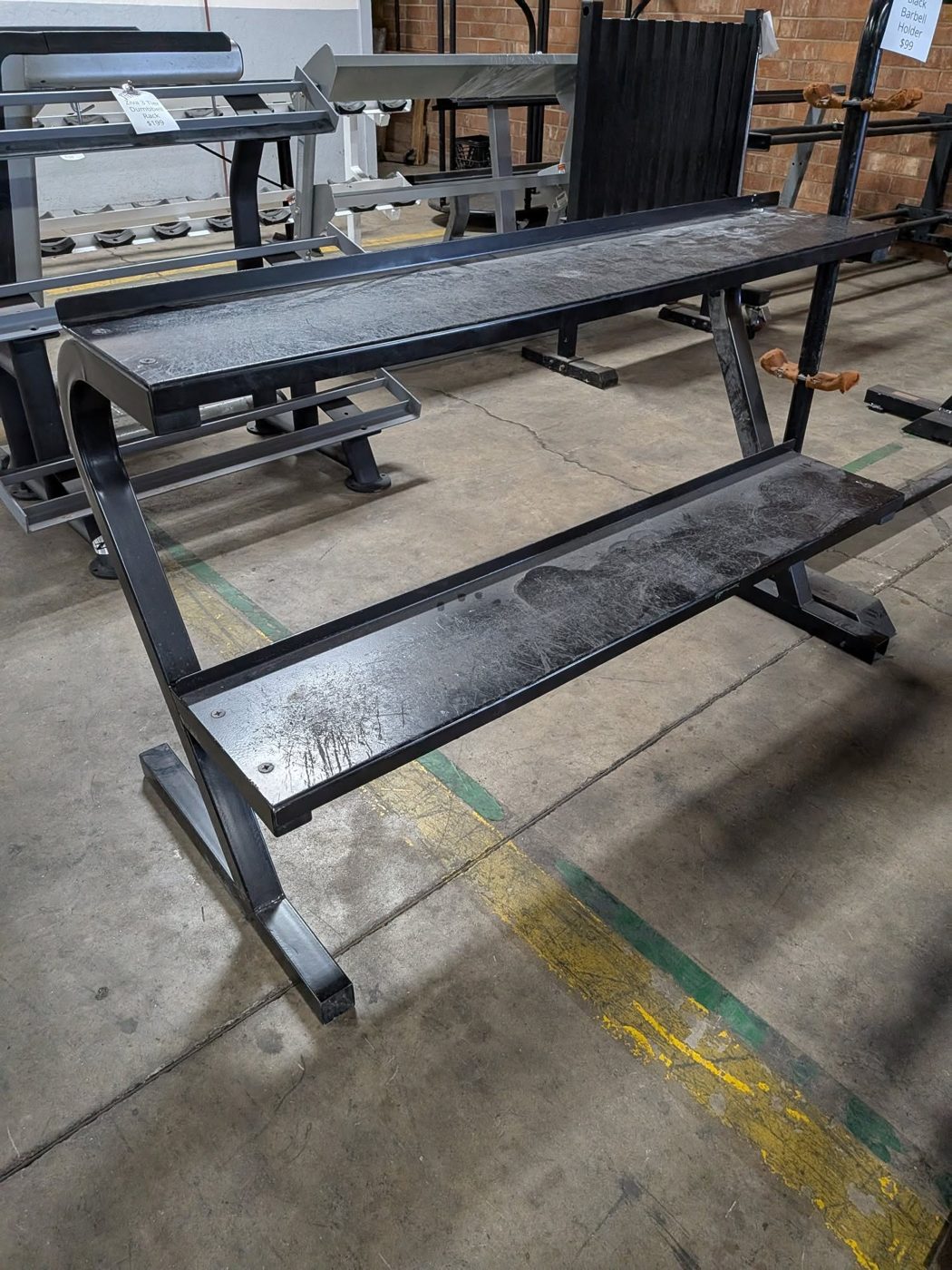
Stronger hands mean bigger lifts and better daily function. Here are the best grip tools.
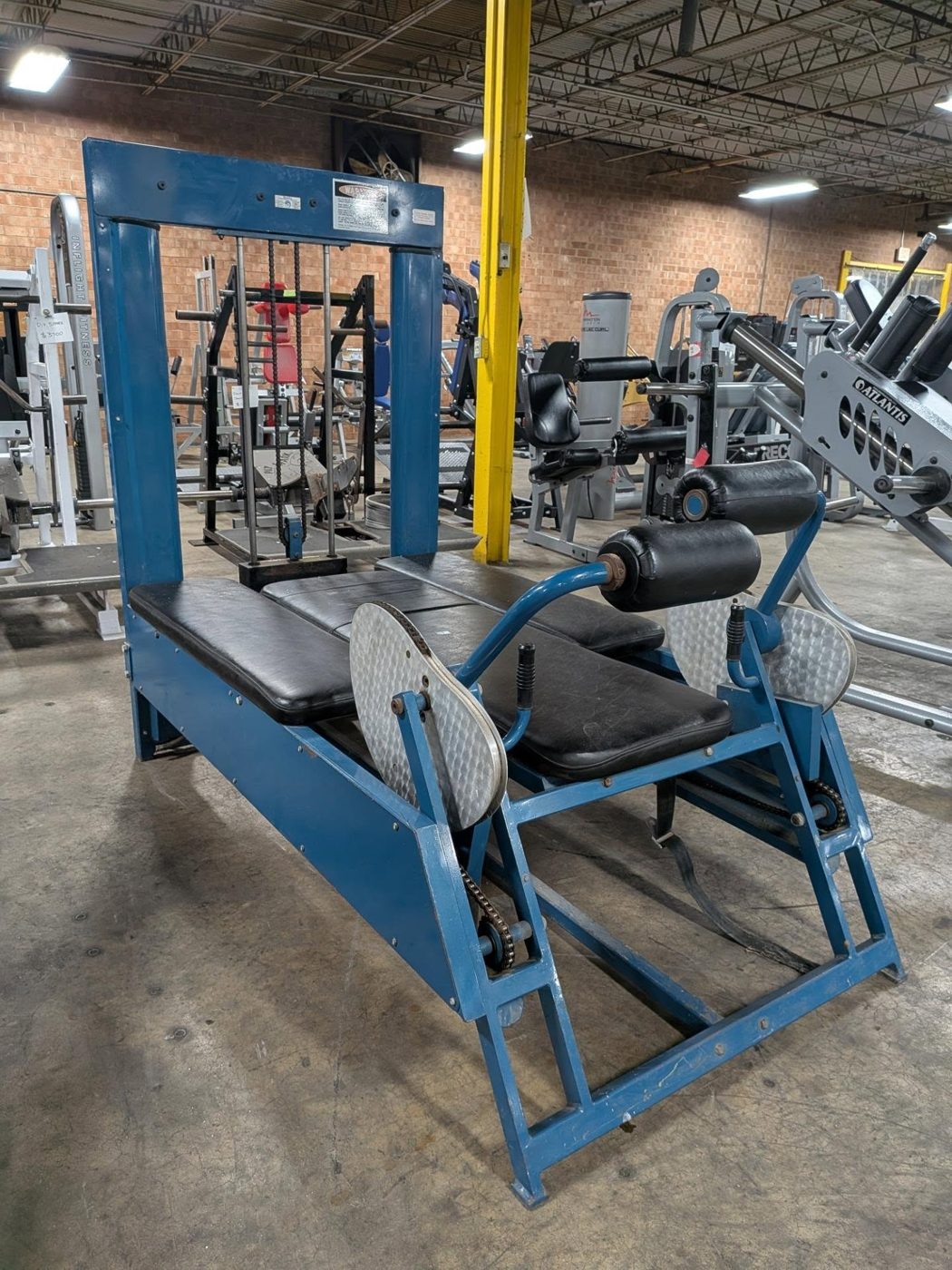
A hip thrust machine makes heavy glute training fast and comfortable. Here's how to choose one.
Vibration plates promise a lot for little effort. Here's what research actually shows.
A home reformer brings studio Pilates to your living room. Here's how to choose one.
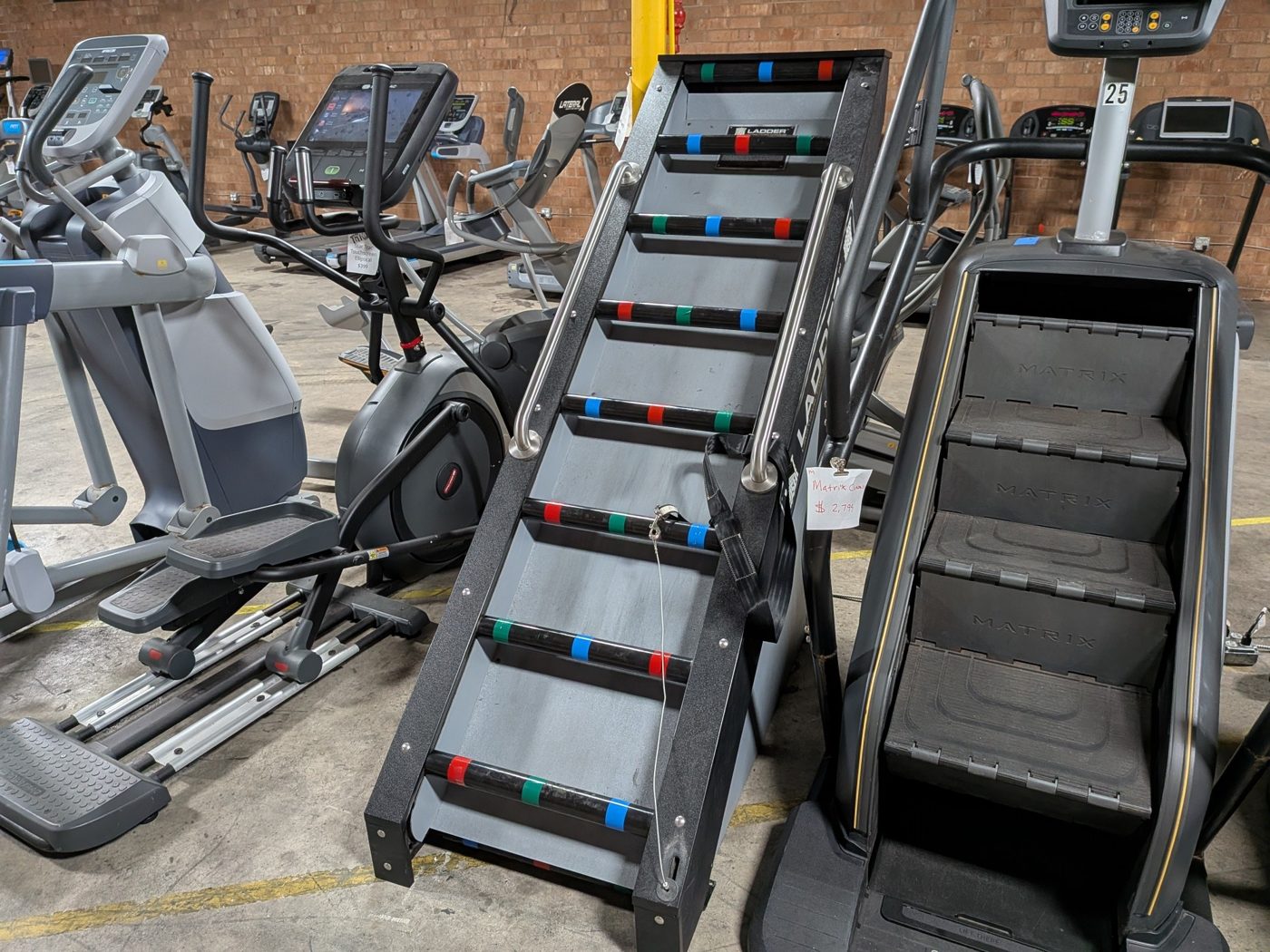
Vertical climbers deliver a full-body, low-impact workout in a small footprint. Here's what to know.
They look similar but are built for different jobs. Here's which ball you need.
Suspension trainers use bodyweight and angles for a full-body workout anywhere. Here's how to choose one.
Rings are a full gym in a bag. Here's how to choose, hang and train with them.
Once bodyweight gets easy, a dip belt keeps you progressing. Here's how to choose one.
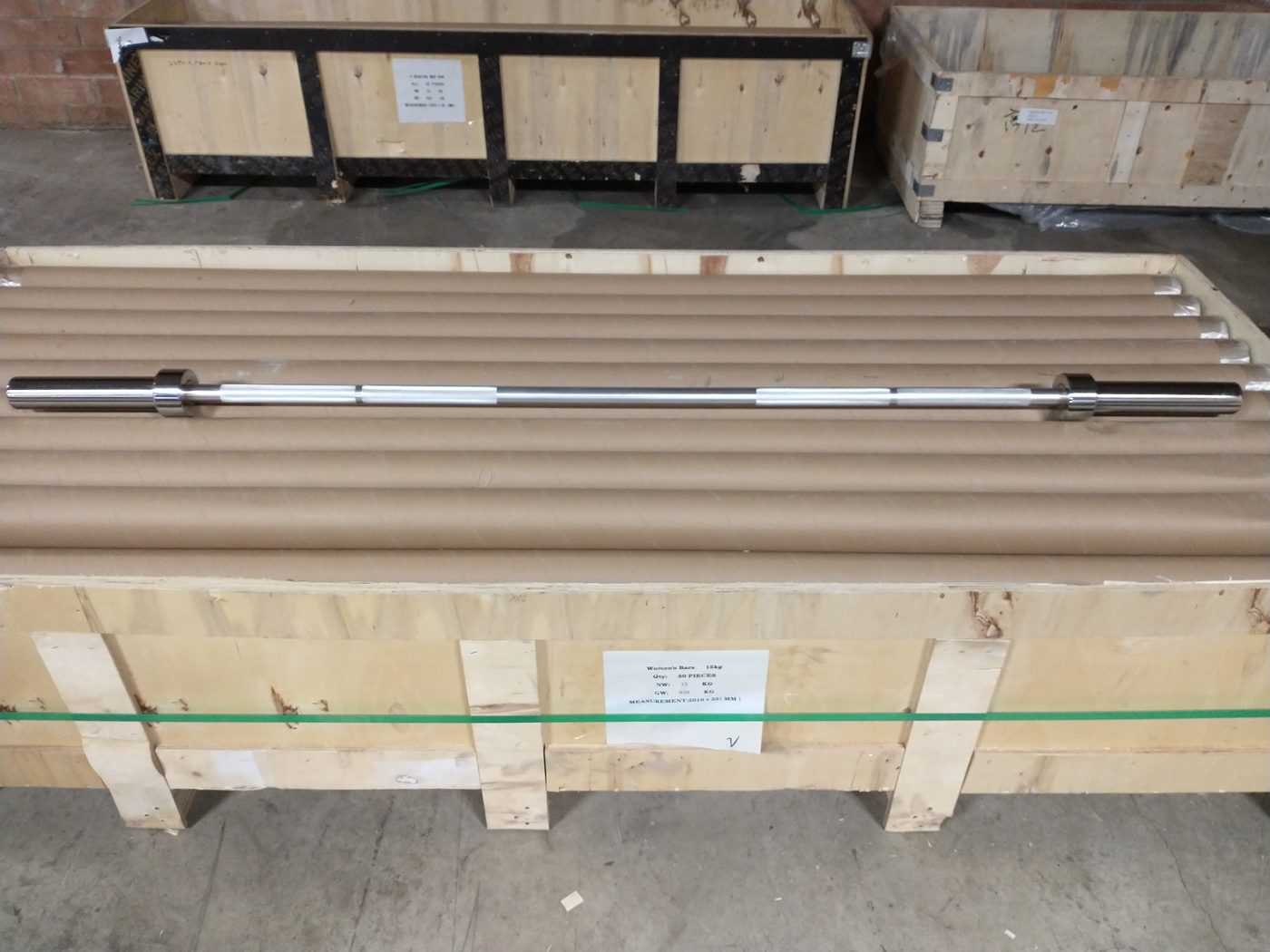
The safety squat bar takes stress off your shoulders and builds big quads and upper backs. Here's what to know.
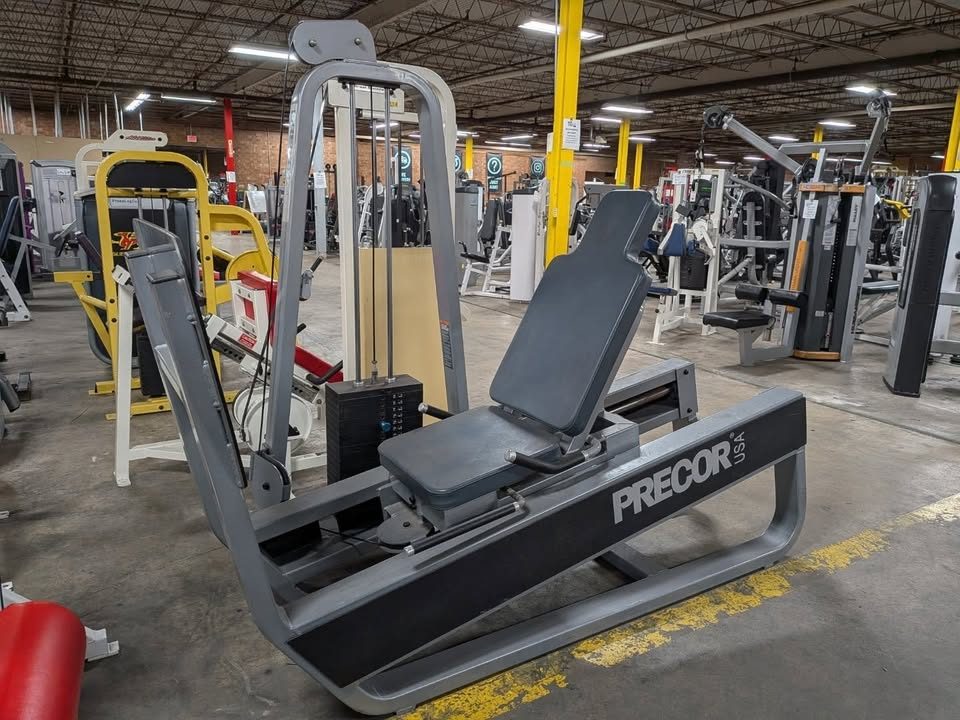
Sled pushes build leg drive and conditioning with no eccentric soreness. Here's how to pick a sled.
Sandbags build real-world strength because they shift and fight back. Here's how to choose one.
Battle ropes deliver full-body conditioning with zero impact. Here's how to choose and use them.
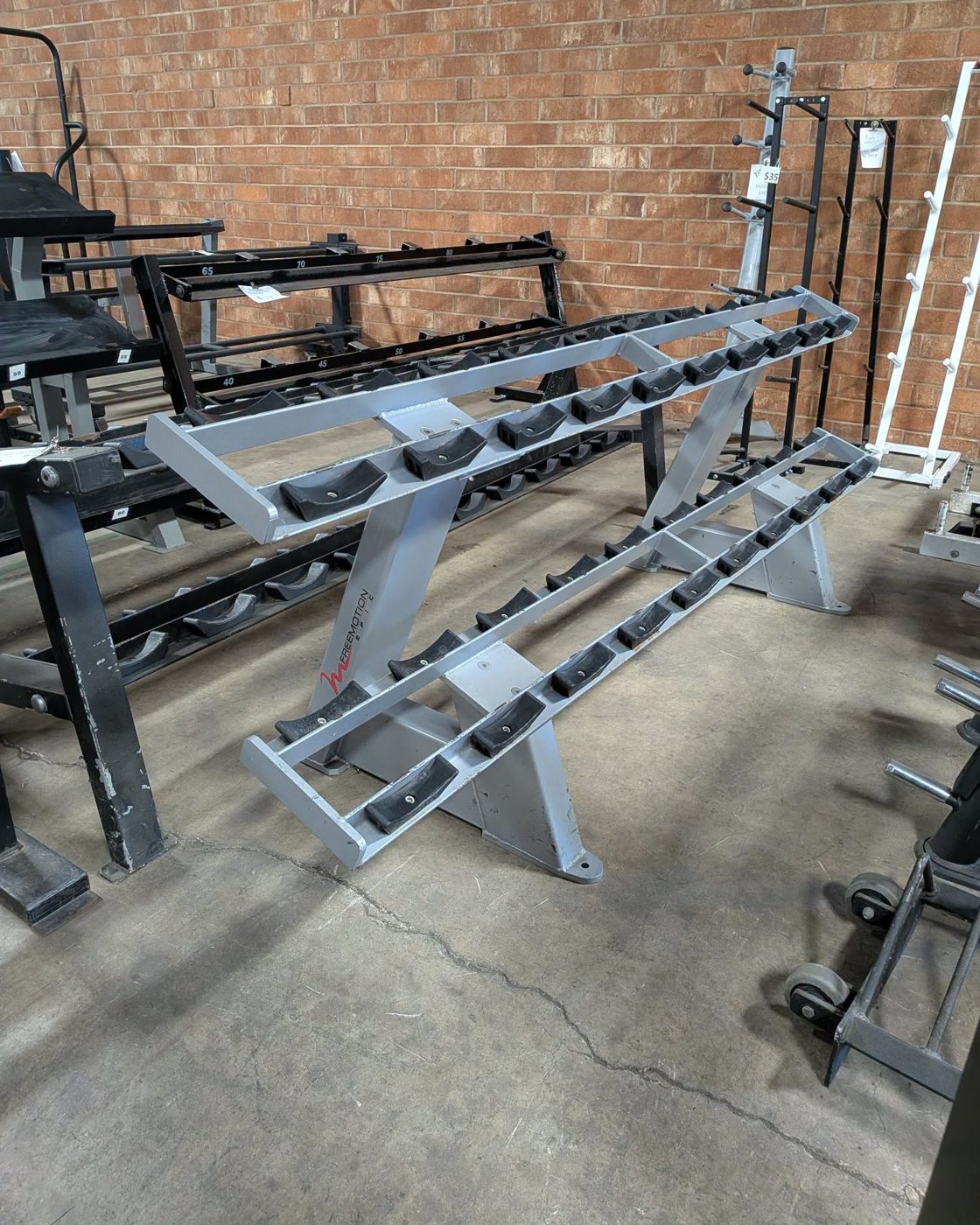
Soft, wood or steel? Here's how to pick a plyo box for box jumps, step-ups and more.
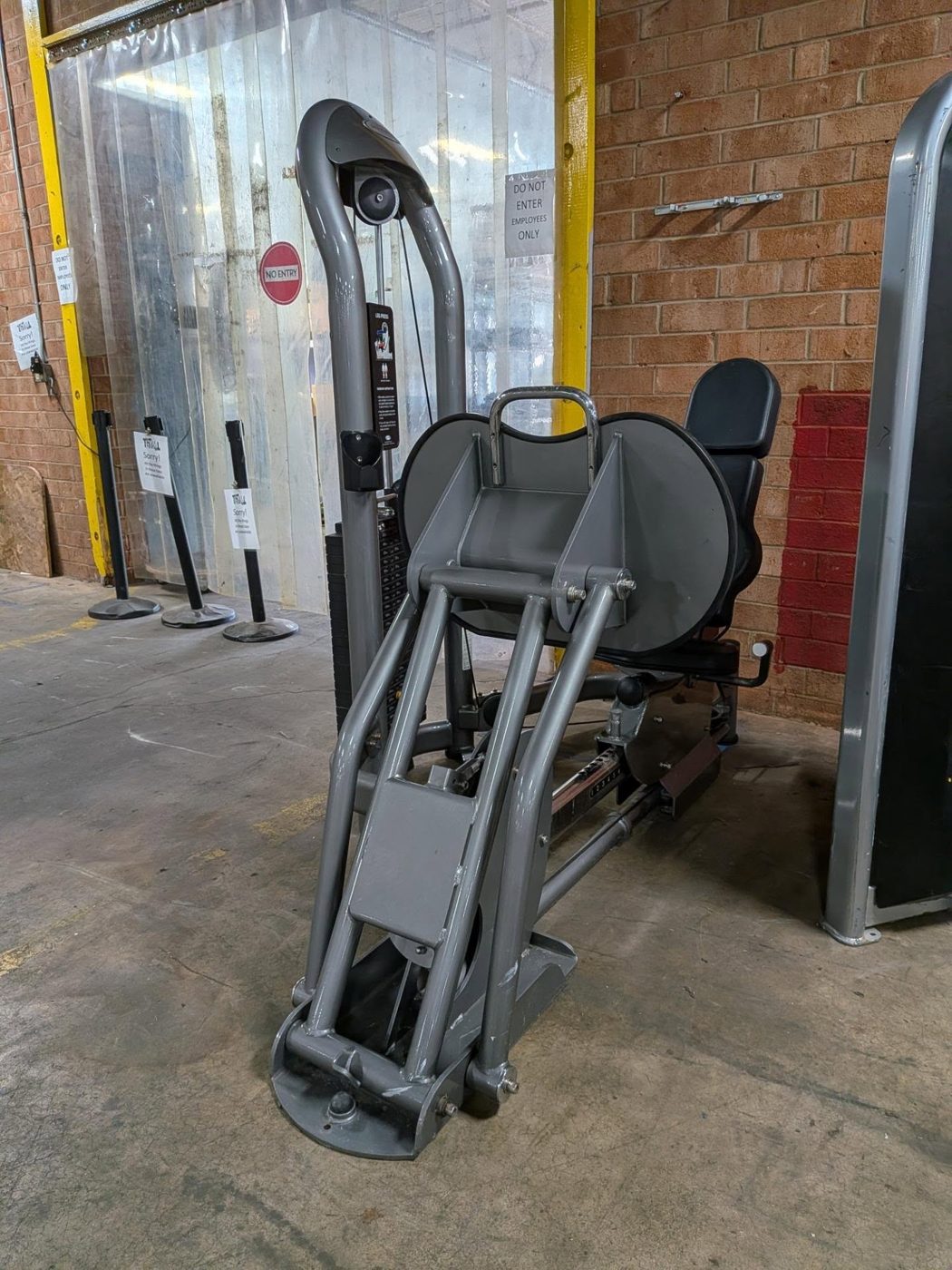
Planning a facility? Here's what commercial equipment typically costs, new and used.
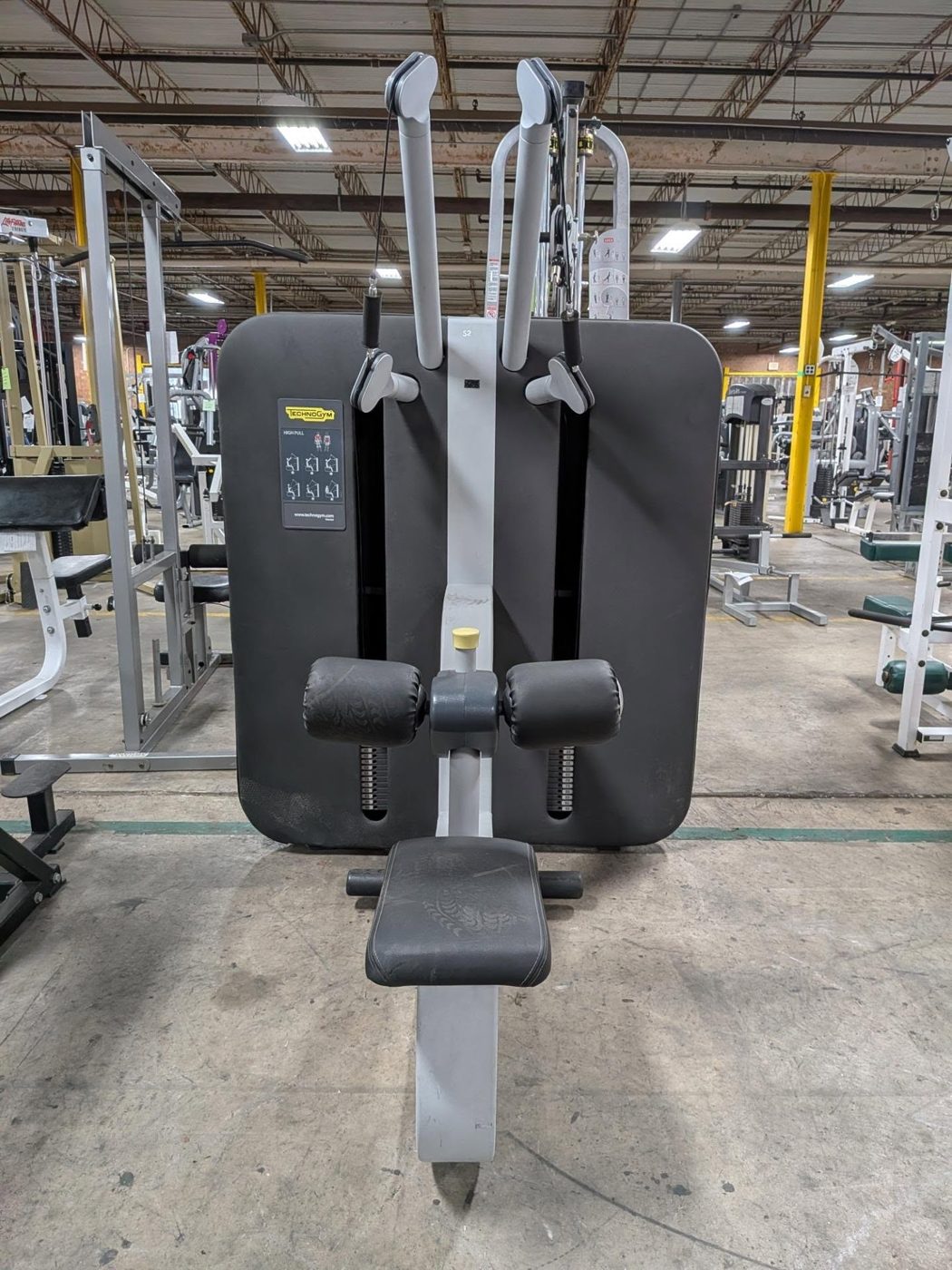
Shipping heavy equipment isn't like shipping a parcel. Here's what freight costs and how to save.
Is a $3,000 treadmill really better than a $700 one? Here's where the money goes.
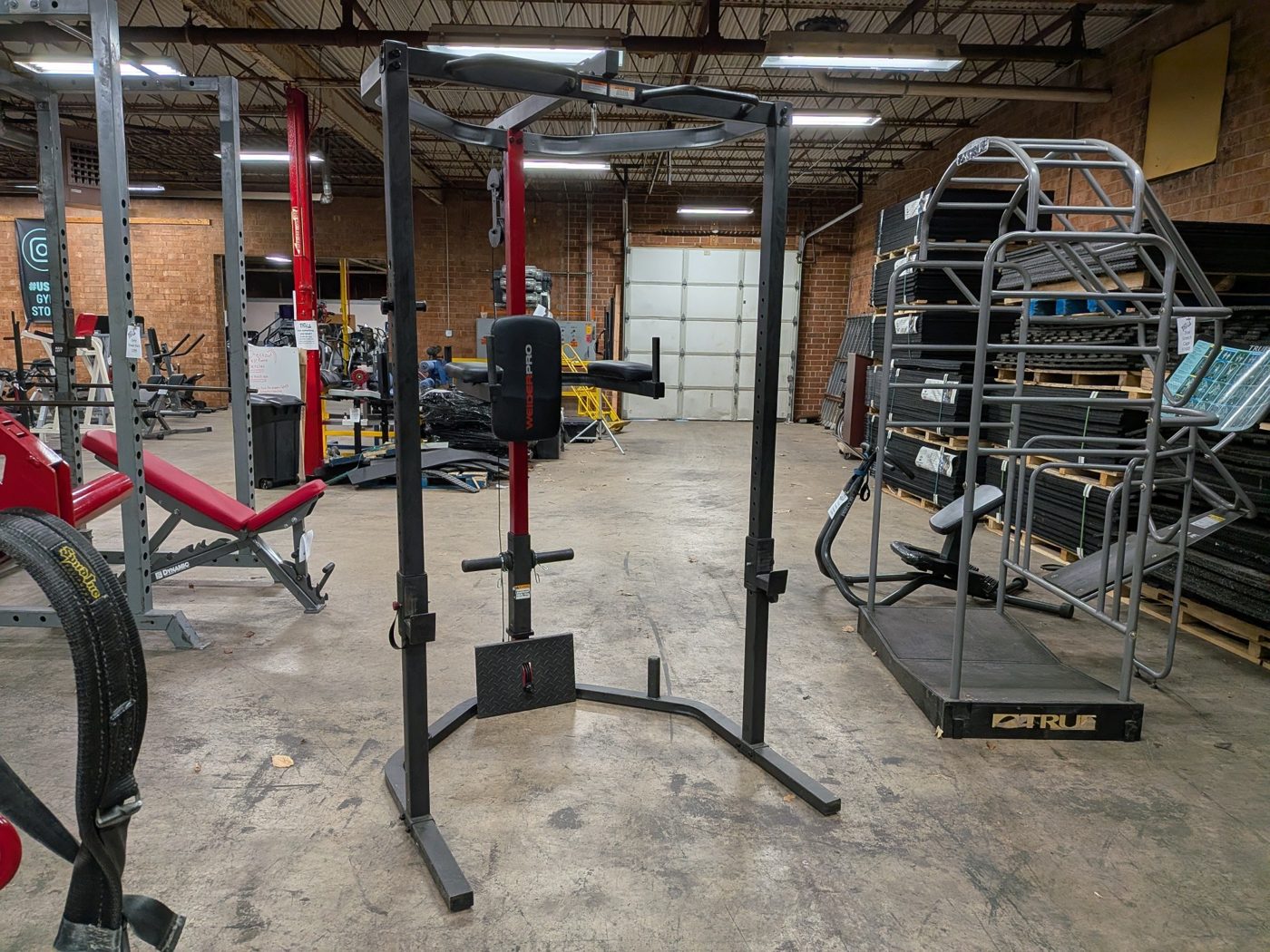
Timing can save you hundreds. Here's when fitness equipment typically goes on sale.
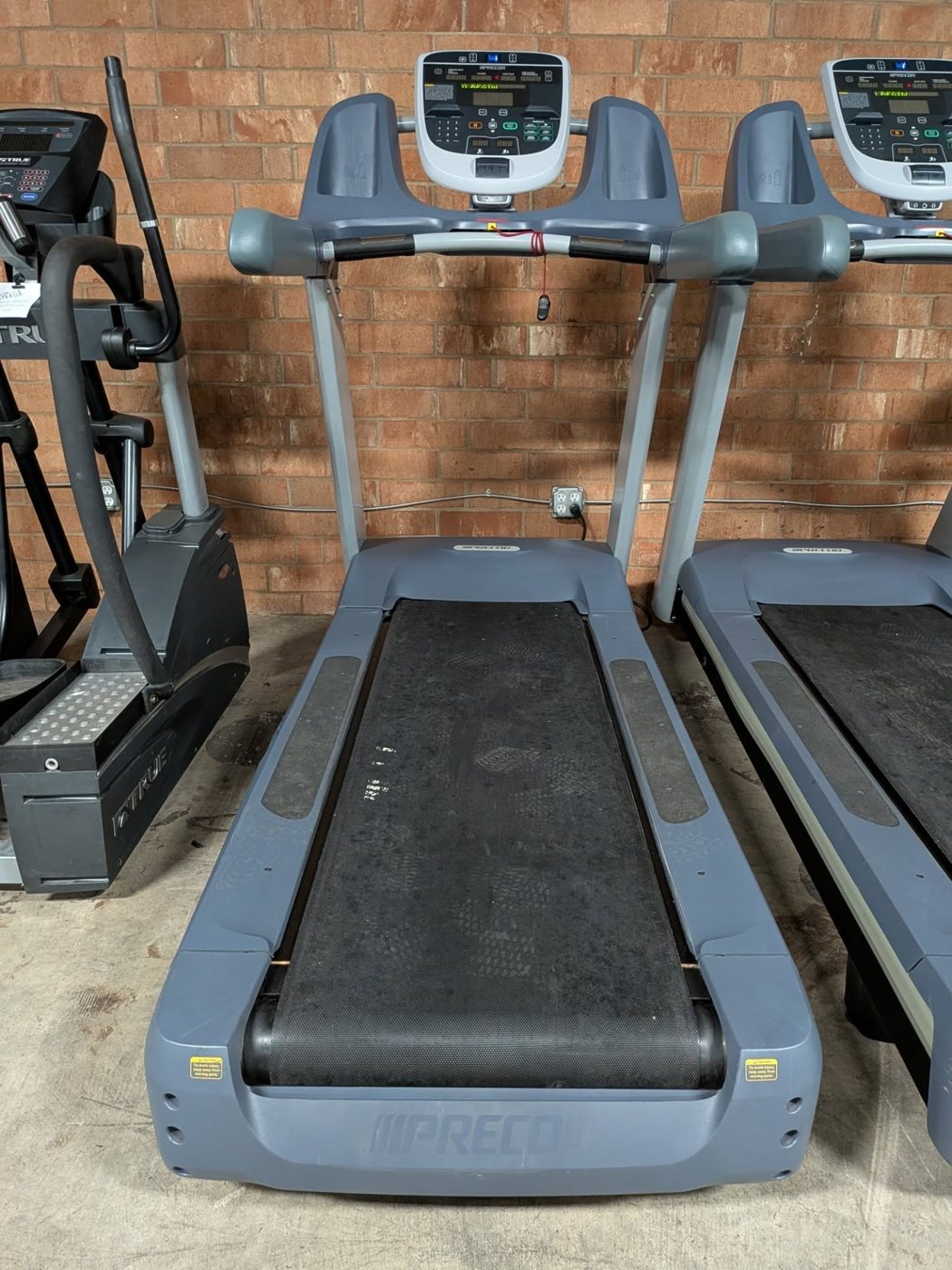
A used treadmill can save you thousands, if you know what to check. Here's the buyer's checklist.
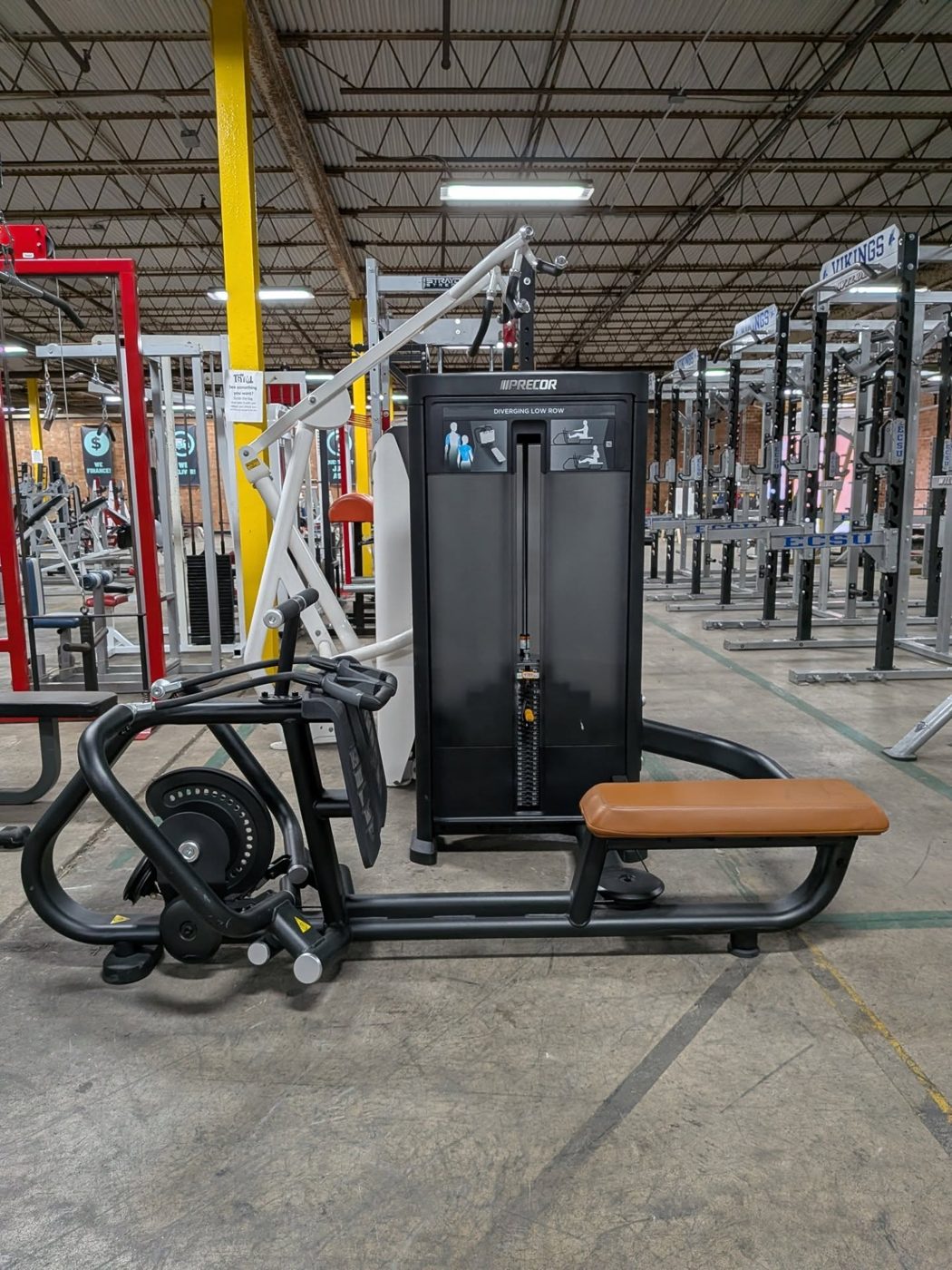
Rowers range from $150 to $3,000. Here's what each budget gets you.
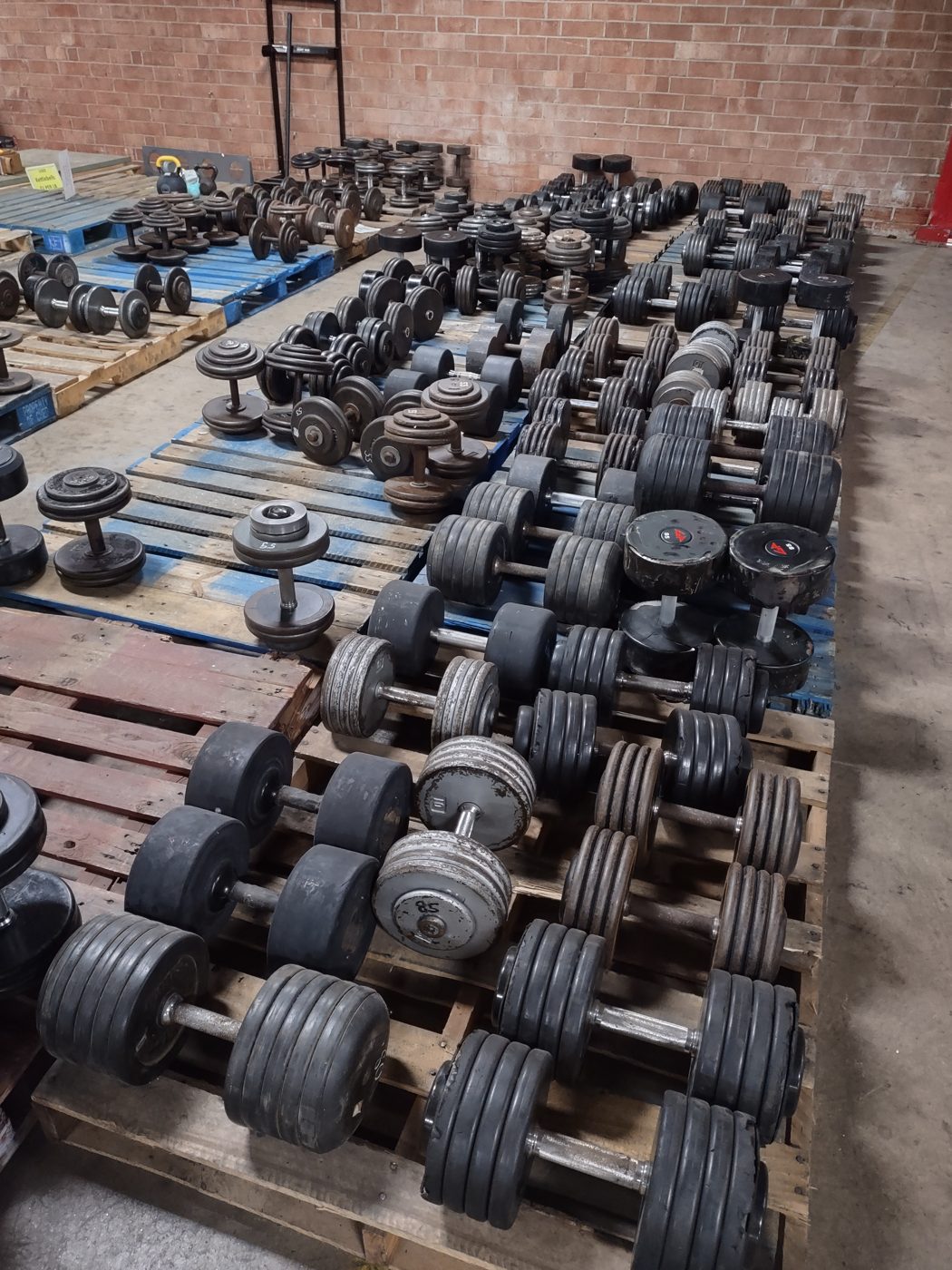
Dumbbells are usually priced by the pound. Here's what's a fair price for each type.
Racks range from $200 squat stands to $4,000 commercial cages. Here's what the money buys.
A home gym can cost $300 or $30,000. Here's an itemized breakdown at three budgets.
Treadmills range from a few hundred dollars to over $10,000. Here's what you get at each price point.
Rucking is walking with a weighted pack. Here's why it works and how to start safely.
No gym, no problem. This 30-day home workout challenge builds strength and fitness with bodyweight alone.
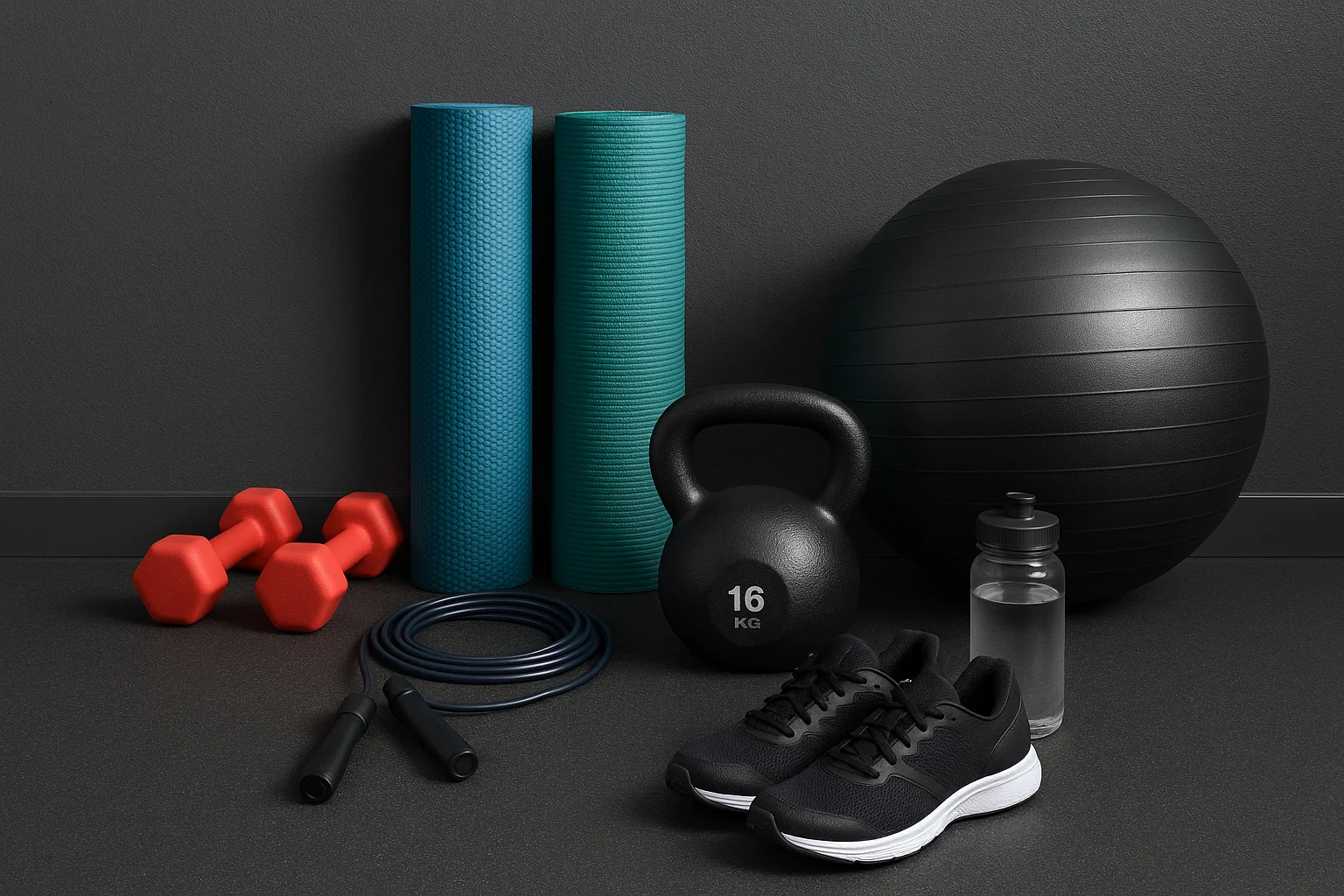
Bands are a gentle, effective way for older adults to build strength at home. Here's a safe chair-based routine.
Walking is one of the most sustainable ways to lose weight. Here's how much to walk and a plan to get there.
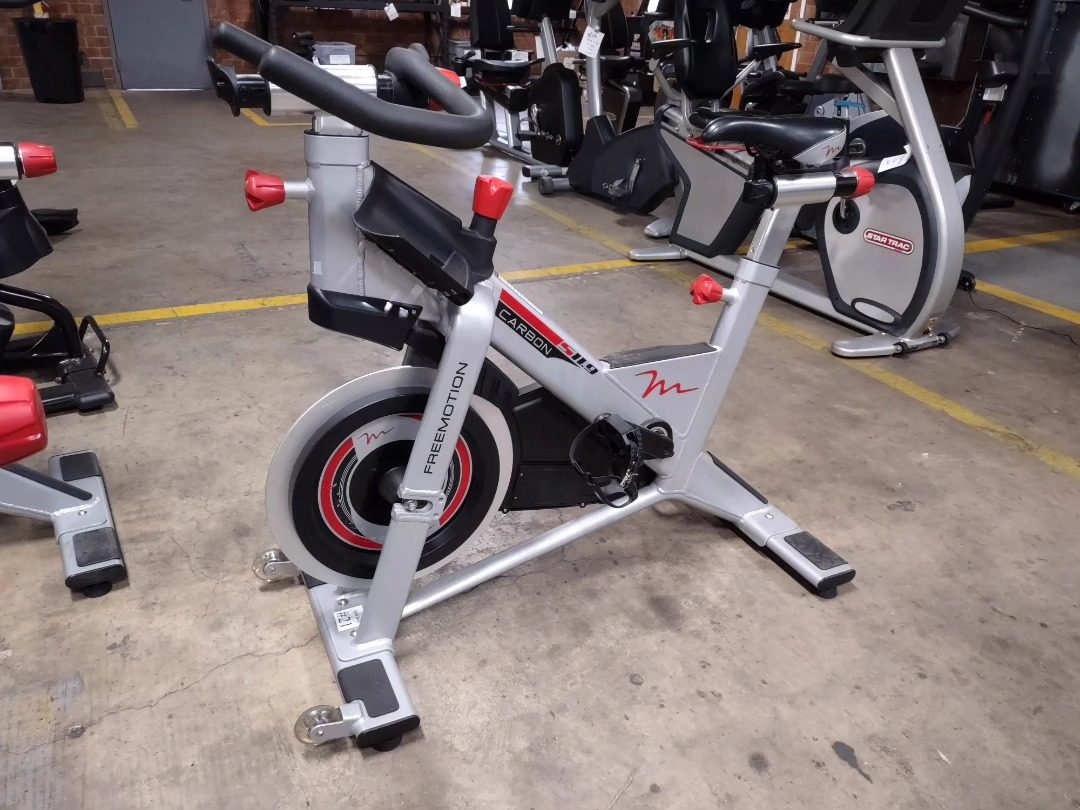
Zone 2 is easy, steady cardio that builds a strong aerobic base. Here's how to find it and train it.
Short, intense and joint-friendly. These stationary bike HIIT workouts burn serious calories in under 30 minutes.
Five beginner-friendly 30-minute treadmill workouts, from steady walks to gentle intervals.
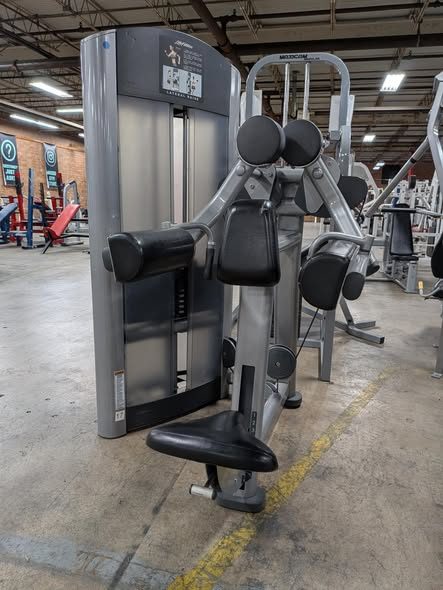
New to the gym? This beginner plan builds strength, shape and confidence in three sessions a week.
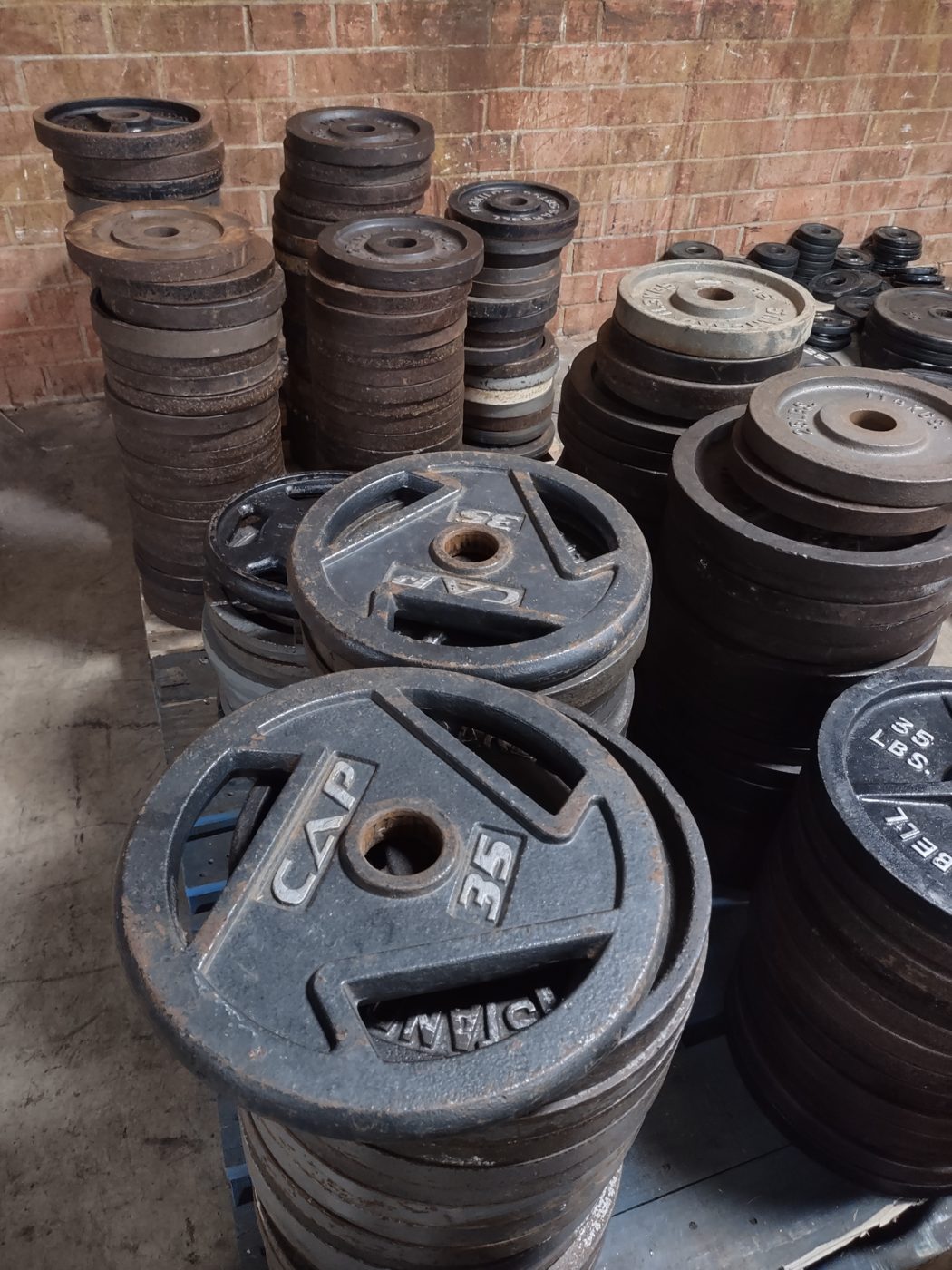
Five sets of five on the big lifts. The 5x5 is one of the simplest and most effective strength programs.
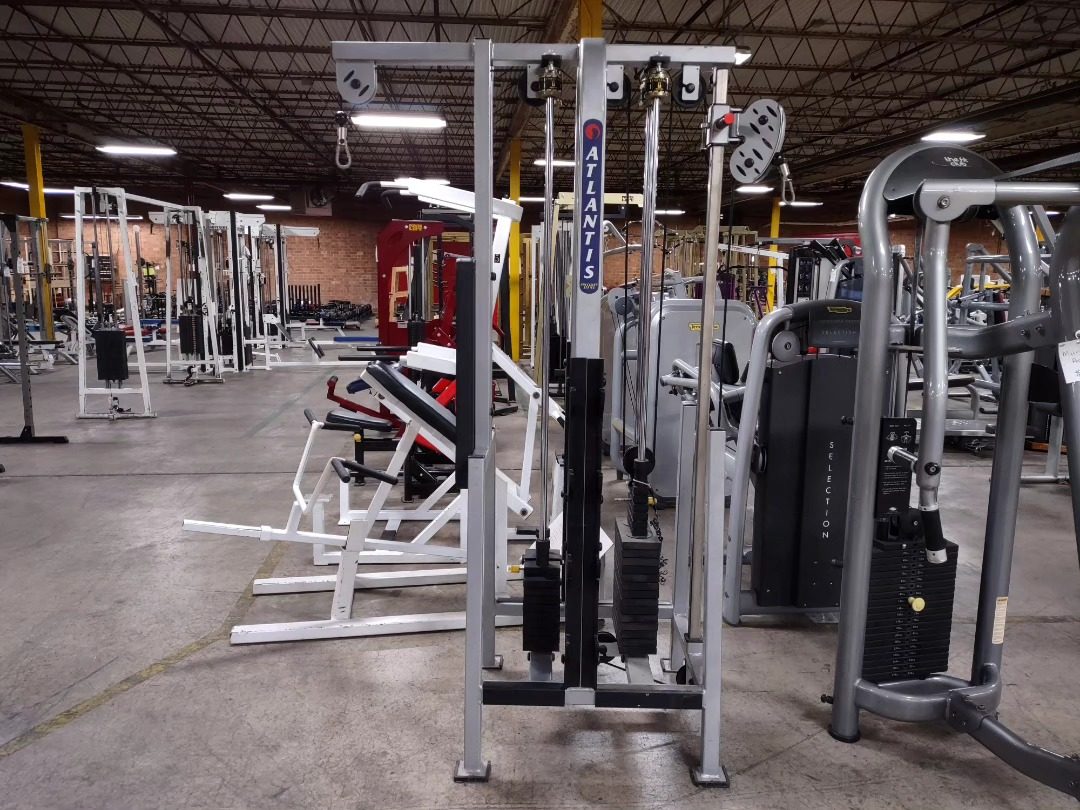
Four days, each muscle twice a week. The upper/lower split is one of the most balanced ways to train.
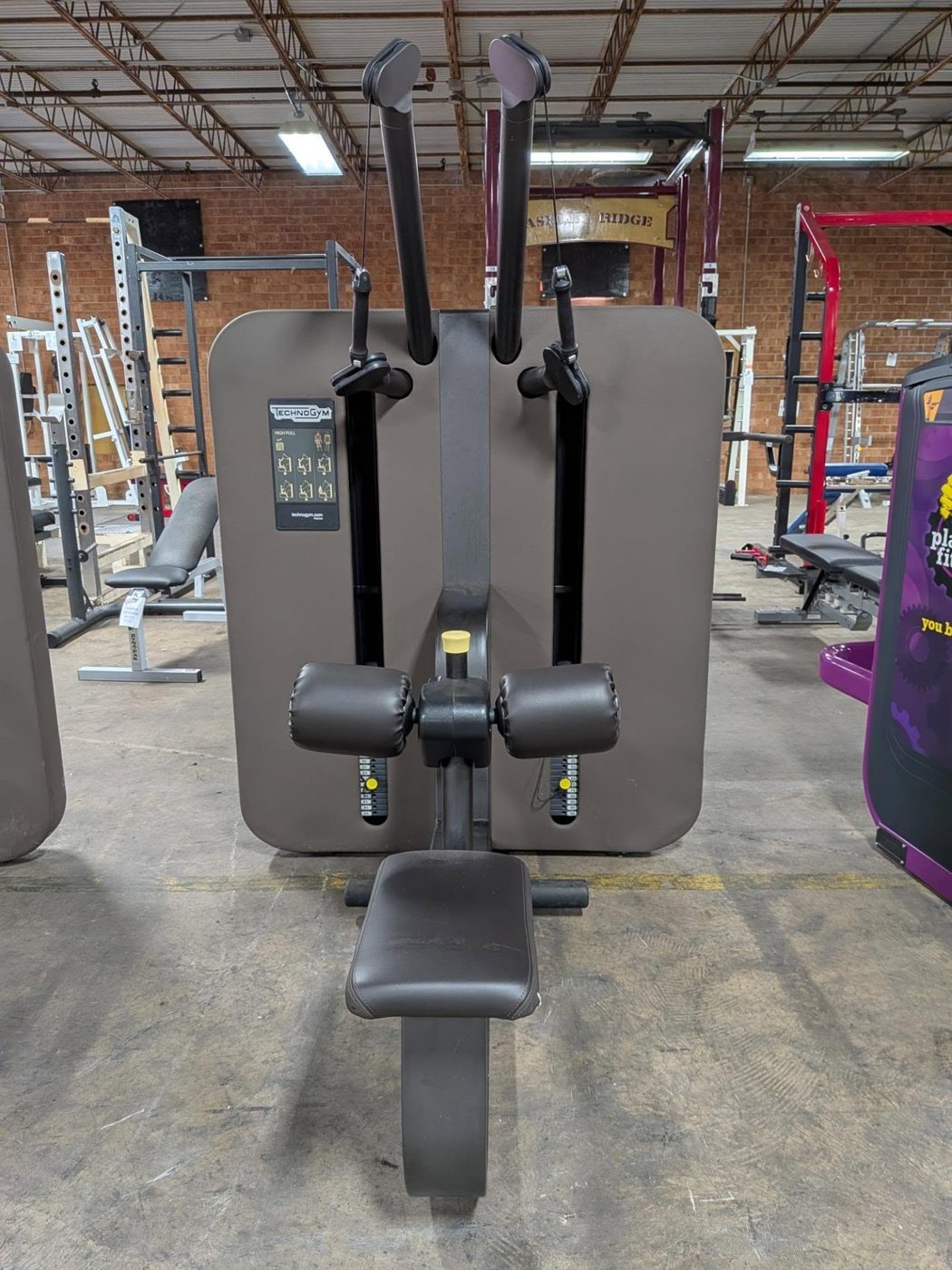
PPL is one of the most popular training splits for building muscle. Here's how it works and a full plan.
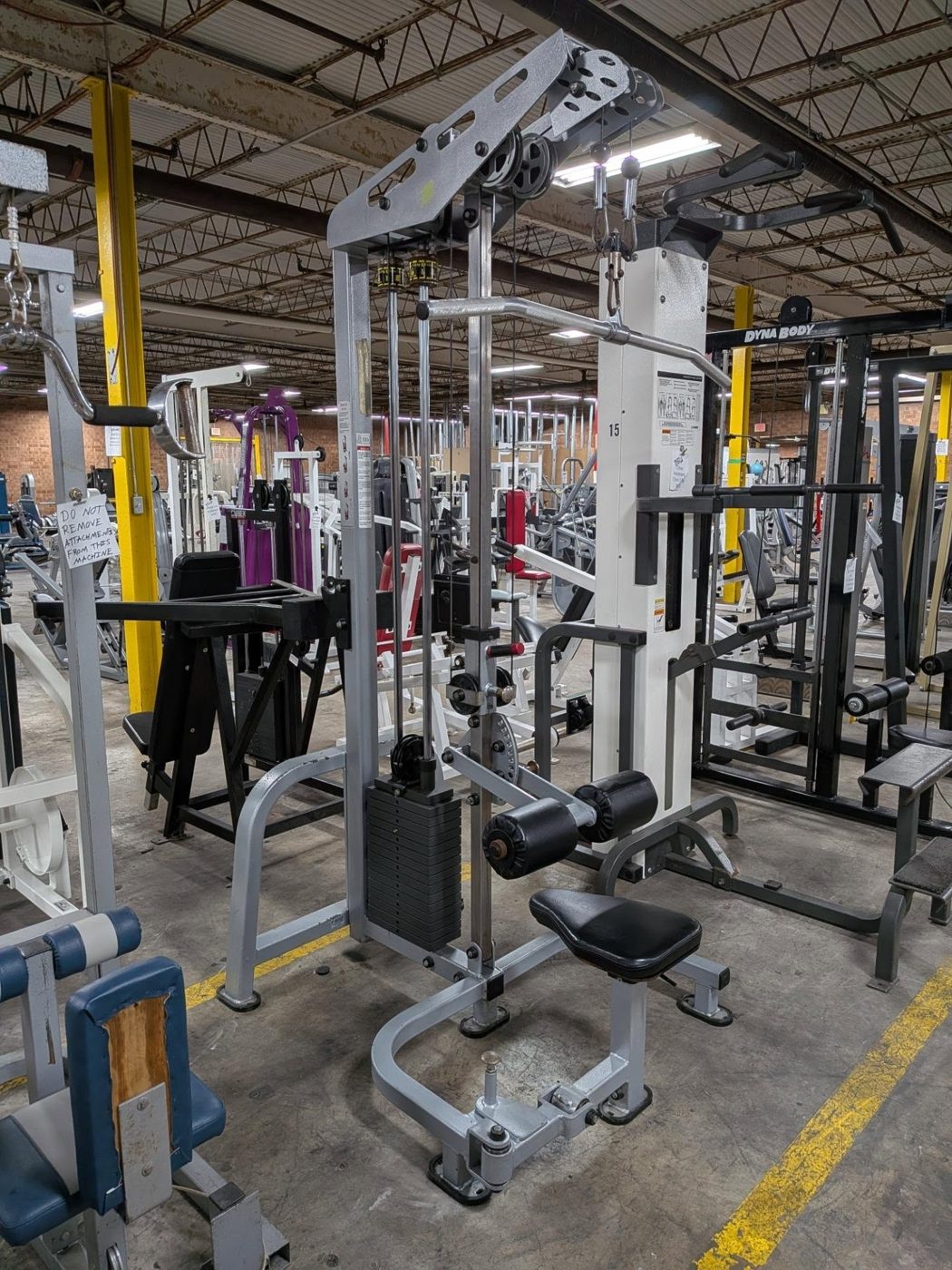
Three days a week, every muscle, every session. This beginner full body plan uses gym machines and free weights.
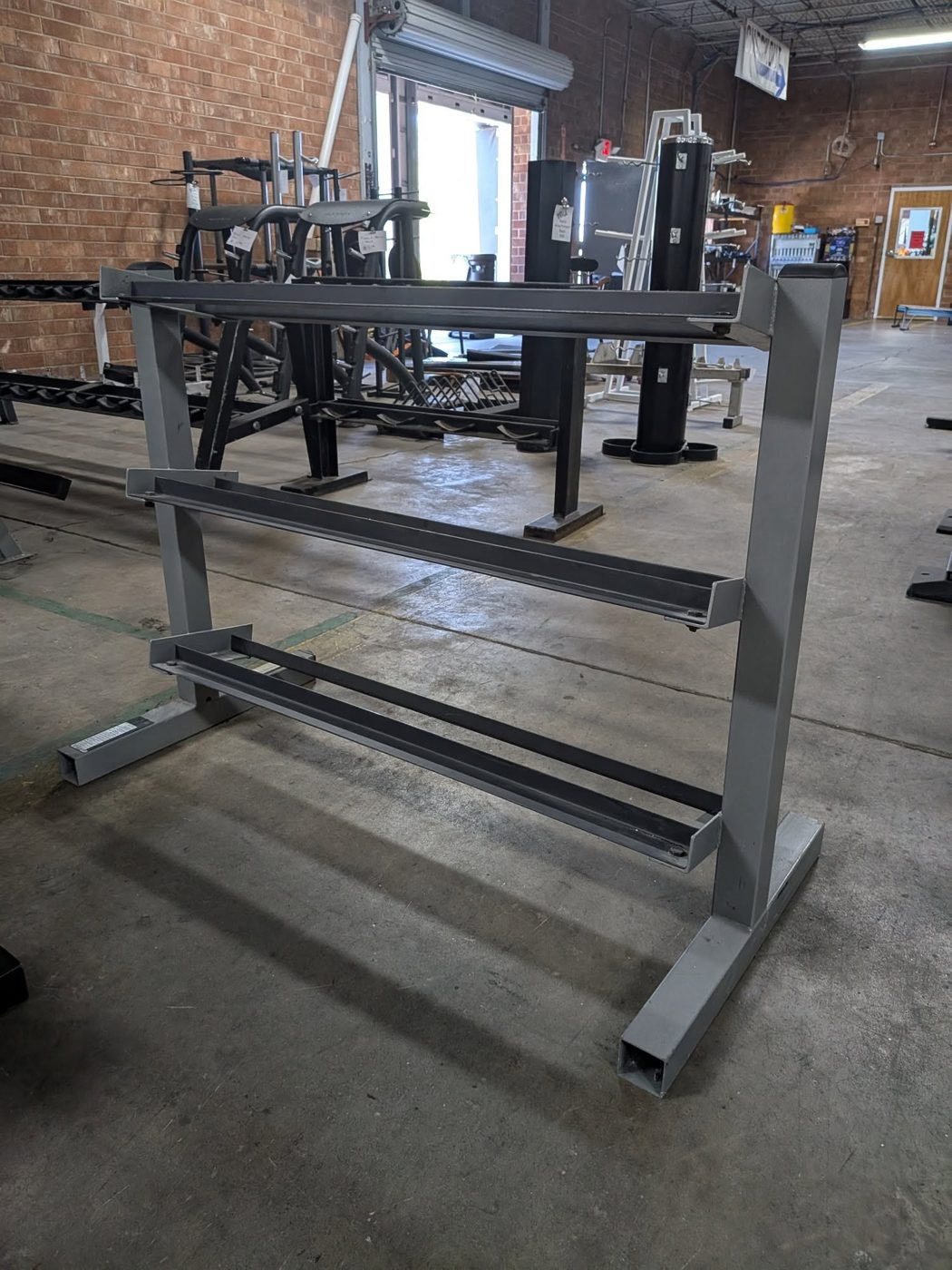
Built your home gym? Here's a 4-week beginner program to put it to work, three days a week.
Building glutes takes the right exercises and progressive loading. Here are the best and a ready-made workout.
Face pulls strengthen the often-neglected rear delts and upper back. Here's how to do them right.
Pick up something heavy and walk. The farmer's carry is simple, brutal and incredibly effective.
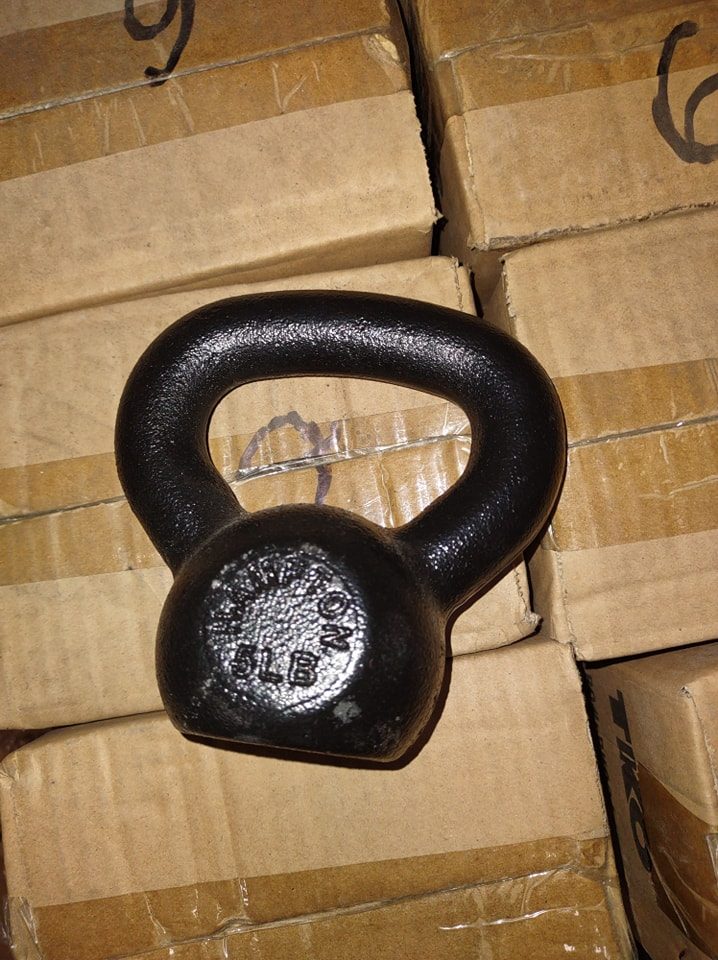
Holding a weight at your chest makes great squat form almost automatic. Here's how to master the goblet squat.
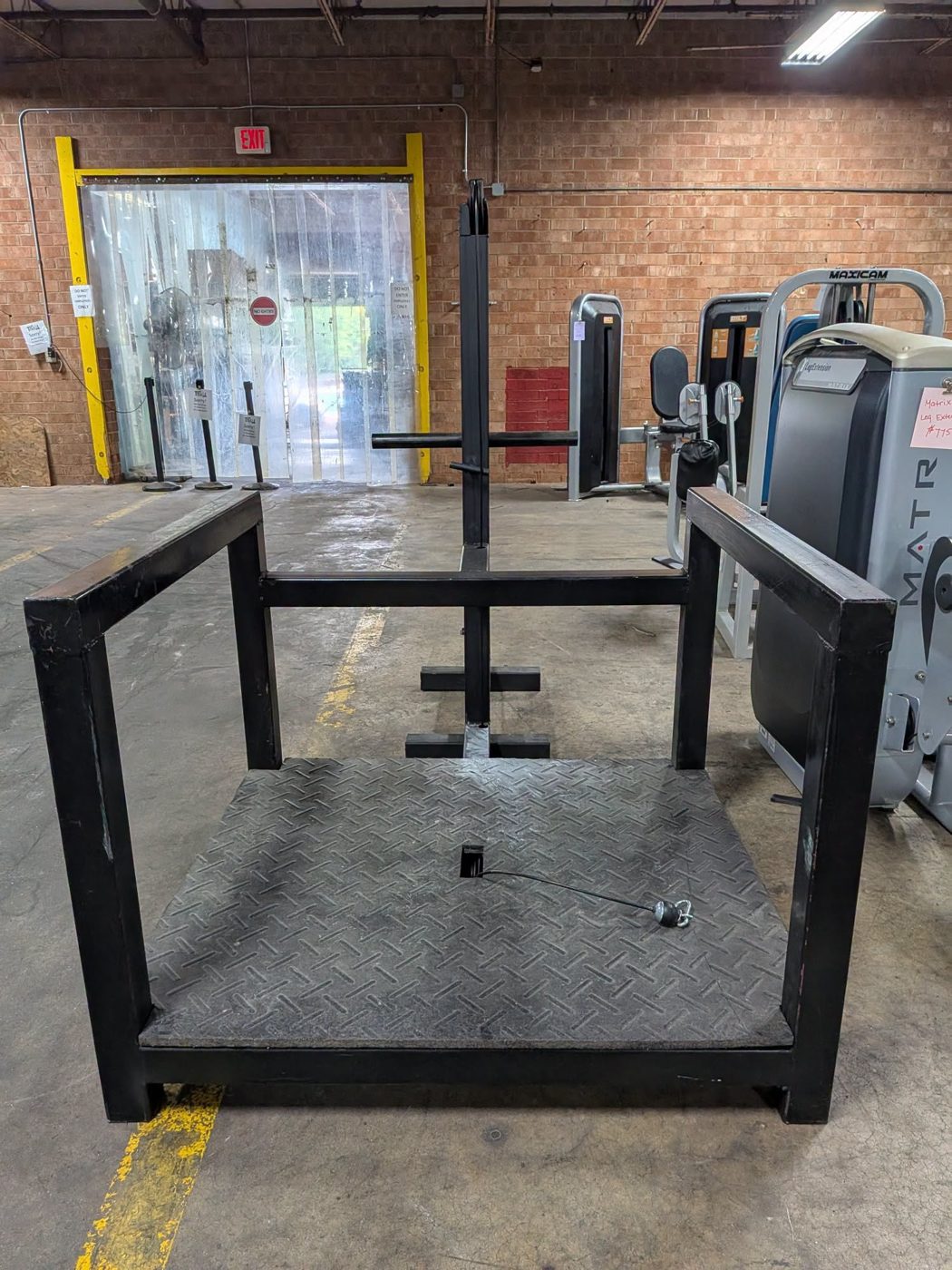
Both are leg-day staples. Here's how the hack squat and leg press compare and how to use each.
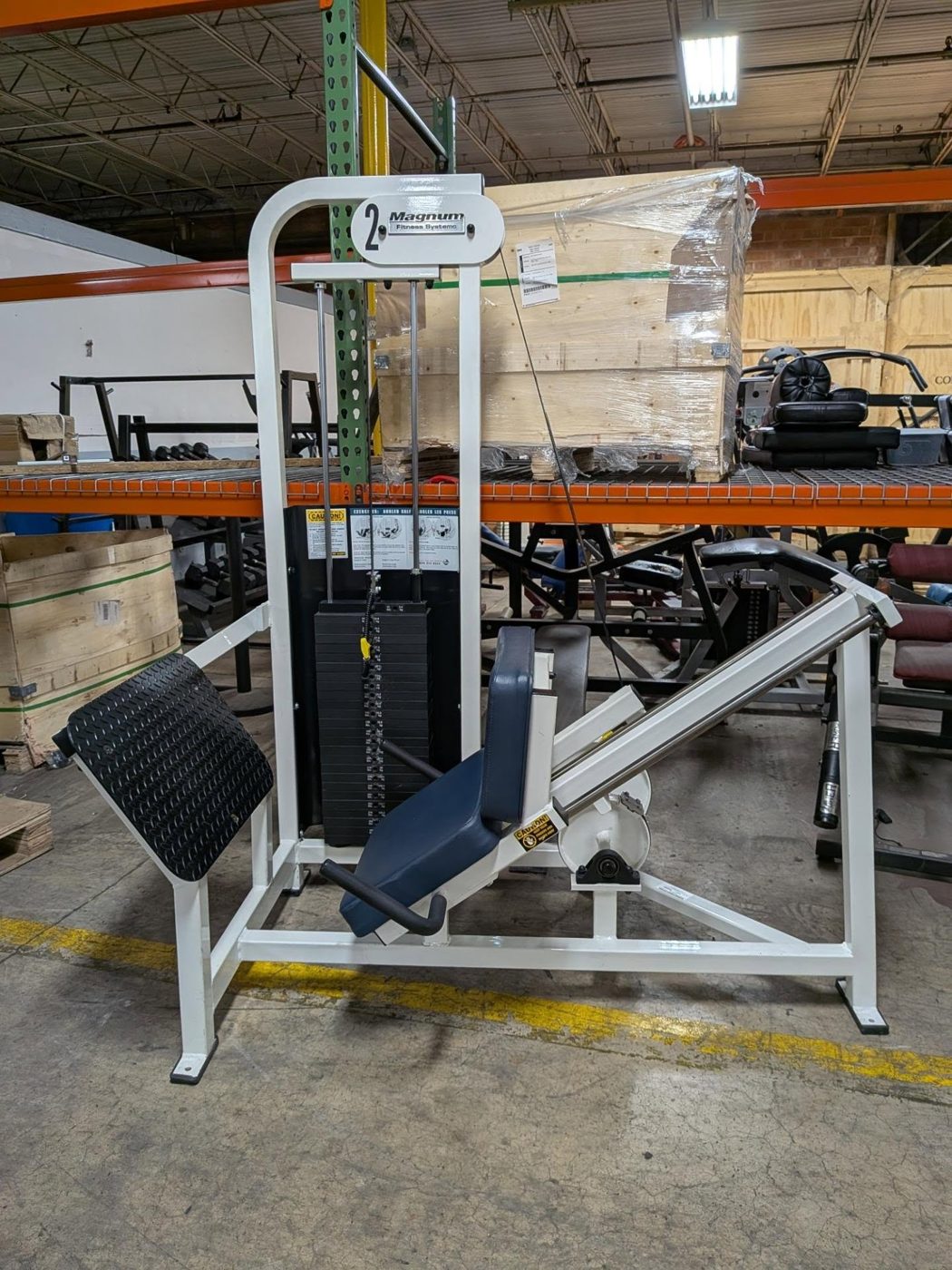
Where you put your feet on the leg press changes which muscles do the work. Here's the guide.
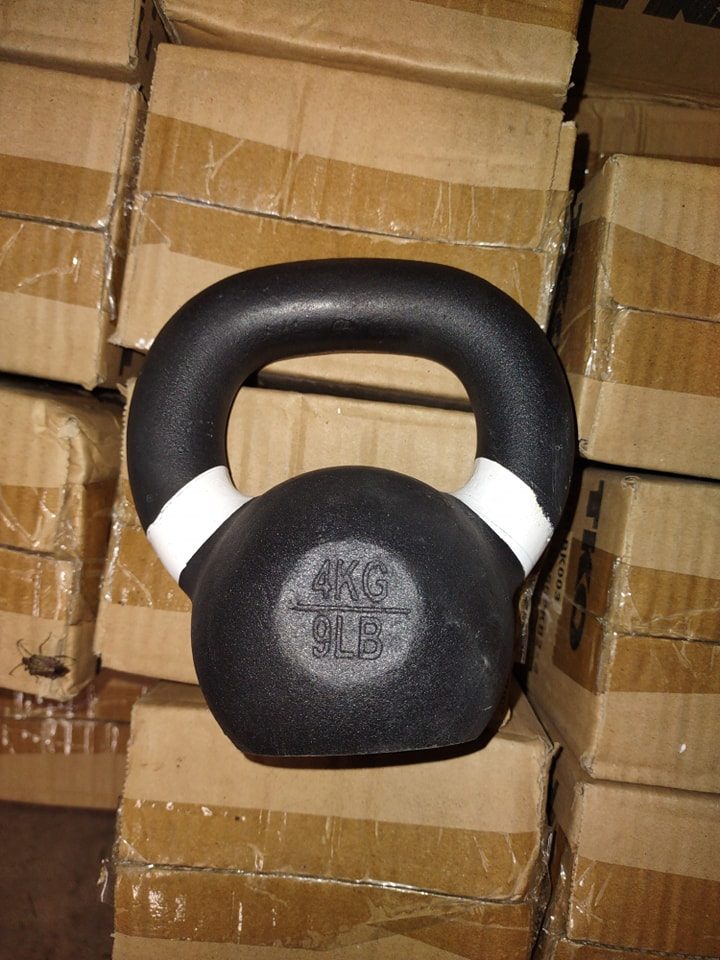
The overhead press builds strong shoulders and a solid core. Here's how to press with good form.
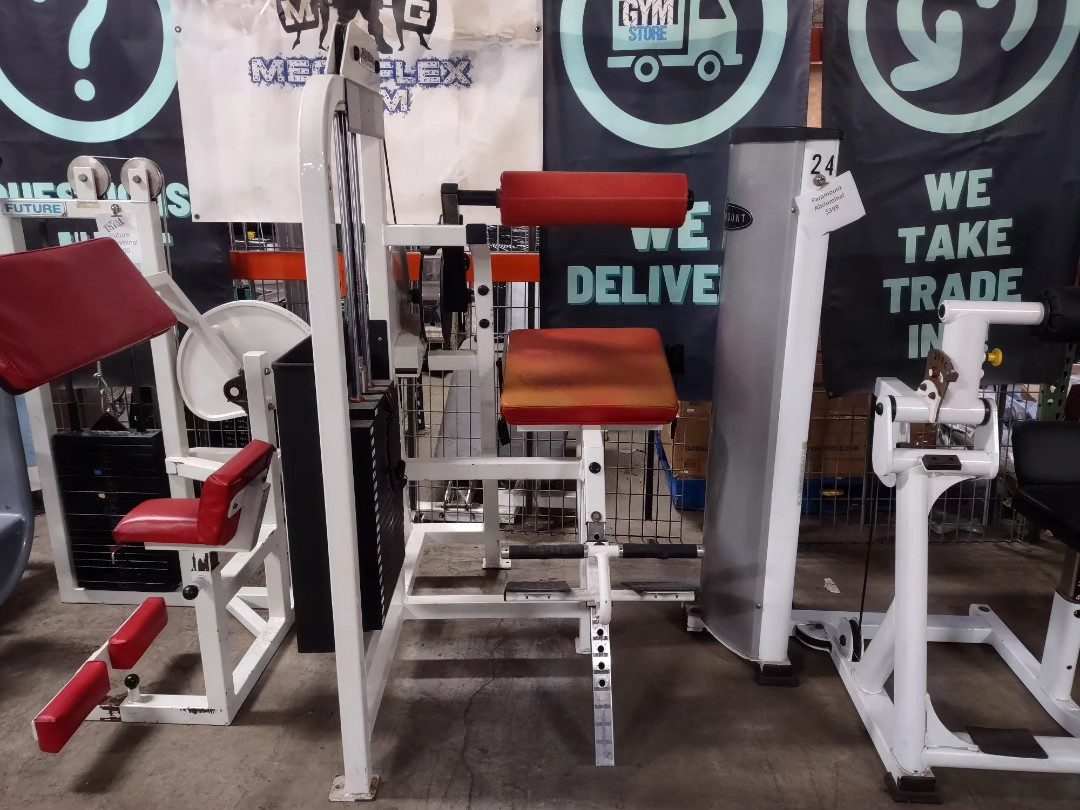
Can't do a pull-up yet? This progression plan takes you from hangs to your first full rep.
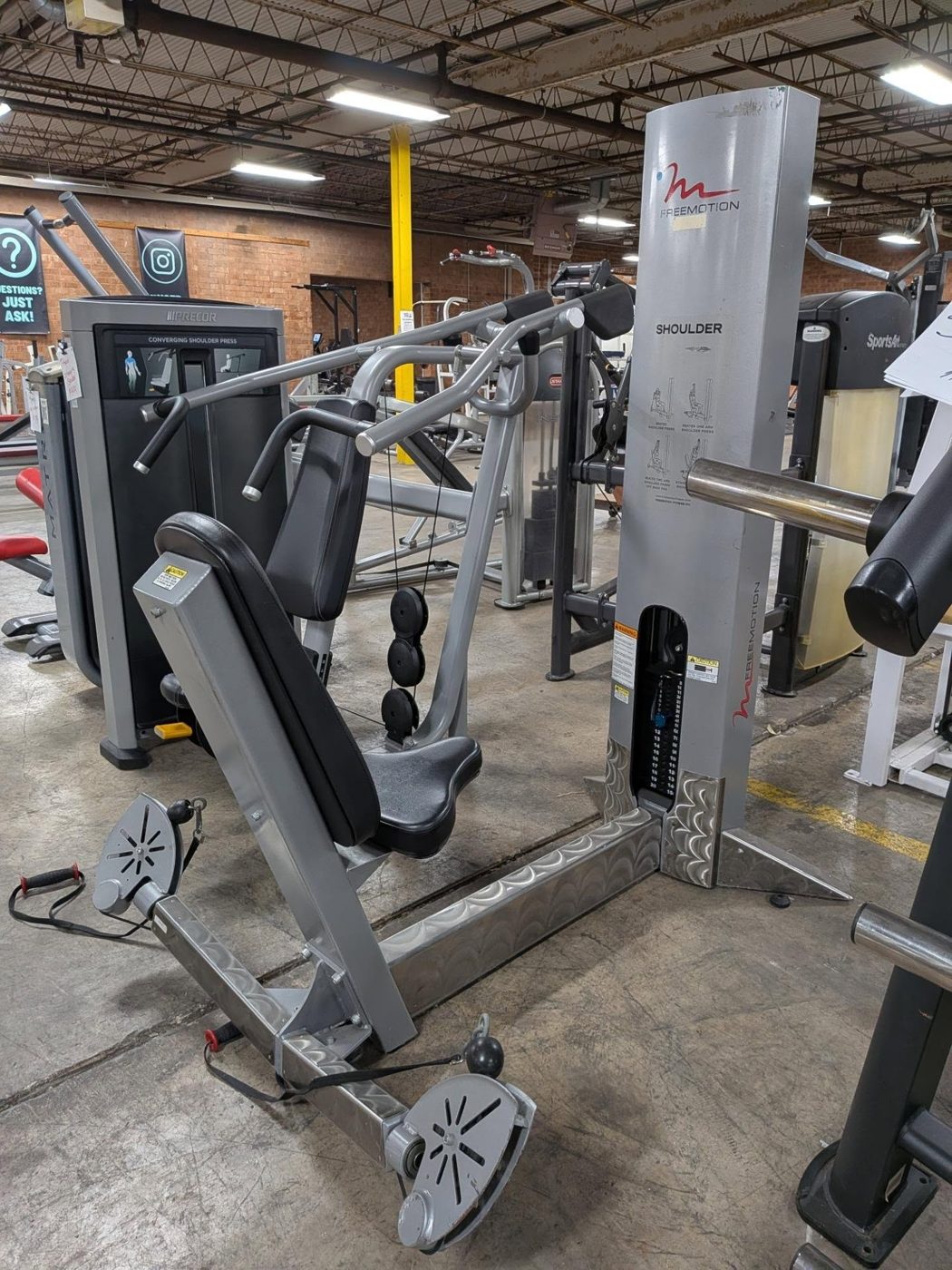
A barbell in a corner or landmine attachment unlocks a whole toolbox of exercises. Here are the best ones.
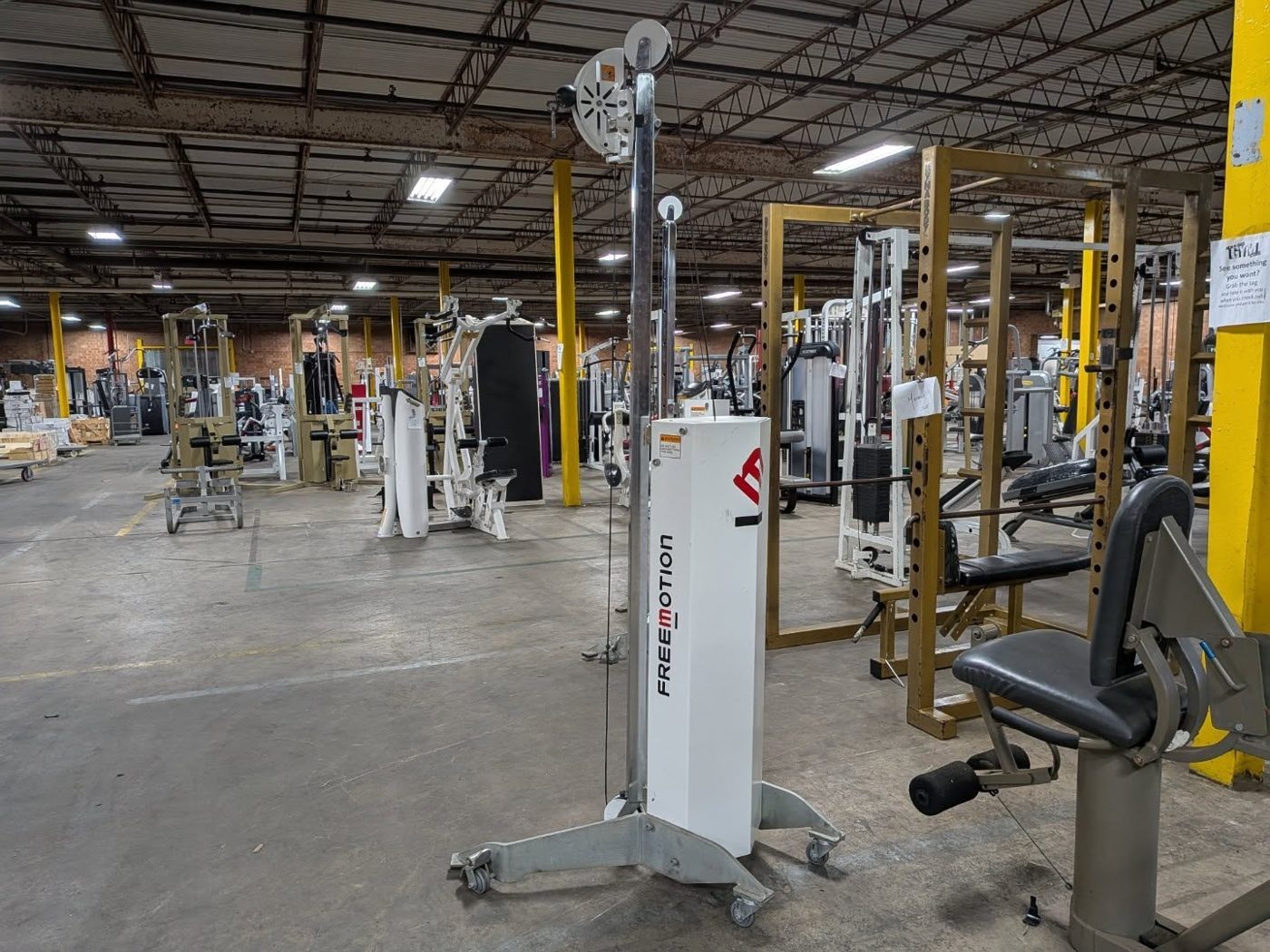
One cable machine, 30 exercises. Here's the complete list with attachments and pulley heights.
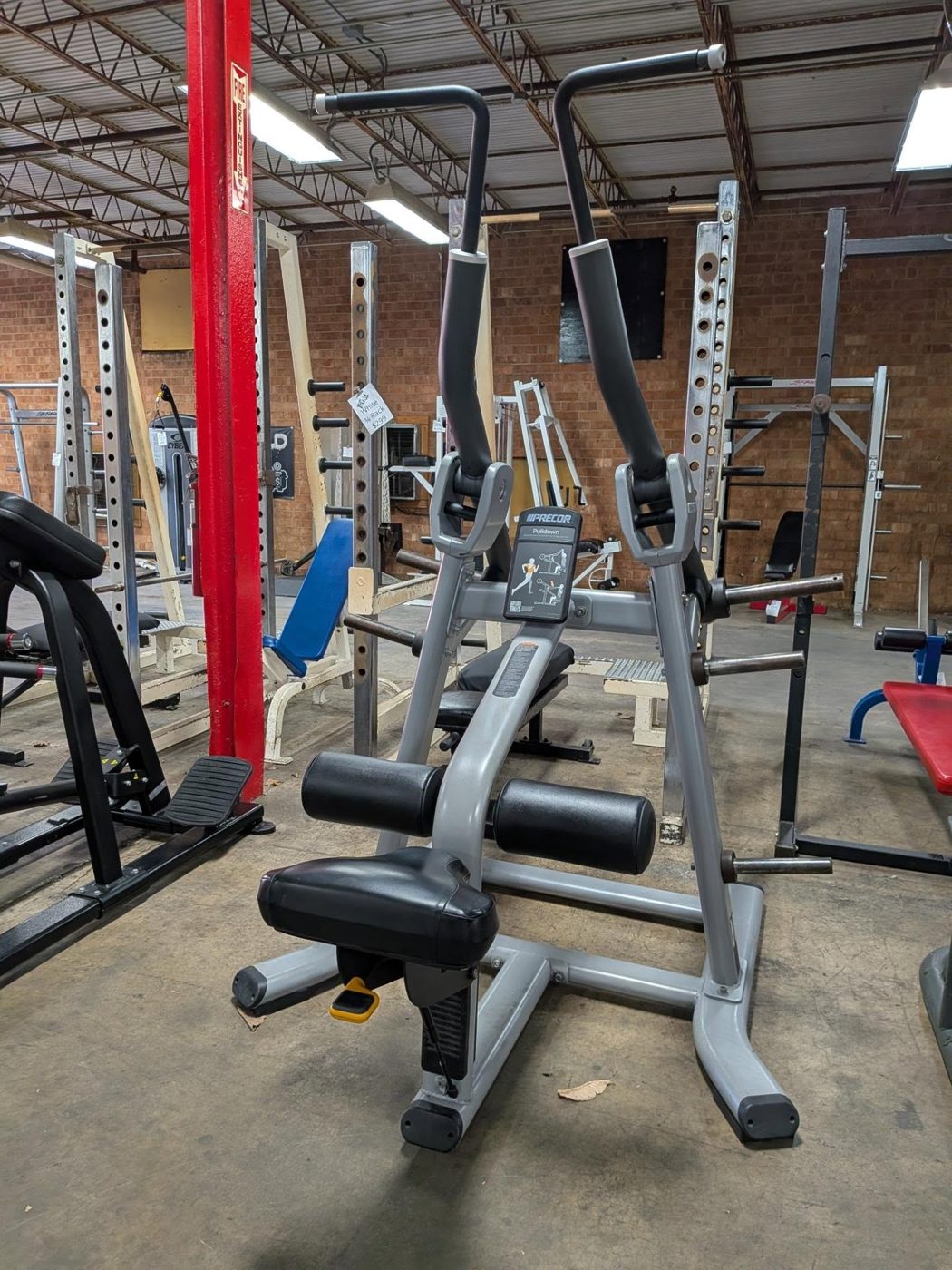
The lat pulldown builds a wider back if you pull with your back, not your arms. Here's how.
Loved and hated in equal measure, the Bulgarian split squat builds legs with minimal equipment. Here's how to nail it.
The hip thrust is a top glute builder. Here's how to set up the barbell, machine and bench versions.
The Romanian deadlift is one of the best hamstring and glute builders. Here's how to do it right.
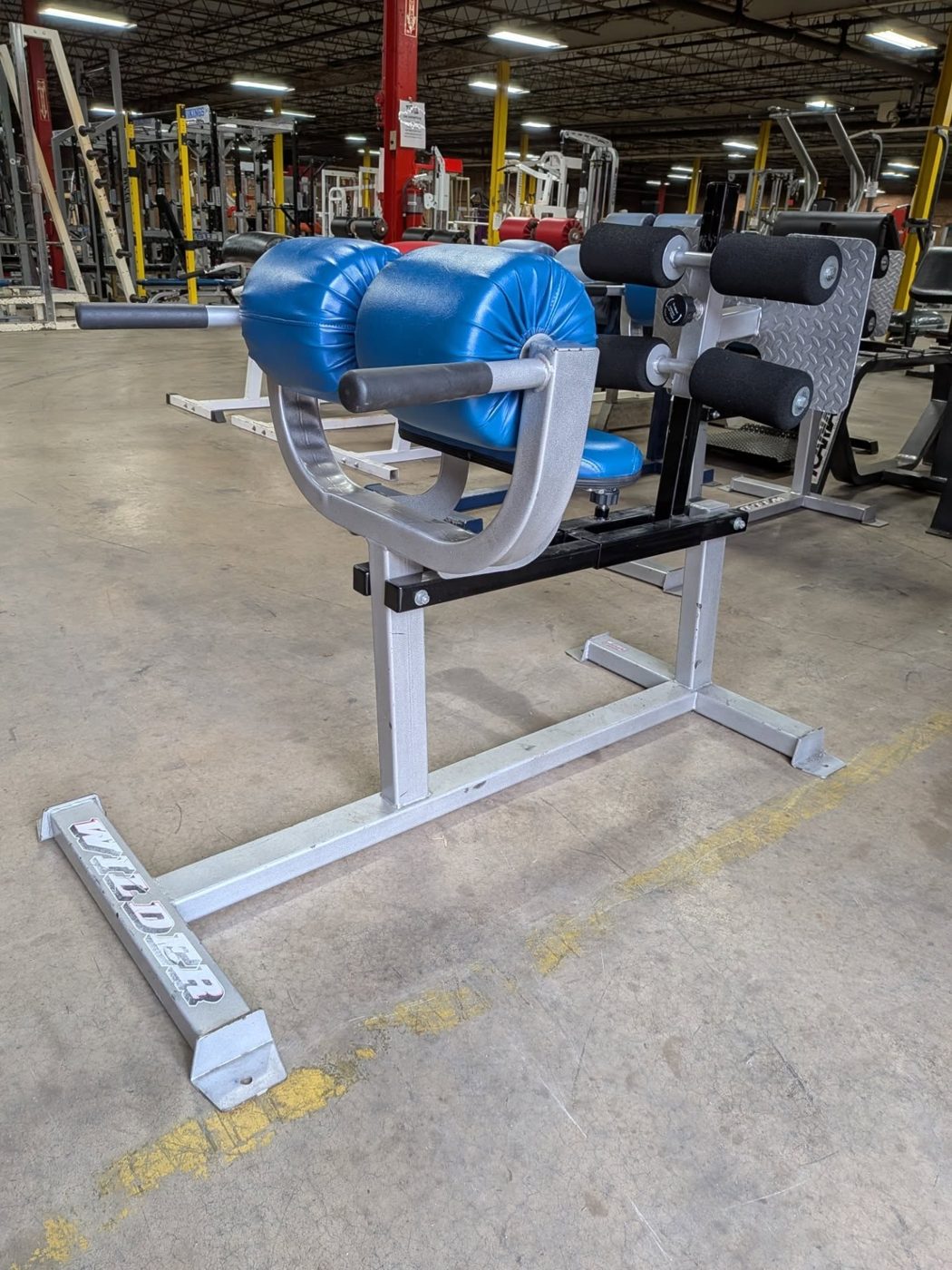
The squat is the king of lower-body exercises. Here's how to set up, descend and stand up with great form.
The deadlift builds total-body strength like nothing else. Here's how to set up, pull and lower the bar safely.
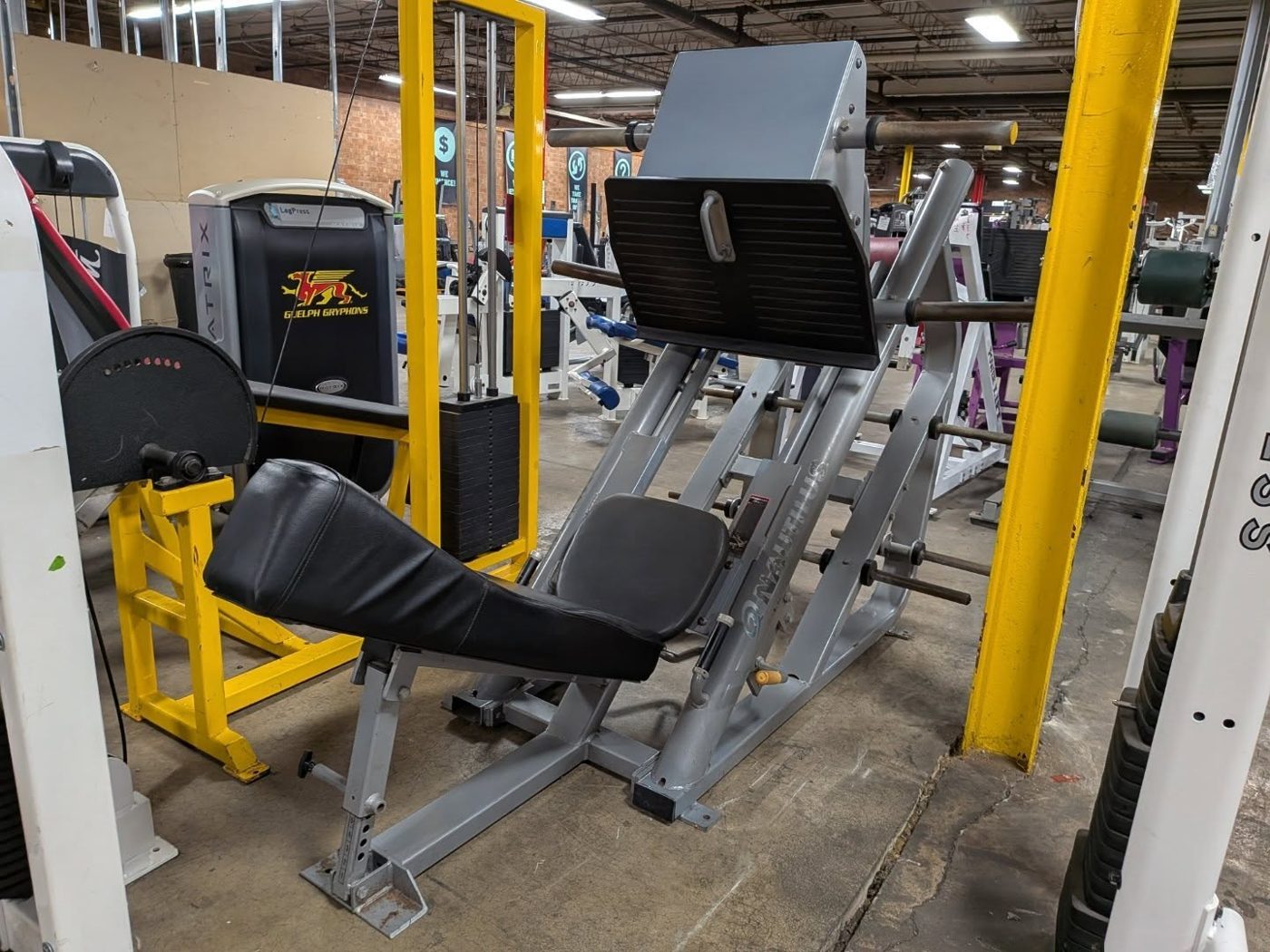
Machines don't start at zero. Here's how much Smith bars and leg press sleds typically weigh, and how to find yours.
Cable machines look complicated but are simple once you know the three settings. Here's how to set one up for any exercise.
Treadmills are heavy, awkward and easy to damage. Here's how to move one safely, including up and down stairs.
Peak horsepower is marketing; continuous horsepower is what matters. Here's how much motor you actually need.
Most elliptical squeaks come from a loose bolt or dry pivot point. Here's how to find and fix the noise.
Setting the damper to 10 doesn't make you fitter. Here's what the damper actually does and the best setting for you.
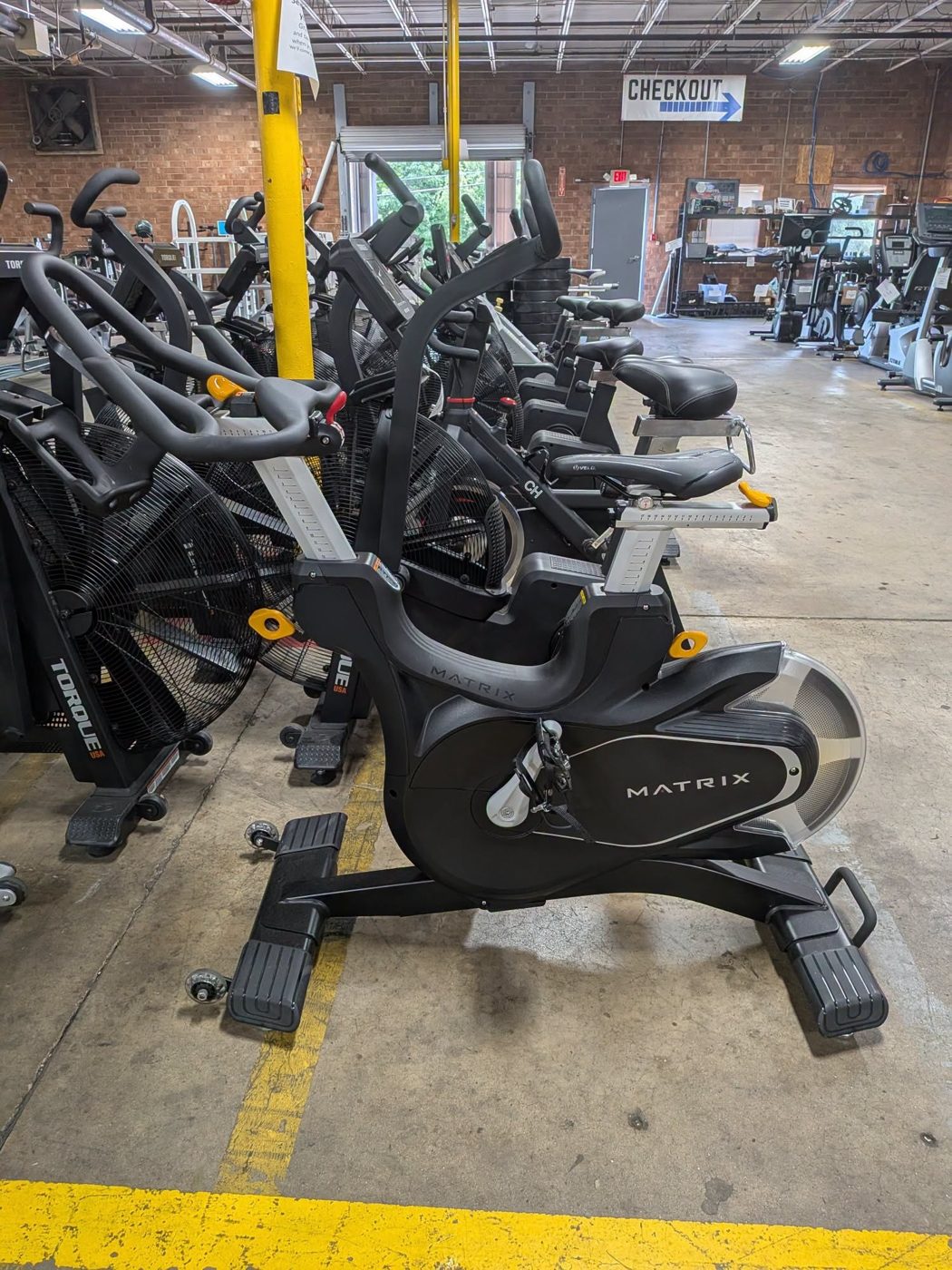
Rubber flooring lasts for decades if you clean it right. Here's how to clean, disinfect and de-smell your gym mats.
Some racks must be bolted down; others are stable on their own. Here's how to tell and what to do if you can't drill.
Most power racks go together in two to four hours with two people. Here's the order, tools and checks that make it painless.
A few minutes of lubrication can add years to your treadmill's motor and belt. Here's exactly how to do it.
A slipping treadmill belt is usually a quick fix with an Allen wrench. Here's how to diagnose it and adjust it safely.
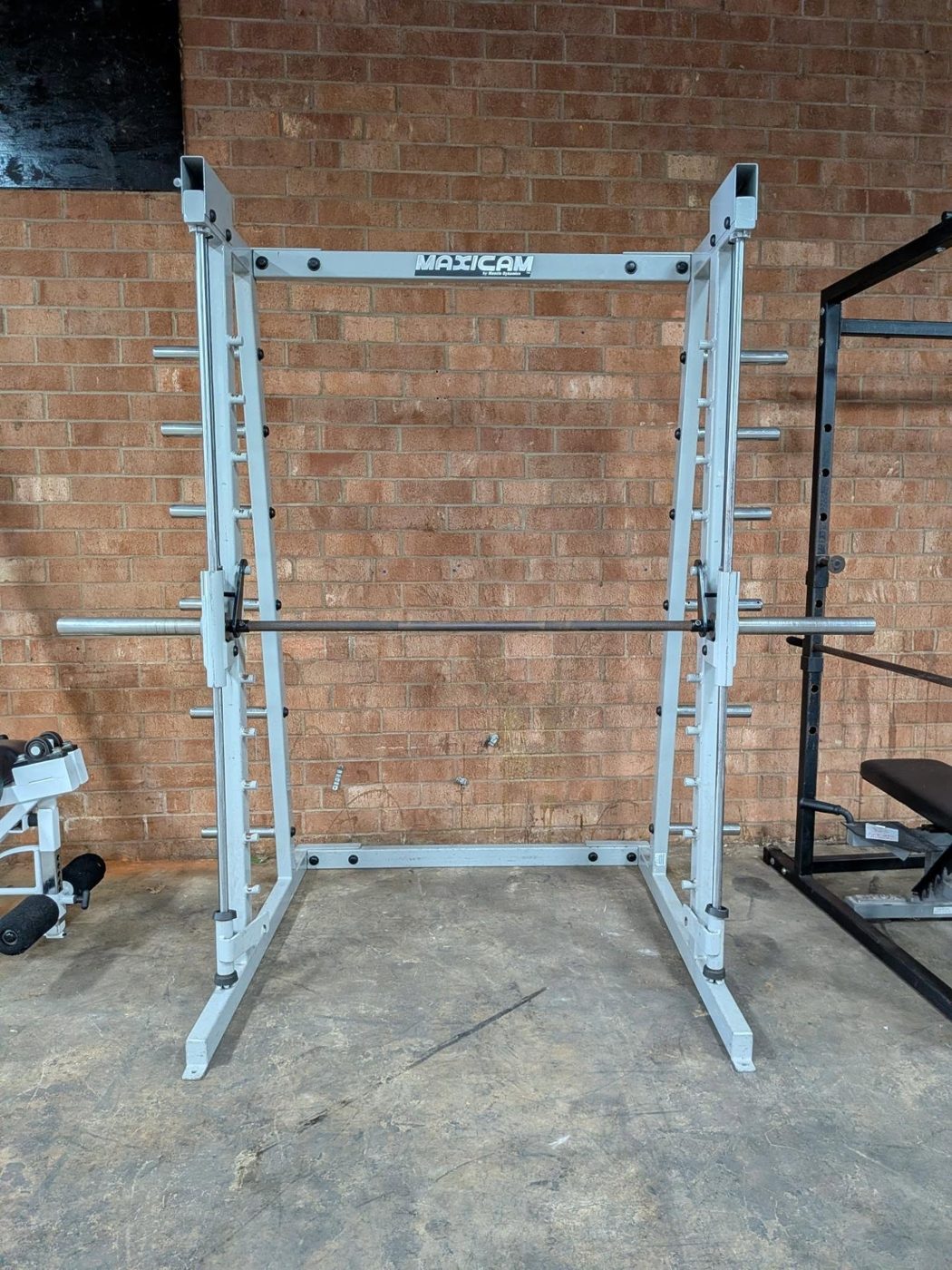
The Smith machine is one of the easiest ways to lift heavy alone, once you know how the hooks and safeties work. Here's a step-by-step guide.
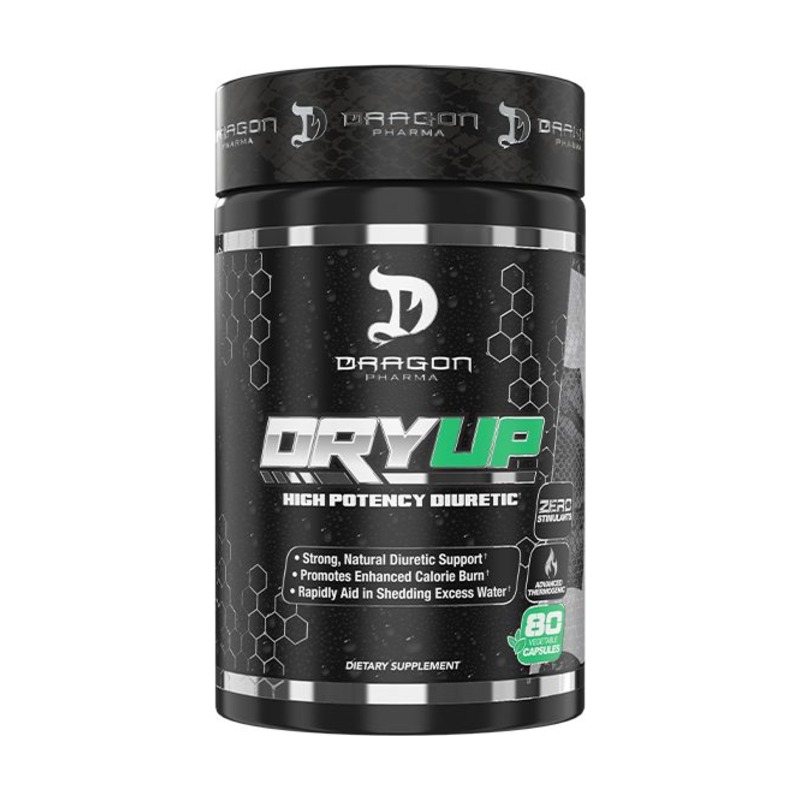
Timing helps some supplements work better and avoids interactions. Here's a simple daily schedule.
Creatine and protein are the two most proven muscle supplements. Here's why taking them together is simple and effective.
A smart cutting stack helps you keep muscle and control hunger. Here's what to include.
A muscle building stack doesn't need ten products. Here's an evidence-based stack with doses and timing.
Counterfeit supplements can contain the wrong ingredients or contaminants. Here's how to spot fakes and buy authentic products.
The supplement industry sells plenty of hype. Here are the most overrated products and what to spend your money on instead.
A supplement label tells you a lot if you know where to look. Here's how to decode one in under a minute.
Both programs protect athletes from contaminated supplements, but they work a little differently. Here's how.
Supplements aren't approved before they're sold. Third-party testing is how you know what's really in the bottle.
Carb powders fuel long sessions and make bulking easier. Here's how the main types compare.
Skip the expensive tub. These homemade mass gainer shakes use simple ingredients and pack serious calories.
A dirty bulk gains weight fast; a clean bulk gains better weight. Here's how they compare.
Gaining weight is hard when you're naturally thin. Here's a step-by-step plan to gain healthy weight and muscle.
A mass gainer adds calories; whey adds protein. Here's which one fits your goal.
If you struggle to eat enough, a mass gainer can help. Here's how to pick one that doesn't just pile on sugar.
Tired all the time? Here's which energy and focus supplements work, and when low energy needs a doctor instead.
Sore after leg day? These recovery supplements have evidence, though sleep and food matter most.
Only a handful of muscle building supplements have strong evidence. Here they are, ranked.
Teens are not small adults. Here's what parents and young athletes should know about supplements.
Plant-based athletes can thrive with a few key supplements. Here's what to consider.
Endurance athletes have different needs from lifters. Here's which supplements support running performance and recovery.
Menopause changes how your body builds muscle and bone. Here's which supplements can support active women through it.
After 40, the goal shifts to keeping muscle, heart health and energy. Here's which supplements support that.
Women who lift have a few unique nutrient needs. Here's which supplements are worth considering at every age.
New to the gym? You need far fewer supplements than ads suggest. Here's the short list that's actually worth it.
CoQ10 helps your cells make energy. Here's what supplementing can do and which form to choose.
Some supplements have real evidence for cholesterol and blood pressure. Here's what works and what to discuss with your doctor.
Your liver doesn't need a 'detox.' Here's what liver support supplements can and can't do, and which supplements to be careful with.
ZMA is marketed for sleep, recovery and testosterone. Here's what research actually supports.
Probiotics are strain-specific, which makes choosing one tricky. Here's how to pick a probiotic that matches your goal.
Most testosterone boosters overpromise. Here's which ingredients have evidence and what really moves the needle.
Sleep is the most powerful recovery tool you have. These supplements may help, alongside good sleep habits.
Heavy training is tough on joints. Here's which joint supplements have evidence and which are mostly hope.
Collagen peptides are popular for skin and joints. Here's what research supports and how to choose a quality product.
Greens powders promise a garden in a scoop. Here's what they can realistically do and how to pick a good one.
Ashwagandha is one of the best-studied adaptogens. Here's what it can and can't do.
D3 and K2 are often sold together for bone and heart health. Here's what each does and how much to take.
Magnesium comes in many forms, and they're not interchangeable. Here's which type to choose for sleep, cramps and recovery.
Not all fish oil is equal. Here's how to read the label for EPA, DHA, freshness and purity.
A multivitamin is nutritional insurance, not a performance booster. Here's how to choose a good one for an active lifestyle.
A good meal replacement is more than a protein shake. Here's what to look for and how to use one for weight loss.
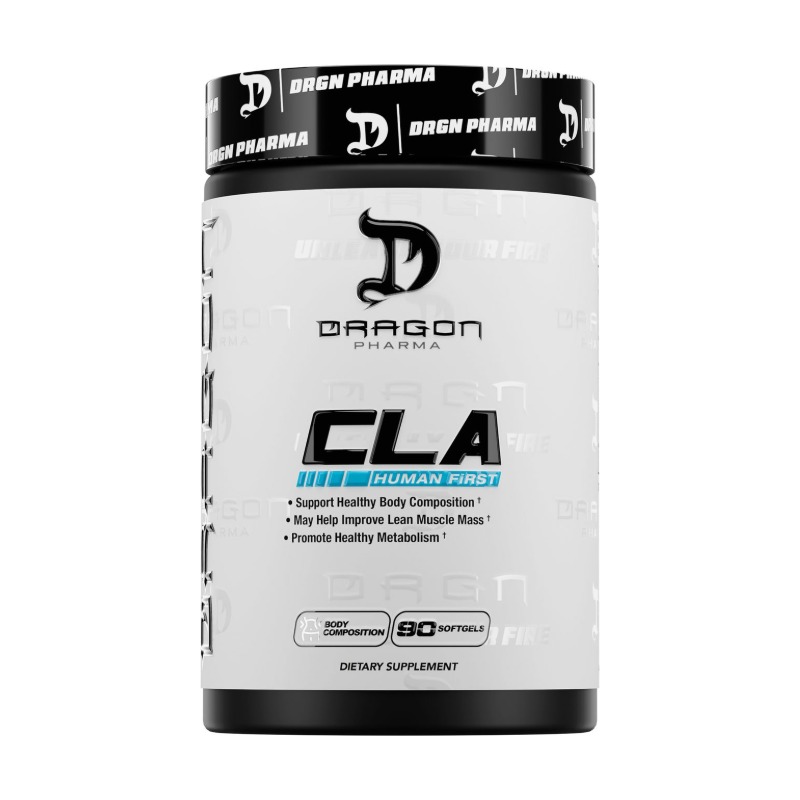
CLA is a popular fat loss supplement with a modest track record. Here's what research shows.
GLP-1 medications reduce appetite dramatically, which can mean losing muscle. Here's how protein and smart supplements can help.
Berberine went viral as 'nature's Ozempic.' Here's what the research actually shows.
Supplements marketed as 'natural GLP-1' are everywhere. Here's what's real and how they compare to prescription medications.
Controlling hunger is half the battle in fat loss. Here's which natural appetite suppressants have evidence.
The most useful weight loss supplements aren't flashy. Here's what research actually supports.
L-carnitine shuttles fat into your cells to be burned. But does supplementing help you lose weight? Here's what research shows.
Fat burners promise a lot. Science shows a much smaller effect. Here's the honest answer.
Most fat burners overpromise. Here's which ingredients have real evidence, how big the effects are and what to avoid.
Sodium is the key ingredient most people overlook. Here's how to choose an electrolyte powder that fits your training.
For long or intense sessions, what you drink during training can matter. Here's when intra-workout supplements help.
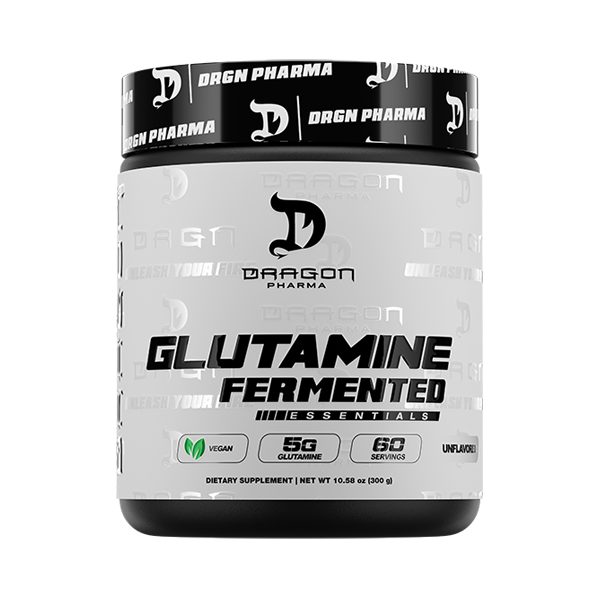
Glutamine is the most abundant amino acid in the body. Here's what supplementing actually does.
BCAAs were a gym staple for years. Research now tells a more nuanced story. Here's whether they're worth buying.
An EAA supplement can fill gaps when protein intake is low. Here's how to choose an effective one.
BCAAs are three amino acids; EAAs are all nine essentials. Here's why that difference matters for muscle.
Coffee is cheap and effective. Pre-workout adds extra ingredients. Here's which one makes sense for you.
Pre-workouts range from 0 to 400 mg of caffeine per scoop. Here's how much you actually need and where the limits are.
Beta-alanine helps you push through burning sets and intervals. Here's how it works and how to take it.
Both raise nitric oxide, but the doses differ. Here's how to compare L-citrulline and citrulline malate.
Pump supplements aim to increase blood flow to working muscles. Here's which ingredients actually work.
Most pre-workouts kick in within 30 minutes and last a few hours. Here's how to time yours.
Itchy face, racing heart, afternoon crash? Here's what causes common pre-workout side effects and how to avoid them.
Women's pre-workouts are often just lower-caffeine formulas. Here's what to look for in any pre-workout.
Trying pre-workout for the first time? Start mild, start small and learn how your body responds.
Train late or sensitive to caffeine? A stim-free pre-workout can still boost pump and endurance.
Pre-workout can boost energy, focus and pump. Here's what each common ingredient actually does.
The best pre-workouts use proven ingredients at real doses. Here's how to read the label and pick one that works.
An old study raised doubts about mixing creatine and caffeine. Here's what newer research says.
Creatine cycling is a gym myth for most people. Here's what research says about taking creatine long term.
Unflavored creatine is cheap and versatile; flavored is easy to drink alone. Here's how to choose.
Combined with strength training, creatine may help older adults hold on to muscle and strength. Here's what research shows.
Yes, a little, but not the kind of weight most people worry about. Here's what's happening on the scale.
HCL is marketed as more soluble and less bloating. Here's whether it actually beats monohydrate.
Creatine is very safe, but it has a few known side effects and some persistent myths. Here's the truth.
Pre-workout, post-workout or with breakfast? Here's what research says about creatine timing.
Loading gets you there faster, but you'll end up in the same place either way. Here's how to decide.
3 to 5 grams is the magic number for most people. Here's the full creatine dosage guide.
Creatine isn't just for men. Here's what research shows about creatine for women, how to take it and what to expect.
Creatine gummies are convenient, but testing has raised questions about what's really in them. Here's how to choose wisely.
Creatine helps your muscles regenerate energy for hard efforts. Here's how it works and what the research says about its benefits.
Creatine is one of the most proven supplements there is. Here's how to choose a pure, effective product without overpaying.
Bloating, gas or breakouts after protein shakes? Here's what causes common protein powder side effects and how to fix them.
Lactose intolerant? You still have plenty of great protein options. Here's how they compare.
Seven easy protein shake recipes, from light smoothies to high-calorie bulking shakes, with approximate macros.
Some protein bars are candy bars in disguise. Here's how to pick bars that actually support your goals.
Want to skip sucralose and acesulfame K? Here's how to find a natural or unsweetened protein powder you'll still enjoy.
Protein powder is generally safe, but quality varies. Here's what to know about heavy metals and third-party testing.
A protein powder only works if you drink it. Here's what makes protein taste great and how to find your favorite.
Whey is fast; casein is slow. Here's how the two milk proteins compare and when to use each.
Clear whey mixes into a light, juice-like drink instead of a milkshake. Here's how it works and who it's for.
Plant protein can build muscle just like whey, if you choose well. Here's what to look for in a vegan protein powder.
Women don't need a special protein powder, but they do need enough protein. Here's how to pick a great one.
Protein keeps you full and protects muscle while you diet. Here's how to choose a protein powder that supports weight loss.
Before your workout, after it, or before bed? Here's what research says about protein timing and what matters more.
The research is clear on how much protein you need to build muscle. Here's the number, how to split it up and how to hit it.
Isolate is more filtered, with more protein and less lactose. Here's whether it's worth the extra cost.
The best protein powder for muscle gain isn't about hype. It's protein per scoop, quality, testing and taste. Here's what to look for.
Black Friday is one of the best times of year to buy fitness equipment. Here's what to expect and how to shop smart.
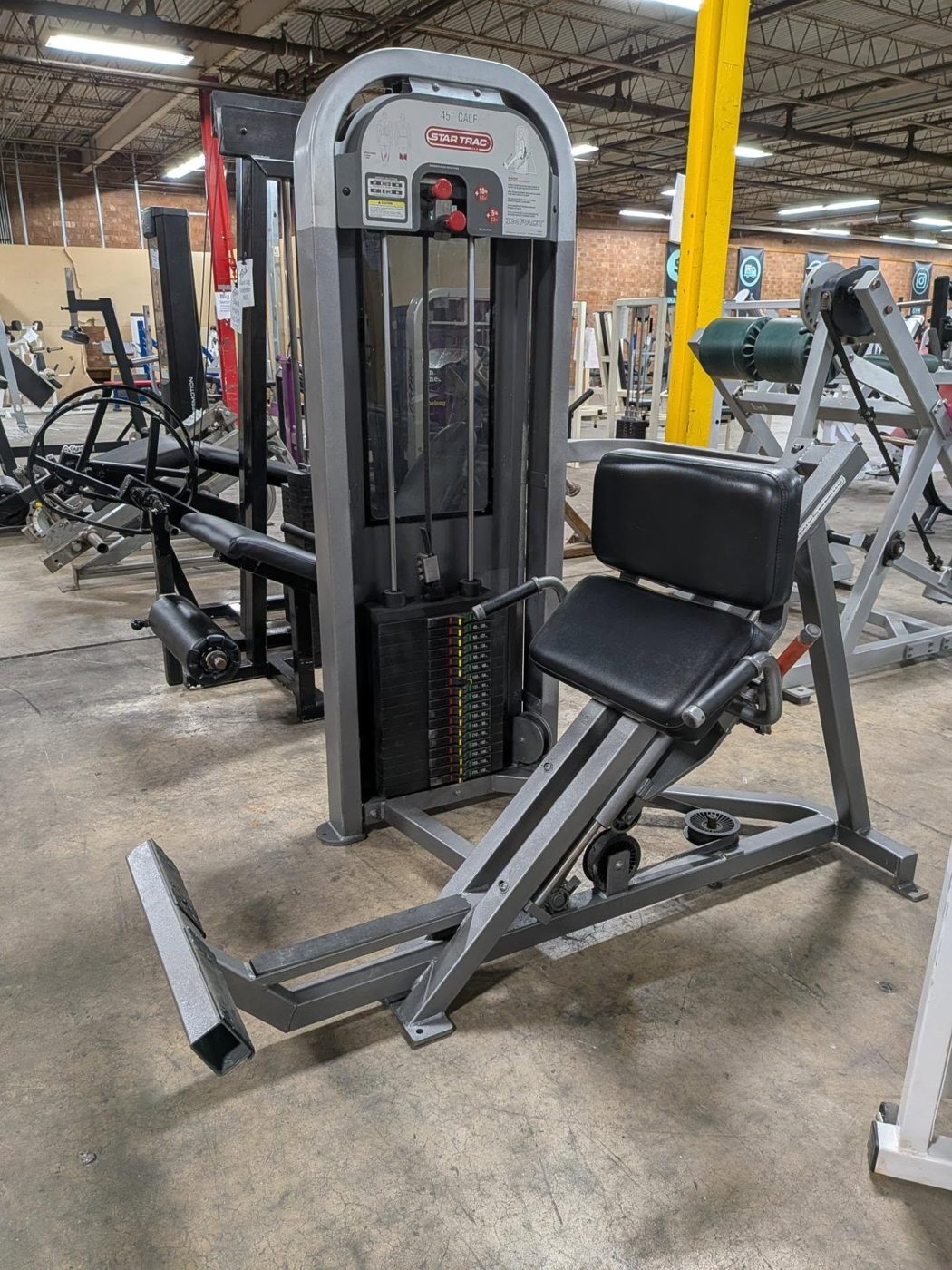
Walking into a gym for the first time? This glossary explains what each machine is called and what it does.
Heavy equipment needs a plan. Here's how gym equipment delivery and installation work and how to avoid surprises.
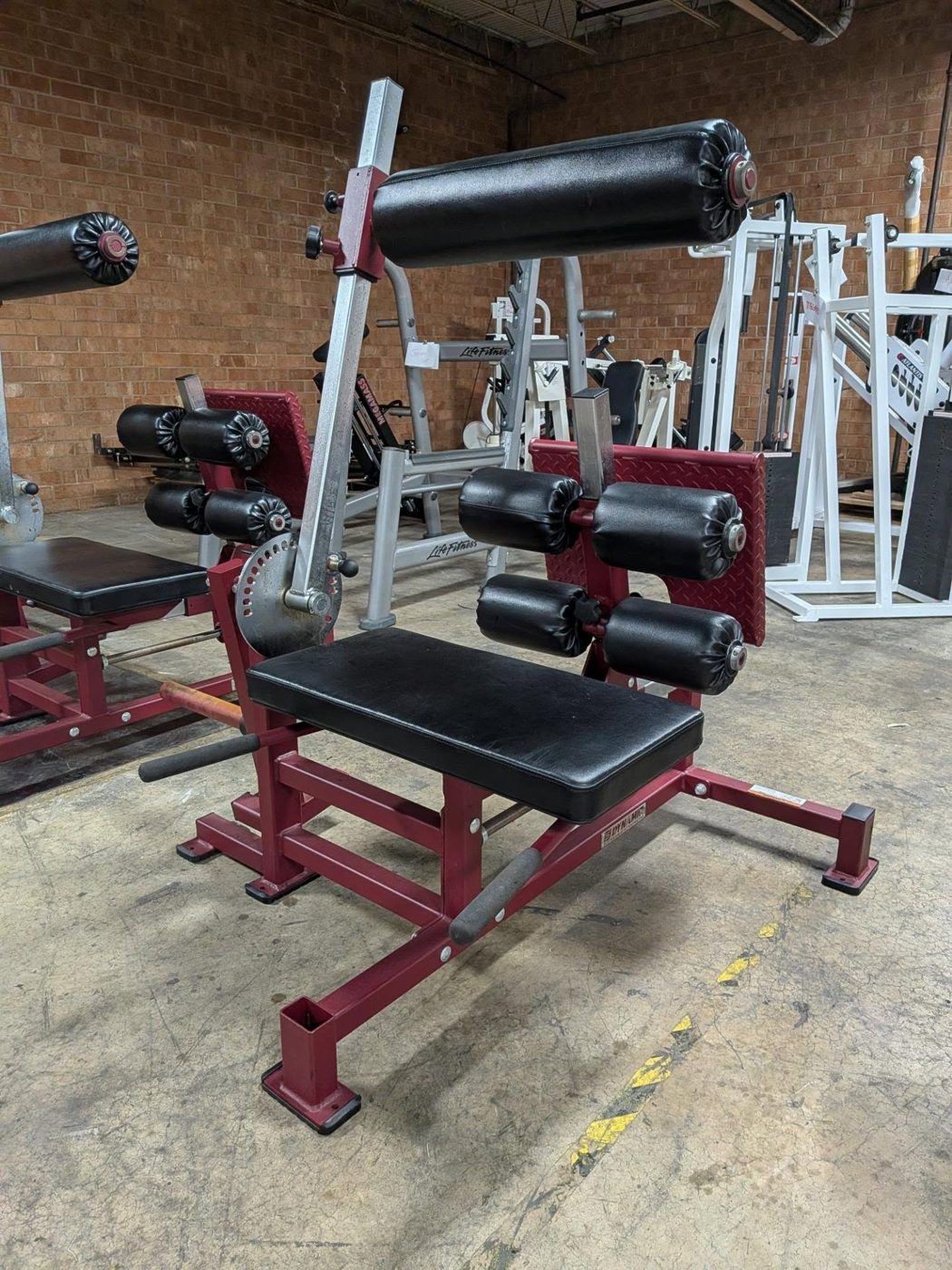
Buying gym equipment wholesale can save thousands, if you choose the right supplier. Here's how to vet them.
Financing or leasing can get a gym open without draining your cash. Here's how each option works and what it really costs.
Straps, wedges, balls and machines can help you stretch deeper and more consistently. Here's what's worth buying.
Compression boots squeeze your legs in pulses to help them feel fresh. Here's how they work and whether they're worth it.
Infrared, traditional or blanket? Here's how home saunas compare on heat, cost and installation.
Cold plunges are everywhere. Here's what the research actually supports, and how to start safely.
From inflatable ice baths to chilled tubs with filtration, here's how to choose a home cold plunge.
Soft, firm, textured or vibrating? Here's how to choose a foam roller and use it effectively.
Both help you feel looser and less sore. Here's how a massage gun and foam roller compare and when to use each.
Amplitude, stall force and noise separate a great massage gun from a toy. Here's what to look for.
Wrist, chest or finger? Here's how fitness trackers compare for lifting, cardio and recovery tracking.
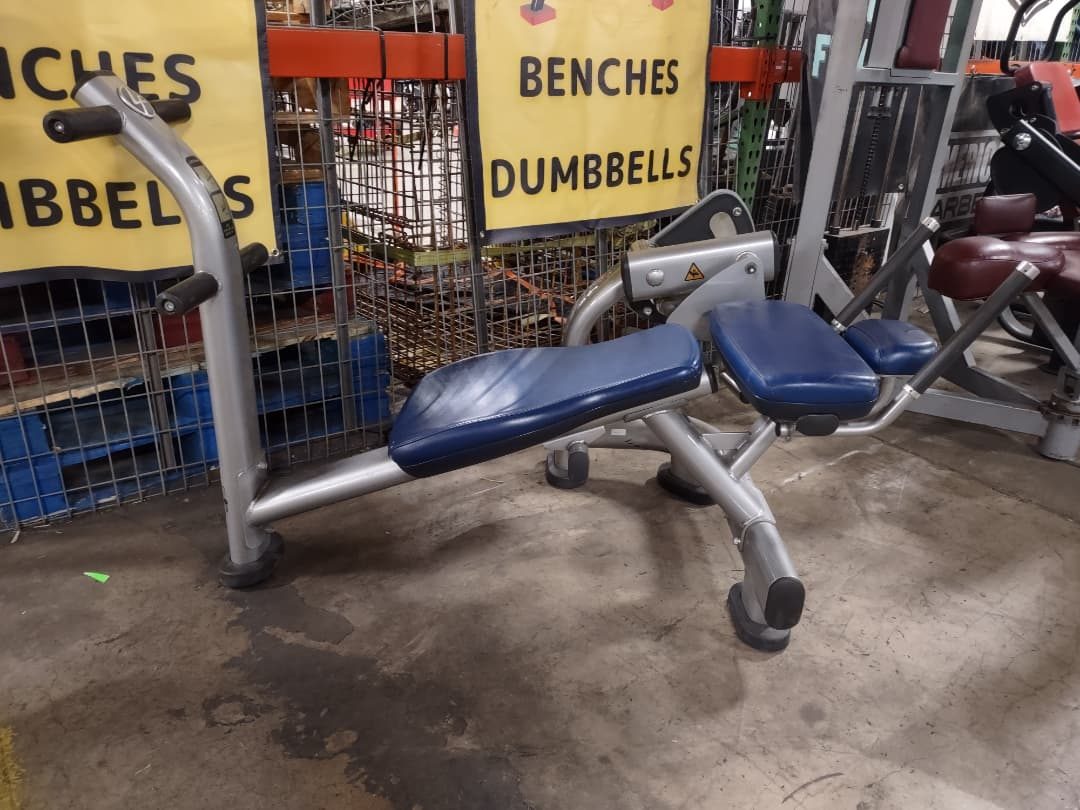
The ab wheel is one of the toughest core exercises you can do. Here's how to choose one and use it safely.
A jump rope is the cheapest cardio machine you'll ever buy. Here's which rope suits beginners, double-unders and conditioning.
A weighted vest makes walks, runs and bodyweight workouts harder. Here's how to choose one and how much weight to use.
Thin for balance, thick for comfort, rubber for equipment. Here's how to choose the right workout mat.
The right shoes can improve your squat depth and stability. Here's how to choose lifting shoes for squats, deadlifts and mixed training.
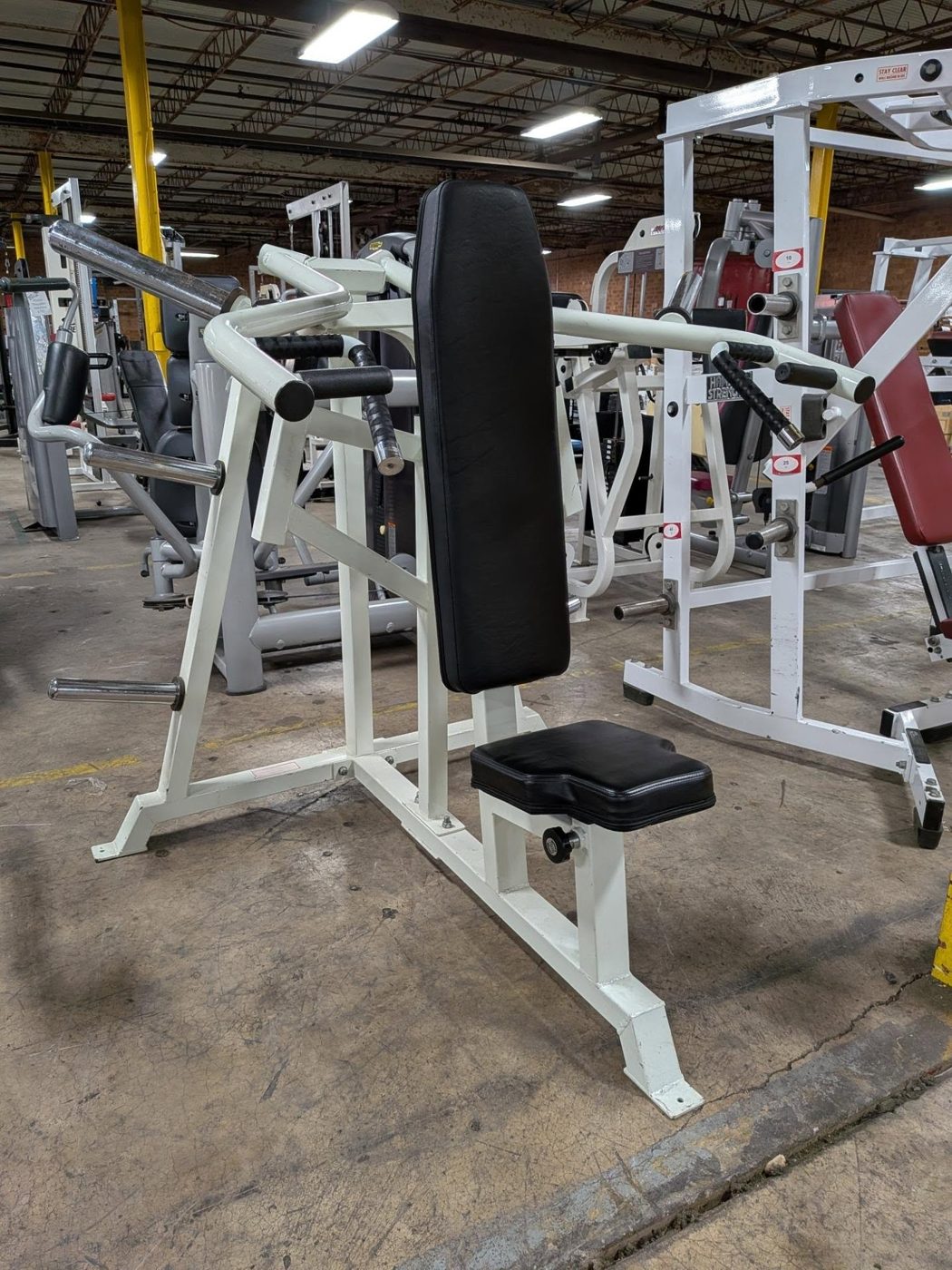
Gloves, chalk or grips? Each protects your hands differently. Here's which one fits your training.
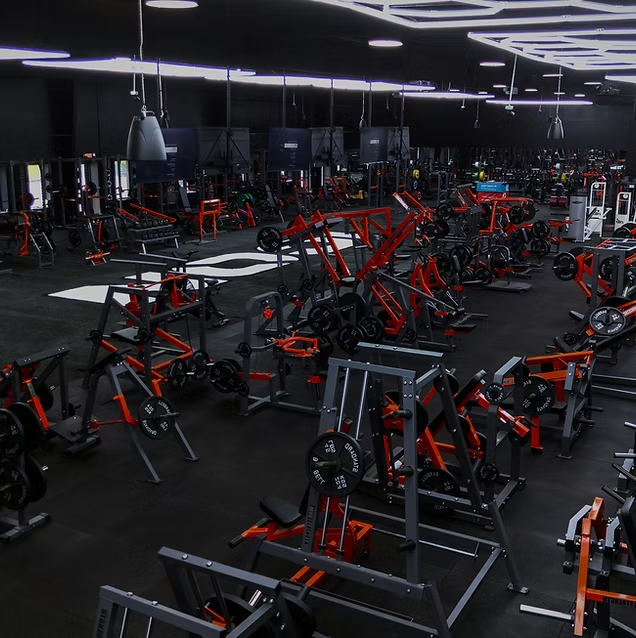
Straps help you hold heavy pulls; wraps support your wrists on presses. Here's how to choose and use both.
A belt doesn't do the work for you, but it can help you brace harder on heavy lifts. Here's when and how to use one.
Lever, prong or velcro? 10 mm or 13 mm? Here's how to choose a lifting belt that fits your training.
No weights? No problem. This full body resistance band workout trains every major muscle with just a few bands.
Bands are cheap, portable and surprisingly effective. Here's which type of resistance band set to buy for your goals.
You don't need thousands to get fit. These budget cardio options deliver real workouts for under $300.
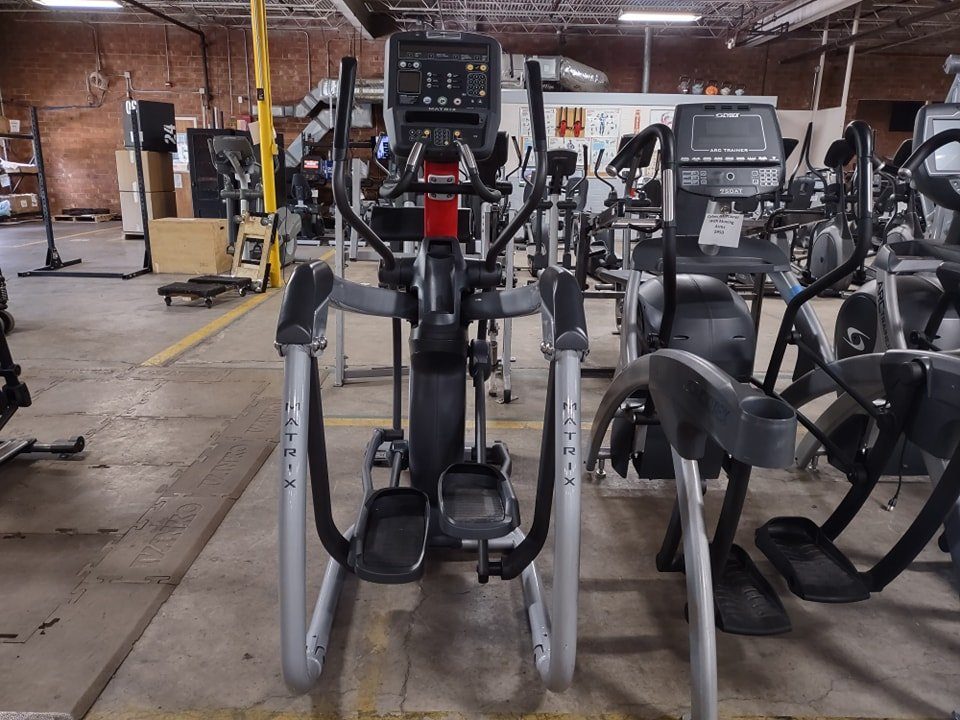
Treadmills burn a few more calories at high intensity; ellipticals are gentler on joints. Here's the full comparison.
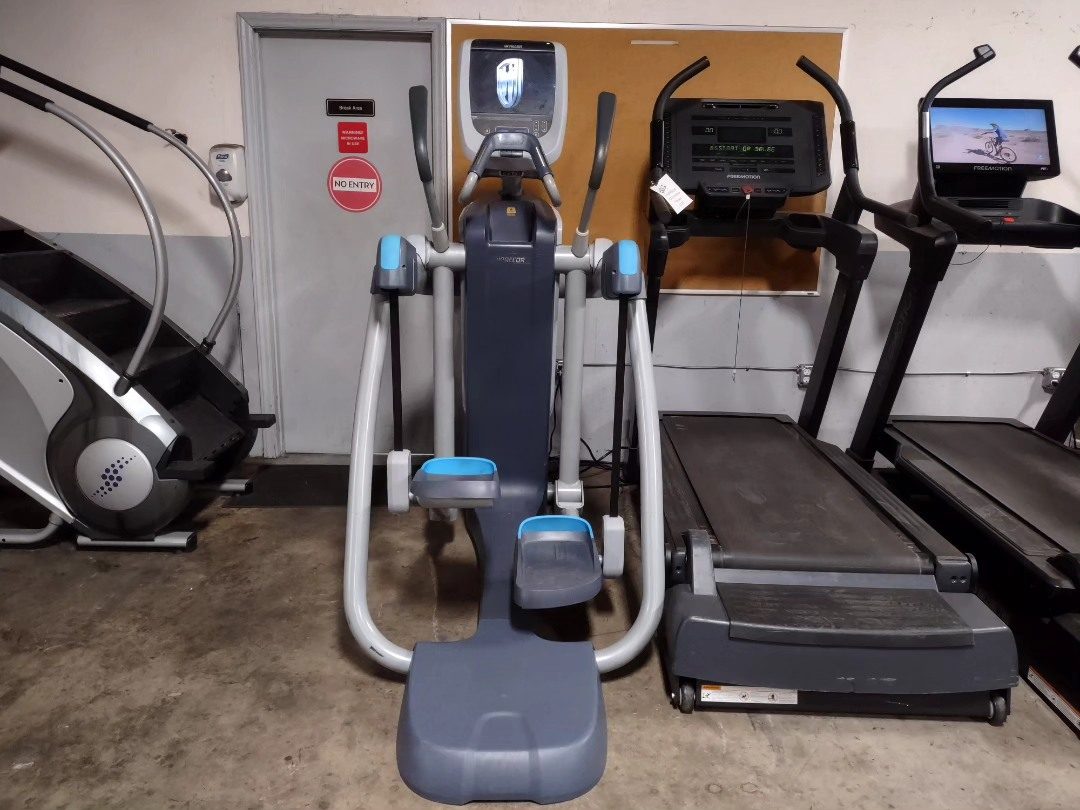
A good elliptical delivers smooth, low-impact cardio for years. Here's what to check before you buy one for home.
Both burn serious calories. Here's how the rower and treadmill compare and which one will help you lose weight.
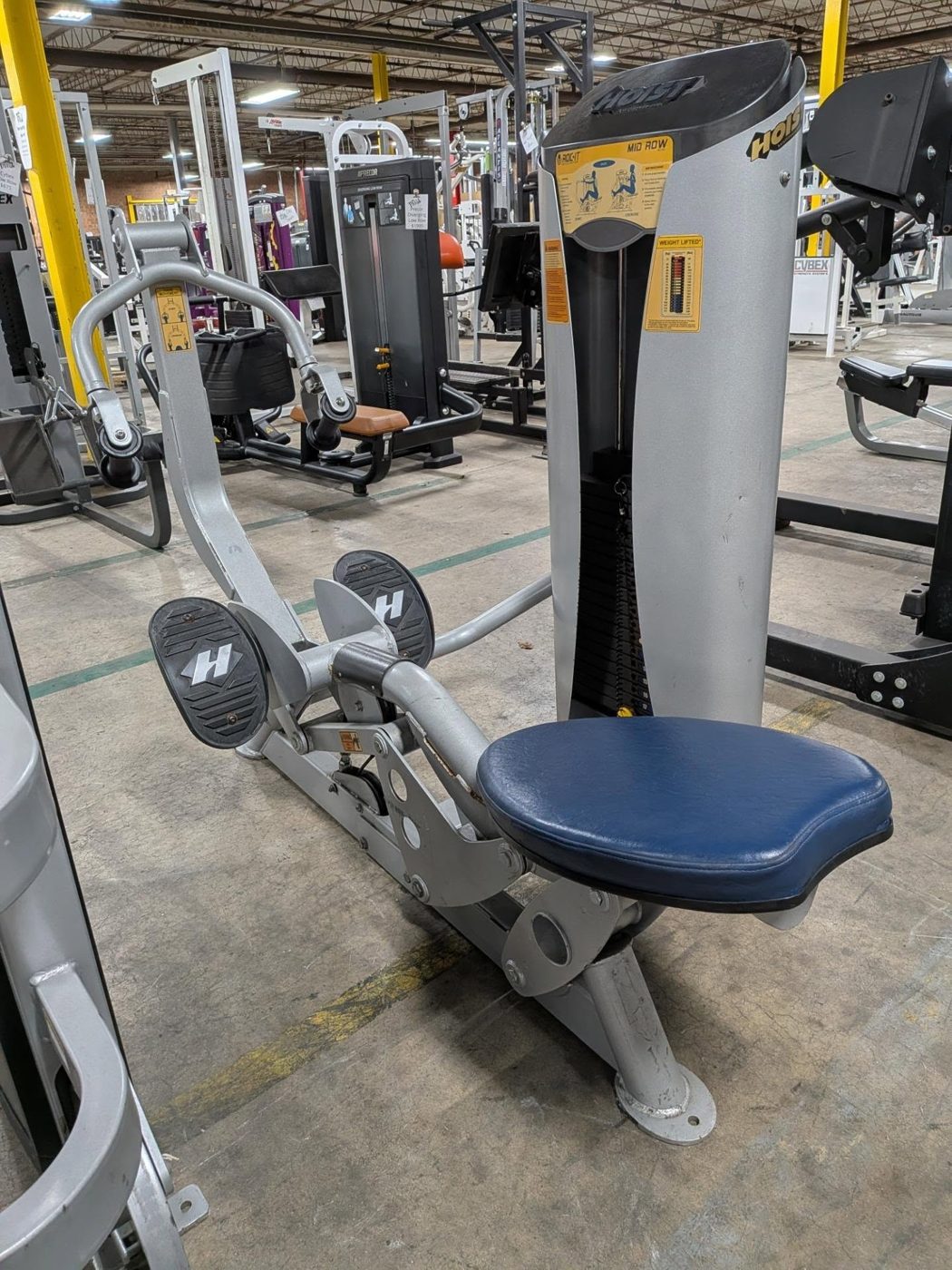
Learn the stroke, then try three beginner rowing workouts that build fitness without beating up your joints.
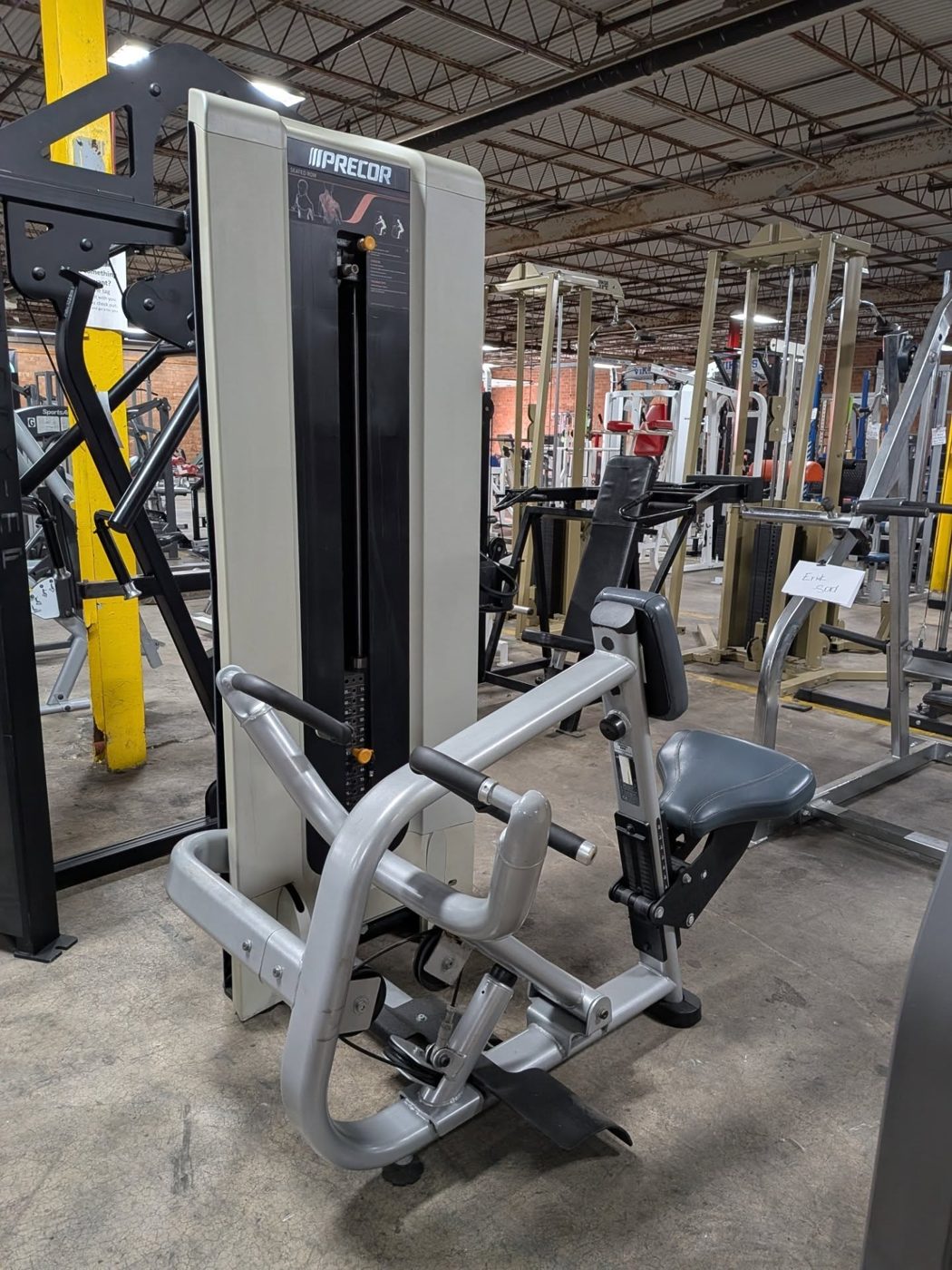
Rowing works your legs, back and arms in one low-impact movement. Here's how to choose the right rower for your home.
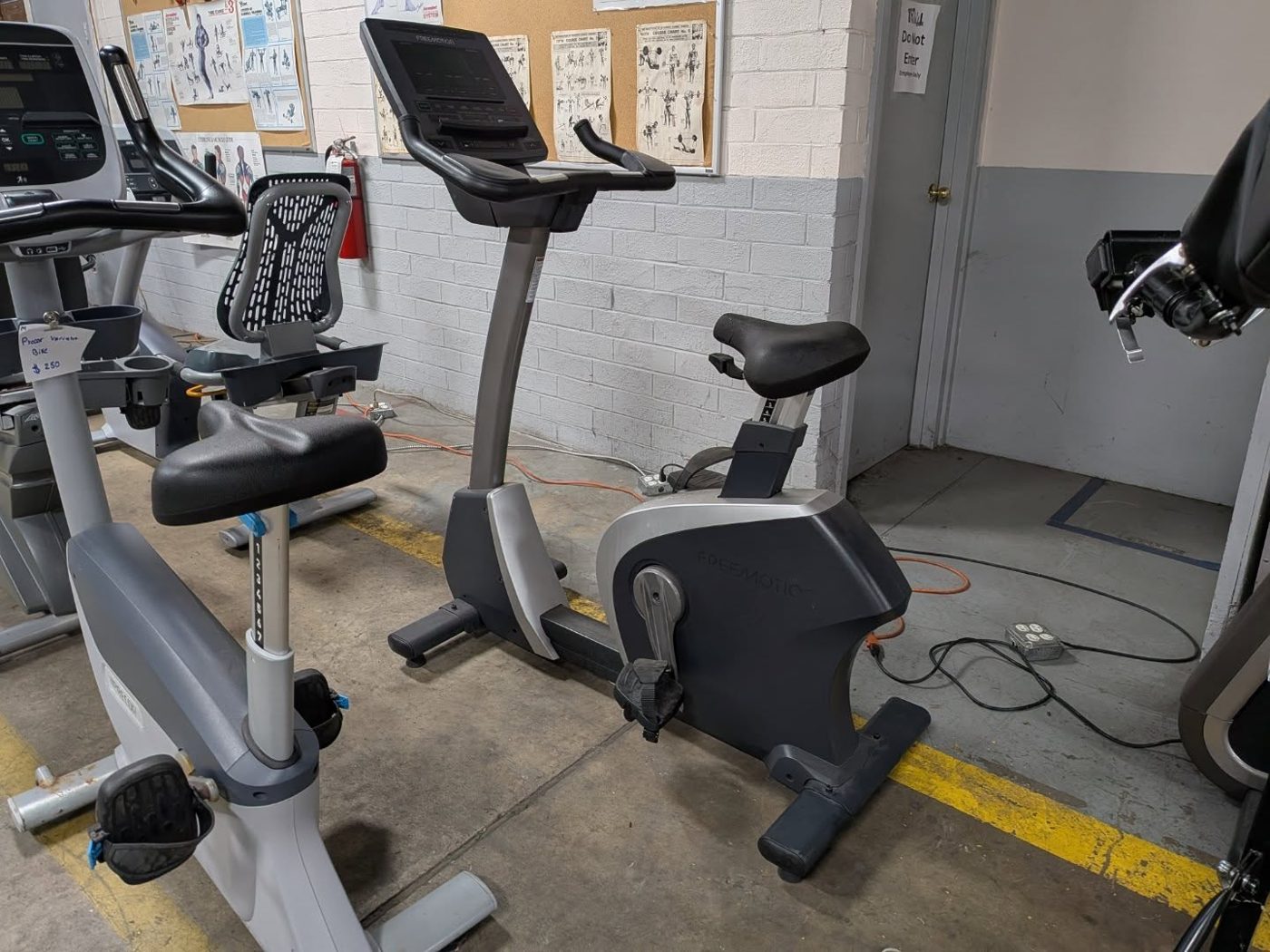
Air bikes deliver brutal, efficient conditioning. Here's what separates a great fan bike from a cheap one.
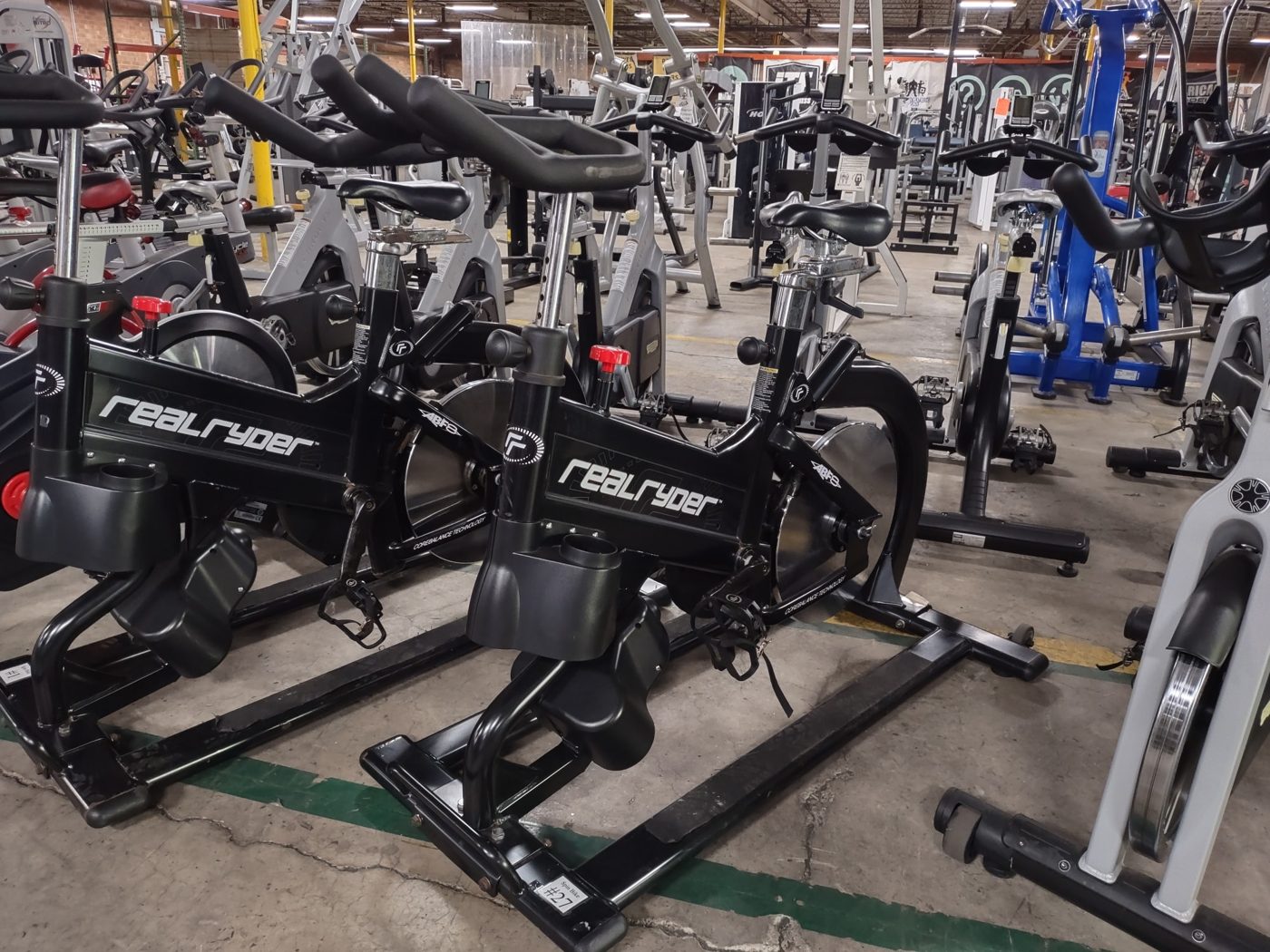
Three bikes, three riding positions. Here's how recumbent, upright and spin bikes compare and which suits your body and goals.
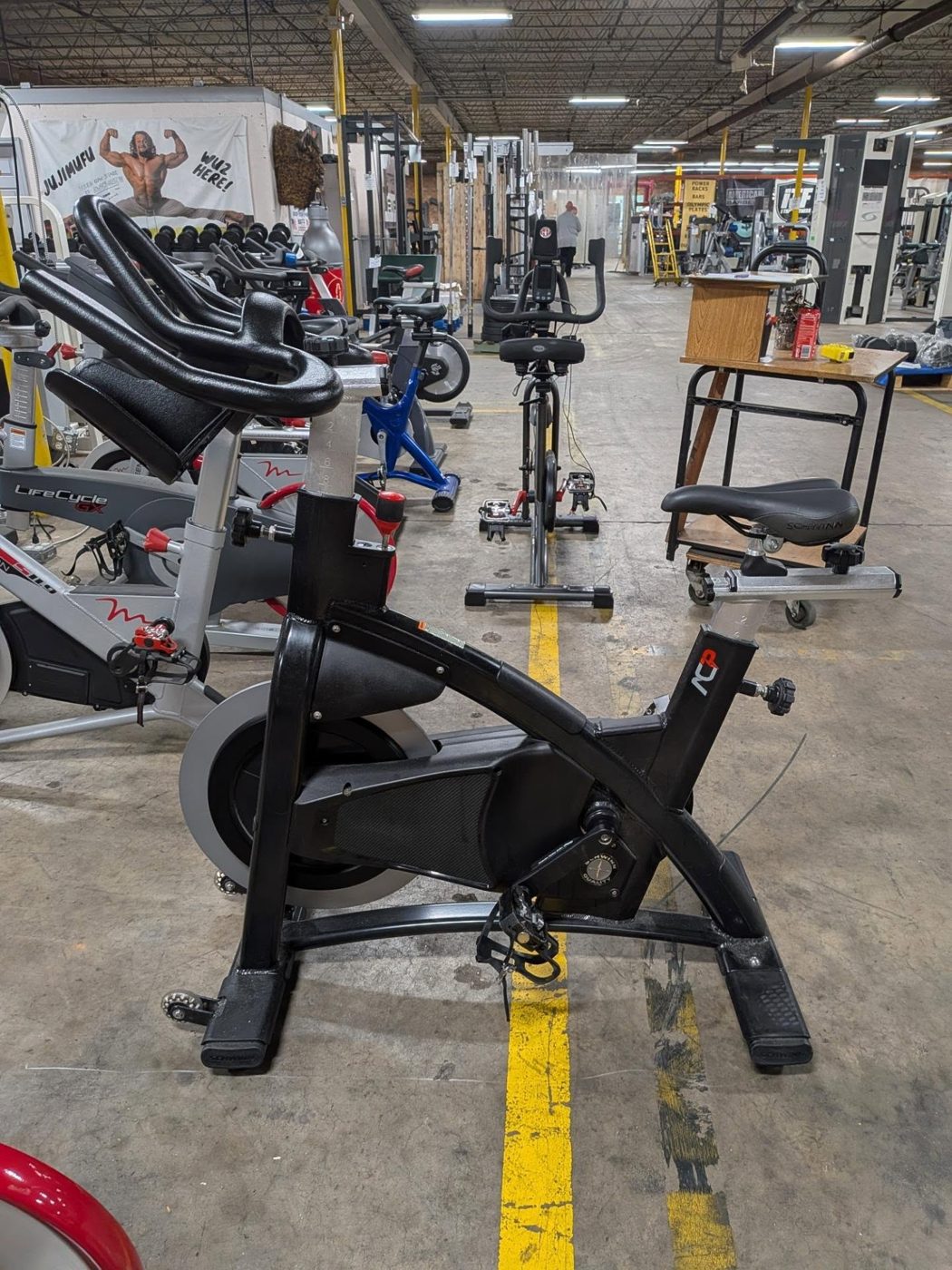
Stationary bikes are quiet, compact and easy on the joints. Here's how to choose the right type for your goals.
12% incline, 3 mph, 30 minutes. Here's what the viral 12-3-30 treadmill workout actually does and how to make it work for you.
Incline walking burns far more calories than flat walking without the impact of running. Here's how to choose a treadmill built for it.
Weight capacity is only the start. Here's how to choose a high-capacity treadmill that's safe, comfortable and built to last.
A folding treadmill gives you real workouts and reclaims your floor afterward. Here's how to choose one that's still solid.
A walking pad saves space; a treadmill does more. Here's how to decide which one fits your goals and home.
Walking pads make it easy to add thousands of steps to your workday. Here's what to look for in an under-desk treadmill.
Motor, belt, deck, incline and price: here's everything that separates a great home treadmill from one that ends up as a clothes rack.
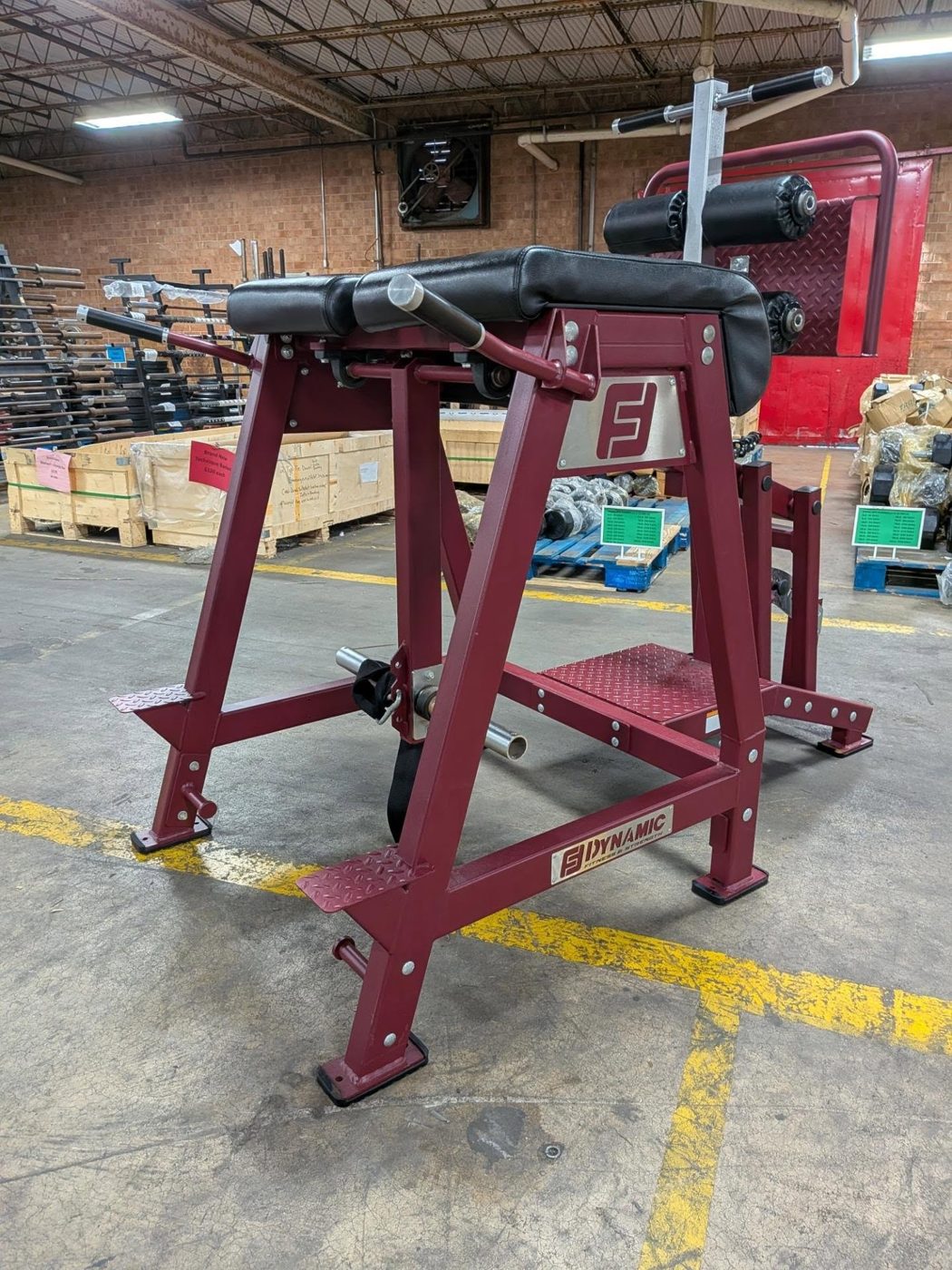
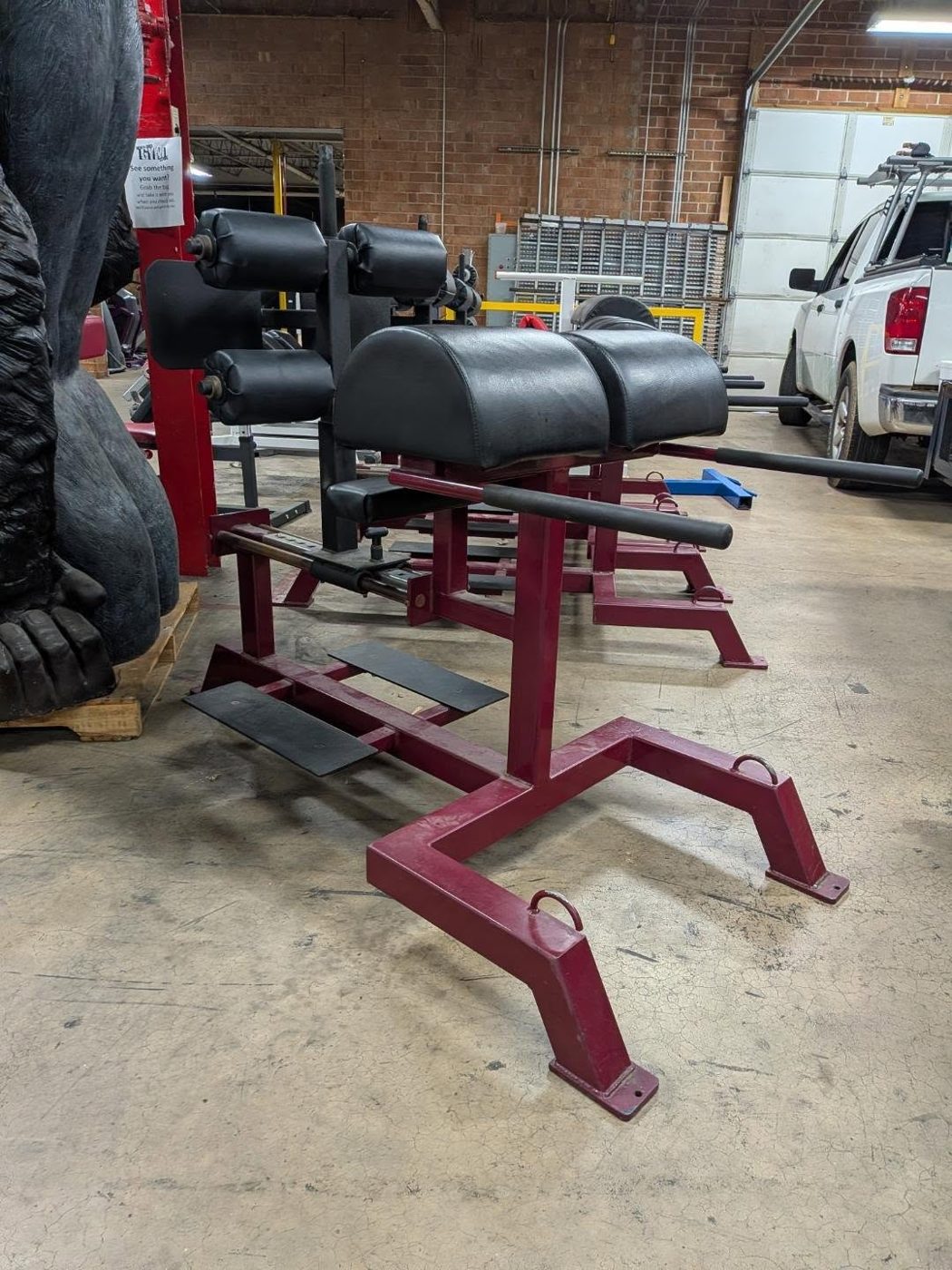
Back extension benches and GHDs build the posterior chain. Here's how they differ and which one fits your gym.
Doorway, wall or ceiling? Here's how each type of pull-up bar works and which one fits your home.
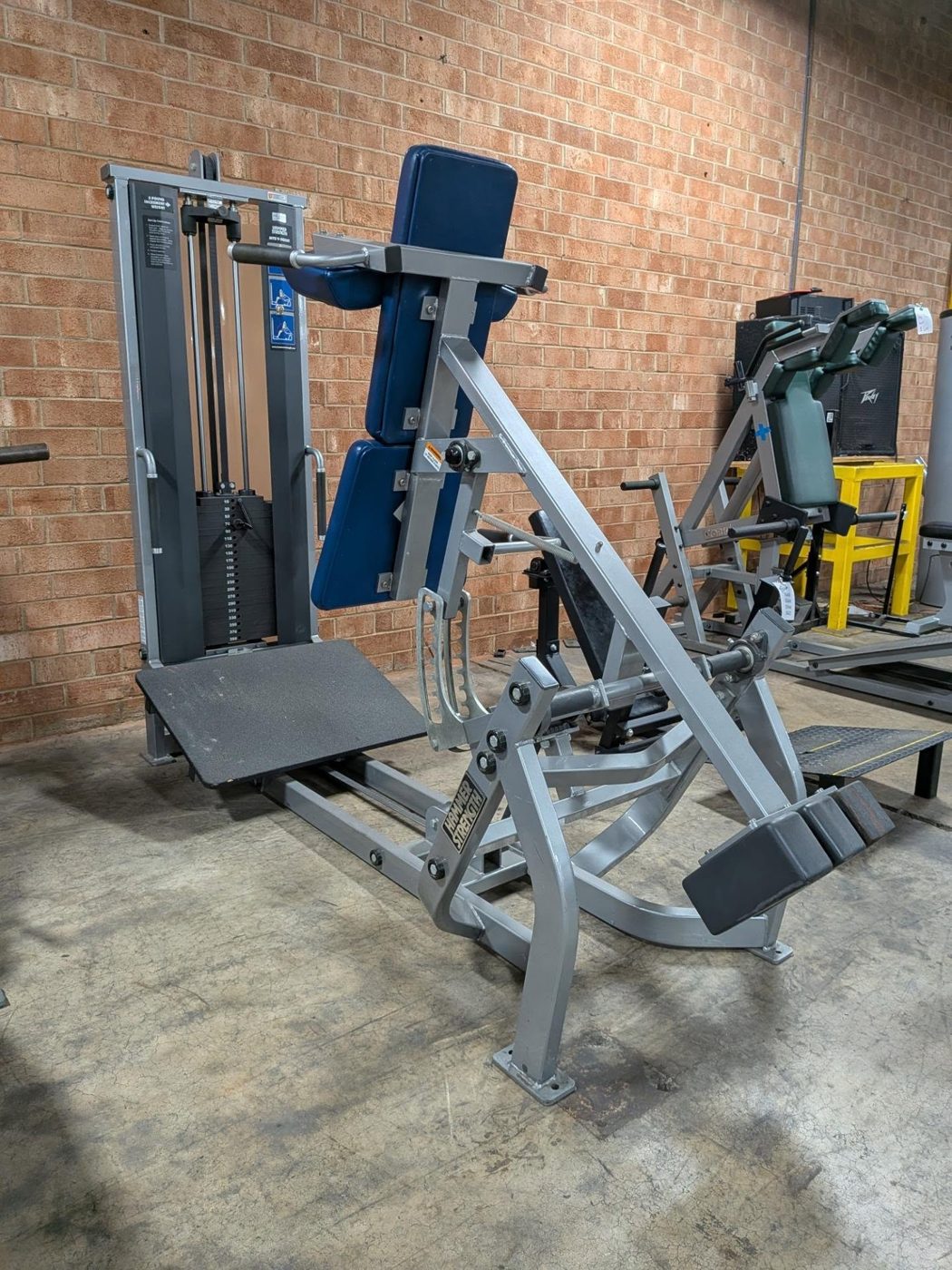
A leg press lets you train legs heavy without loading your spine. Here's how to pick the right home leg press machine.
A home pulldown machine builds a wider back when pull-ups are too hard or not enough. Here's how to choose one.
A functional trainer gives you hundreds of cable exercises in one footprint. Here's how to choose the right cable machine for your gym.
The Smith machine gets a bad reputation, but it has a place. Here's how it compares with free weights and when to use each.
A Smith machine lets you press and squat safely alone. Here's what to look for, from bar path and counterbalance to all-in-one Smith combos.
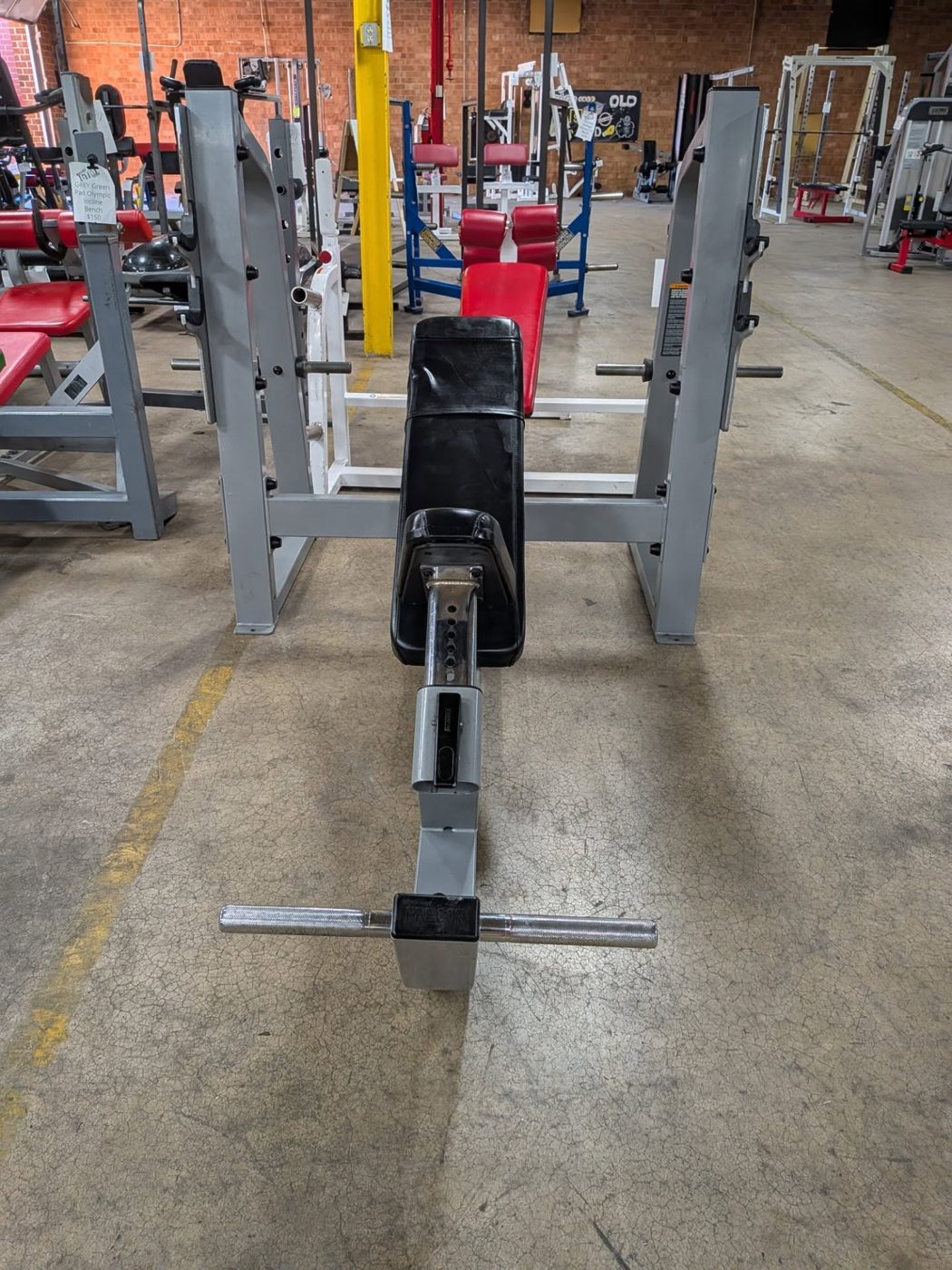
A bench and a pair of dumbbells is a complete gym. Here are the best dumbbell bench exercises and a full workout to try.
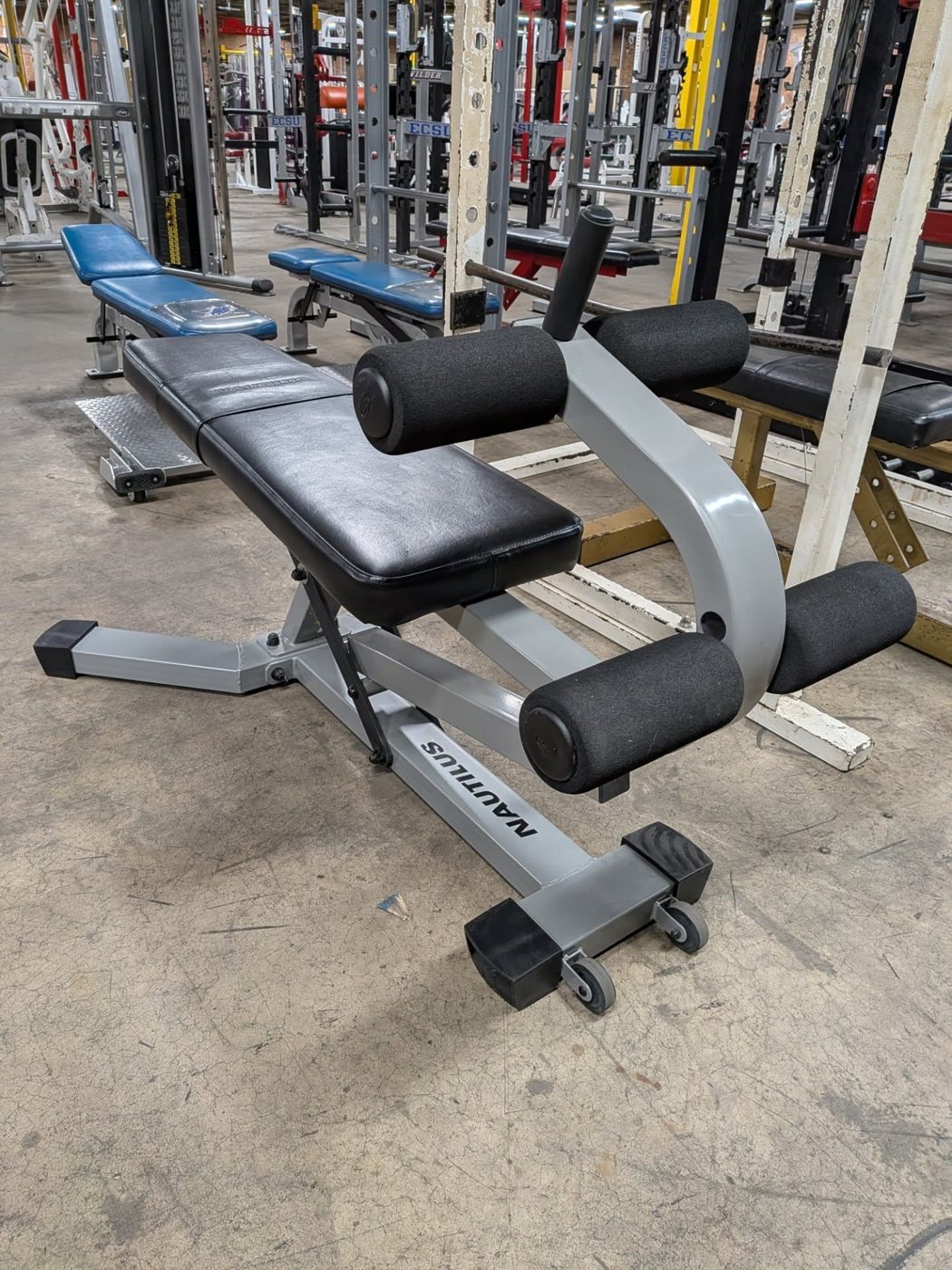
The bench press looks simple, but small setup details make a big difference. Here's how to bench press safely and get stronger.
A folding weight bench stores under a bed or against a wall. Here's how to choose one that's still solid enough for heavy presses.
Knurling is the crosshatch pattern that gives your barbell grip. Here's how depth, pattern and placement change the way a bar feels.
Your power rack can do far more than squats. These attachments turn it into a complete gym.
The EZ curl bar's angled grip is easier on the wrists, while the straight bar hits the biceps a little harder. Here's how to choose.
The trap bar puts the load at your sides; the straight bar puts it in front. Here's how that changes the lift and which is right for you.
A bundled Olympic weight set is the fastest way to start lifting. Here's what's included, what to check and when to buy separately.
The difference is the hole size, but it changes what bars you can use and how heavy you can go. Here's what to know.
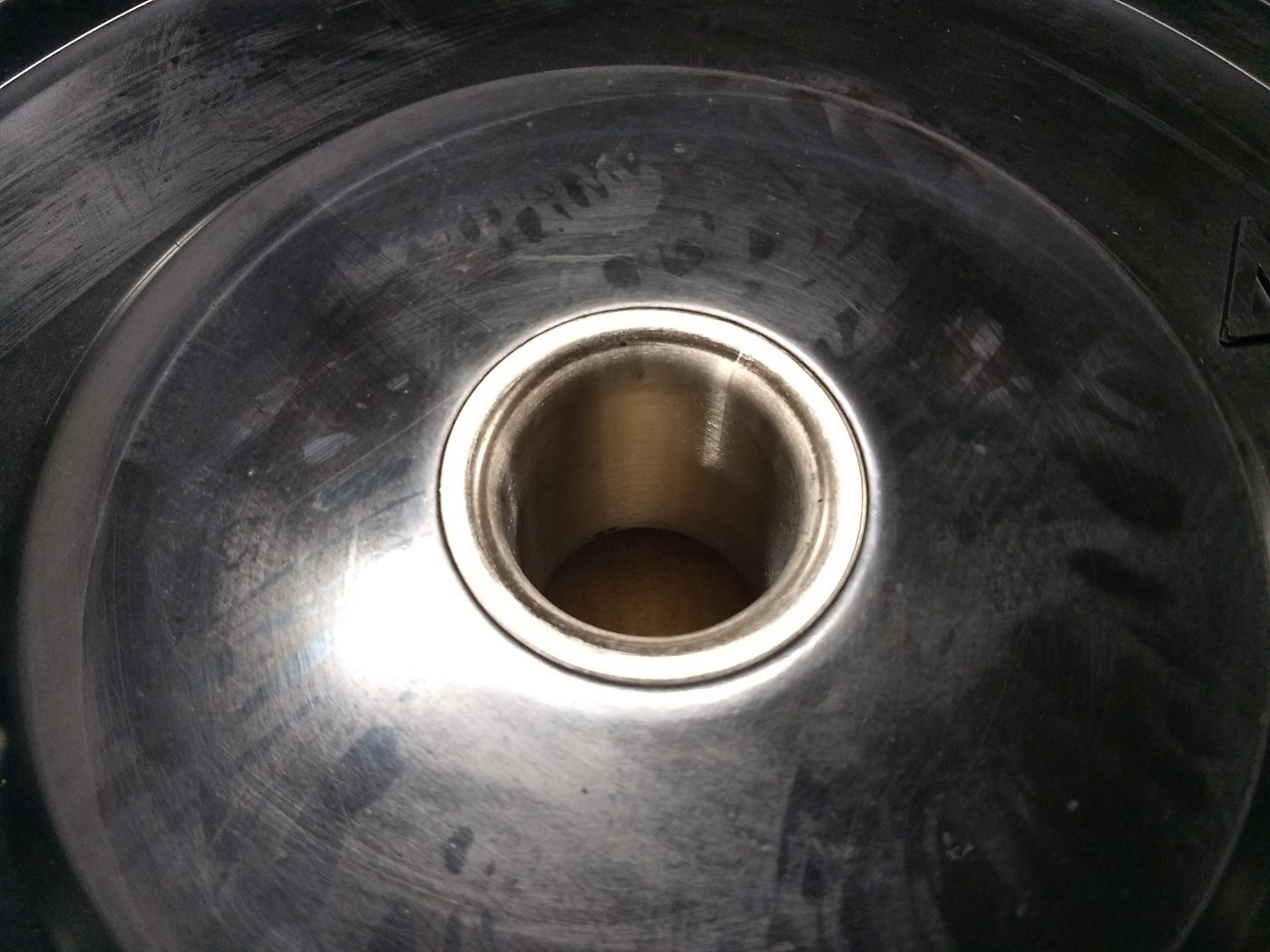
Not all bumpers are equal. Here's what to look for in a bumper plate set, from bounce and hub quality to the right starter set.
Bumpers protect your floor and let you drop the bar; cast iron is cheaper and thinner. Here's how to choose.
45 pounds? Not always. Here's how much every type of barbell weighs, from Olympic bars to EZ curl bars and trap bars.
The barbell is the one piece of equipment you'll touch every session. Here's how to choose a 20 kg Olympic bar that lasts a lifetime.
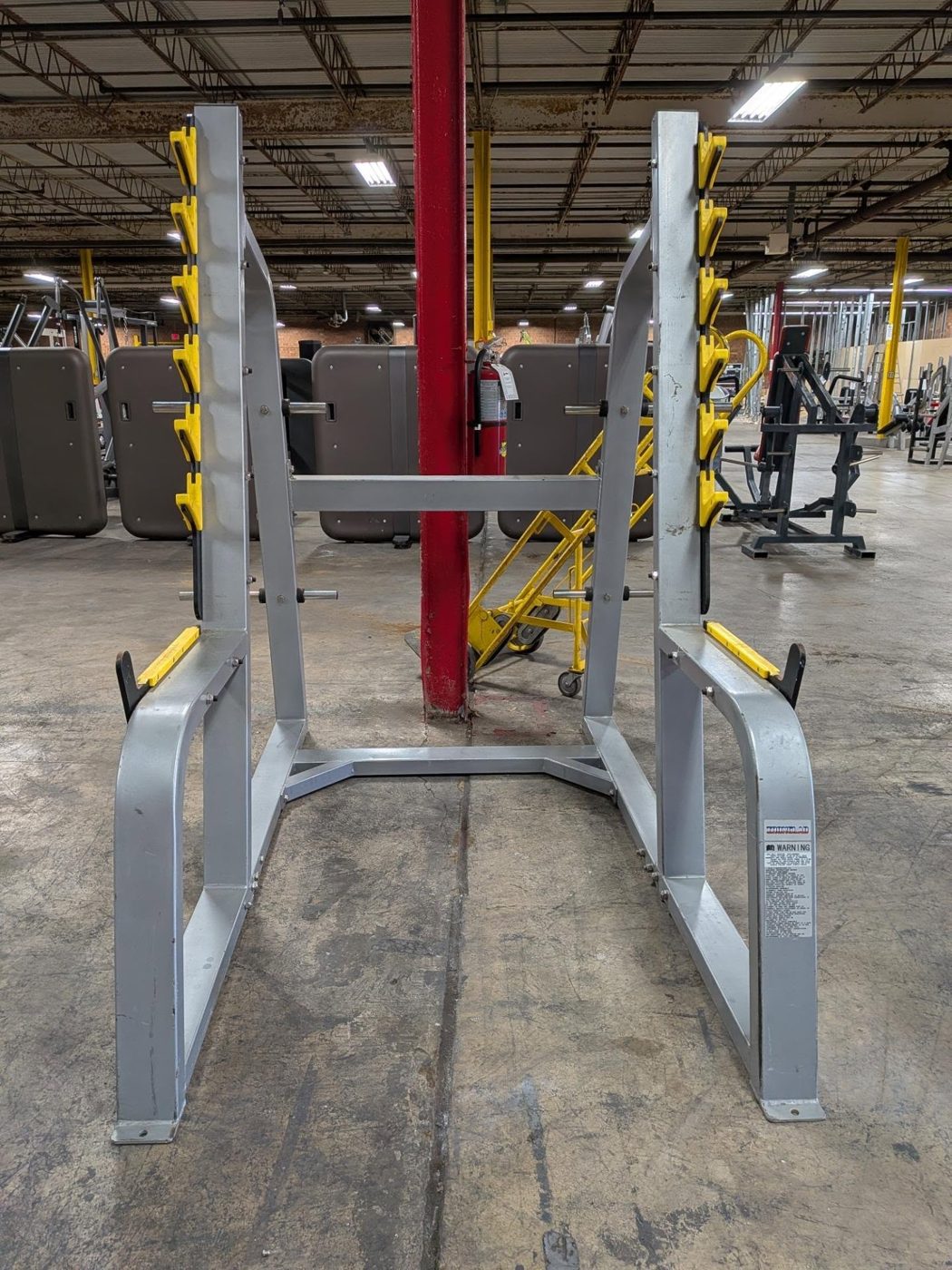
A folding squat rack gives you heavy squats and bench presses, then folds flat against the wall. Here's how to choose one.
One kettlebell, 20 minutes, full-body burn. This kettlebell circuit combines strength and HIIT to support fat loss.
The kettlebell swing is one of the best exercises you can do, if you do it right. Here's a step-by-step guide to perfect swing form.
Most beginners pick a kettlebell that's too light for swings and too heavy for presses. Here's how to choose your first size.
An adjustable kettlebell saves space, but does it swing like the real thing? Here's how it stacks up against a traditional kettlebell set.
Cast iron or competition style? Here's what separates a great kettlebell from a cheap one, and how to build a home kettlebell set.
From neoprene light weights to adjustable sets that grow with you, here's how to choose the best dumbbells for women.
Hex dumbbells stay put; round dumbbells look and feel like a commercial gym. Here's how they compare and which suits your gym.
All you need is a pair of dumbbells. This beginner full body dumbbell workout trains every major muscle three days a week.
Too light and you won't progress; too heavy and your form breaks down. Here's how to pick the right dumbbell weights for your goals.
One pair of adjustable dumbbells can replace an entire rack. Here's how the main designs compare and how to choose the right set.
Smart bikes, AI cable machines and fitness mirrors promise a personal trainer at home. Here's what connected fitness costs and who it's actually worth it for.
Staying strong is one of the best things you can do as you age. These safe, low-impact picks make it easy to train at home.
Train in the fresh air without wrecking your gear. Here's how to choose weatherproof equipment and set up a backyard gym that lasts.
Low ceilings, moisture and poor light are the classic basement problems. Here's how to turn a basement into a home gym you'll love.
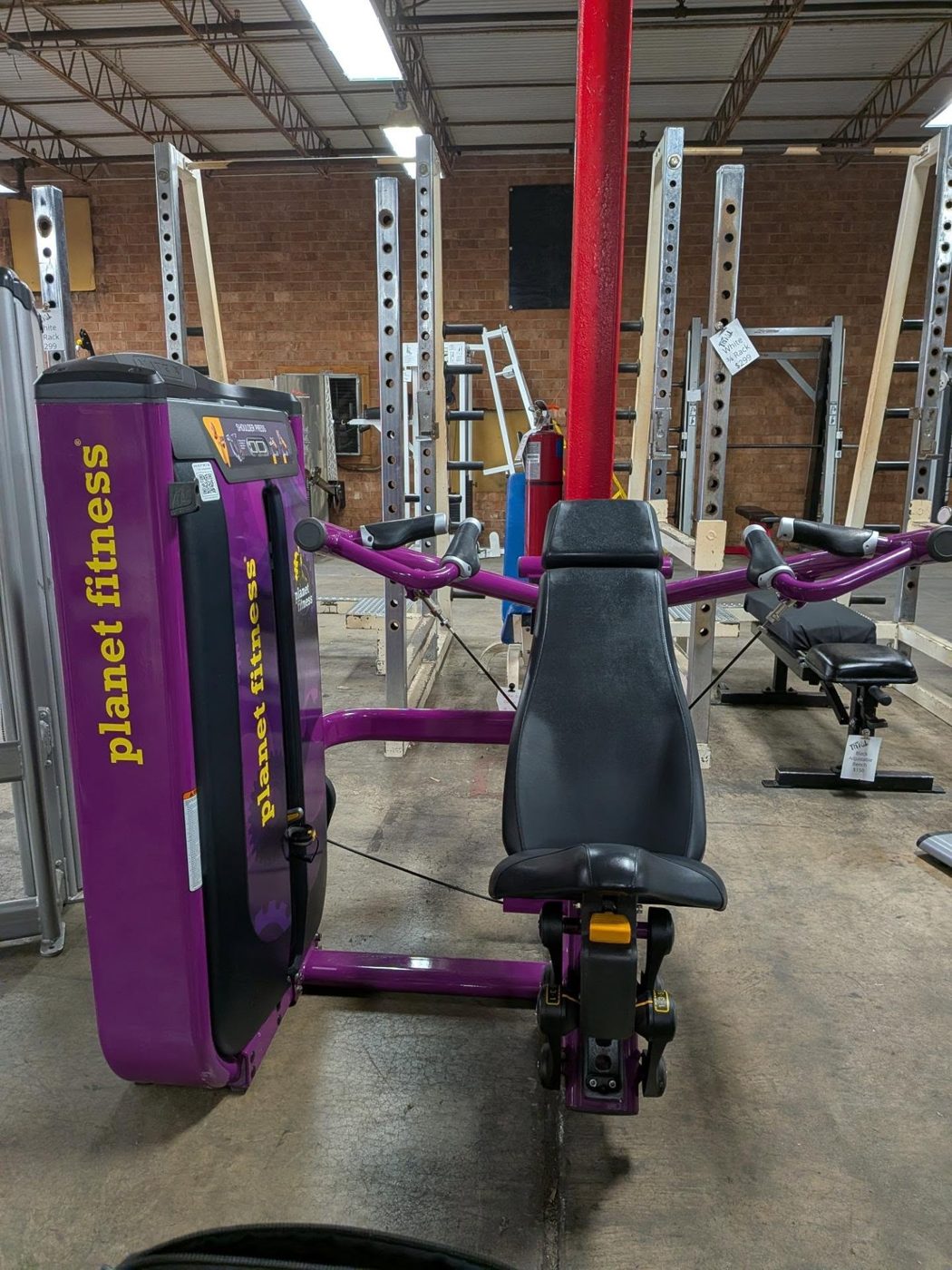
Upstairs neighbors and thin floors don't have to end your home workouts. Here's how to cut gym noise and vibration the right way.
We run the numbers on a home gym vs a gym membership over five years, plus the non-money factors that decide which is right for you.
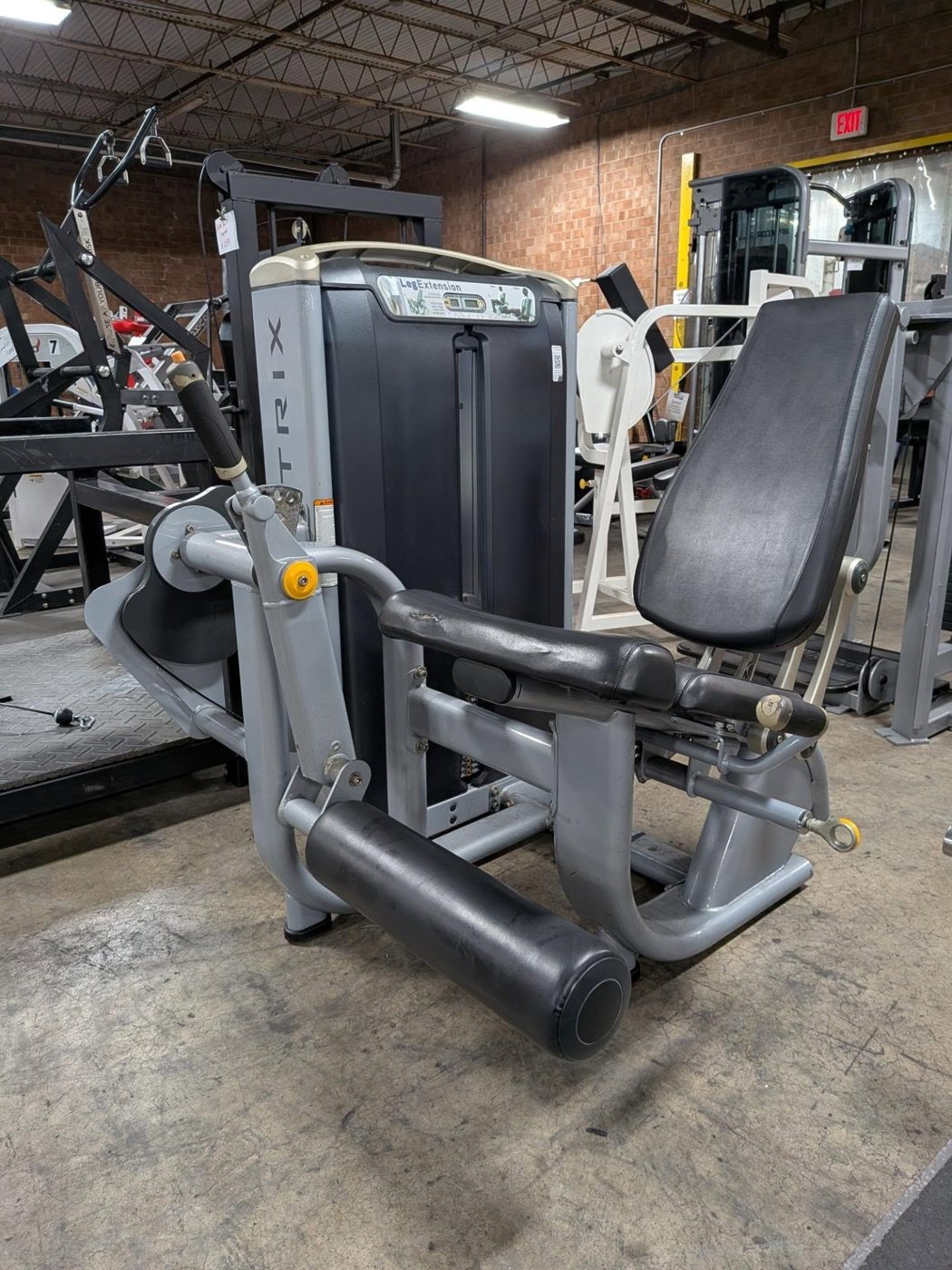
Rubber stall mats, interlocking tiles, rolled rubber or turf? Here's how to choose the best home gym flooring for your lifts, room and budget.
You don't need a showroom to get strong. This beginner home gym equipment list covers the must-haves, the nice-to-haves and the stuff to skip.
From a single-car bay to a full two-car build, here's how to lay out, floor and equip a garage gym that you'll actually use.
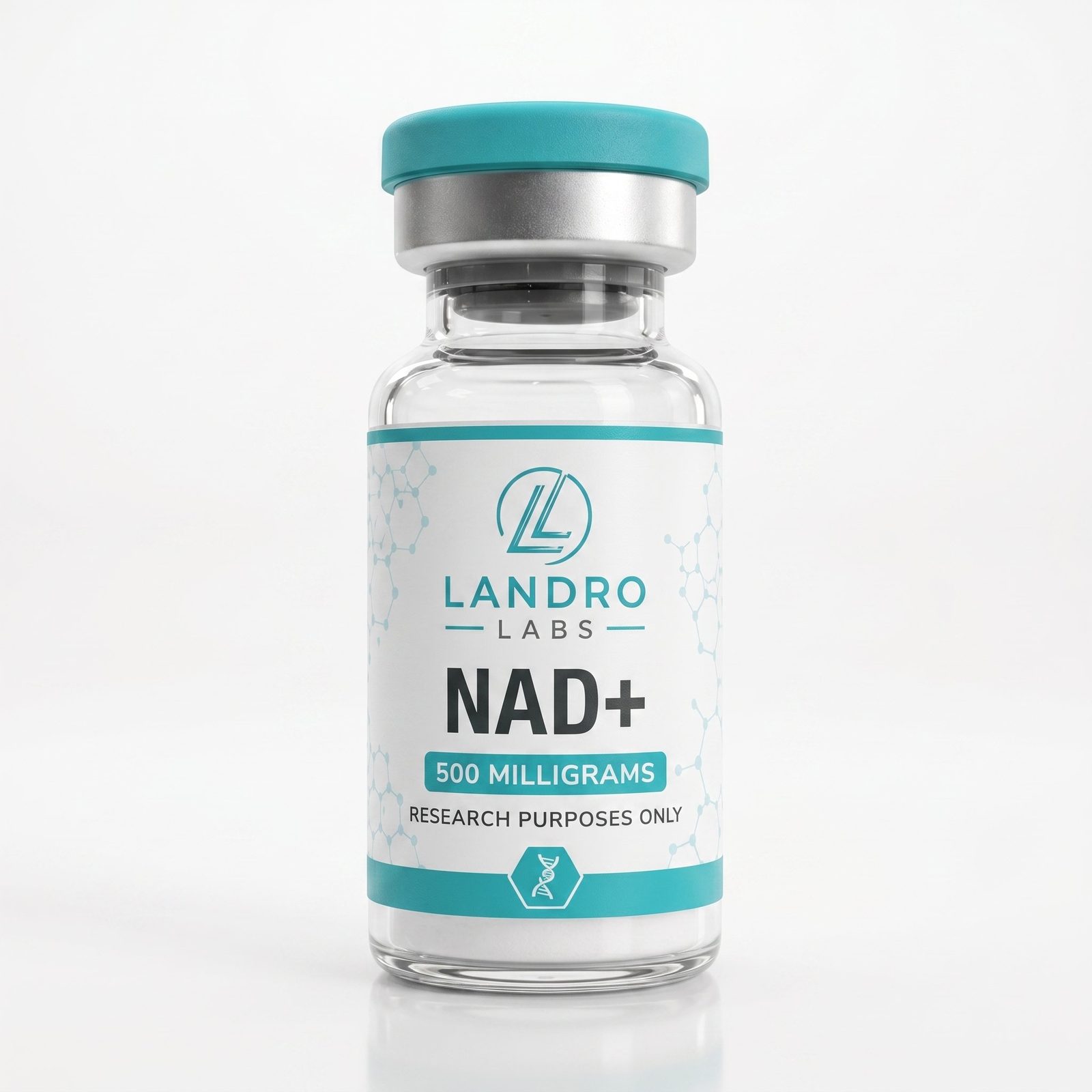
NAD+ is essential to every cell. Here's what it does, what longevity research does and doesn't show, and what to know before believing the hype.
GHK-Cu shows up in serums and research vials alike. Here's what this copper peptide is and what the research says.
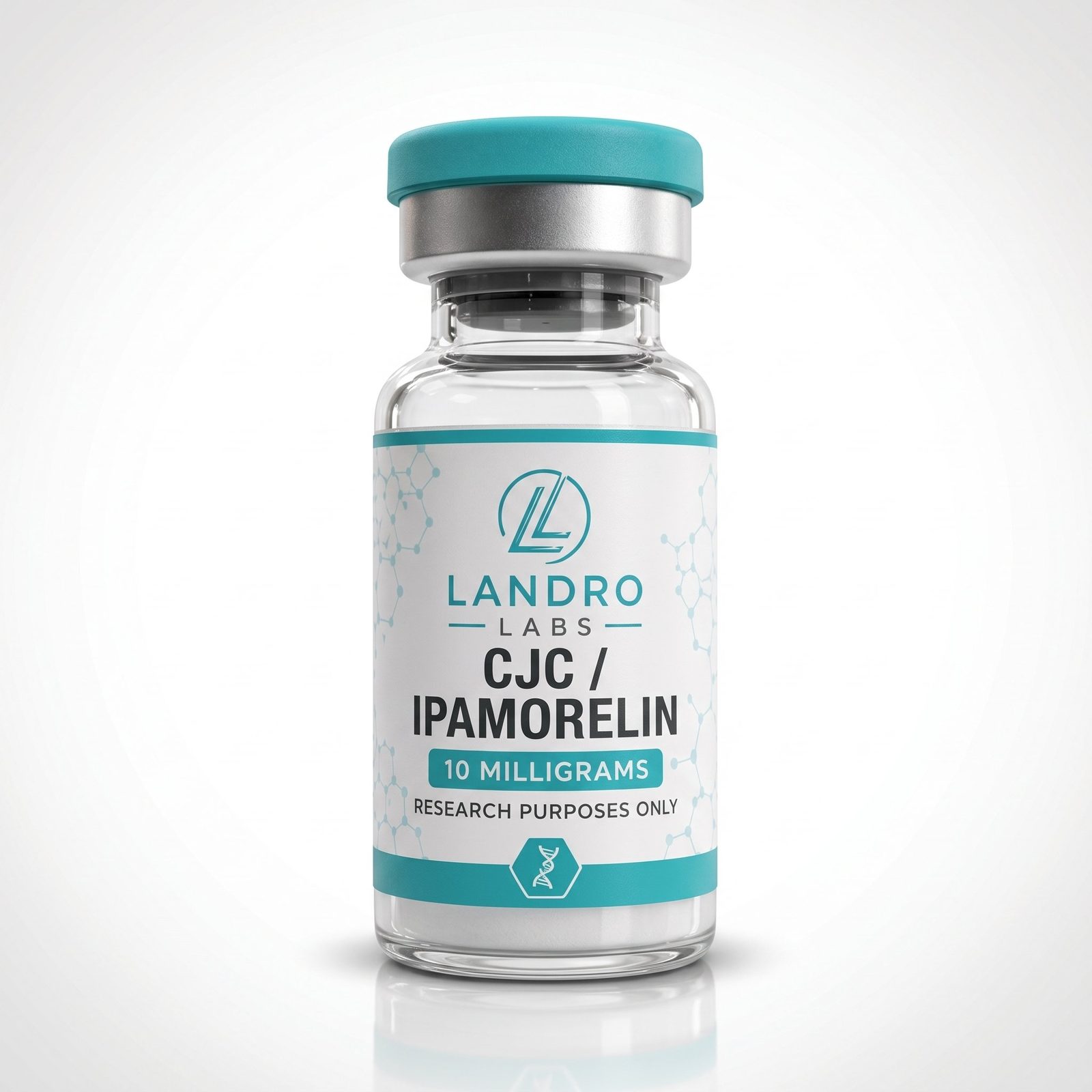
CJC-1295, Ipamorelin and GHRP-6 are growth hormone secretagogues. Here's how they work, what research found and how they're regulated.
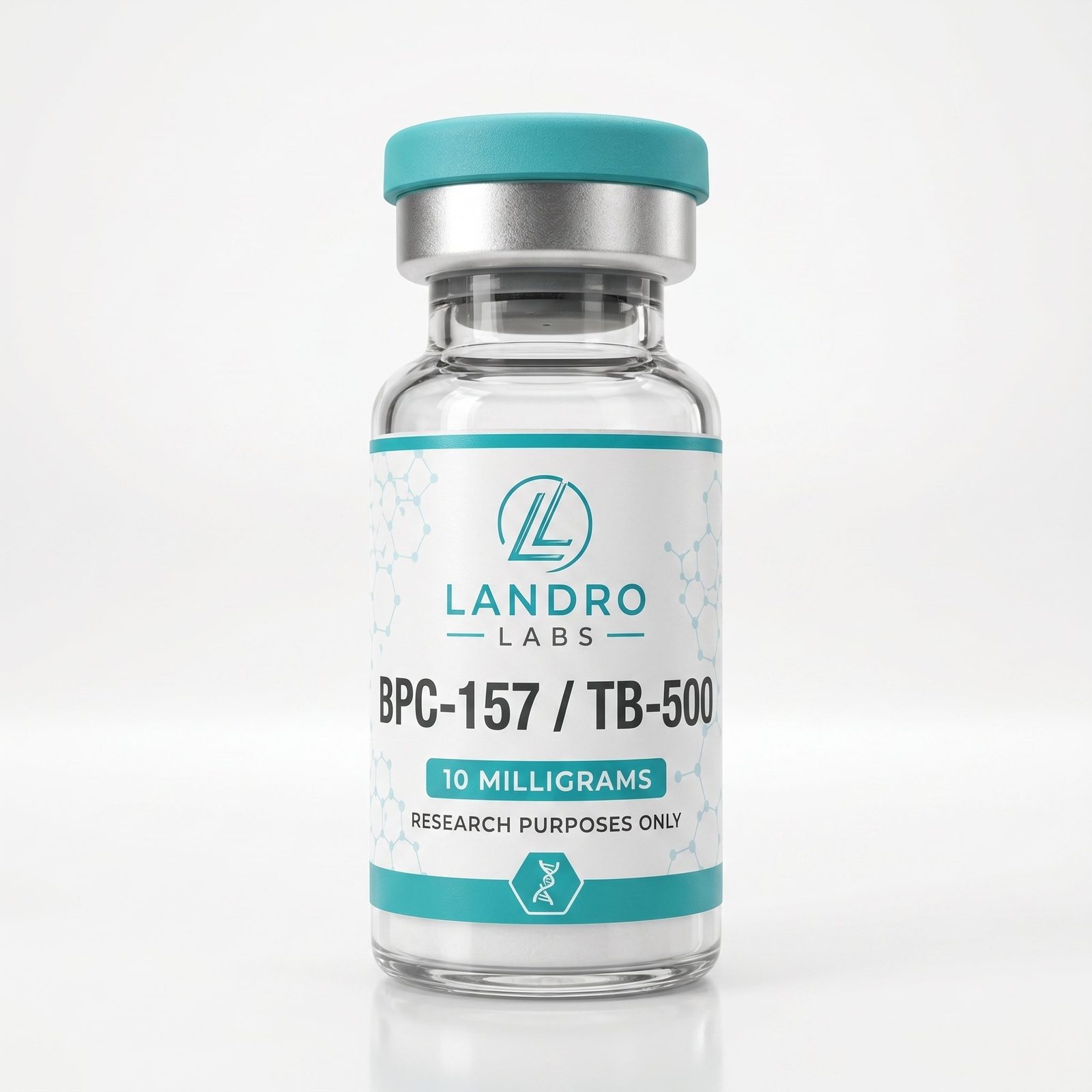
They're often sold together, but BPC-157 and TB-500 are different compounds. Here's how they compare on origin, research and regulation.
BPC-157 is one of the most talked-about peptides online. Here's what it actually is, what the research does and doesn't show, and how it's regulated.
Peptides are everywhere online, but "research use only" means something specific. Here's what research peptides are, how they're regulated and the risks to understand.
A used Precor AMT is one of the best-value cardio buys around. Here's what to check and what to pay.
Five AMT workouts that use the machine's adaptive stride to target glutes, boost calorie burn and keep cardio interesting.
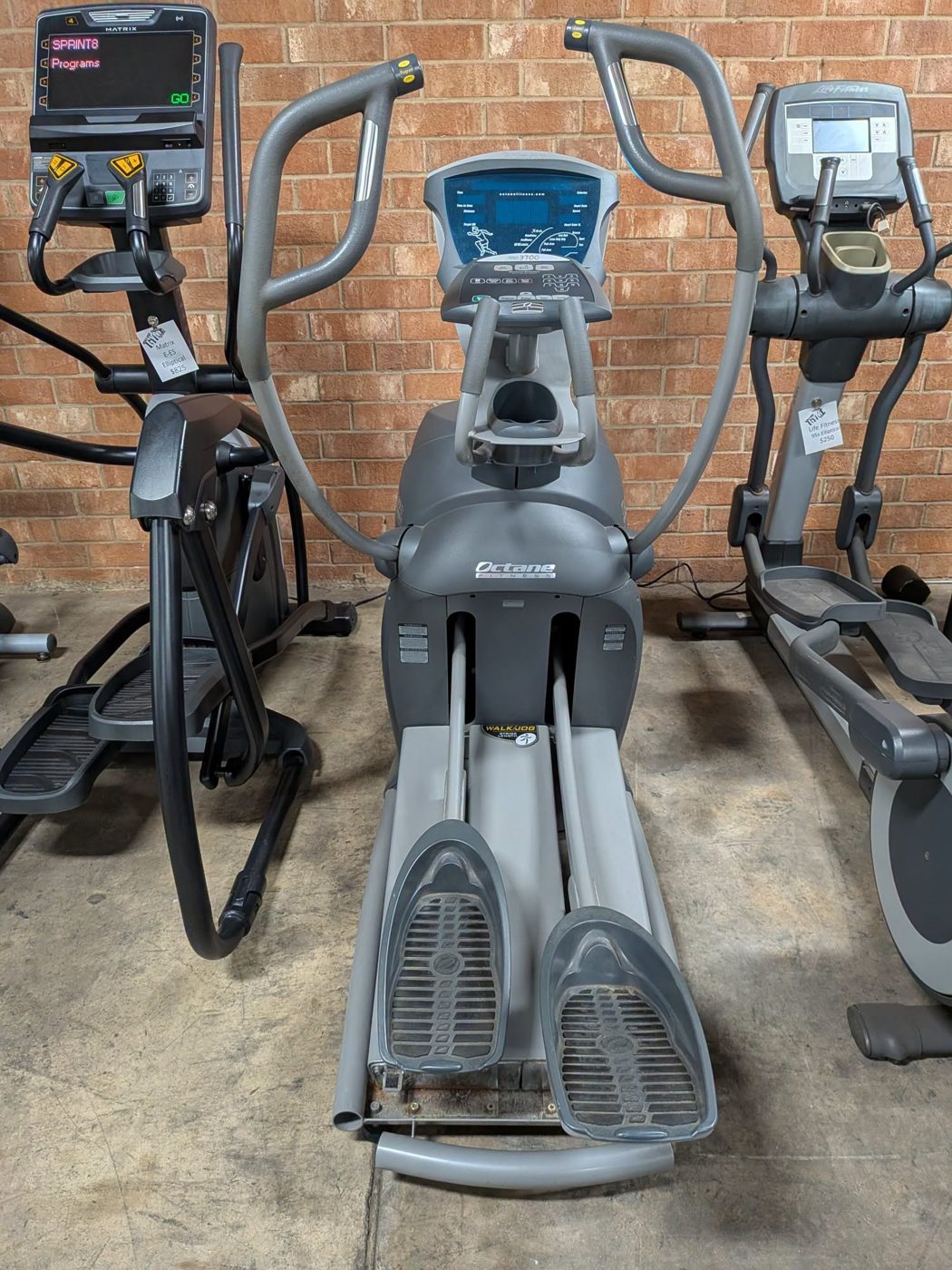
An AMT and an elliptical look alike but move very differently. Here's how to choose between them.
Shopping for a Precor AMT? Here's how the main models and generations differ and which one makes the most sense to buy used.
Step, stride or run, all on one machine. Here's how the Precor AMT adaptive motion trainer works and why it's a gym favorite.
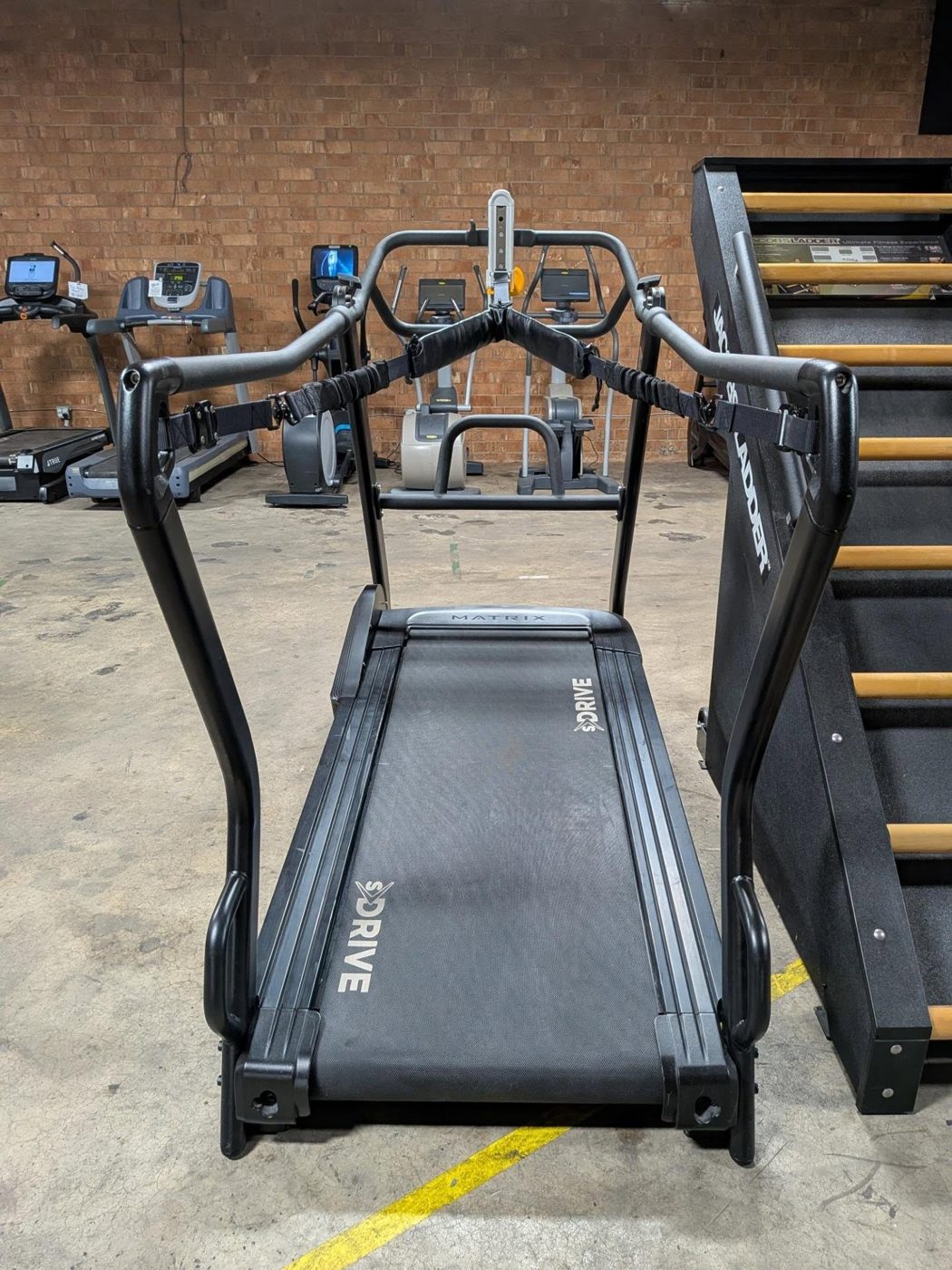
A used Matrix S-Drive is one of the smartest ways to add sled training. Here's what to check and how to buy one.
Non-motorized treadmills burn more calories and need no outlet. Here's how curved, flat and sled-style self-powered treadmills compare.
A turf sled needs a long lane. A sled push machine fits in a treadmill-sized space. Here's how they compare.
Six S-Drive workouts for power, speed and conditioning, with resistance settings and form tips for every level.
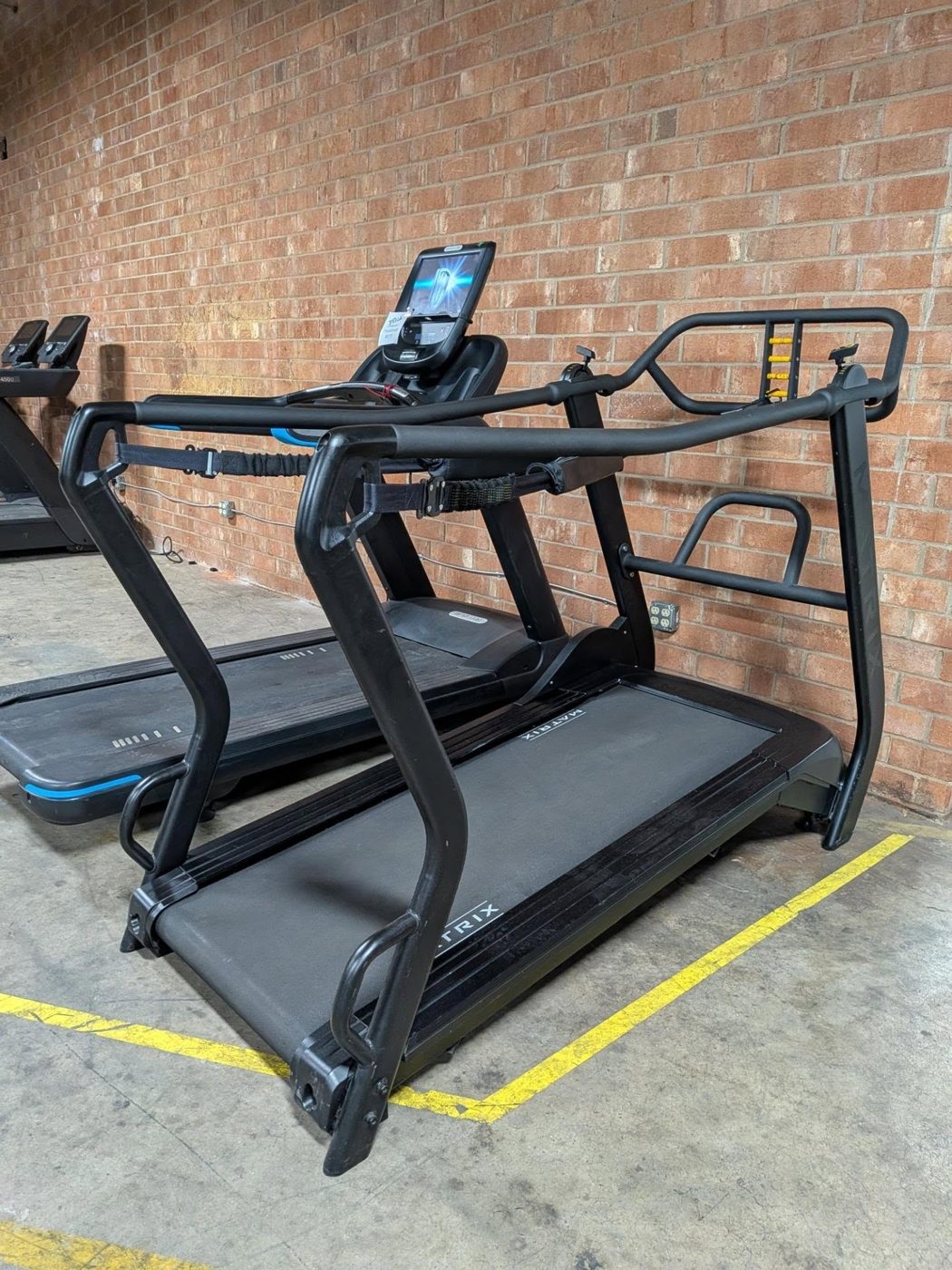
Sled pushes, parachute sprints and free running on one footprint. Here's how the Matrix S-Drive Performance Trainer works and why gyms love it.
A used Jacobs Ladder can cost far less than new. Here's what to check, what to pay and how to get it into your gym.
Spotted a "Biggest Loser Ladder" for sale? Here's what it is, how it relates to the Jacobs Ladder and what to look for before buying one used.
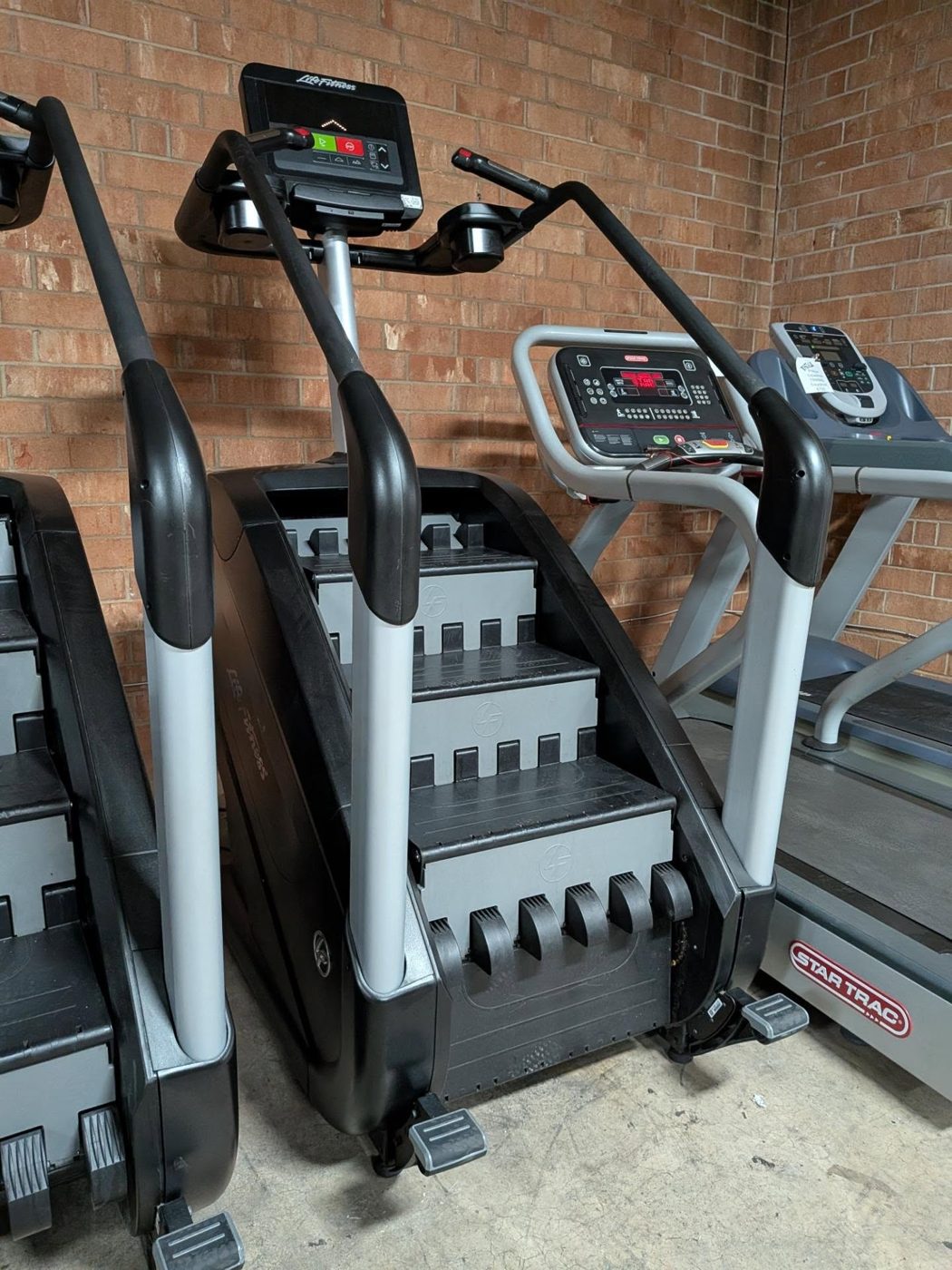
Both make you climb, but they're very different machines. Here's how the Jacobs Ladder compares with a stair climber like the PowerMill.
Five Jacobs Ladder workouts for every level, from your first 5-minute climb to brutal sprint intervals, plus form tips to climb safely.
It looks simple, but few machines are harder. Here's how the Jacobs Ladder climbing machine works and why athletes, first responders and gyms love it.
A used PowerMill can save thousands over new. Here's what to check, what it costs and how to get one delivered to your gym or home.
Stair climbers are one of the most requested machines in any gym. Here's how to choose a commercial stair climber that lasts and fits your floor.
The stair climber is one of the hardest machines in the gym, and one of the most rewarding. Here are its real benefits and three workouts to get started.
Every gym calls them something different. Here's how revolving step mills like the PowerMill compare with pedal steppers and vertical climbers.
The PowerMill is a revolving staircase that never ends. Here's how the Life Fitness PowerMill climber works, what it trains and whether it belongs in your gym.
Tall metal racks and tier shelving units are a garage gym's best friend for storing gear. Here's how to choose one that's strong enough and safe.
From tier racks and shelving units to cube storage bins and wall hooks, here's how to organize a home gym of any size.
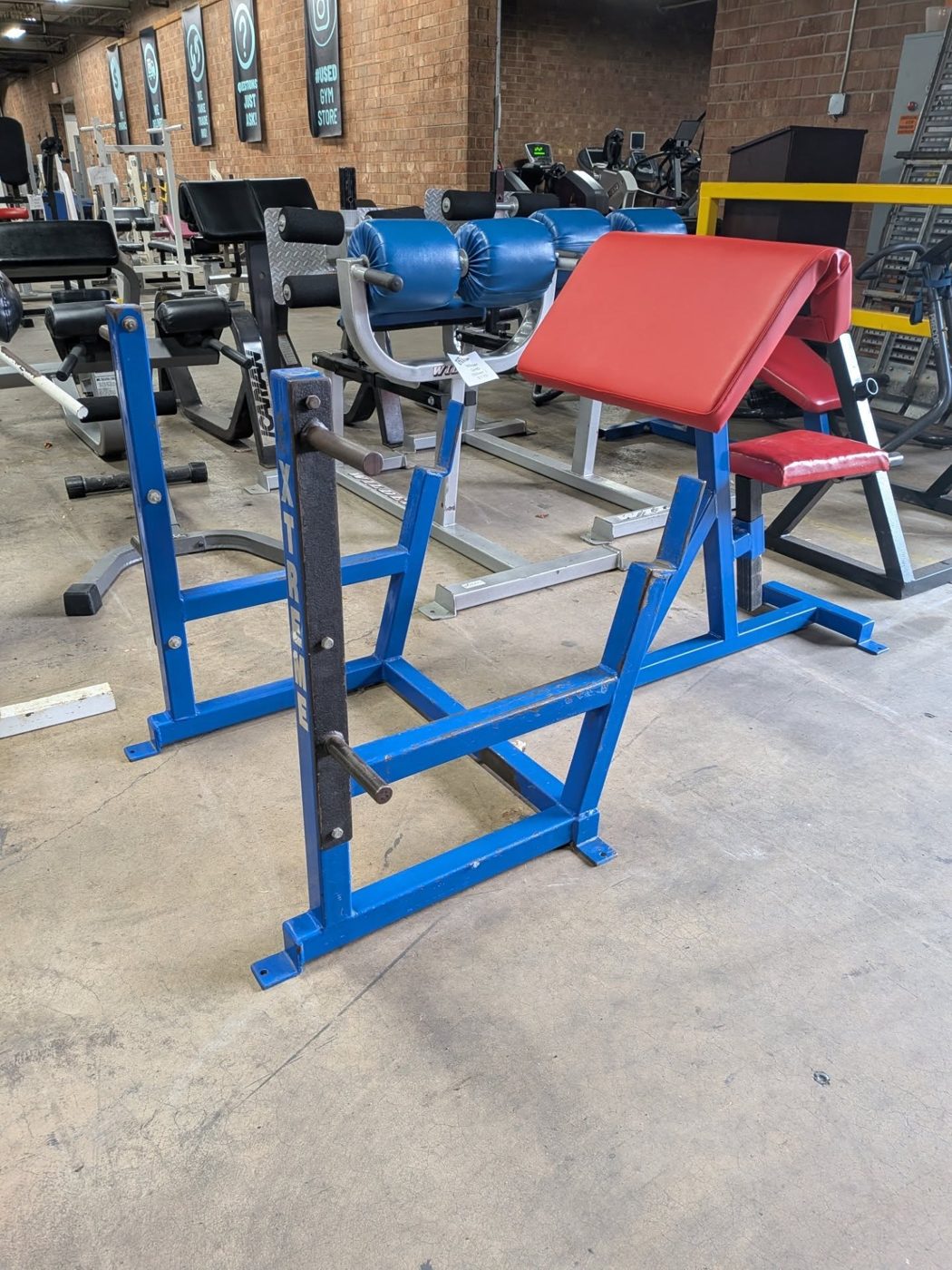
Every piece of gym equipment needs a home. Here are the storage racks that keep a gym organized, safe and easy to use — and how to choose each one.
Two tiers or three? Here's how 2 tier, 3 tier, 4 tier and vertical dumbbell racks compare on capacity, footprint, height and ease of use.
A 3 tier rack stores more dumbbells in less floor space than any other design. Here's how to choose the right 3 tier dumbbell rack for a home or commercial gym.
Life Fitness's Club Series+ brings club-style cardio home. Here's how the Club Series+ Elliptical Cross-Trainer and Total Body Arc Trainer compare.
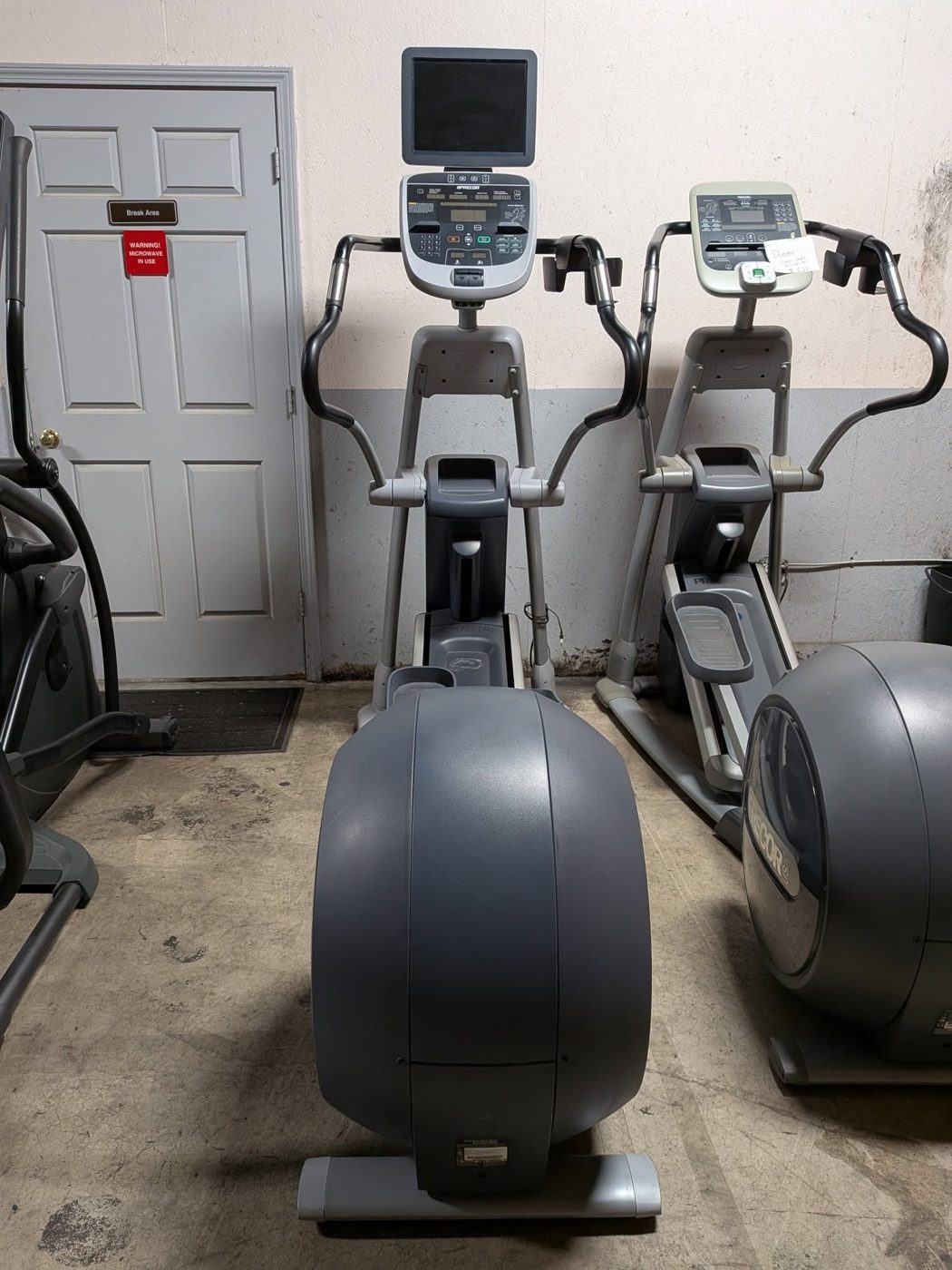
Life Fitness calls its ellipticals cross-trainers, and the range runs from home models to club workhorses. Here's how the lineup compares, what they cost and how to buy one.
That elliptical-looking machine with the arc motion is an Arc Trainer. Here's how to use it at Planet Fitness or any gym — and how to get one for home.
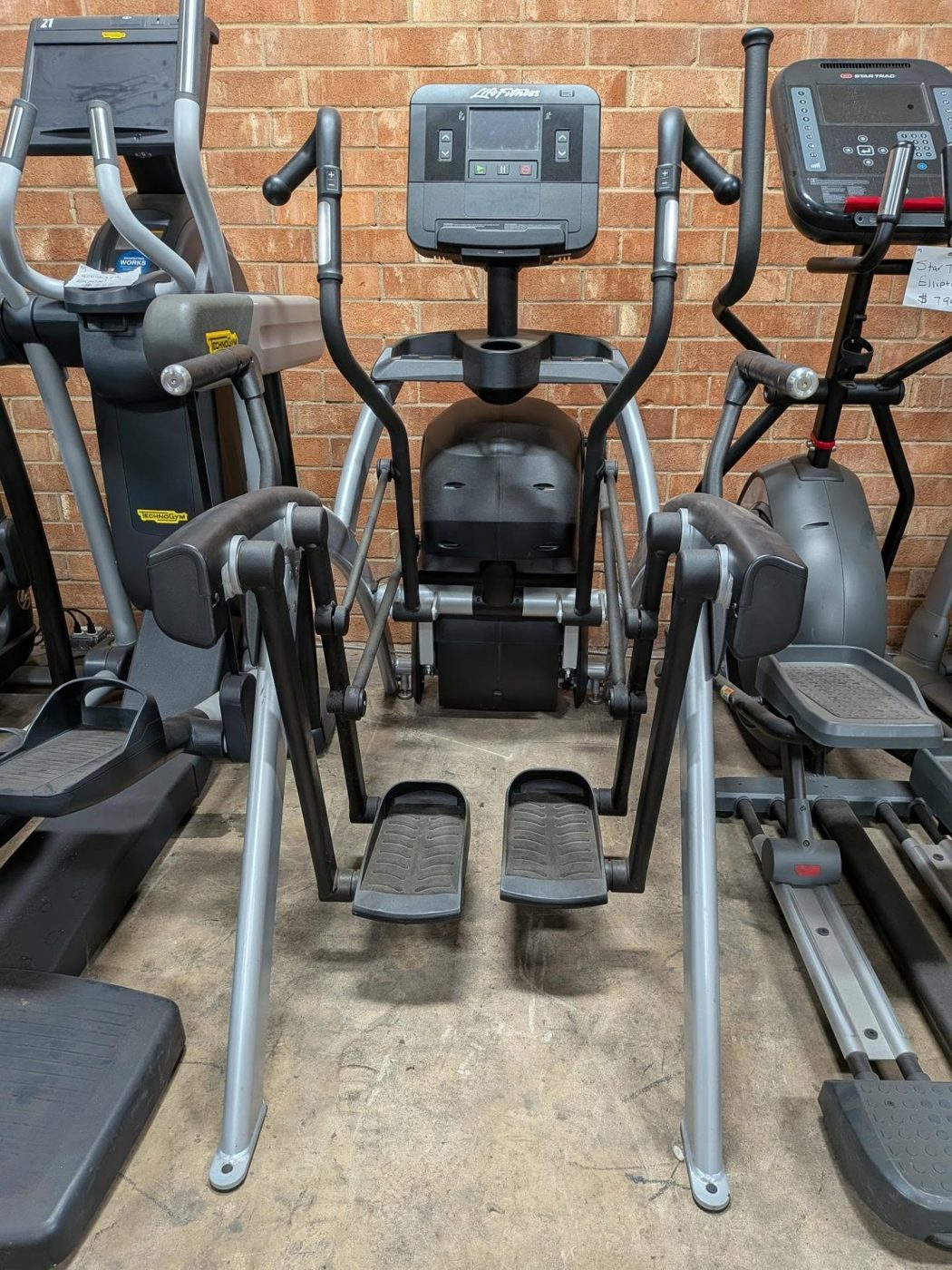
New to the arc machine? Here's how to set it up, use good form and follow three Arc Trainer workouts built for fat loss.
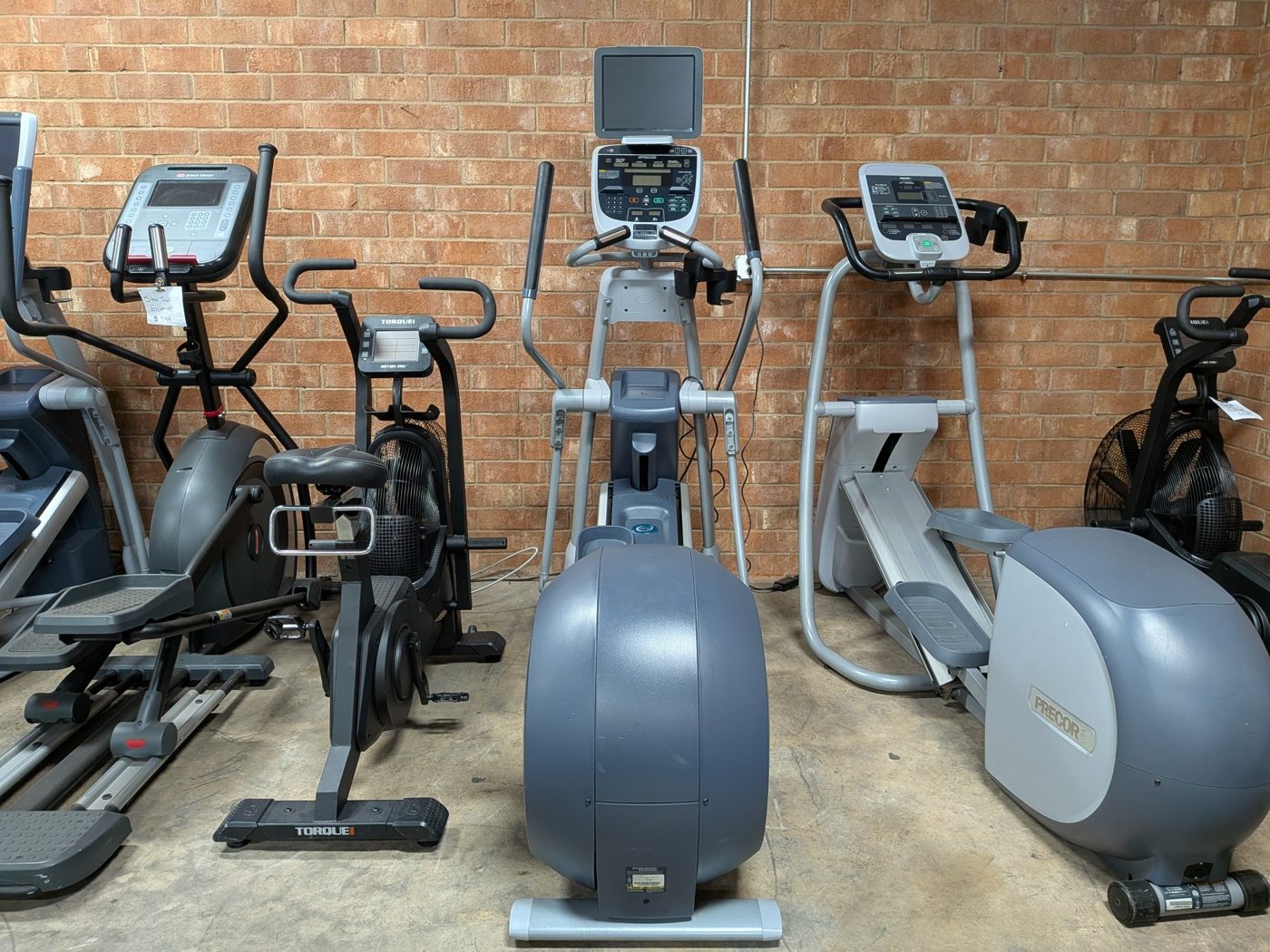
Arc Trainers are premium machines, so buying smart matters. Here's how to choose between new and used, home and commercial, and what to check before you pay.
AT, A, 525, 750, 770 — Cybex Arc Trainer model names follow a pattern. Here's how to decode them and which models suit home and commercial use.
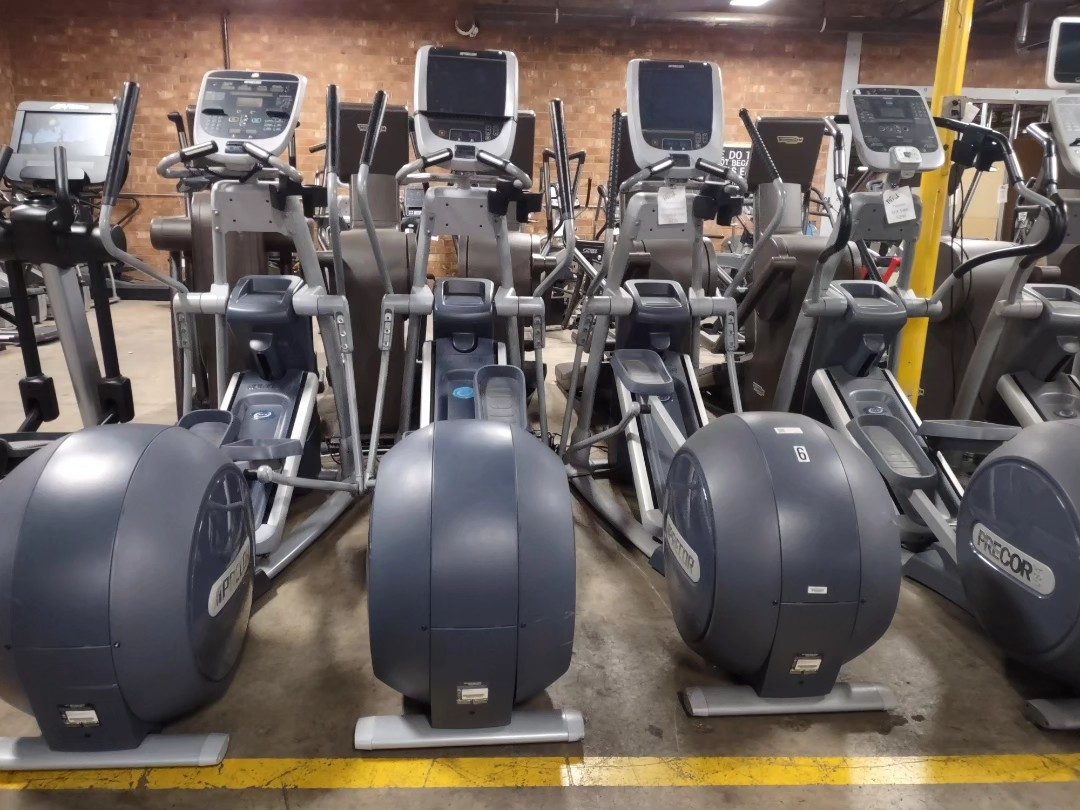
They look alike, but the Arc Trainer and the elliptical move differently. Here's the real difference — and how cross trainers and AMTs compare too.
It looks like an elliptical, but it moves differently. Here's what the Arc Trainer is, how its arc-shaped motion works and why so many gyms keep a row of them.
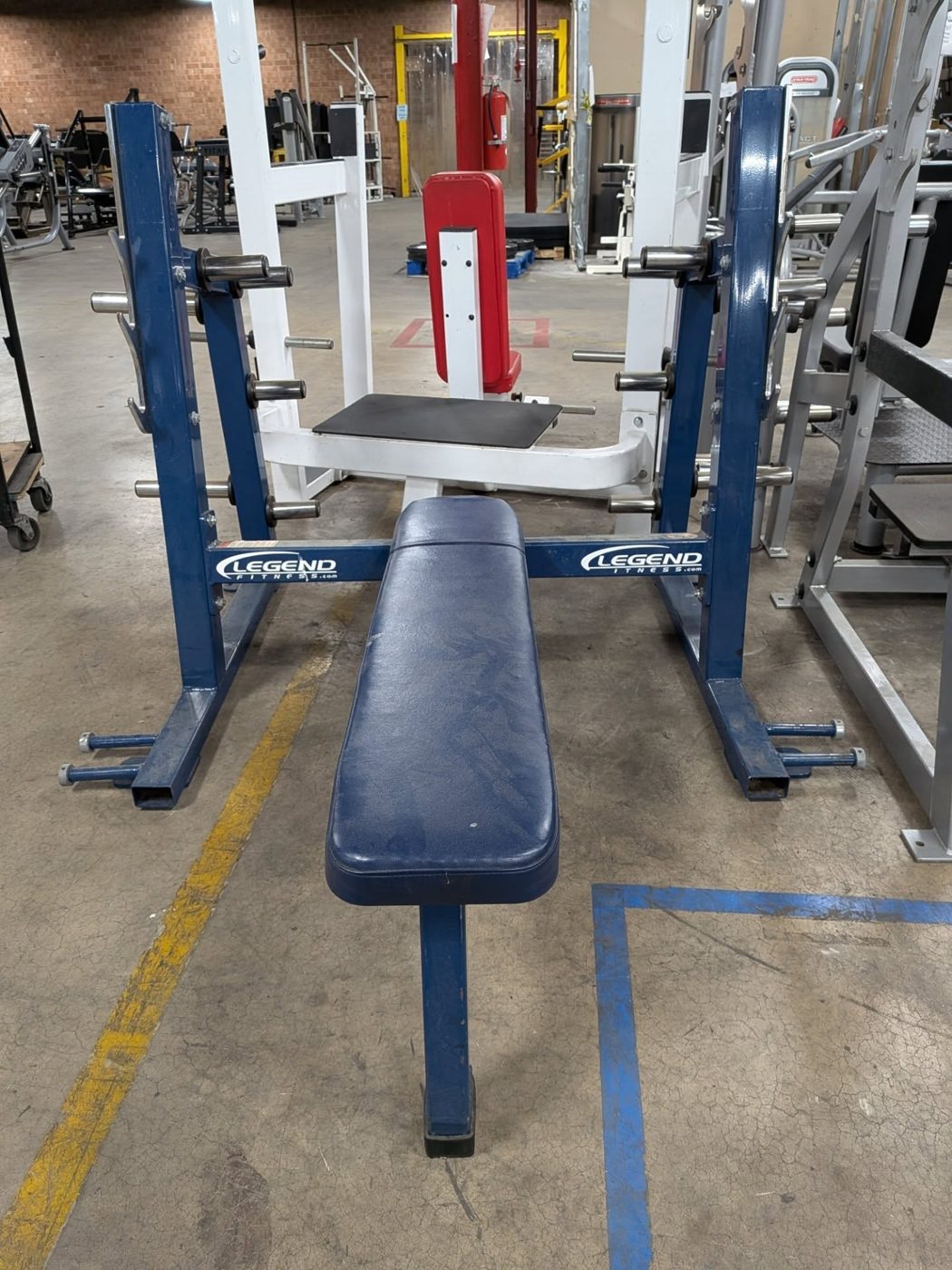
Classic iron has a following for good reason. Here's what old school gym equipment is worth buying, which vintage brands to look for and what to check before you restore it.
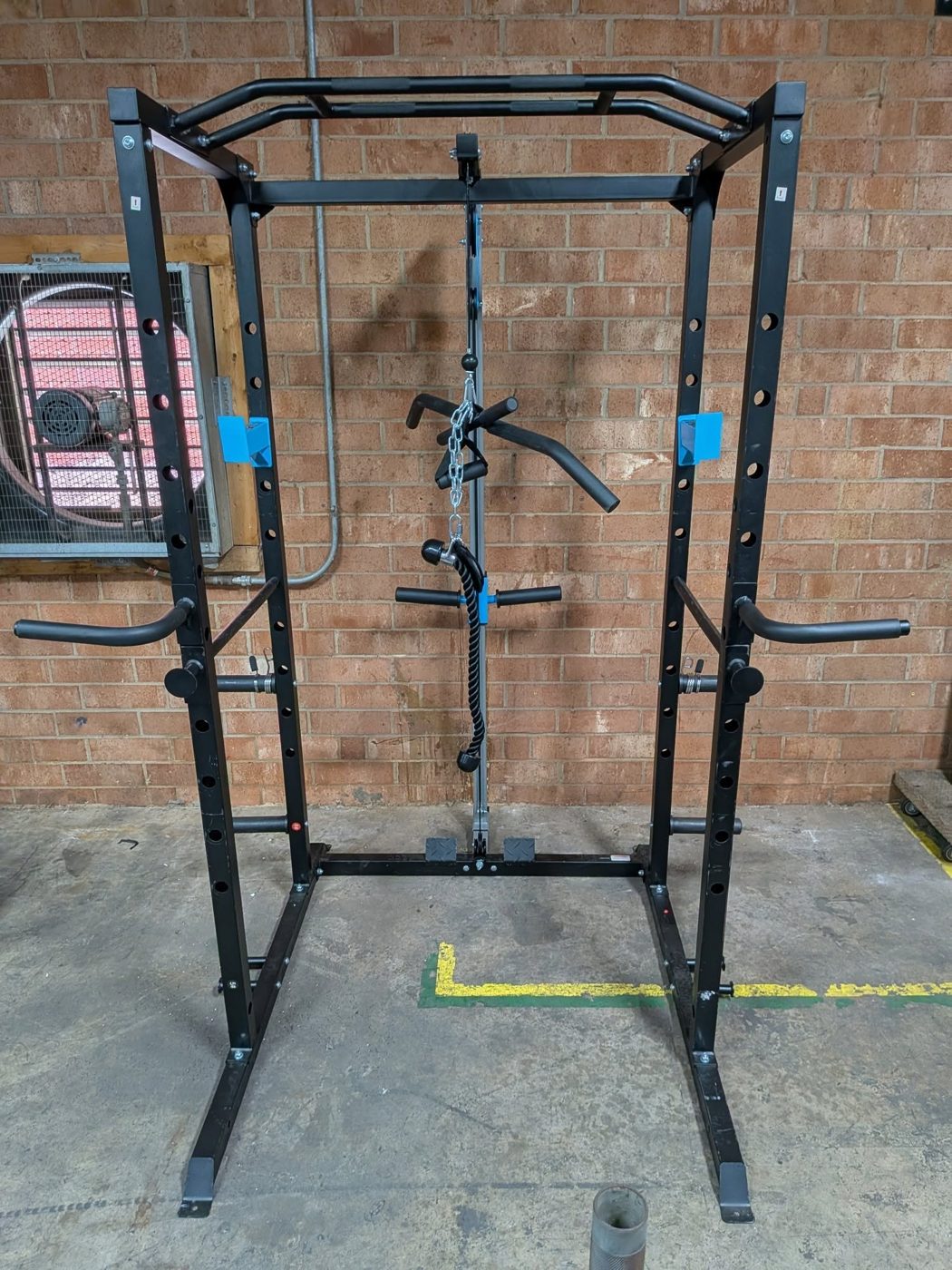
Lower prices, commercial quality and less waste — here are the real benefits of buying used gym equipment, and the risks to manage along the way.
Big gym chains refresh their floors regularly, sending lots of commercial equipment to the used market. Here's what to know before buying ex-Planet Fitness or other chain machines.
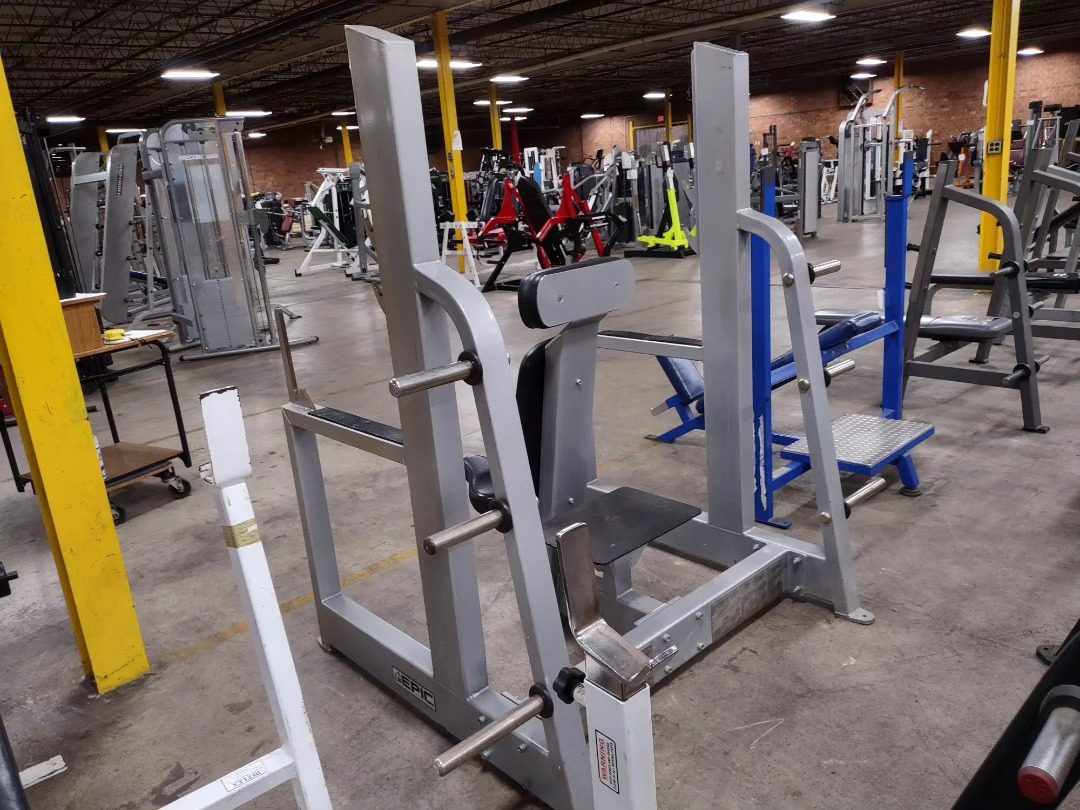
A used home gym can give you a full-body workout for a fraction of the new price. Here's what to look for in second hand multi-station gyms and used home workout equipment.
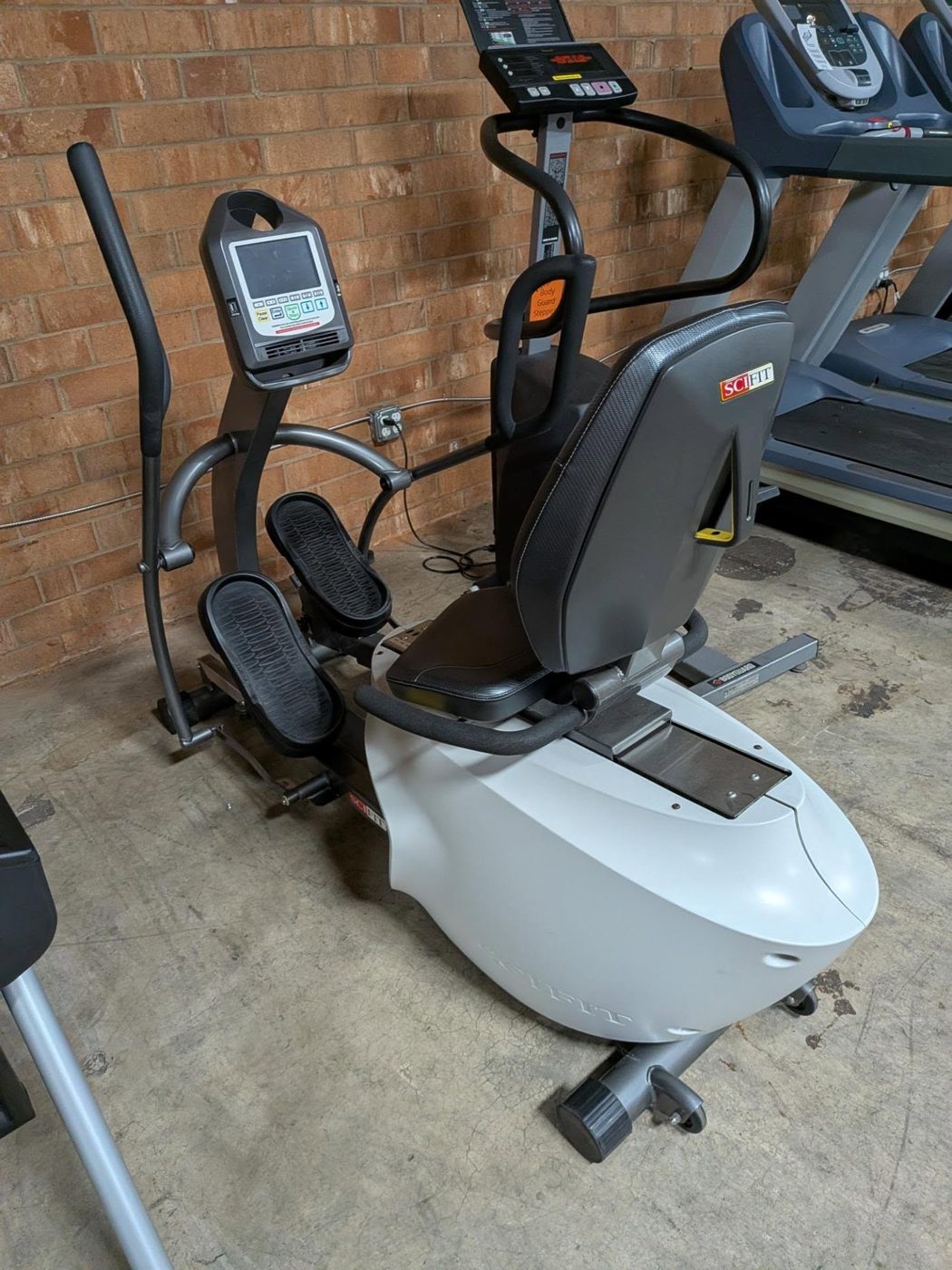
Cardio machines have more moving parts than strength gear, so buying used takes more care. Here's how to choose and test second hand treadmills, ellipticals, bikes and rowers.
Used commercial equipment can cut the cost of opening or expanding a gym dramatically. Here's how to plan, source and inspect a pre-owned equipment package.
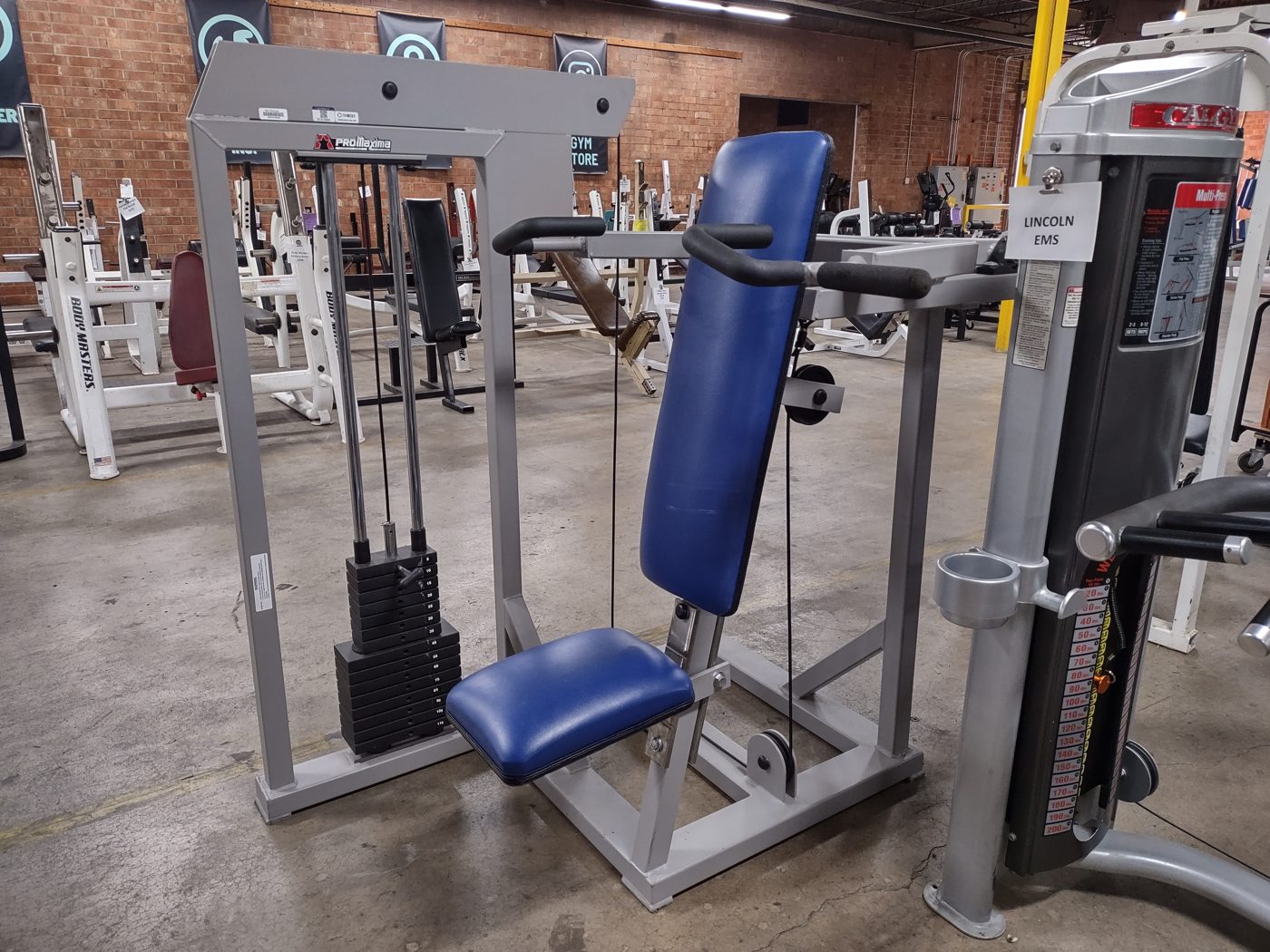
Buying local saves on freight and lets you test before you pay. Here's how to find used exercise equipment stores and fitness machines for sale near you.
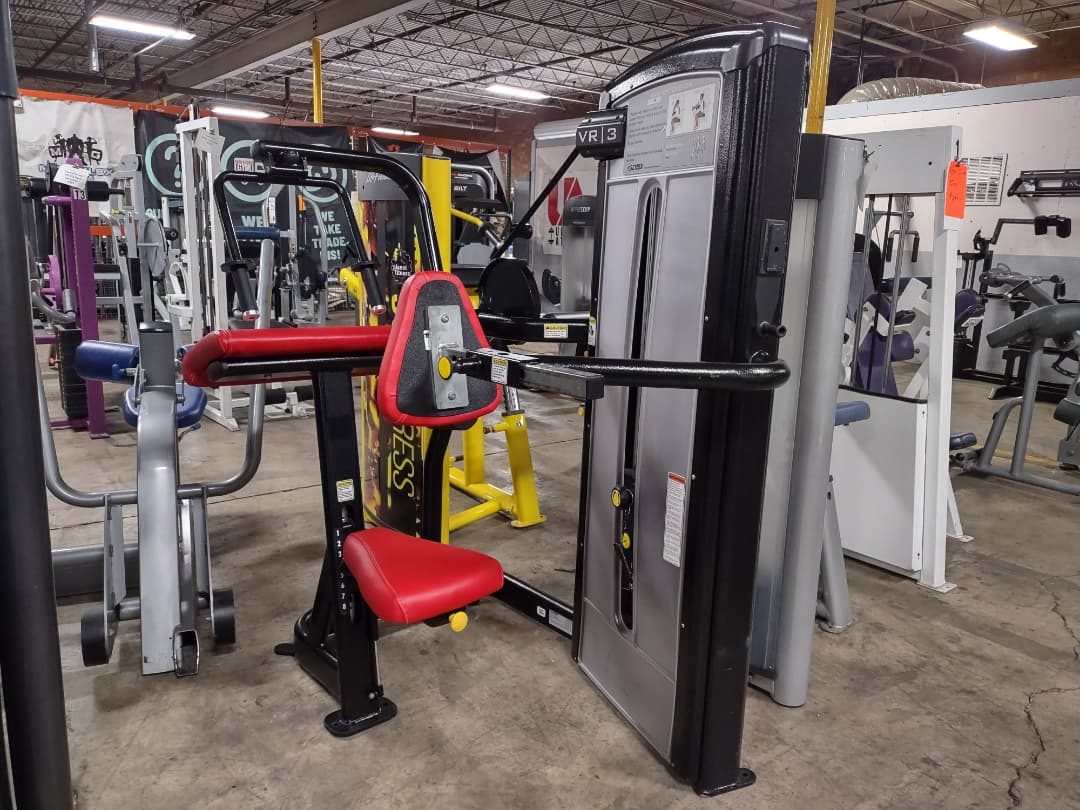
From specialist marketplaces to gym liquidations and local listing apps, here's where to buy used fitness equipment — and the pros and cons of each.
Refurbished, remanufactured, reconditioned — the labels vary and so does the work behind them. Here's how to tell a true refurbished machine from a cleaned-up used one.
A used Life Fitness treadmill is one of the best-value commercial cardio buys. Here's how the series compare, what to test and what a fair deal looks like.
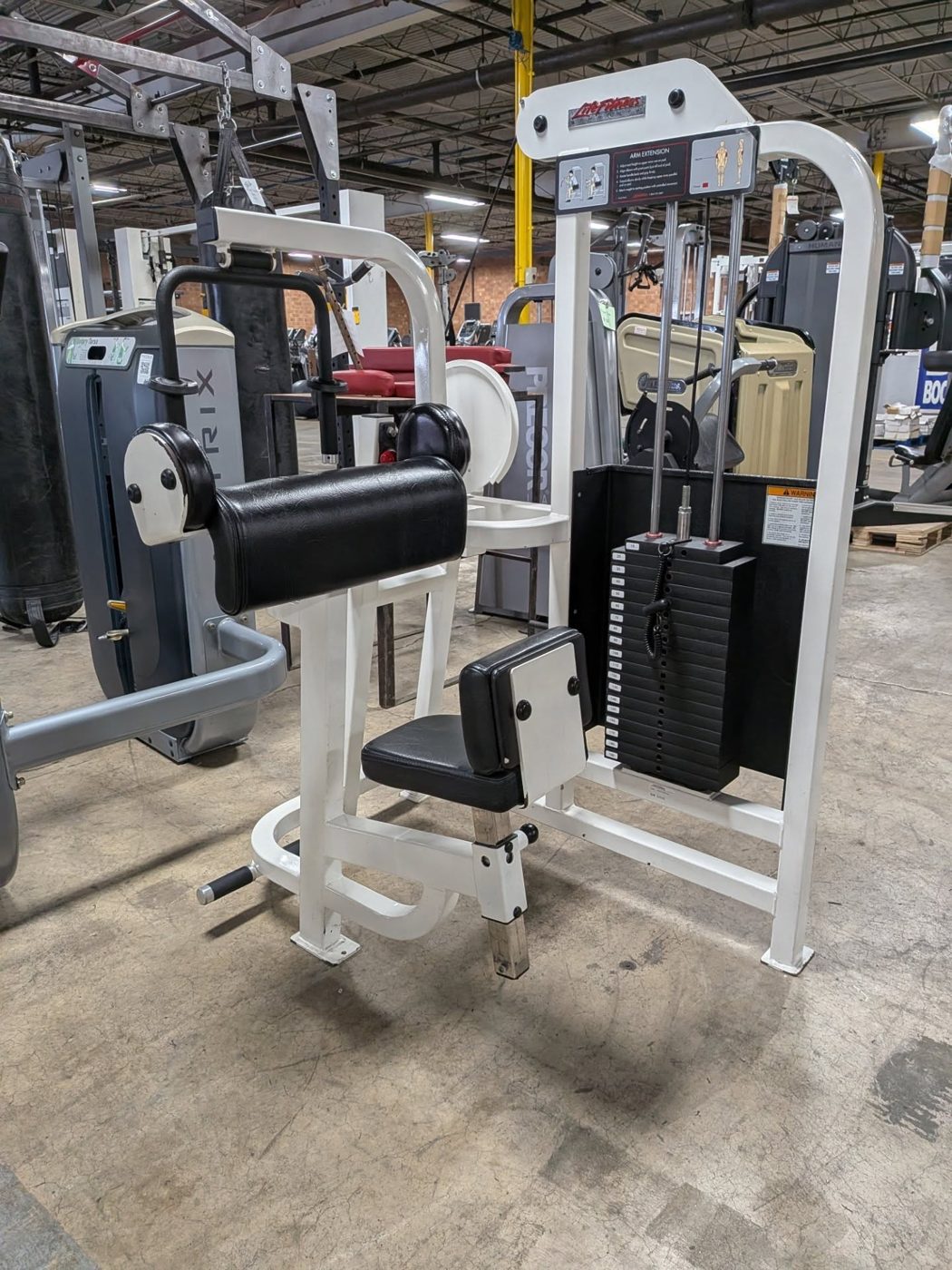
Life Fitness is one of the most popular brands on the used market. Here's what second hand Life Fitness exercise equipment is available, how the product lines compare and what to inspect.
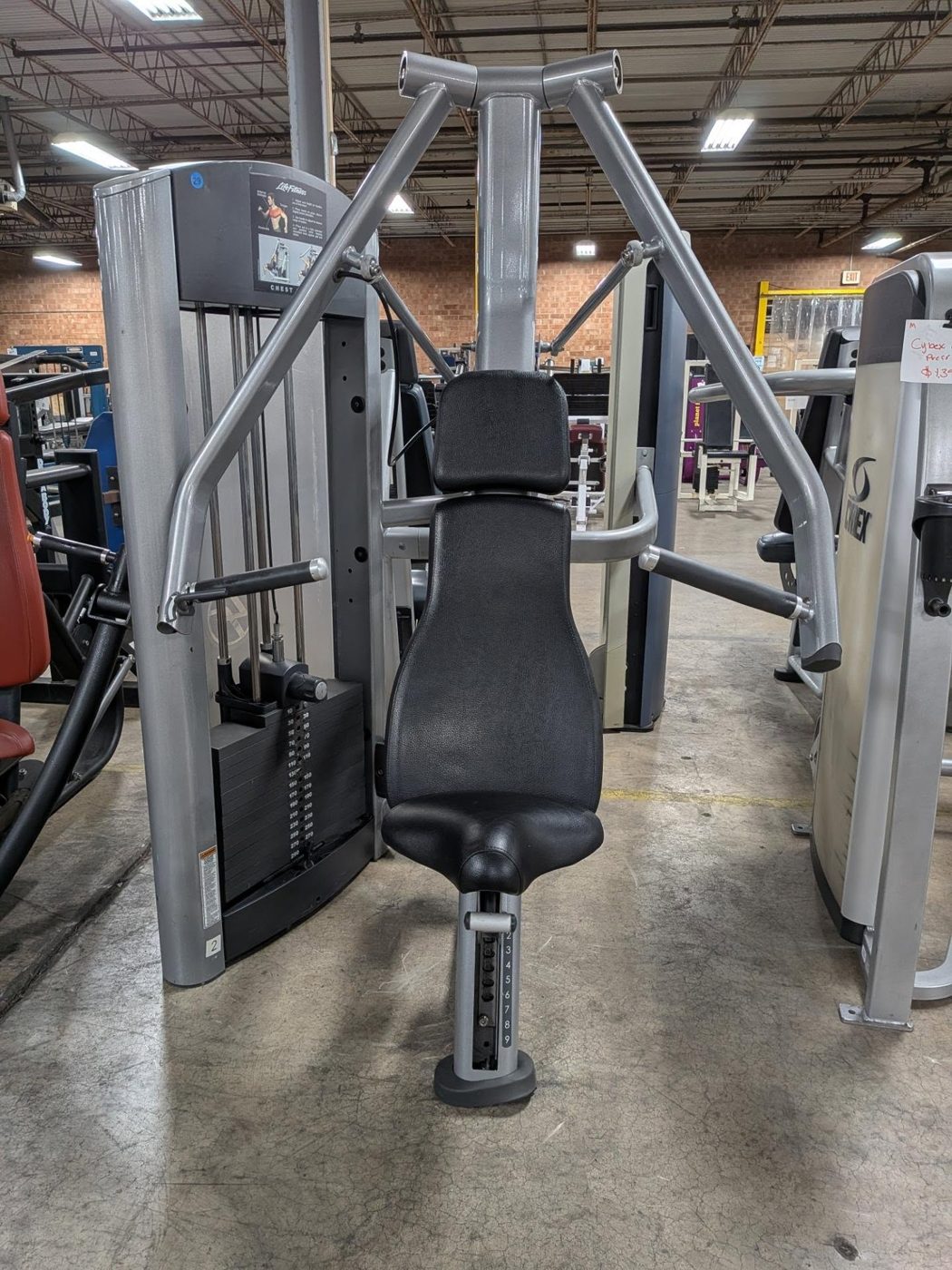
Used gym equipment can cost a fraction of new and outlast home-grade gear. Here's what's out there, what it costs and how to buy second hand fitness equipment with confidence.
Muscles worked, good form, and three elliptical workouts you can use today — getting the most from your cross trainer.
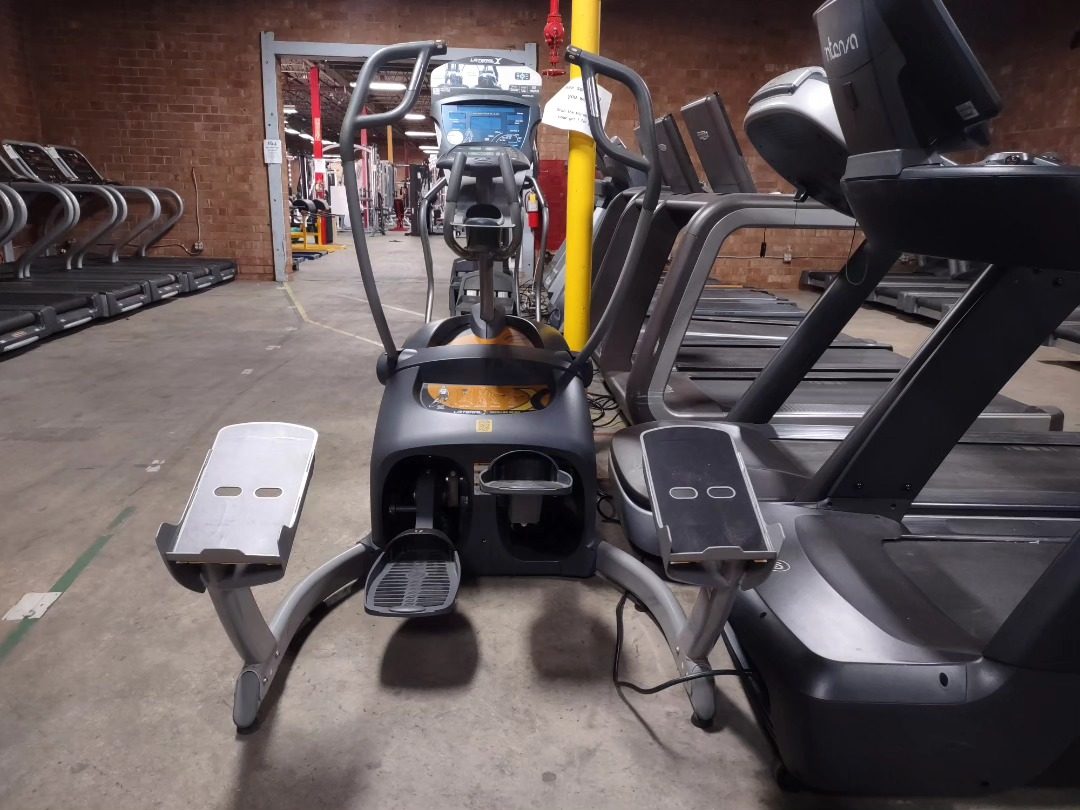
Arc trainers, AMTs, stepper ellipticals and lateral trainers — the elliptical-like machines worth knowing about.
Retailers, dealers, used marketplaces and seasonal sales — how to buy an elliptical machine for the right price.
Both are low impact, but they train your body differently. Here's how ellipticals and stationary bikes compare — and when a hybrid makes sense.
Treadmill, elliptical, bike, rower, stepper or hybrid — what each cardio machine does best and how to choose the right one for your goals.
What separates a commercial elliptical from a home model, which brands lead the market, and how to get commercial quality for less.
Side-to-side elliptical training and zero-impact running — how Octane's two most distinctive machines work and who they're for.
A seated, supported, low-impact workout that still trains the whole body — here's how recumbent ellipticals work and who they're best for.
Octane built its name on ellipticals. Here's how the Q35, Q37, Q47 and commercial Pro series compare — and what to check before you buy one.
From the utility bench to the preacher curl bench, here's what every common gym bench is for and which ones your gym really needs.
Bench plus dumbbells or bench plus bar and plates — how to put together a bench and weights setup that's safe, compatible and built to grow with you.
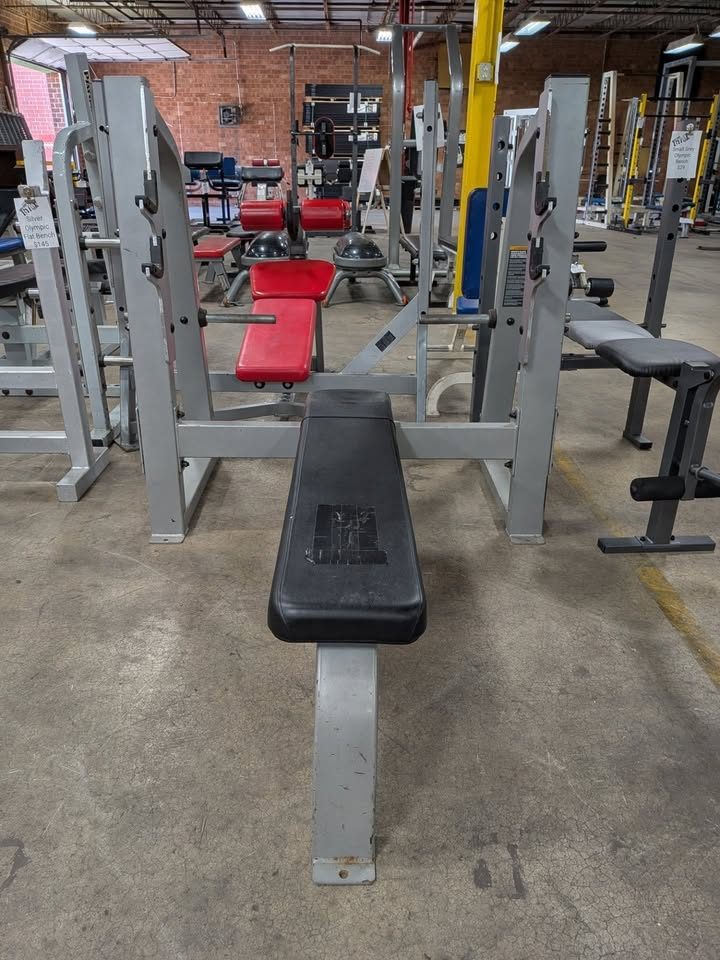
From budget flat benches to commercial Olympic stations — what drives weight bench prices, and where the best value really is.
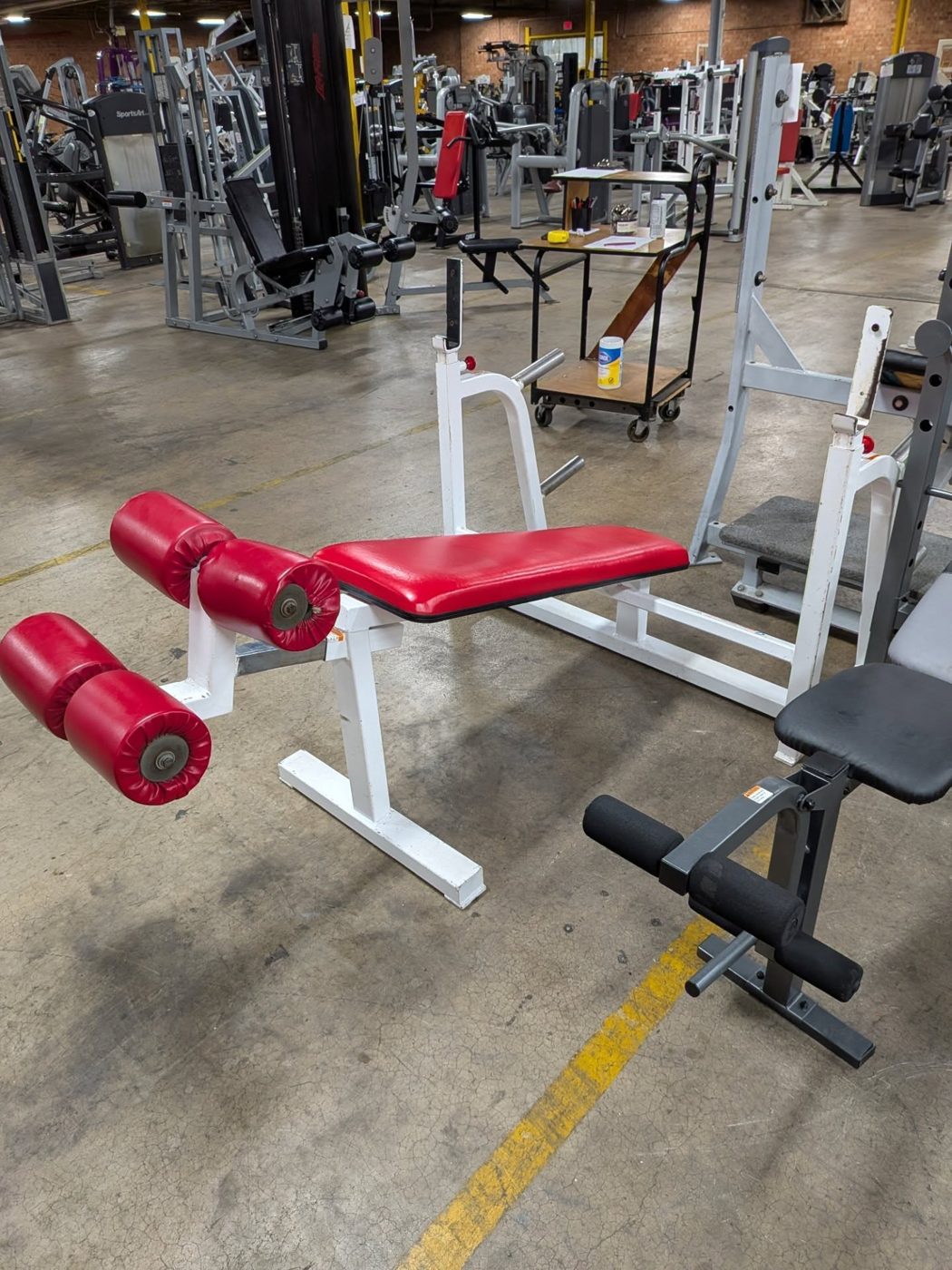
What each bench angle actually trains, and how to decide between fixed benches and an incline-decline weight bench.
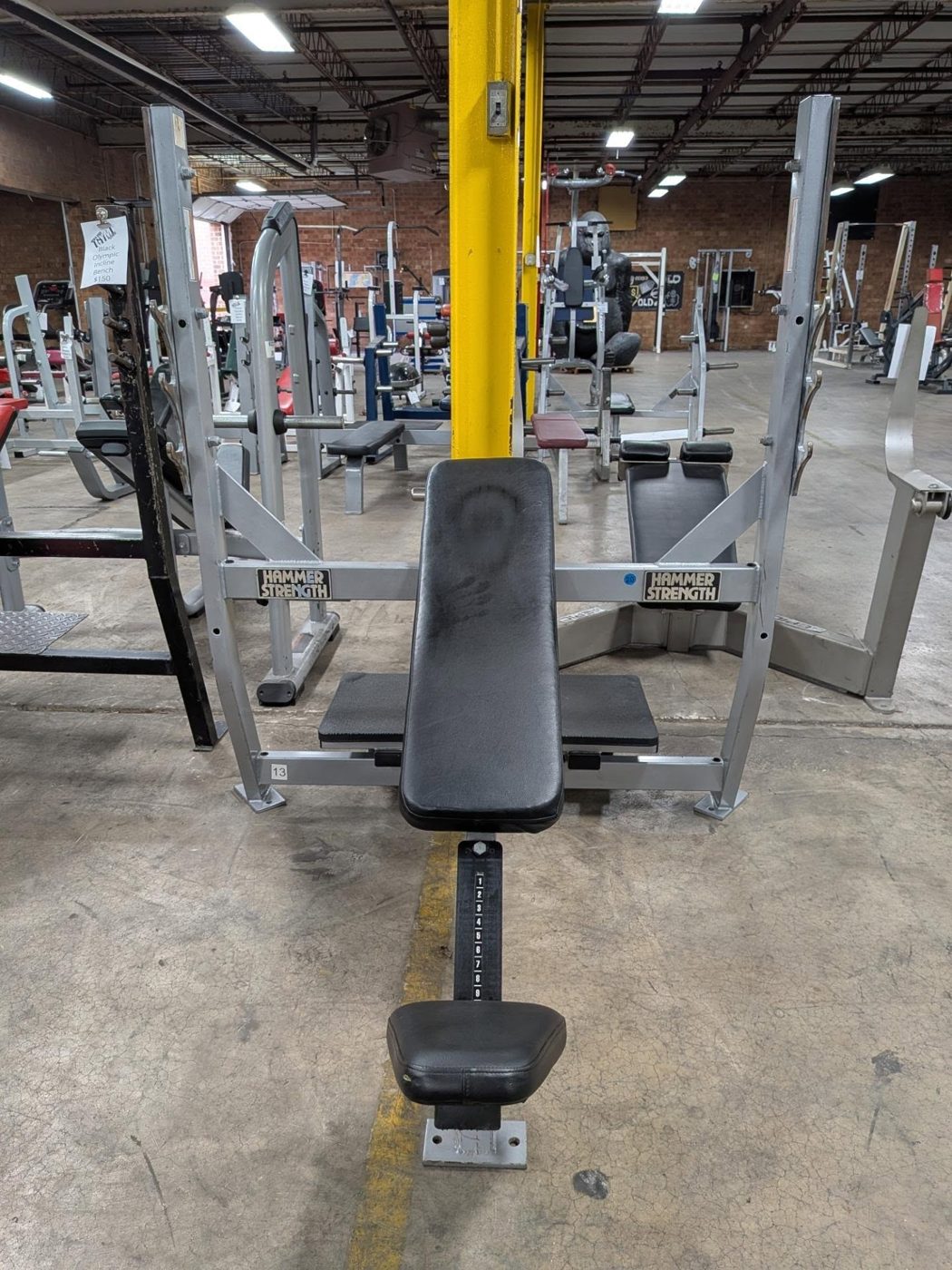
Thicker steel, bigger capacity, tougher pads — what makes a commercial gym bench different, and why heavy-duty benches are worth it for gyms and serious home lifters.
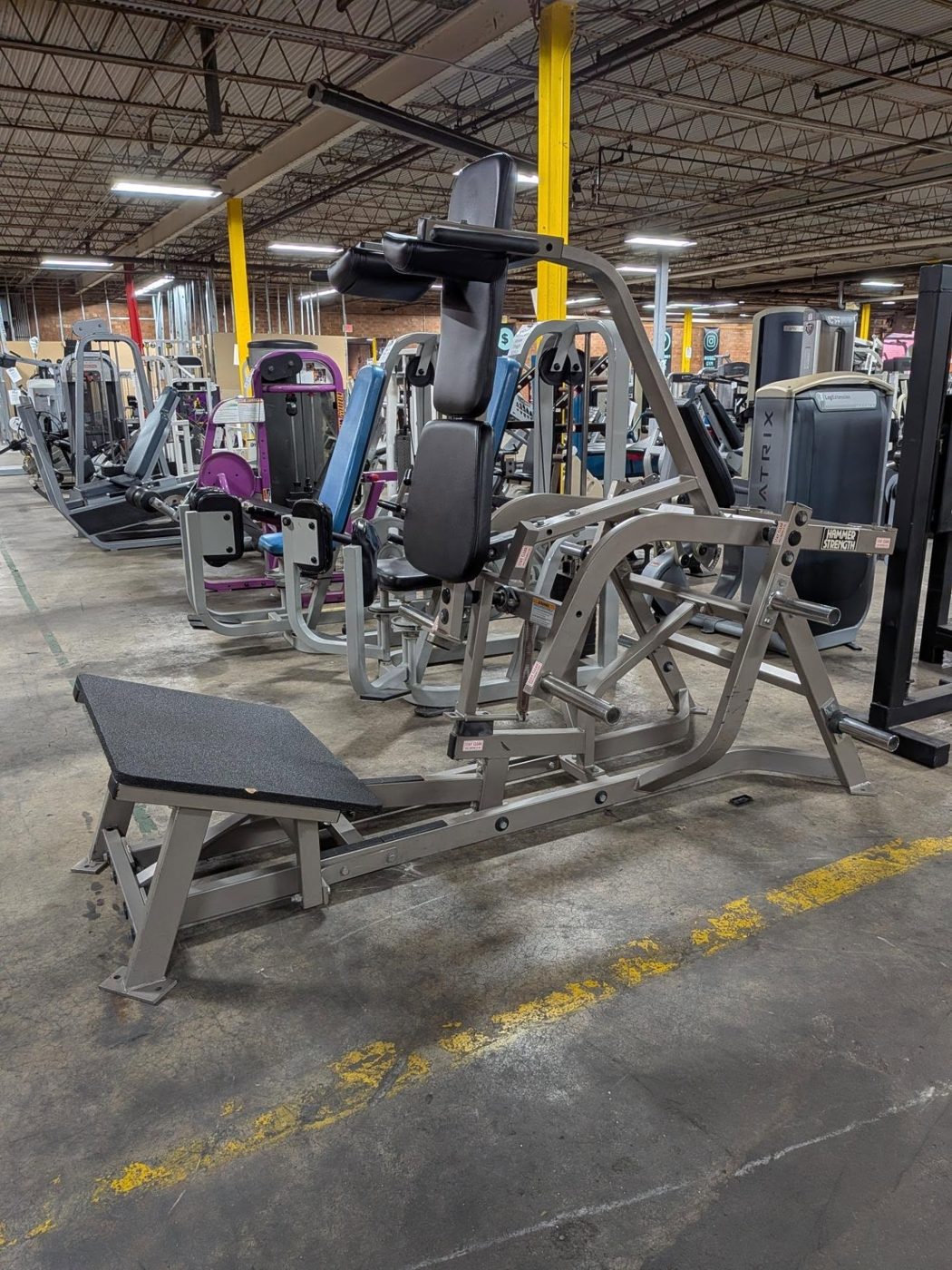
Iso-lateral bench, incline and decline presses, plate-loaded vs. MTS, plus Hammer Strength benches — what to know before buying Hammer Strength chest equipment.
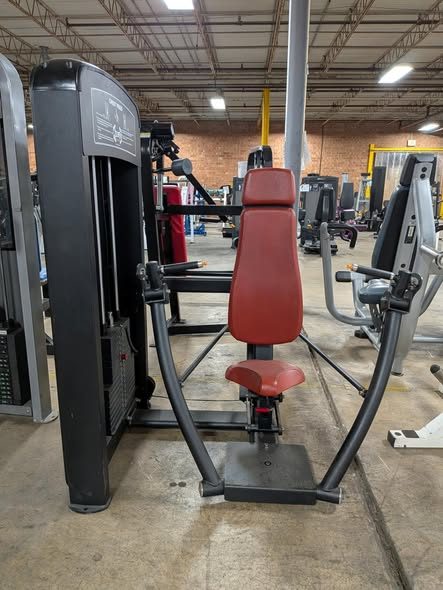
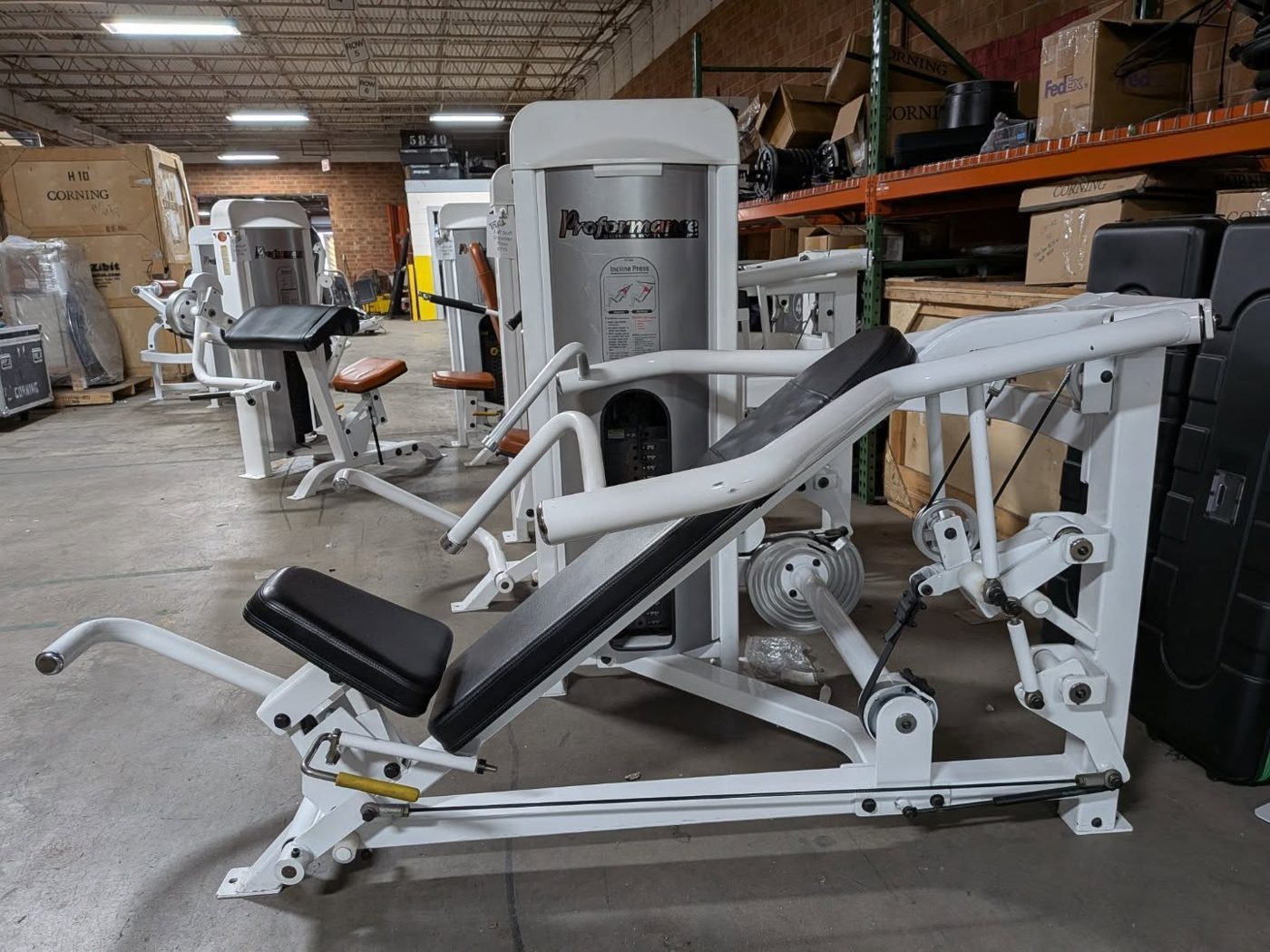
Plate-loaded or selectorized, converging or fixed path — how incline press machines work and what to look for before you buy one.
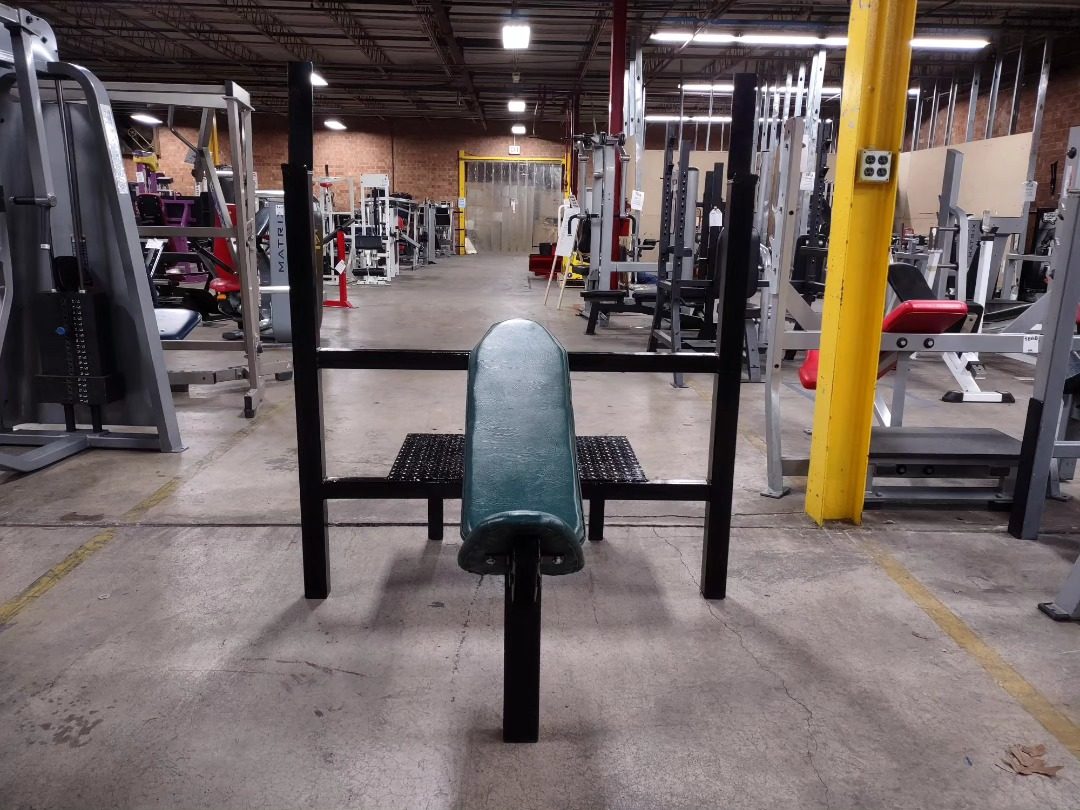
Built-in uprights, spotter platforms and commercial steel — what to know about Olympic benches before you buy one for barbell bench press.
Simple, stable and nearly indestructible — here's why a flat weight bench still belongs in almost every gym, and what to check before you buy one.
Space, budget, stability and the exercises you actually do — how to pick a workout bench that earns its spot in your home gym.
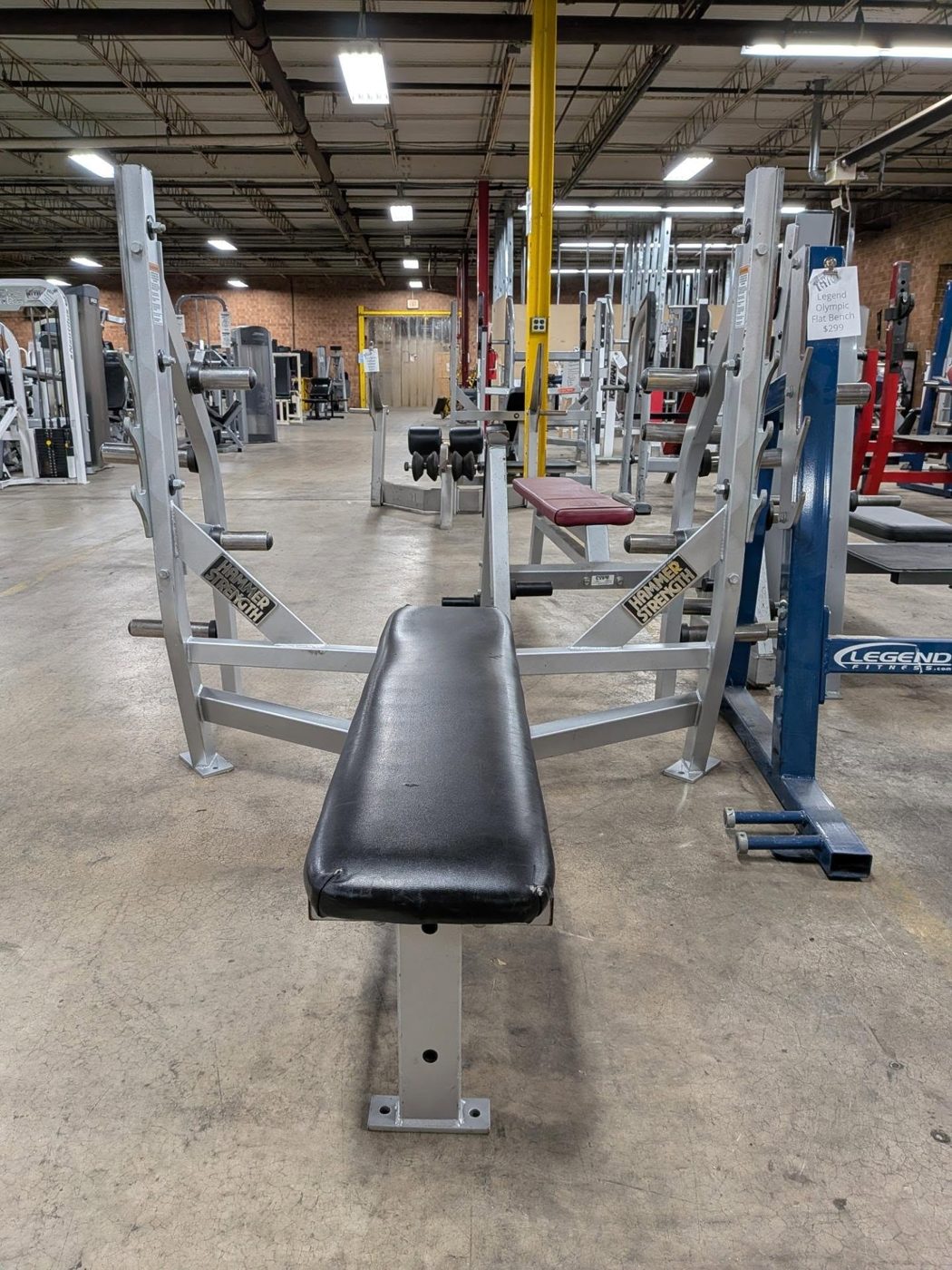
Back angles, pad gap, weight capacity and adjustment style — everything that separates a great adjustable weight bench from one you'll replace in a year.
Full-body, low-impact cardio built for commercial floors — here's what to know about Technogym ellipticals and cross trainers before you buy.
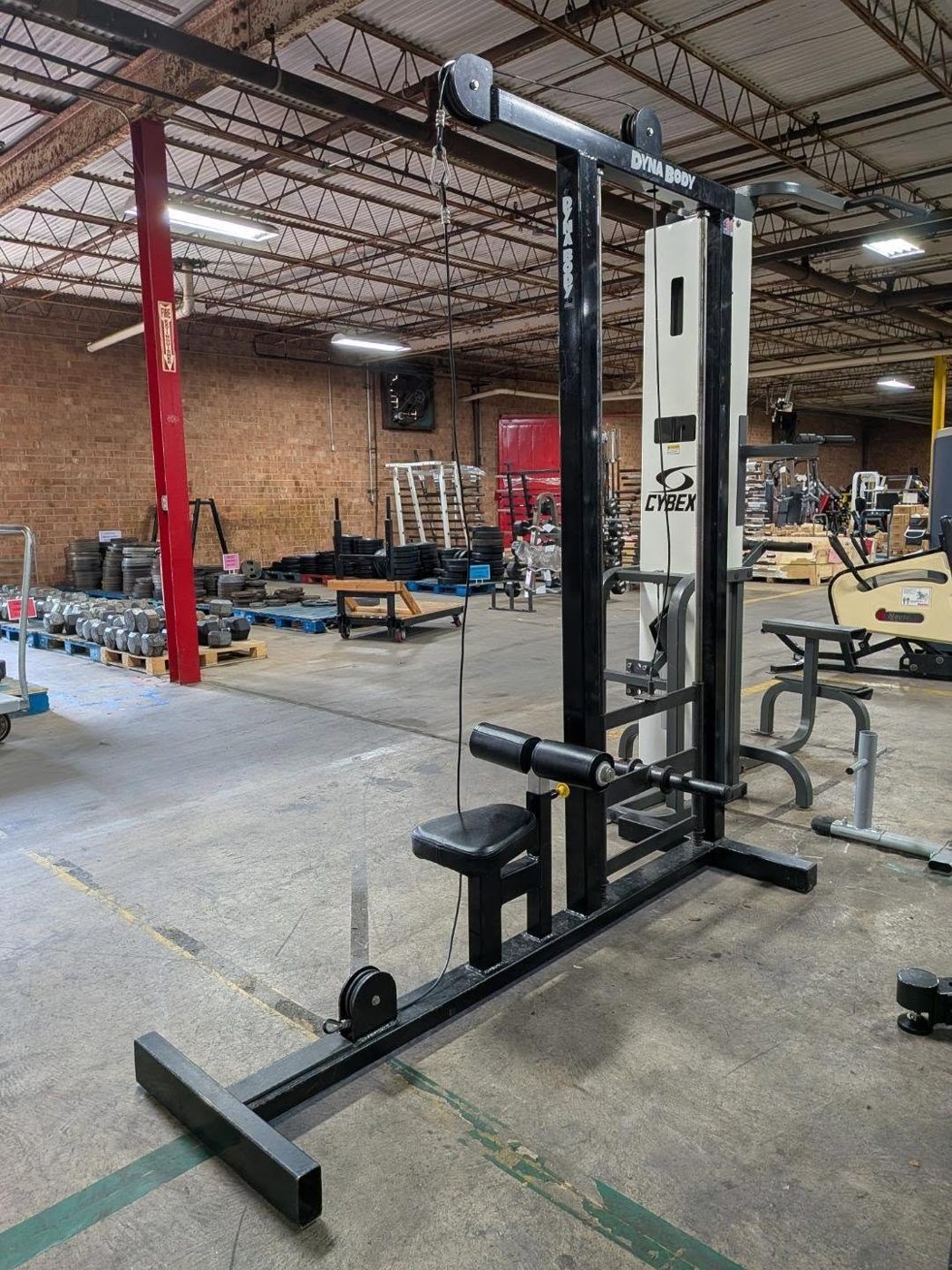
Big-box gym, boutique studio, hotel or university facility — here's how to match a commercial gym equipment brand to your specific facility and member base.
NordicTrack, Rogue, or a used commercial-grade brand — here's how to choose a gym equipment brand that actually fits a home setup.
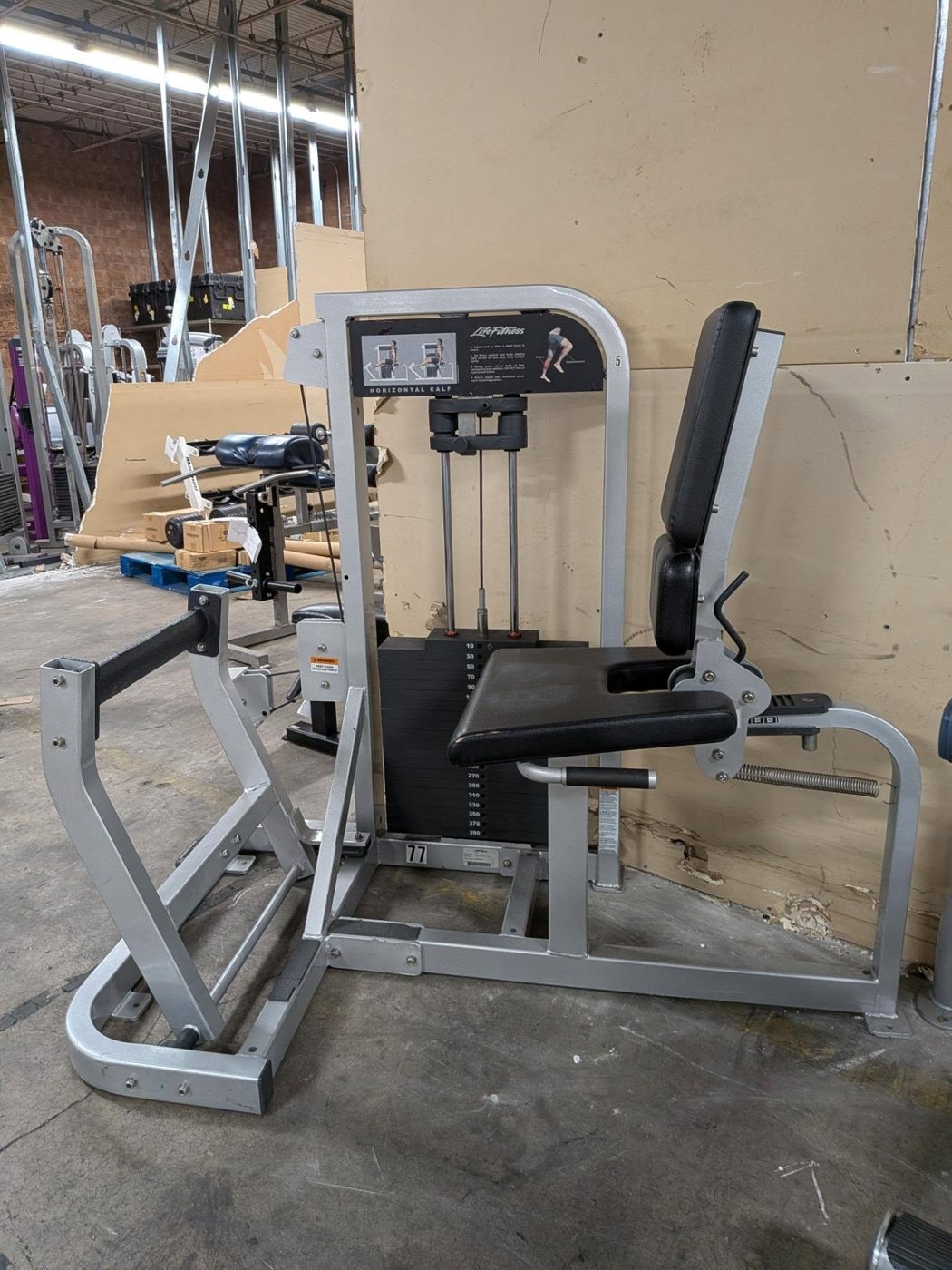
MTS and V Squat machines built for heavy, plate-loaded leg training — here's what Hammer Strength is known for, and how to shop for it new or used.
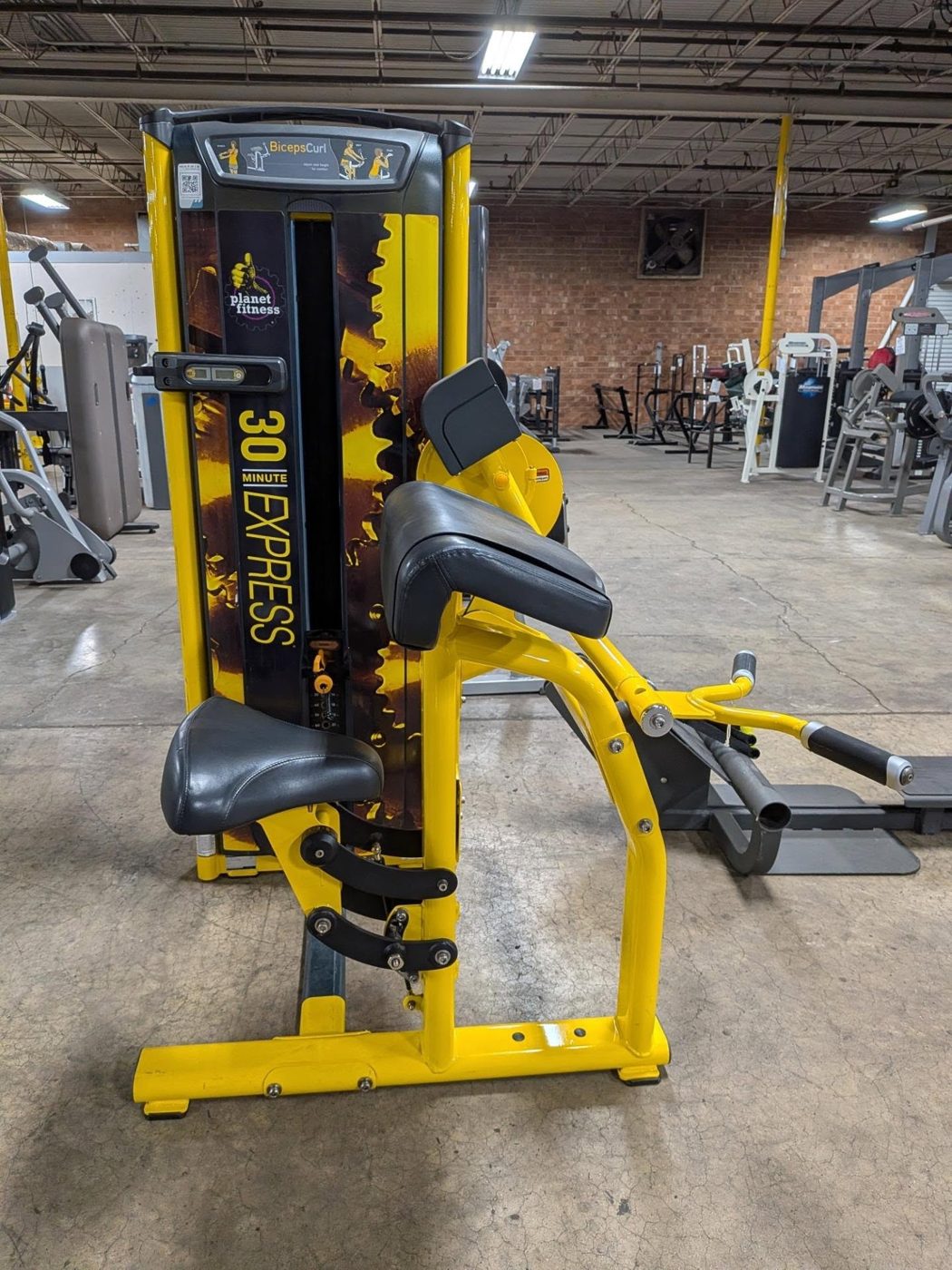
Lat pulldown, leg press, shoulder press and more — here's what Matrix Fitness's commercial lineup covers, and how to shop for it new or used.
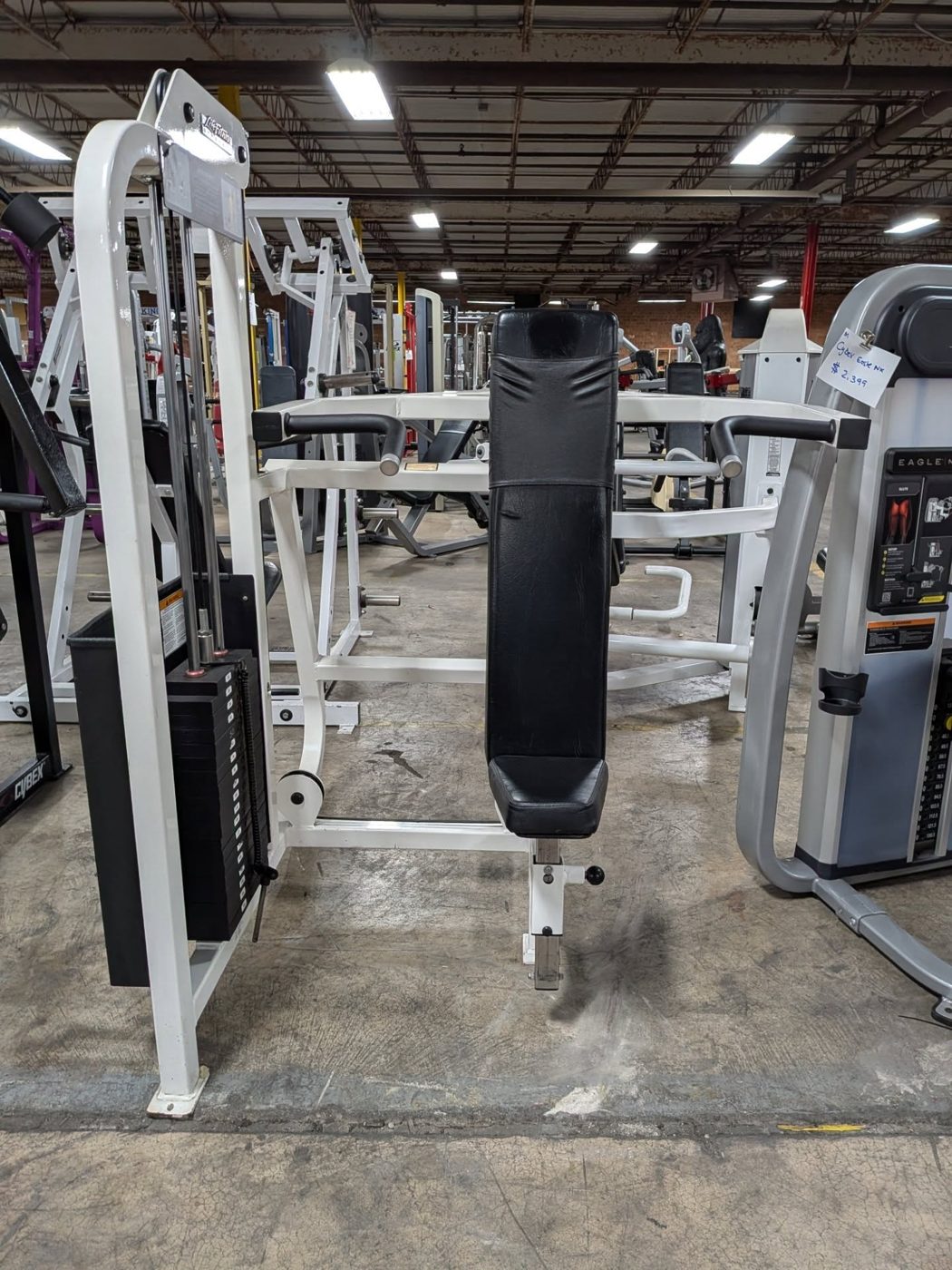
Chest press, arm curl, shoulder press and more — here's what Life Fitness's commercial strength lineup covers, and how to shop for it new or used.
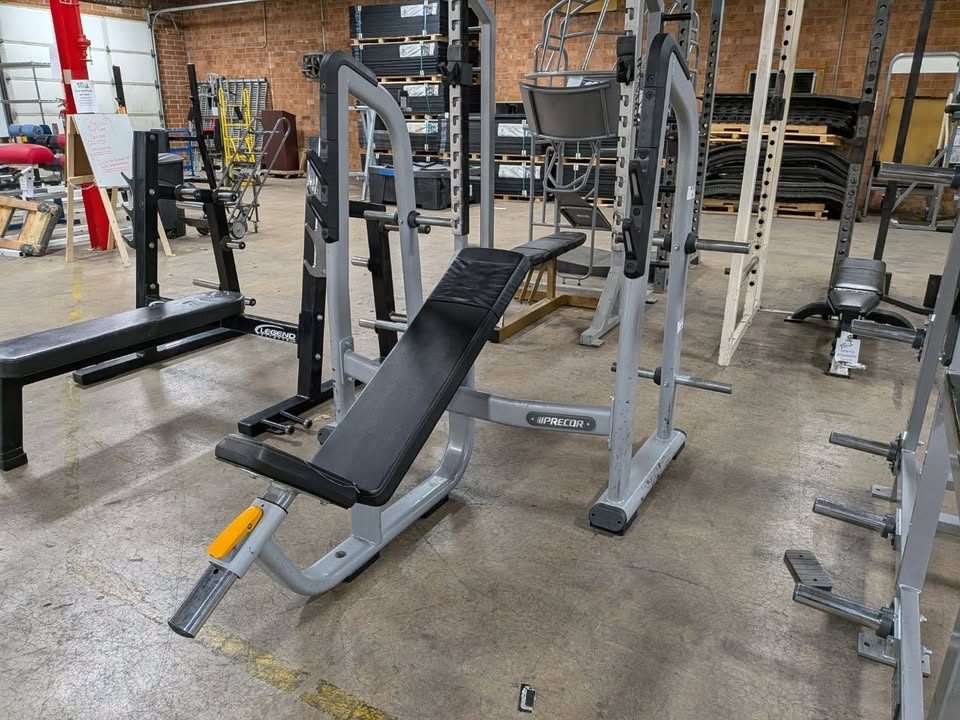
Chest press, pulldown, leg press and more — here's what Precor's commercial strength lineup covers, and how to shop for it new or used.
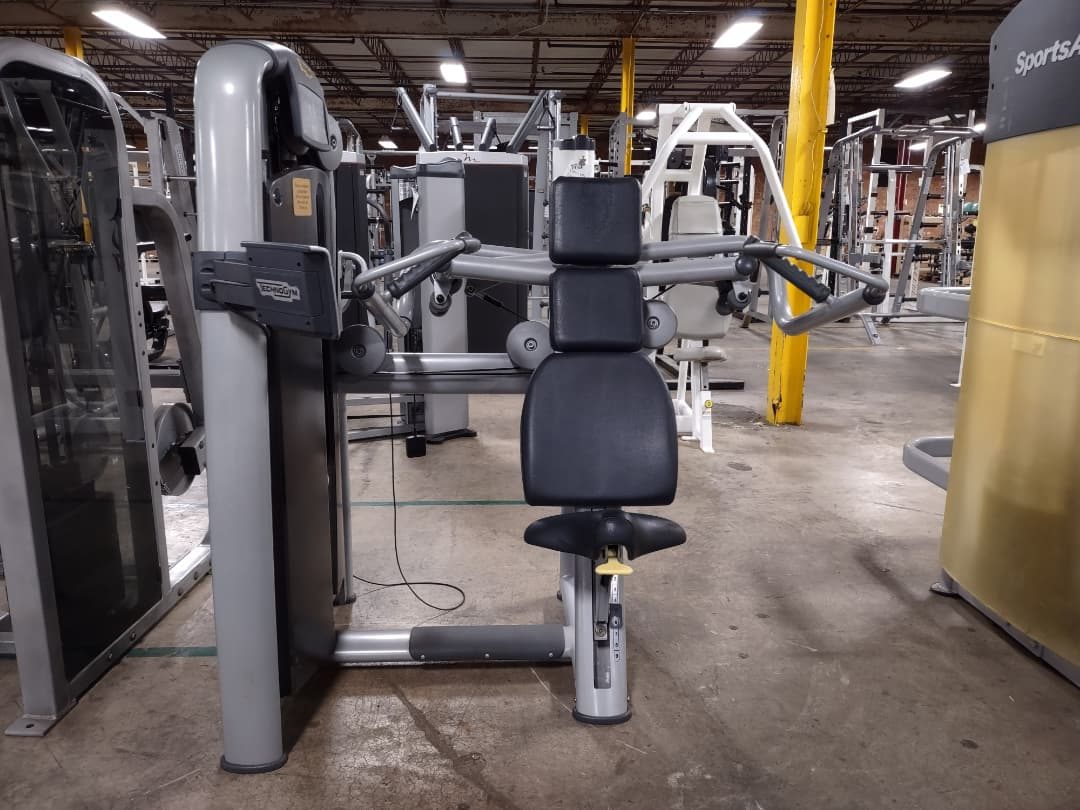
Pectoral, press, pulley and cable machines built for commercial floors — here's what Technogym is known for, and how to shop for it new or used.
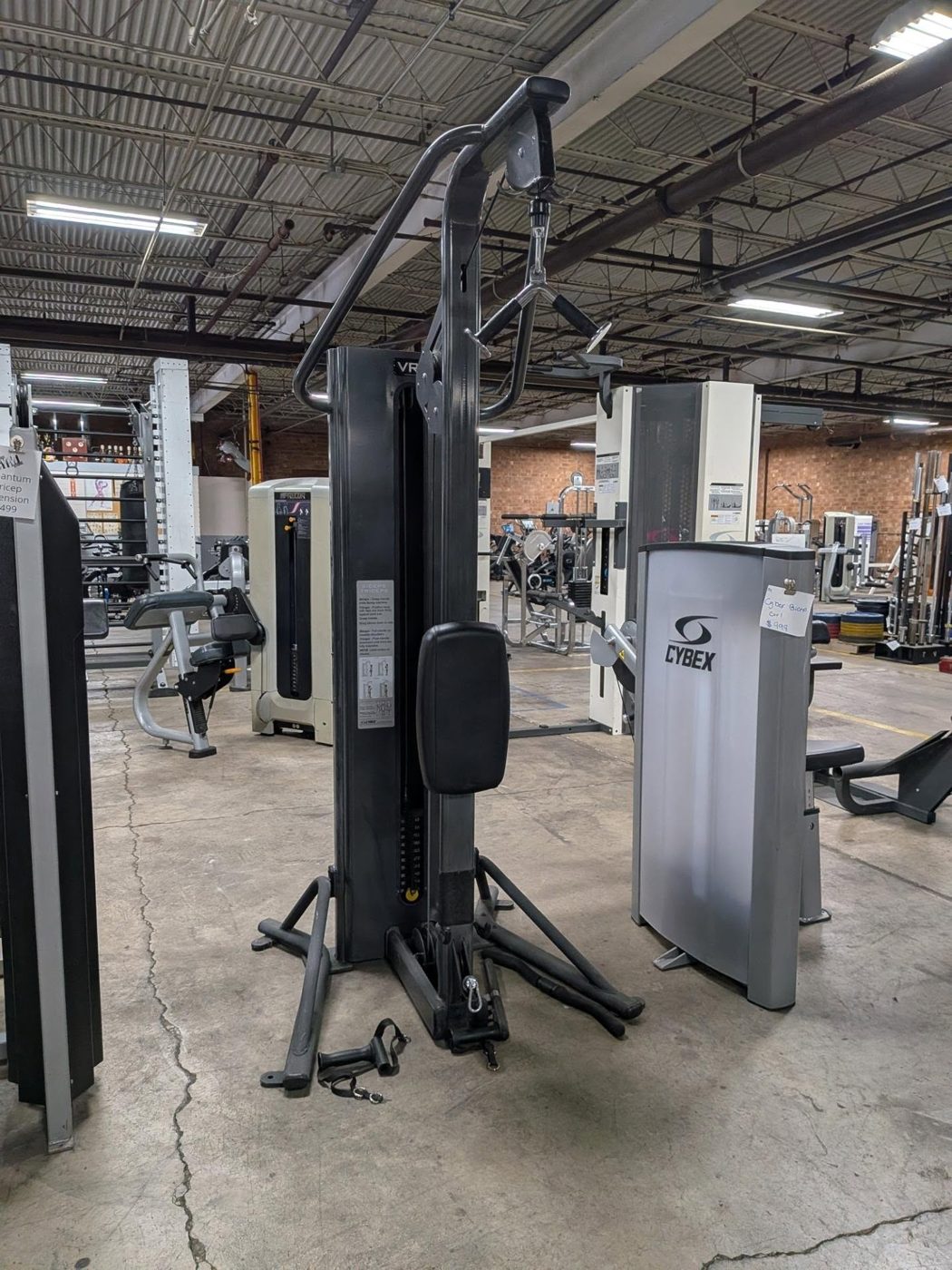
Eagle, VR and selectorized strength machines built for commercial floors — here's what Cybex is known for, and how to shop for it new or used.
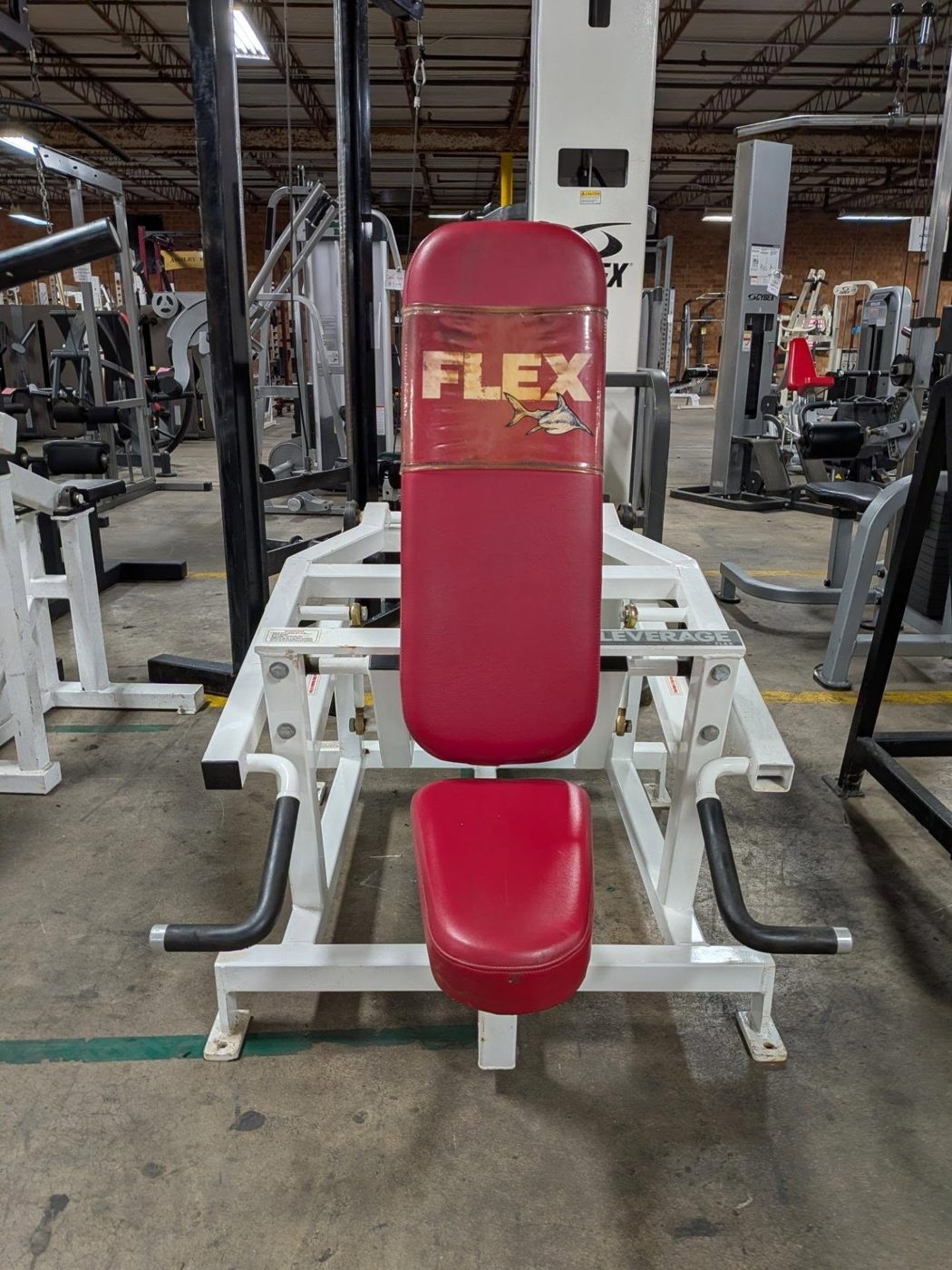
Plate-loaded machines trade a pin-selected weight stack for free weight plates you load yourself — here's how that changes the way they feel, fit and hold up over time.
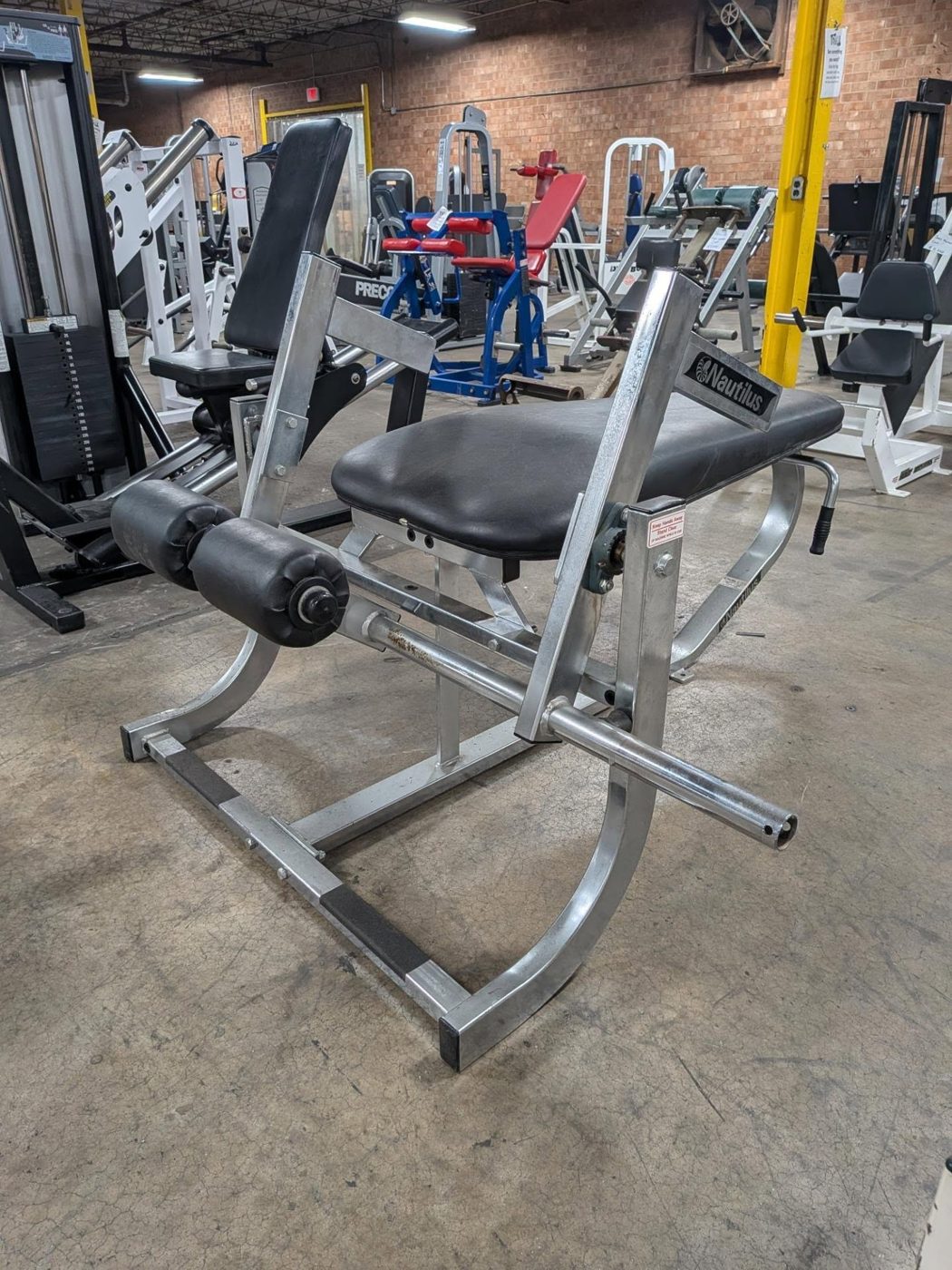
Leg extension trains the quads, leg curl trains the hamstrings — here's how seated, prone, standing and combo machines differ, and how to choose one.
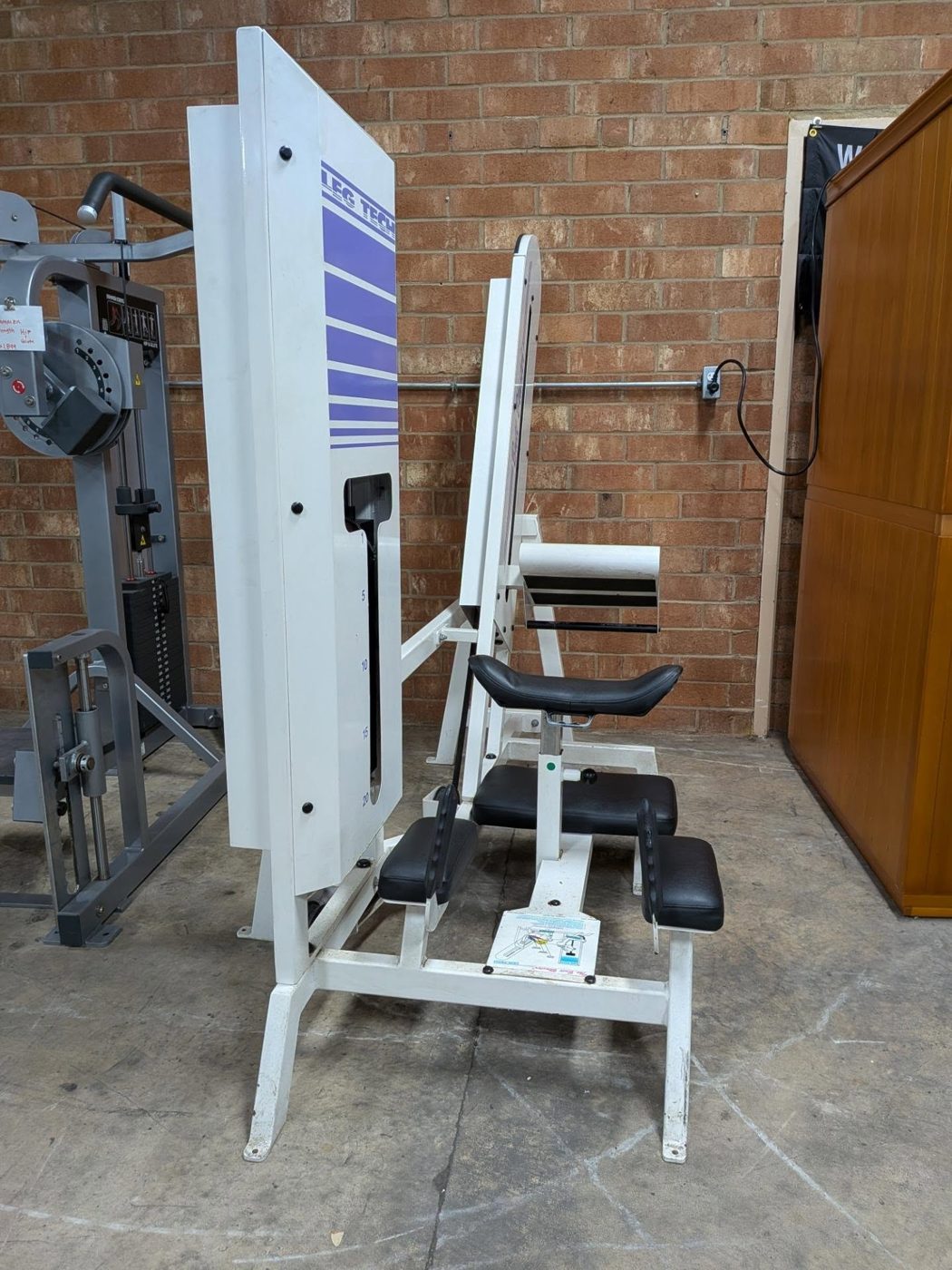
V-squat, calf raise, abductor and adductor machines each train the legs and hips differently — here's how to tell them apart and choose the right one.
Standing or seated, machine or dumbbell — here's how to choose a lateral raise machine and get real side-delt results from it.
Dedicated shrug machine, Smith machine, or dumbbells and a barbell — here's how each one trains the trapezius, and how to choose the right one.
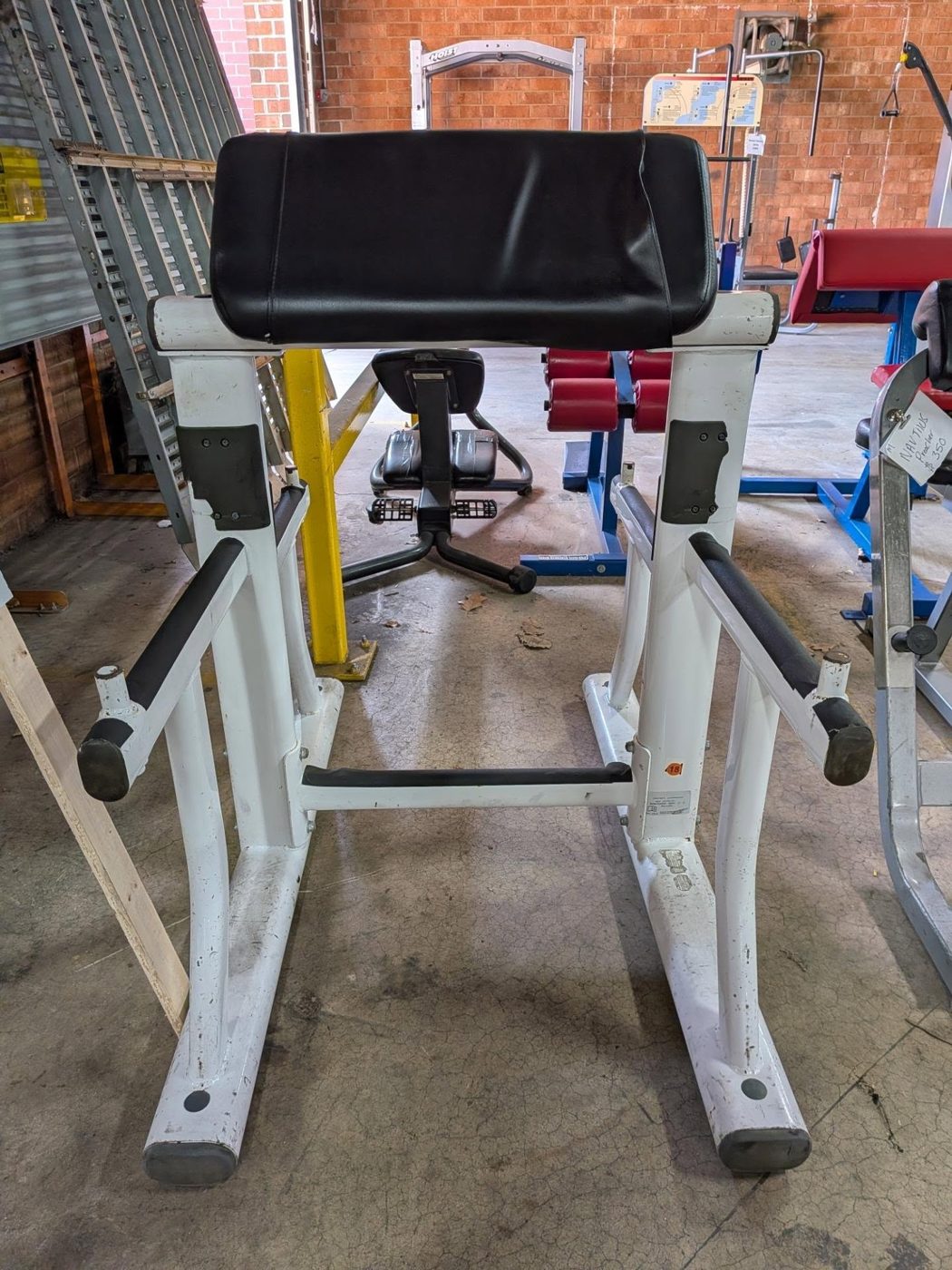
Biceps pull, triceps push — opposing muscles that happen to pair perfectly on arm day. Here's how to structure a machine-based session for both.
Tricep pushdown, seated extension or arm extension machine — here's how to tell them apart, what they work, and how to use one correctly.
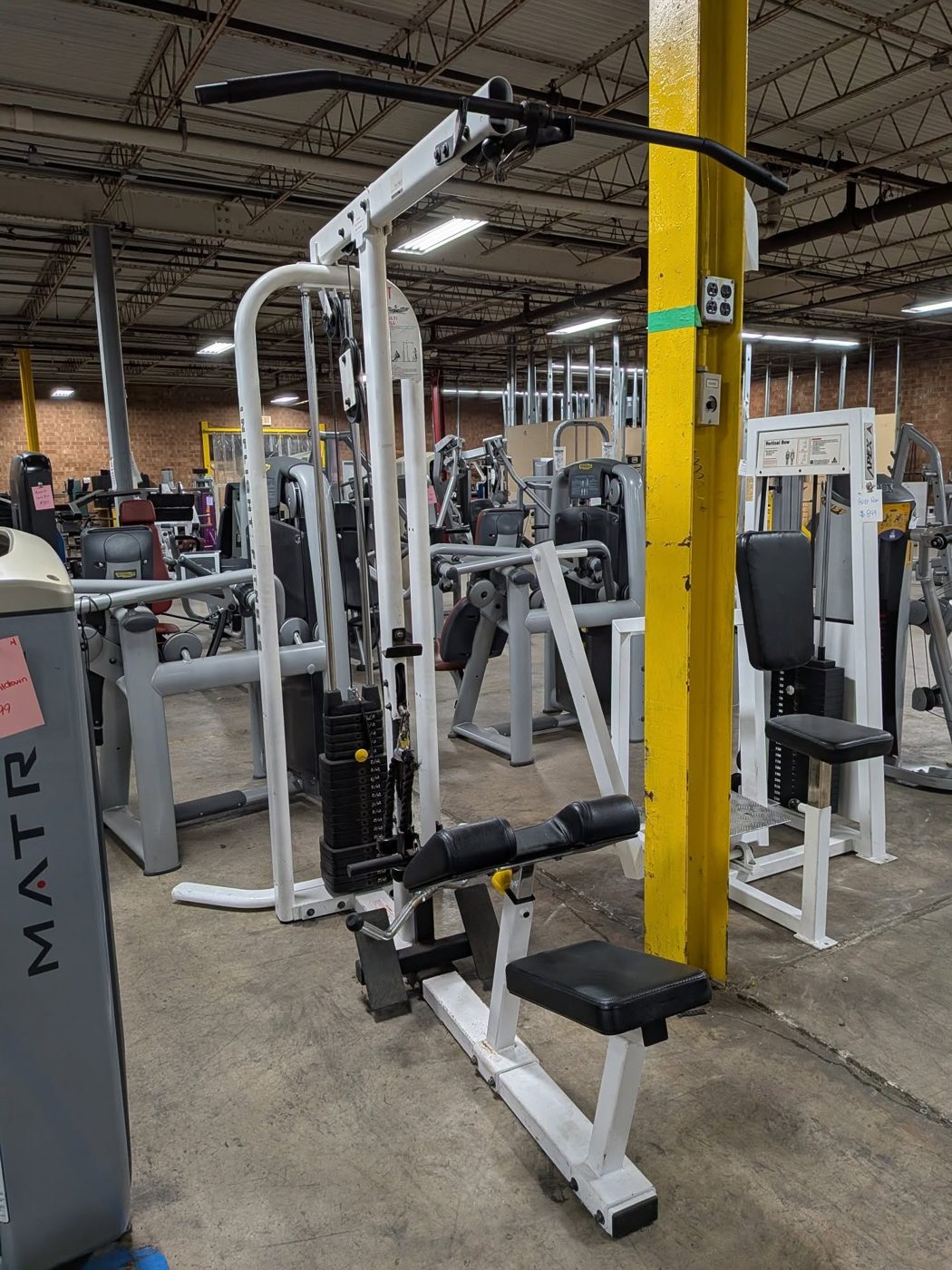
Preacher curl, seated curl machine or cable curl — here's how each one isolates the biceps differently, and how to choose the right one.
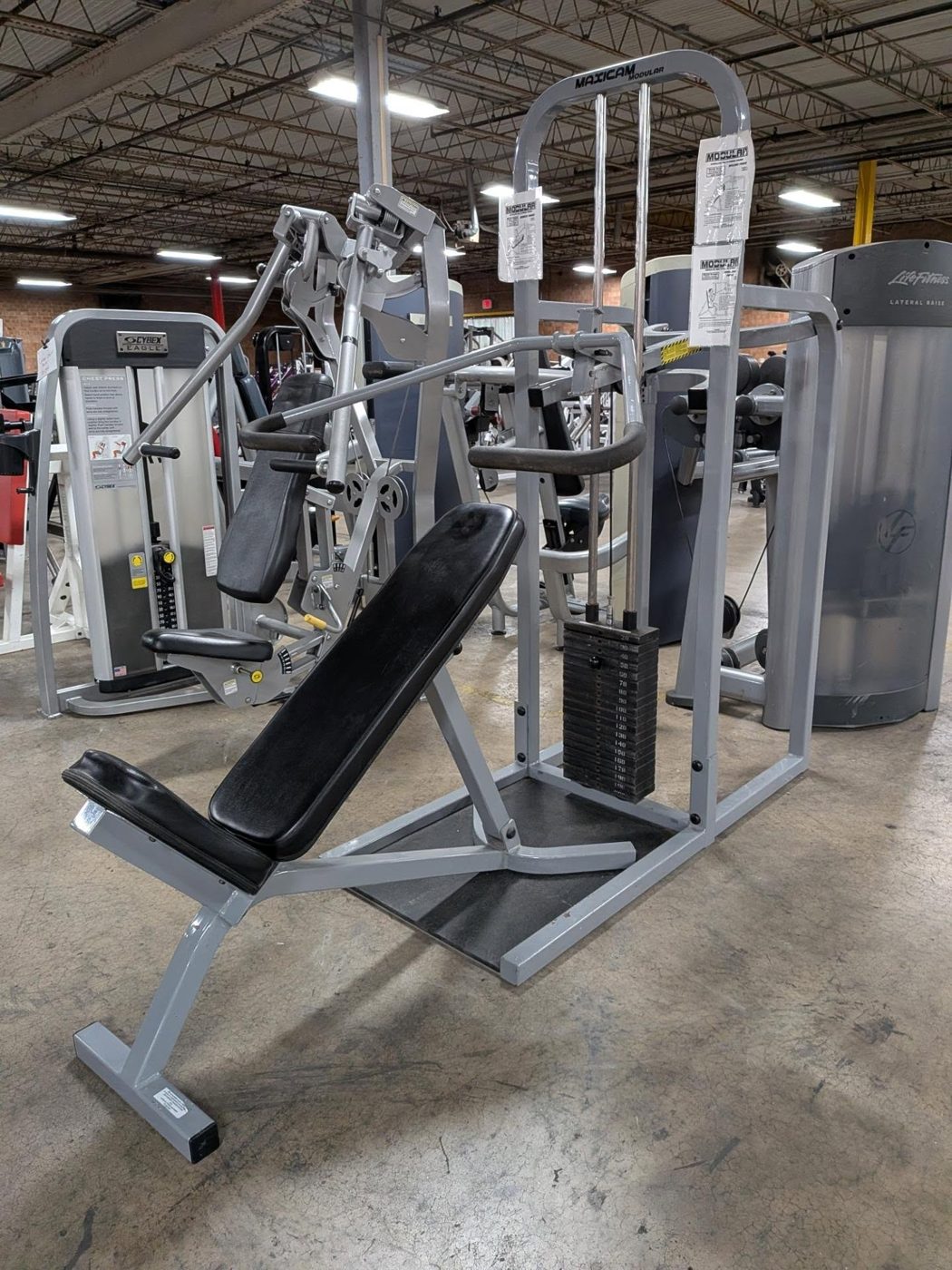
Chest, shoulders and triceps all push in similar directions, which is exactly why they pair well in one machine-based session — here's how to structure it.
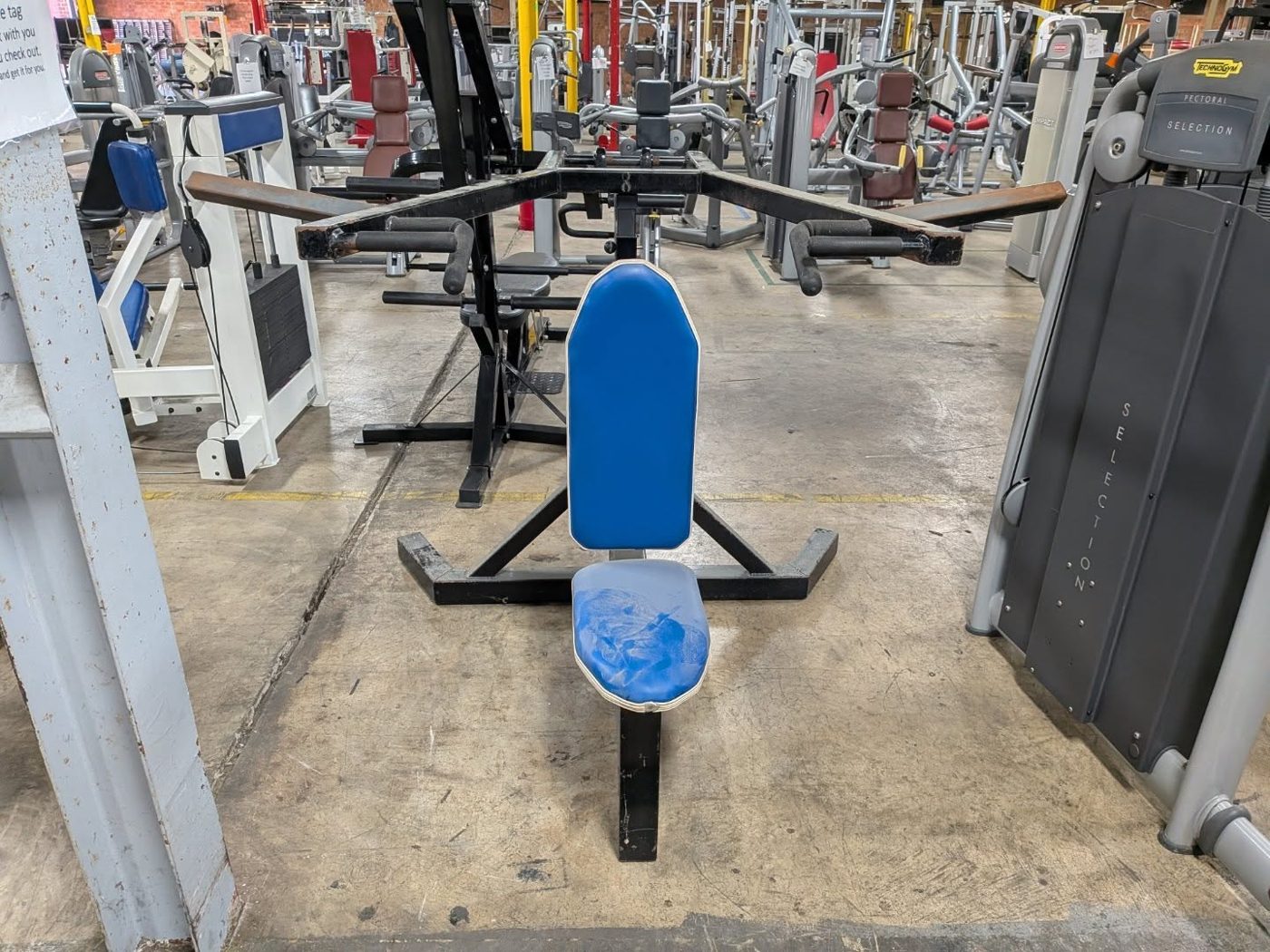
Shoulder press, lateral raise and rear delt machines each train the shoulder differently — here's how to tell them apart and choose the right one.
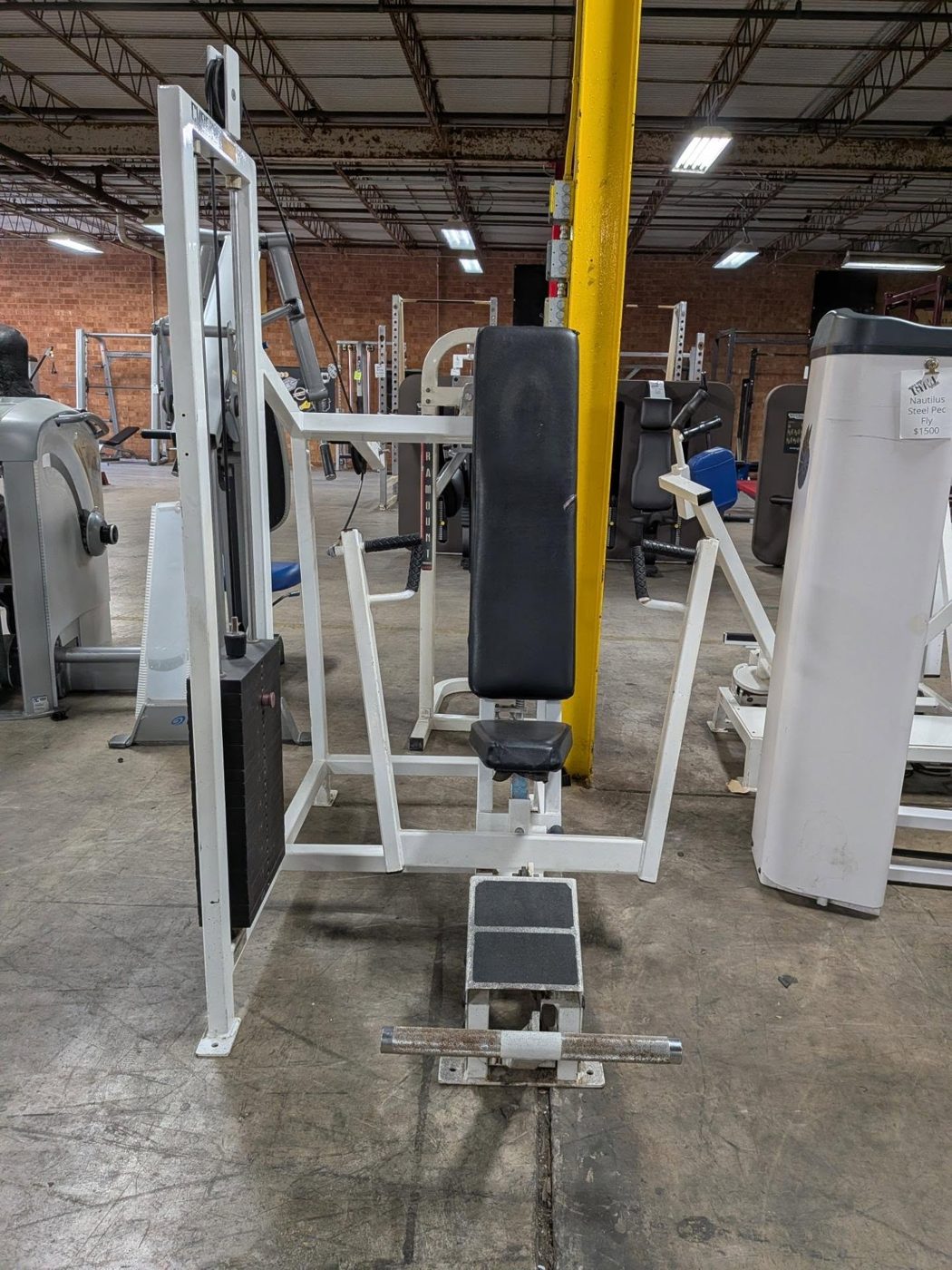
Chest press, pec deck, incline press and cable crossover — here's what each chest machine actually does, and how to choose the right one.
Weight loss and muscle building call for a different equipment mix — here's what to prioritize when the goal is fat loss specifically.
Flooring, storage, rack attachments and bands — here's which home gym accessories genuinely earn their spot, where to buy them, and which to skip when you're starting out.
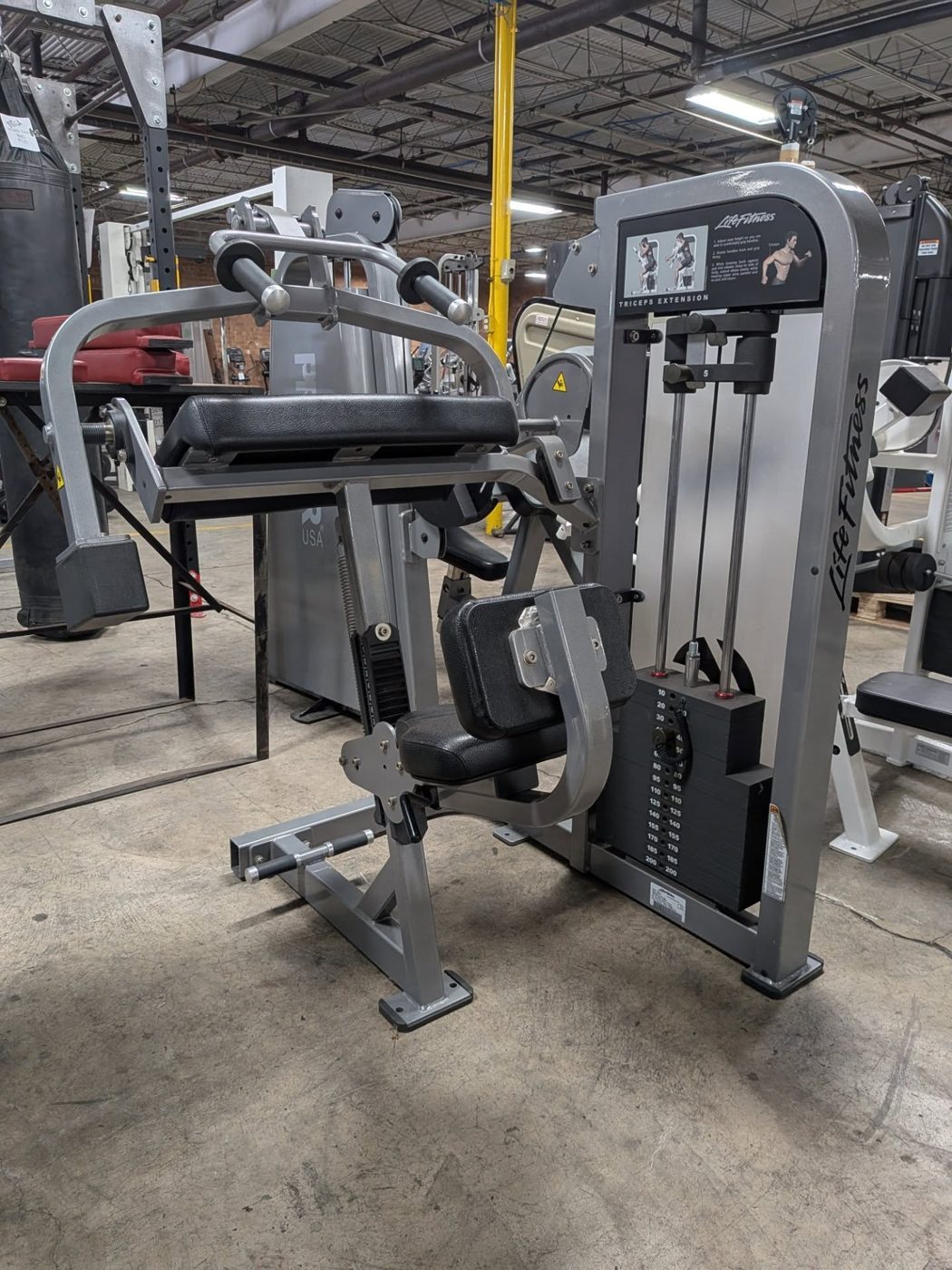
Power rack, squat cage or power tower — here's how they differ, what each needs in terms of space, and how to pair one with the right bench.
Adjustable or fixed, dumbbells or a barbell — here's how to choose a home gym weight set that actually matches how you train, and where to buy it new or used.
One machine, multiple stations — here's how all-in-one home gym machines actually work, and what to check before choosing one over separate equipment.
Low ceiling, small room or shared space — here's which equipment types genuinely save space, and what to check before you buy.
Racks, rigs, barbells and conditioning gear built for garage gyms and serious strength training — here's what Rogue Fitness is known for, and how to shop for it new or used.
Single-stack or dual-stack, home or commercial, compact or full-size — here's what actually matters when buying a used cable machine, and what to check before you hand over payment.
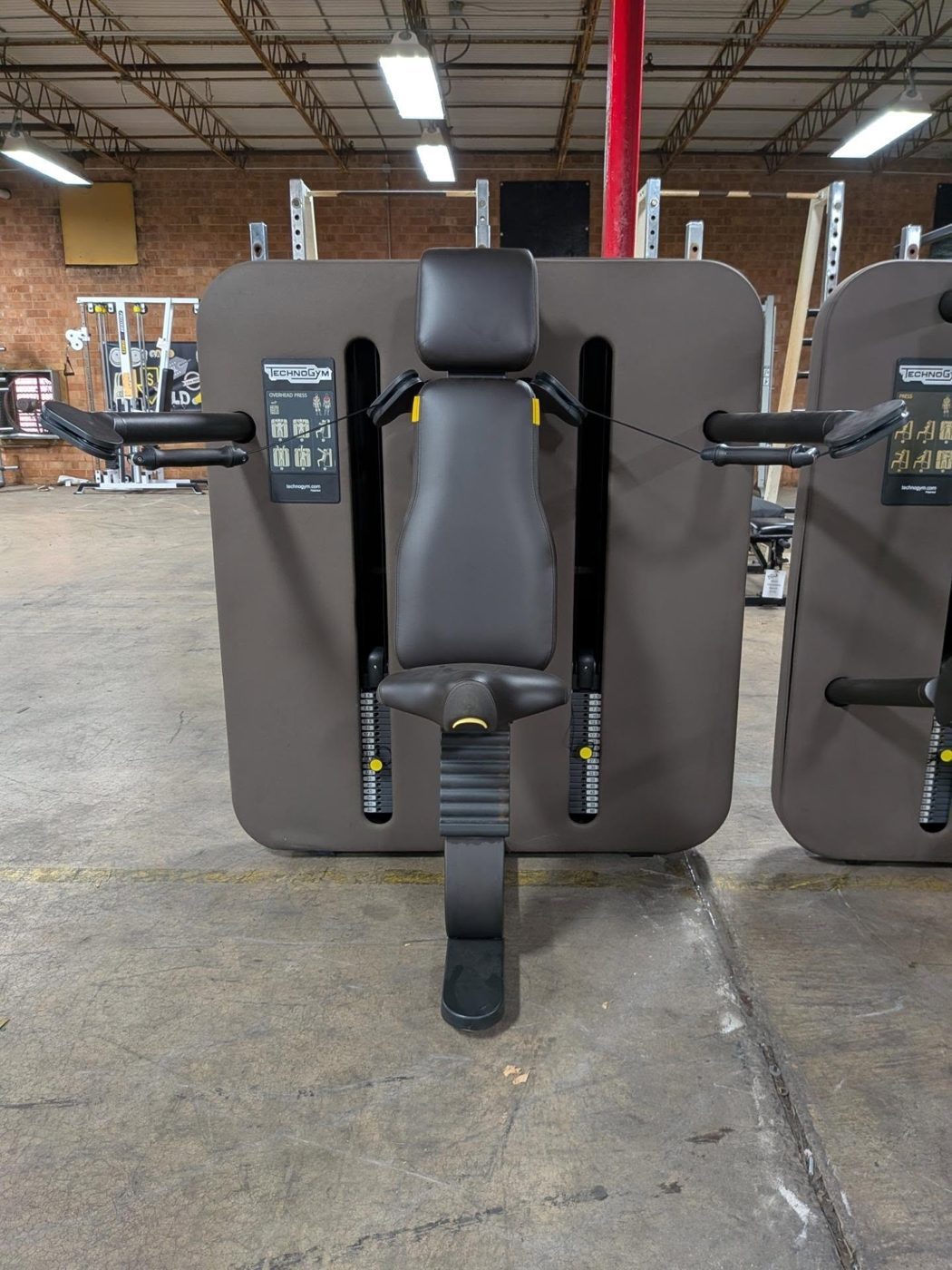
Dealer buyback, consignment or selling it yourself — here's who actually buys used gym equipment, and how to get the best price for what you're letting go.
You don't need a warehouse of machines to build real strength at home. Here's what earns its floor space, in the order most people should buy it.
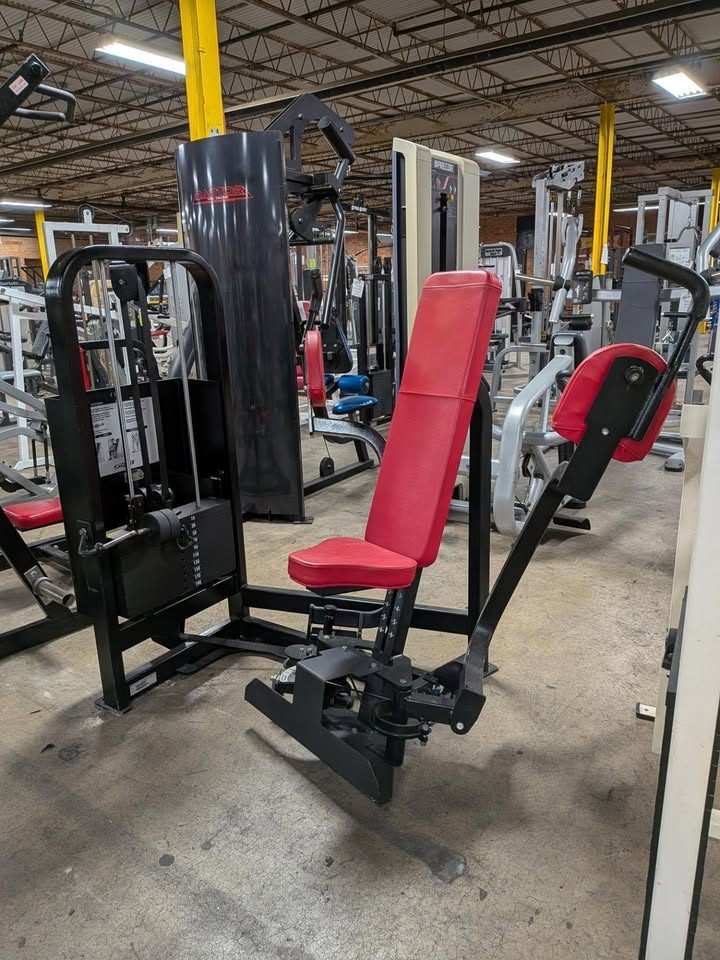
Selectorized machine, plate-loaded press or a barbell and rack — the right strength equipment depends on your goals, experience and available space.
Treadmill, bike, elliptical or rower — each trains you differently. Here's how to match cardio equipment to your goals, joints, budget and available space, whether you're outfitting a full gym or a home garage setup.
Clearance sales, gym liquidations, floor models and private sellers — here's where discounted gym equipment actually comes from, and how to buy it safely.
A practical shopping plan for home gym equipment — how much space and budget you actually need, which equipment earns its place first, and whether a complete package or building piece by piece makes more sense for you.
What separates commercial-grade equipment from home-grade, how gym owners source full packages, and how to plan a purchase from single machines to full fit-outs.
Online marketplace, local dealer, wholesaler or private seller — here's how to decide where to actually buy your next piece of gym equipment.
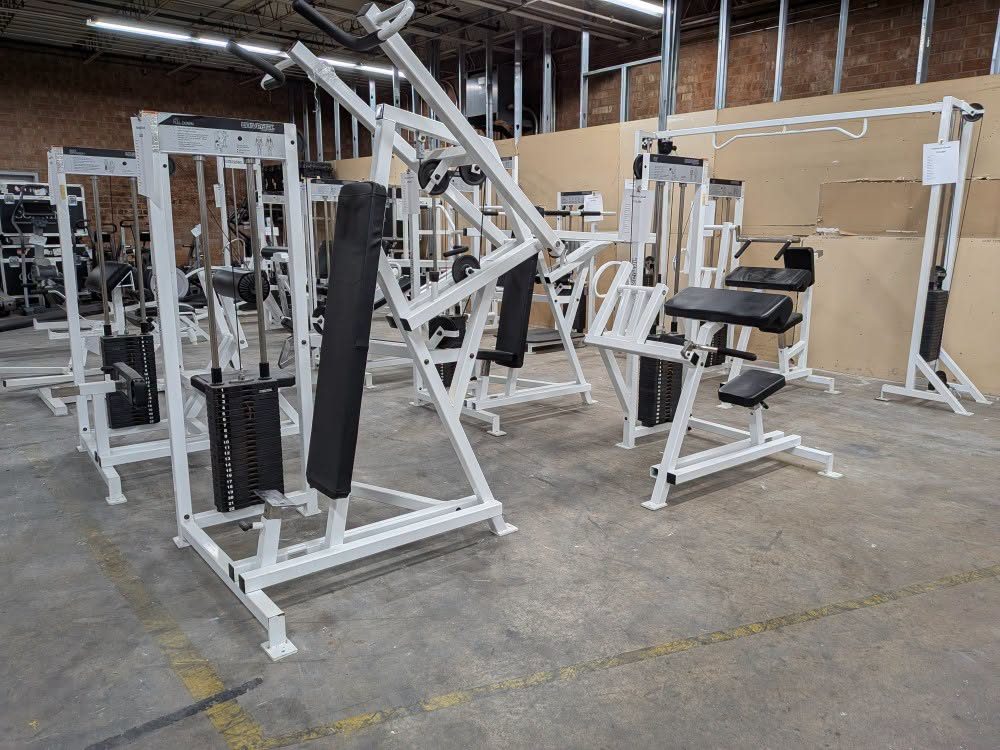
Everything to know before you buy: equipment types, new vs. used, commercial vs. home, and how to choose a seller you can trust.