
Best Bumper Plates for Home Gyms
Not all bumpers are equal. Here's what to look for in a bumper plate set, from bounce and hub quality to the right starter set.
Bumper Plates for Sale
1. Types of Bumper Plates
| Type | Features | Best For |
|---|---|---|
| Crumb/recycled rubber | Thick, low bounce, budget price | Garage gyms on a budget |
| Virgin rubber (economy) | Thinner, higher bounce, cleaner look | General home use |
| Urethane | Very durable, odor-free, premium | Heavy use, commercial gyms |
| Competition | Calibrated, thin, IWF colors | Weightlifting competition and training |
2. What to Look For
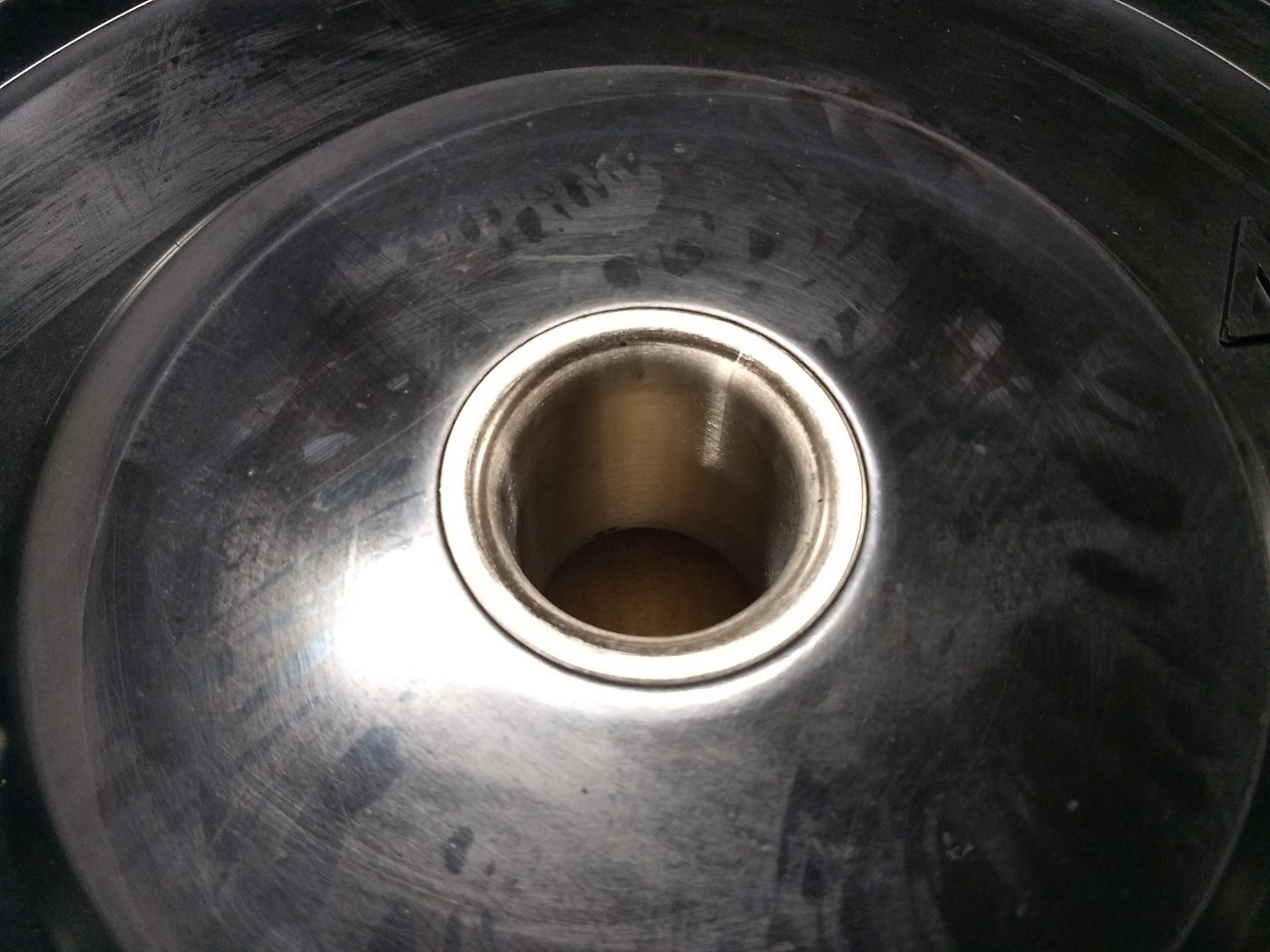
- Steel or brass hub that won't separate from the rubber
- Weight tolerance within about 1 to 2 percent
- Durometer around 85 to 90 for a balance of bounce and durability
- Standard 450 mm diameter so the bar sits at the right height
- Weight marked in lb or kg depending on how you track
- A warranty of at least 1 to 2 years
3. Recommended Bumper Plate Set
A 160 lb set (pairs of 10, 15, 25 and 45 lb) is a common starting point, and 260 lb covers most home lifters for years. Add a pair of iron 2.5s and 5s for small jumps, since bumpers that light are rare and thin.
Shop Weight Plates4. Bumper Plate Care
Drop bumpers only onto rubber flooring or a lifting platform, not bare concrete. Avoid dropping an empty bar with only light bumpers, which can bend thinner plates. Store plates on a plate tree or rack horns, and wipe them down occasionally with mild soap and water. Good care keeps bumpers bouncing evenly and lasting for years.
5. How Much Bounce Is Too Much?
High-bounce bumpers can send the bar bouncing away after a drop, which is annoying and potentially unsafe in a small garage. Dense, low-bounce plates stay put. Recycled crumb rubber bumpers usually bounce the least, while virgin rubber and urethane plates bounce a bit more but last longer and look cleaner.
6. Lb vs Kg Bumpers
Pound bumpers suit most home lifters in the US, while kilogram bumpers suit weightlifters who compete or follow kilogram-based programs. Choose one system and stick with it to make loading easier.
7. Competition vs Training Bumpers
Competition bumpers are calibrated to tight tolerances, have steel cores and are thinner, which lets you fit more weight on the bar. They're expensive and mostly needed by competitive weightlifters. Training bumpers are more affordable, durable and perfect for home gyms, CrossFit-style workouts and general strength training.
8. Where to Buy Bumper Plates
Bumper plates are heavy to ship, so compare total delivered prices. Local pickup and used sets from gym closures can save a lot, and well-made bumpers often have plenty of life left when bought second hand.
Final Thoughts
The best bumper plates for home gyms combine a solid hub, low to moderate bounce and accurate weights. Recycled rubber is the budget pick, virgin rubber and urethane are the durability upgrades. Start with a 160 to 260 lb set and add change plates for steady progress.
Frequently Asked Questions
- How many bumper plates do I need?
- Most home lifters start with 160 to 260 lb of bumpers plus some small change plates.
- Are cheap bumper plates worth it?
- Many are fine for home use. Check hub construction and reviews about cracking before you buy.
Shop Related Equipment
Shop Bumper Plates
Bumper sets and pairs for home and commercial gyms.