Who Buys Used Gym Equipment? How to Sell Yours for the Best Price
Dealer buyback, consignment or selling it yourself — here's who actually buys used gym equipment, and how to get the best price for what you're letting go.
Equipment Buyers Are Looking For
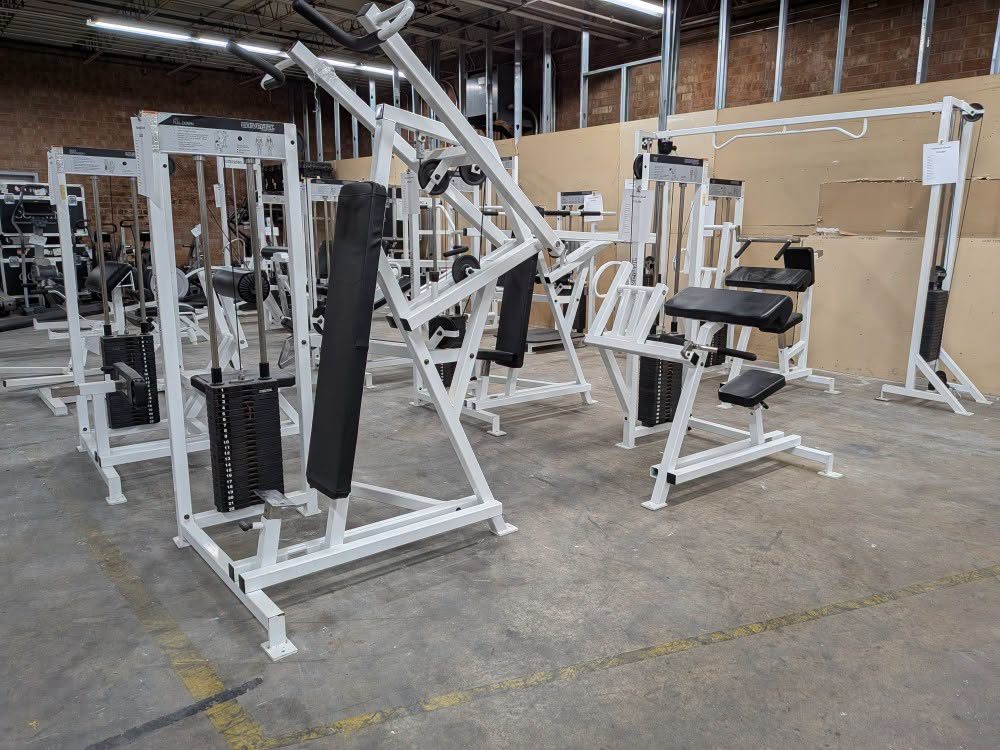
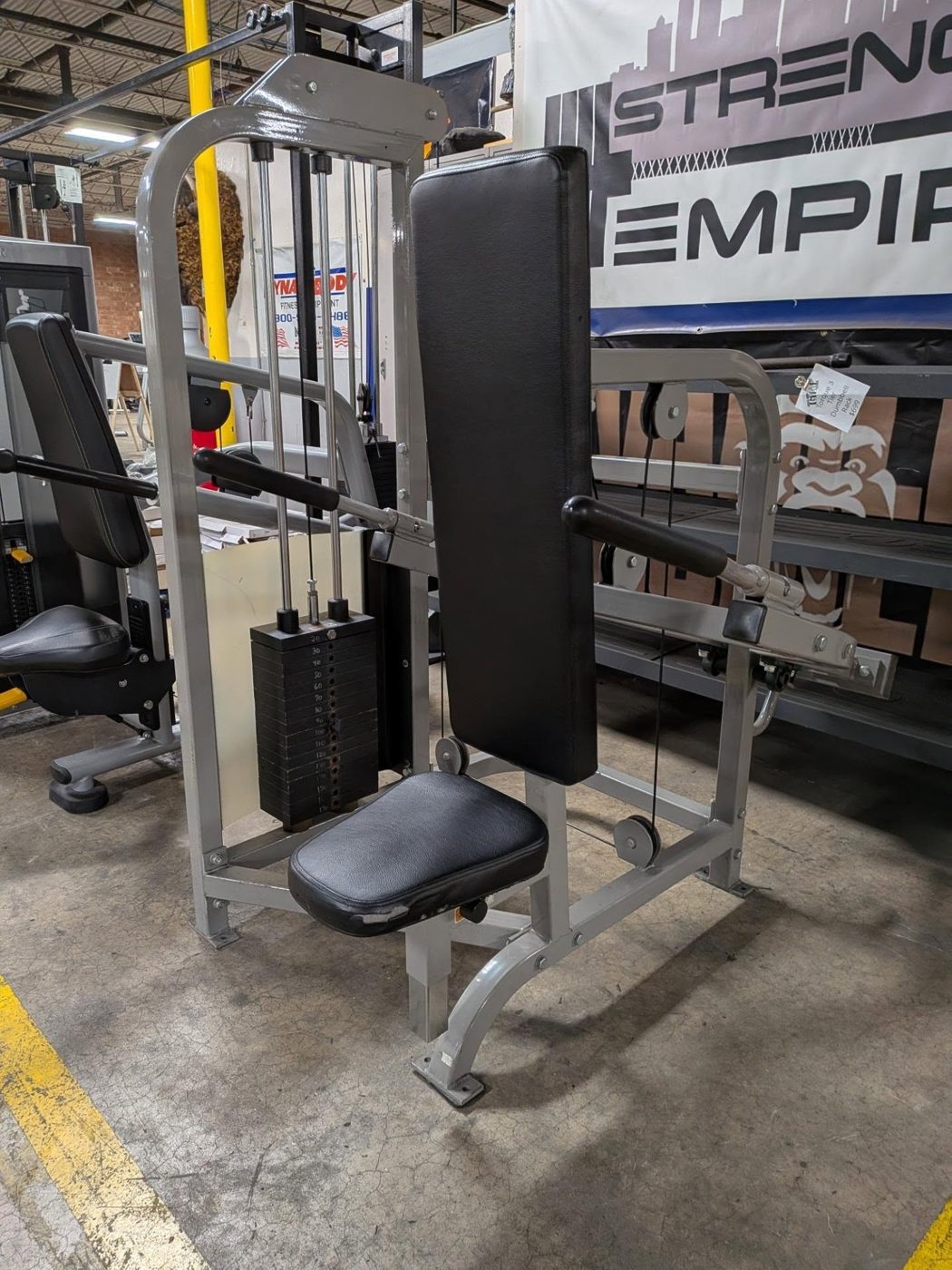
1. Who Actually Buys Used Gym Equipment
Three types of buyers make up most of the used equipment market: dealers and refurbishers who resell what they buy, other gym owners and studios upgrading or expanding, and individual buyers furnishing a home gym.
Which one you sell to changes both the price and how much work is involved — a dealer buys fast and handles resale themselves, while selling directly to an individual usually takes longer but pays more.
2. Selling to a Dealer or Refurbisher
Dealers and refurbishers buy equipment outright, often picking it up themselves, which makes this the fastest way to sell — especially for full gym closures or bulk lots. The trade-off is price: dealers factor in their own refurbishment and resale costs, so buyback offers usually land below what you'd get selling directly to an end user.
3. Selling Through a Consignment Arrangement
With consignment, a dealer lists and sells your equipment on your behalf and takes a percentage once it sells, rather than buying it from you upfront. It typically nets more than a straight buyback since you're paid closer to resale value, but it takes longer and ties up the equipment until a buyer is found.
4. Selling It Yourself
Listing equipment yourself keeps the full sale price, but only works if it reaches buyers who are actually shopping for gym equipment rather than browsing a general marketplace. A dedicated equipment marketplace puts your listing in front of people already looking for exactly what you're selling.
List Your Equipment5. Comparing Your Selling Options at a Glance
Speed, price and effort trade off differently across each selling route, and the right one depends on how quickly you need the equipment gone versus how much you want to net from the sale.
| Selling Route | Speed | Typical Payout | Effort Required |
|---|---|---|---|
| Dealer Buyback | Fastest — often same-week pickup | Lowest, reflects resale and refurbishment costs | Minimal — dealer handles everything |
| Consignment | Slower — depends on finding a buyer | Higher than buyback, closer to resale value | Low — dealer lists and sells for you |
| Selling It Yourself | Variable — depends on demand | Highest — keeps the full sale price | Highest — you photograph, list and coordinate pickup |
6. What Affects How Much You'll Get
- Condition — working order, cosmetic wear, and whether cables, belts or upholstery need replacing
- Brand — commercial names with strong parts support tend to hold value better
- Age and duty cycle — how many hours it's realistically seen
- Completeness — original attachments, weight plates or accessories included
7. Selling a Single Machine vs. a Full Gym Liquidation
A single machine is straightforward to sell through any of the three routes above, since it's easy to photograph, describe and price against comparable listings. A full facility closure or major equipment refresh is a different scale of transaction — dealers are often the fastest path for a full liquidation because they can absorb an entire equipment lineup in one purchase, while selling piece by piece to individual buyers takes considerably longer but can net more in total if you have the time to manage multiple buyers.
8. Preparing Your Equipment to Sell
A clean, well-photographed listing with an honest condition description consistently sells faster and closer to asking price than a rushed one. Wipe the equipment down, tighten anything loose, and photograph it from multiple angles in good light before listing.
- Clean the equipment and tighten any loose hardware
- Photograph it from multiple angles in good, even light
- Note the original brand, model and any included accessories
- Describe wear and function honestly — buyers value accuracy over a flawless-sounding listing
9. Setting a Realistic Asking Price
Pricing too high stalls a listing indefinitely; pricing too low leaves money on the table before you've even negotiated. Check what comparable equipment in similar condition is actually listed for — not just its original retail price — and set an asking price that reflects age, wear and brand rather than what it cost new.
Read: How Much Does Gym Equipment Cost10. Handling Payment and Pickup Safely
Agree on payment method before the buyer arrives, not after, and favor payment methods that clear before you hand over the equipment rather than promises to pay later. For local pickup, meeting during daylight hours and having the equipment accessible without needing a stranger inside your home for an extended period are simple precautions worth taking regardless of how the sale was arranged.
For anything shipped, confirm who's responsible for arranging and paying freight before the sale is final — this is a common point of confusion that's easy to avoid by agreeing on it up front.
11. What Not to Do When Selling Used Equipment
A few habits reliably slow down a sale or reduce what you get for it. Overstating condition to justify a higher price backfires the moment a buyer inspects in person or asks pointed questions. Ignoring messages or being slow to respond loses serious buyers to other listings. And pricing purely off what the equipment cost new, rather than what similar used listings are actually going for, leads to a listing that sits unsold for weeks.
- Overstating condition to justify a higher asking price
- Being slow to respond to buyer questions
- Pricing off original retail cost instead of comparable used listings
- Skipping photos or providing only one or two low-quality images
Final Thoughts
There's no single best way to sell used gym equipment — a fast dealer buyback, a consignment arrangement, or listing it yourself all trade speed against price differently. Match the option to how quickly you need it gone.
Frequently Asked Questions
- Do gym equipment dealers pay cash for used equipment?
- Many do, particularly for full gym liquidations. Terms vary by dealer, so confirm payment method and timing before agreeing to a buyback.
- What's the difference between selling to a dealer and consignment?
- A dealer buys your equipment outright at a lower price for a fast sale. Consignment has the dealer sell it on your behalf for a cut, typically netting more but taking longer.
- How do I get the best price for my used gym equipment?
- Clean it, document its condition honestly, include original accessories, and list it somewhere buyers are already searching for gym equipment specifically.
- Can I sell just one machine, or does it need to be a full gym?
- Either — single machines and full gym liquidations both sell, though full packages are more often bought by dealers in one transaction.
- How do I price my used gym equipment fairly?
- Compare it against similar listings in comparable condition rather than its original retail price — age, wear and brand all affect what it's realistically worth on the used market today.
- Is it faster to sell to a dealer or find a buyer myself?
- A dealer buyback is almost always faster, often completing within the same week, since the dealer handles pickup and resale themselves. Selling directly to an individual buyer usually takes longer but can pay more.
- What's the best way to sell an entire gym's worth of equipment at once?
- A dealer or liquidation buyer is typically the fastest route for a full facility closure, since they can absorb the whole equipment lineup in one transaction rather than requiring you to coordinate multiple individual buyers.
- Do I need to disclose defects when selling used gym equipment?
- Yes — describing wear and function honestly protects you from disputes after the sale and tends to build the kind of buyer trust that leads to a smoother, faster transaction than an overstated listing would.
- How should I handle payment when selling to a stranger?
- Agree on the payment method before they arrive and favor methods that clear before you hand over the equipment. For shipped sales, confirm who arranges and pays for freight before the sale is final.
- Can I sell equipment that needs minor repairs?
- Yes, but disclose the issue and price accordingly — buyers generally accept known, described defects at a fair discount far more readily than they accept surprises found after pickup.
- Do I need the original packaging or manual to sell equipment?
- It's not required, but including original manuals, hardware or accessories when available makes a listing more attractive and can support a slightly higher asking price.
- Is it worth cleaning equipment thoroughly before listing it?
- Yes — a clean, well-presented listing consistently sells faster and closer to asking price than one that looks rushed, even when the underlying condition is identical.
Shop Related Equipment
Ready to Sell Your Equipment?
Submit your equipment with photos, condition and asking price to get it in front of buyers.