Gym Equipment for Sale: The Complete Buyer's Guide
Everything to know before you buy: equipment types, new vs. used, commercial vs. home, and how to choose a seller you can trust.
Featured Gym Equipment
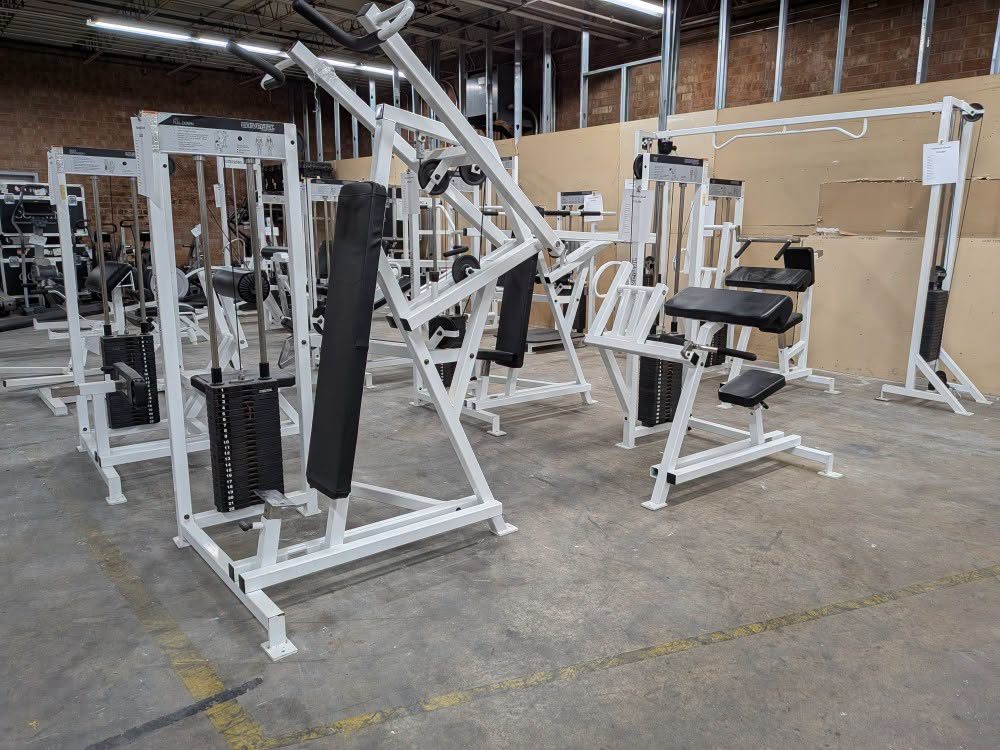
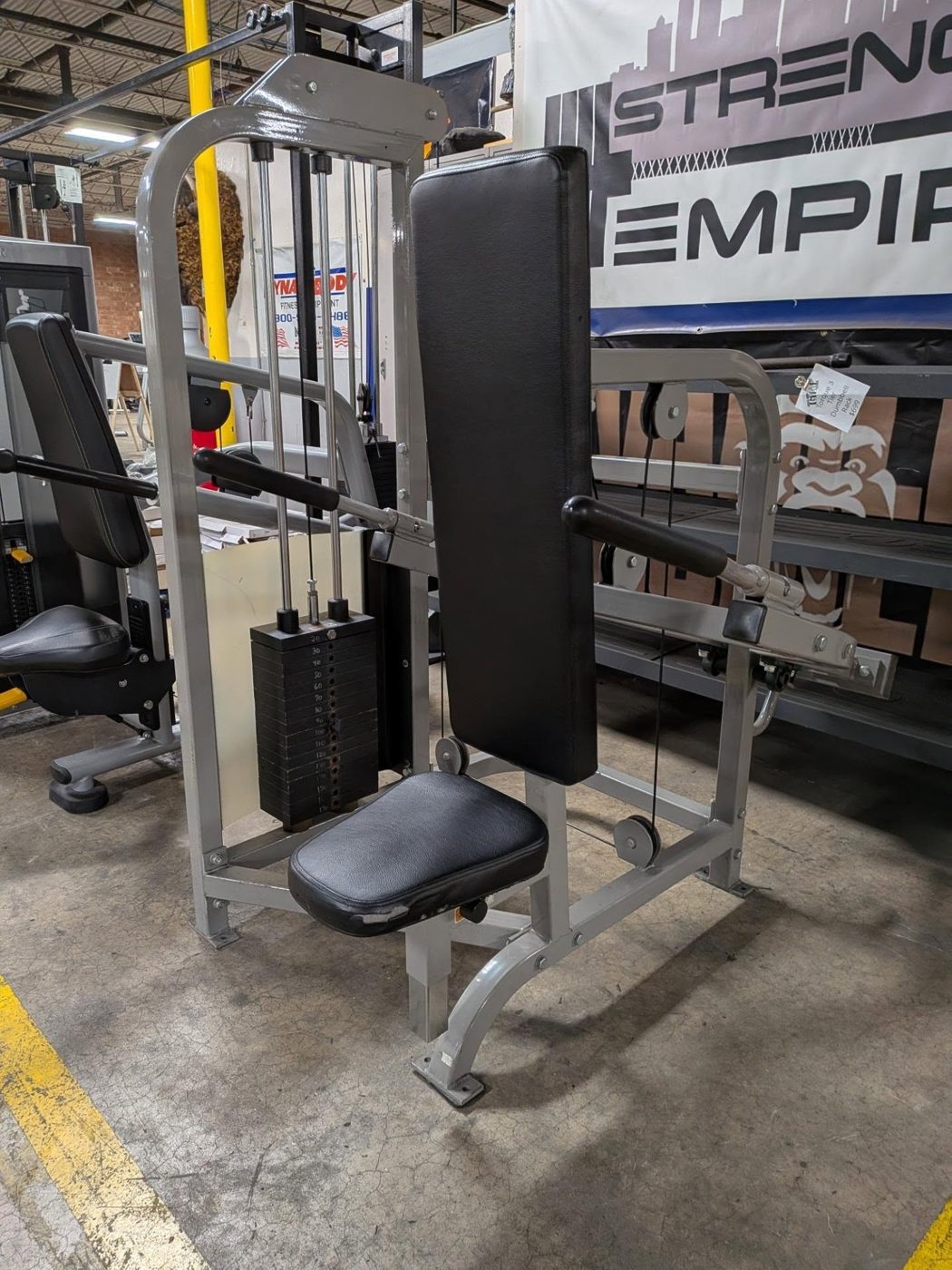
1. What Counts as Gym Equipment
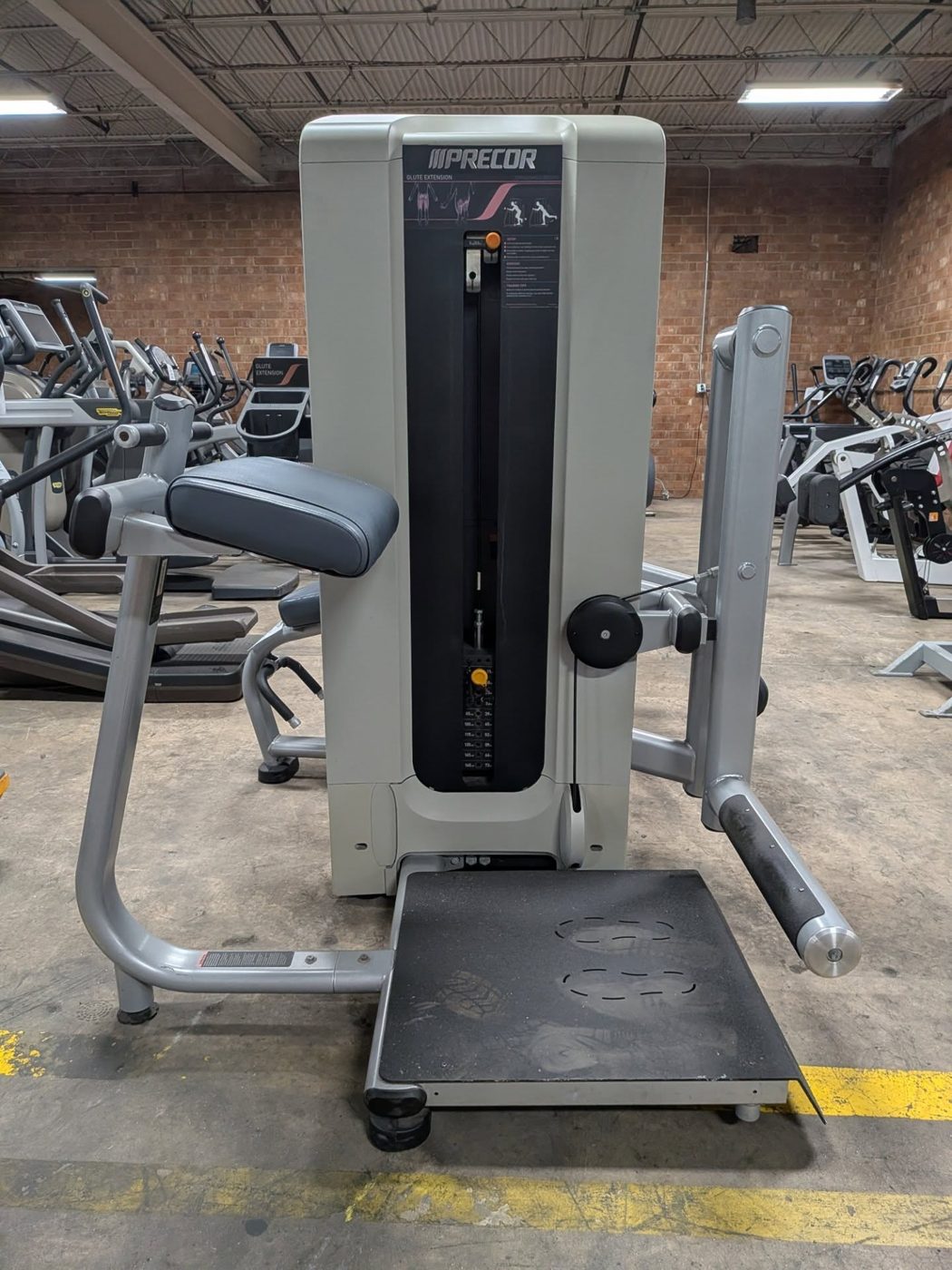
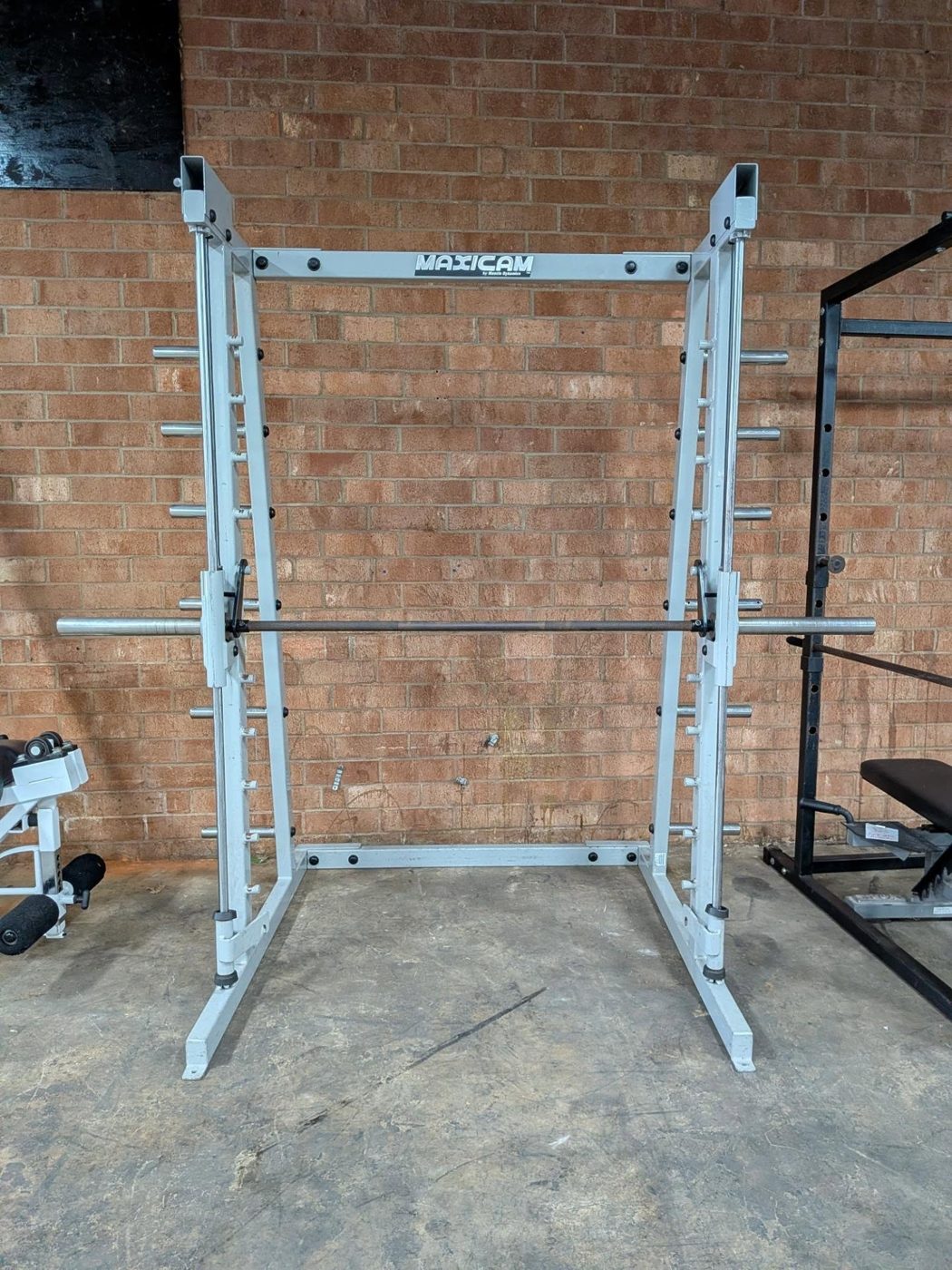
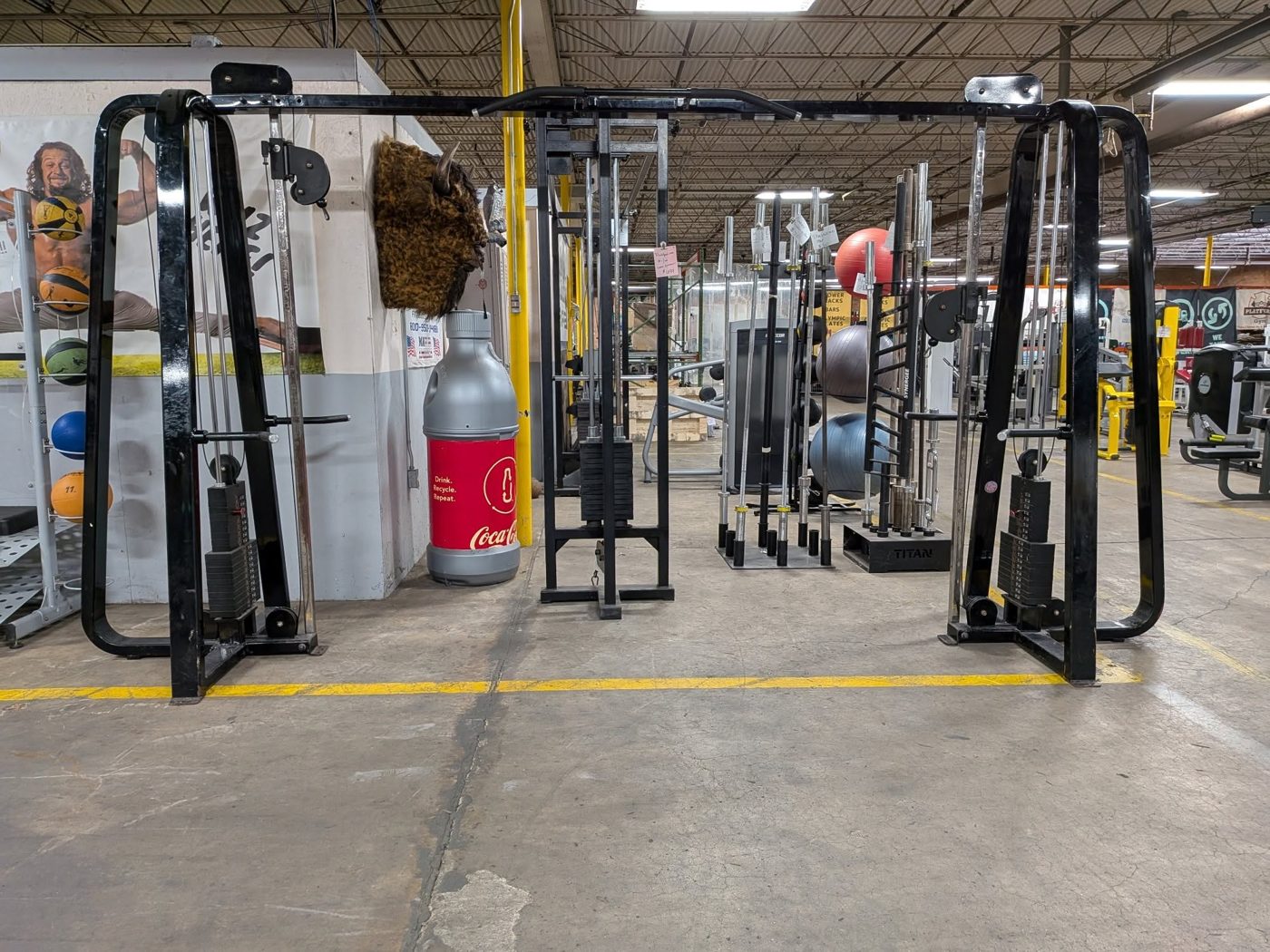
"Gym equipment" covers a wider range of products than most first-time buyers expect. Beyond the treadmills and dumbbells everyone pictures, it spans selectorized and plate-loaded strength machines, racks and benches, free weights, and the flooring and accessories that finish a setup.
Knowing which category you actually need narrows the search fast. A home gym rarely needs the same equipment mix as a commercial facility, and shopping by category instead of browsing everything at once will save you time.
- Strength Equipment — racks, machines, cable stations, benches
- Cardio Equipment — treadmills, bikes, ellipticals, rowers
- Free Weights — dumbbells, barbells, plates, kettlebells
- Home Gym Equipment — compact and multi-use pieces for smaller spaces
- Commercial Gym Equipment — full packages for gyms, studios and facilities
- Gym Accessories — flooring, mats, bands, storage
2. New, Used or Refurbished?
This is usually the first real decision a buyer faces, and it depends more on how the equipment will be used than on budget alone. New equipment carries full warranty coverage and no wear history. Refurbished equipment has been serviced and often re-certified by a dealer. Used equipment is sold as-is, typically at the lowest price.
Commercial-grade machines are built for thousands of hours of continuous use, so a well-maintained used unit frequently outlasts new home-grade equipment sold at a similar price point.
Read the Full New vs. Used Comparison3. Commercial vs. Home Equipment
Commercial equipment is built to handle constant, multi-user traffic — heavier frames, industrial bearings and components rated for a duty cycle far beyond home use. Home equipment is designed for lighter, single-household use and usually takes up less floor space.
Mixing the two isn't unusual: many serious home gym owners buy used commercial strength equipment specifically because it holds up longer than home-grade alternatives.
4. What Affects the Price
Price is driven by condition, brand, equipment type and how the item is sourced. New commercial cardio and full gym packages sit at the top of the range; used and refurbished equipment from gyms that are upgrading or closing sits at the bottom.
Rather than guess at numbers that change by listing, it's worth understanding the specific factors that move price up or down before you start comparing options.
See What Drives Gym Equipment Prices5. Choosing a Seller You Can Trust
The equipment matters, but so does who you're buying from. Look for sellers who disclose condition honestly, list clear specifications and photos, and are upfront about shipping and delivery terms rather than leaving them for after purchase.
- Condition is clearly stated (New, Excellent, Very Good, Good, or Refurbished)
- Specifications, dimensions and weight capacity are listed, not left vague
- Shipping and delivery method is explained before you commit
- Warranty terms — if any — are stated on the listing itself
6. Understanding Equipment Condition Grades
Every listing states a condition grade, and understanding what each one actually means makes comparing gym equipment for sale far easier than guessing from photos alone. Grades run from New down through Excellent, Very Good and Good, with Refurbished sitting in its own category since it describes a service history rather than a pure wear level.
"Excellent" generally means light cosmetic wear with no functional issues — the kind of condition you'd expect from a machine that's seen a year or two of moderate use. "Very Good" and "Good" step down from there, typically showing more visible wear on upholstery, paint or grips, though the underlying mechanics should still be fully functional; any exceptions are meant to be called out directly in the listing. Refurbished equipment has been cleaned, serviced and often re-certified by a dealer, which is why it frequently carries its own limited warranty even though it isn't brand new.
7. How to Measure Your Space Before You Shop
The single most common regret after buying gym equipment isn't the price — it's discovering the piece doesn't fit the room. Before browsing listings seriously, measure your ceiling height (especially if you're considering a power rack or anything involving overhead lifts), the floor footprint the equipment needs while in use rather than just its base dimensions, and the width of every doorway and hallway it has to pass through on delivery day.
For commercial buyers, this extends to loading dock access, freight elevator dimensions and floor load ratings, all of which are worth confirming with your building before a large plate-loaded machine or full equipment package arrives.
8. Buying in Phases Instead of All at Once
Few buyers — home or commercial — furnish an entire space in a single purchase, and there's no requirement to. A common, budget-friendly approach is to buy the equipment that gets used most first, live with that setup for a few weeks, and add cardio, accessories or specialty machines once you know what your training actually needs.
Read: Home Gym Equipment for Sale9. How Buying Works
Once you've found equipment that fits your space and budget, review the listing's specifications and seller details, then contact the seller or request a quote directly. Payment and delivery terms are agreed between you and the seller, and most sellers ship by freight across the continental United States, with liftgate or inside delivery quoted separately for larger items.
Explore Our Equipment10. Returns, Warranties and What Happens If Something's Wrong
Before paying, know what recourse you have if the equipment doesn't match its listing. New equipment typically carries a manufacturer or dealer warranty covering defects for a set period. Refurbished equipment often carries a shorter warranty from whoever serviced it. Private, as-is sales usually carry no warranty at all, which is exactly why careful inspection matters more on that kind of purchase than on any other.
Return policies vary by seller rather than being fixed platform-wide, so it's worth confirming — in writing — what happens if a machine arrives damaged or doesn't match its description before you commit to freight costs on something you can't easily send back.
Final Thoughts
There's no single right way to buy gym equipment — the right mix of new, used and commercial-grade gear depends on your space, budget and how hard the equipment will be used. Take the time to compare condition, price and seller reputation before you commit.
Frequently Asked Questions
- Is the gym equipment for sale here new or used?
- Both. Listings include new equipment from dealers, refurbished commercial machines, and used equipment from gyms, studios and private sellers — condition is stated on every listing.
- Do you ship gym equipment nationwide?
- Most sellers ship by freight across the continental United States. Larger items may require liftgate or inside delivery, which is quoted separately from the listing price.
- Can I negotiate the price on a listing?
- Contact the seller directly — pricing, payment and delivery terms are agreed between buyer and seller rather than fixed platform-wide.
- Can I sell my own equipment through this marketplace?
- Yes. Submit your equipment through Sell Your Equipment with photos, condition and asking price, and it can be listed for buyers to find.
- What does "Refurbished" mean on a listing?
- It means the equipment has been cleaned, serviced and often re-certified by a dealer before resale, which is why refurbished listings frequently carry their own limited warranty separate from a private used sale.
- Should I buy equipment sight-unseen?
- It's common for online purchases, but lean on detailed condition notes, multiple photos and a responsive seller. For expensive or heavy commercial equipment, ask specifically about anything the photos don't show clearly before paying.
- What's the most important thing to check before buying any gym equipment?
- Condition and how it's verified — a clear, honest condition grade backed by real photos and a responsive seller matters more than any other single factor, whether you're buying new, used or refurbished.
- How is gym equipment for sale typically priced compared to retail?
- It varies widely by condition, brand and equipment type — used and refurbished listings generally sit below new retail pricing, while commercial-grade new equipment sits at the top of the range. See the full pricing guide for the specific factors that move price up or down.
- Can I buy gym equipment for a business and a home in the same order?
- Yes — nothing stops you from purchasing both commercial and home-grade equipment together, though it's worth reviewing each item's condition and delivery details separately since commercial pieces are often larger and heavier to ship.
Shop Related Equipment
Ready to Find Your Next Piece of Equipment?
Browse new, used and commercial gym equipment from verified sellers across the US.