Cardio Equipment for Sale: Treadmills, Bikes, Ellipticals & Rowers Compared
Treadmill, bike, elliptical or rower — each trains you differently. Here's how to match cardio equipment to your goals, joints, budget and available space, whether you're outfitting a full gym or a home garage setup.
Cardio Equipment for Sale
1. Treadmills
Treadmills remain the most familiar cardio option and the most versatile for walking, running and incline training, but they're also the largest footprint and highest-impact choice on this list.
Read the Full Treadmill Buying Guide2. Exercise & Spin Bikes
Bikes are the lowest-impact option here, making them a common choice for anyone managing joint issues or recovering from injury, and spin bikes in particular pack a strong cardio workout into a small footprint.
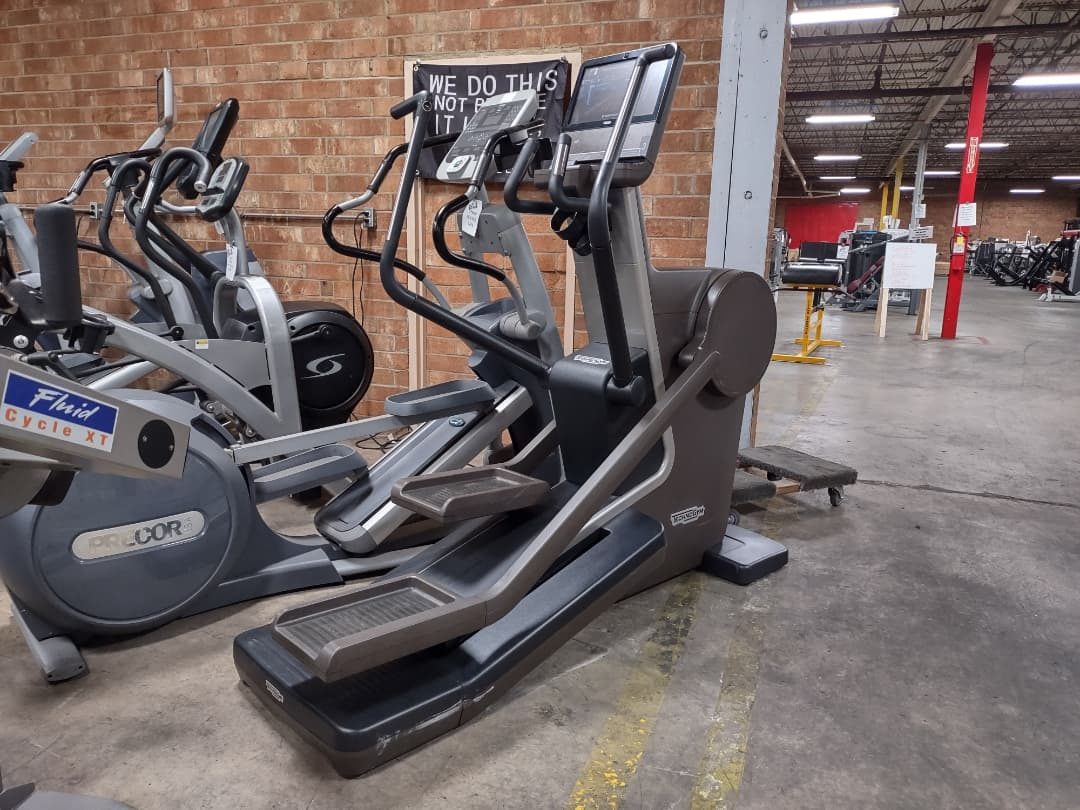
3. Ellipticals & Cross Trainers
Ellipticals combine upper- and lower-body movement in a single low-impact motion, which makes them a good middle ground between a treadmill's intensity and a bike's joint-friendliness.
4. Rowing Machines
Rowers train the legs, back, arms and core in one continuous movement, giving a genuine full-body cardio session in a compact, low-impact package — one reason they've become a commercial-floor staple.
5. How Much Space Each Machine Actually Needs
Footprint is often the deciding factor once budget and preference narrow the list, and it's easy to underestimate because listed dimensions rarely reflect the machine in use. A treadmill's true footprint includes the space needed to safely step on and off, not just the deck size folded or flat. Bikes and rowers are the most space-efficient of the four, with spin bikes in particular taking up barely more room than a chair, and many rowing machines fold or stand upright for storage between sessions.
- Treadmill — largest footprint; add clearance front and back for safe use
- Exercise/Spin Bike — smallest footprint; minimal clearance needed
- Elliptical — moderate footprint; fixed stride length, doesn't fold
- Rowing Machine — compact in use, many fold or stand upright for storage
6. Noise, Vibration and Where You Can Put a Machine
How much noise and vibration a cardio machine produces matters more than most buyers expect, especially in an apartment, upstairs room or shared building. Treadmills generate the most impact noise and vibration through the floor, simply because of the repeated footstrike, which is why placing one over rubber flooring makes a real difference to the room — or the neighbors — below. Bikes and rowers transmit far less vibration since there's no repeated impact, making them a more considerate choice for upper-floor apartments or rooms directly above living space.
Belt-driven ellipticals and rowers also tend to run quieter than chain-driven versions, which is worth asking about if noise is a real constraint in your space.
7. Comparing Your Options
| Machine | Impact on Joints | Muscles Worked | Best For |
|---|---|---|---|
| Treadmill | Higher impact | Legs, core | Running, walking, incline training |
| Exercise/Spin Bike | Lowest impact | Legs, core | Joint-friendly cardio, small spaces |
| Elliptical | Low impact | Full body, leg-dominant | Low-impact full-body cardio |
| Rowing Machine | Low impact | Legs, back, arms, core | Full-body cardio and conditioning |
8. Commercial vs. Home Cardio Equipment
Commercial cardio machines are built for heavier daily use across many users, with more robust motors, belts and frames; home-grade cardio equipment is designed for lighter personal use and typically takes up less space.
Shop Cardio Equipment9. Stair Climbers and Other Cardio Options
Beyond the four most common types, stair climbers and cross trainers round out most cardio lineups. Stair climbers deliver a demanding, leg-focused workout in a relatively small footprint and are a common sight on commercial floors, though the stepping motion carries more joint impact than a bike or rower. Cross trainers overlap heavily with ellipticals but often add a wider range of stride adjustment, which can suit taller or shorter users better than a fixed-stride elliptical.
10. Heart Rate Monitoring and Console Features
Most cardio machines built in the last decade or so include a console with at least basic heart rate tracking, either through handlebar grip sensors or a chest-strap connection, along with preset workout programs that vary speed, resistance or incline automatically. Commercial consoles tend to include more built-in programming and sturdier displays built to survive constant public use; home consoles vary widely between a bare digital readout and a full touchscreen, depending on the model and price point.
None of these features substitute for checking the machine's core mechanics — belt, resistance system and frame — before buying, but they're worth testing directly if you're comparing two machines that are otherwise similar.
11. Motor Power and Weight Capacity Basics
Treadmill motors are rated in continuous horsepower, and that rating matters more for running than walking — a motor that's fine for a daily walk can struggle to maintain speed under sustained running load. Weight capacity is another spec worth checking against the actual users of the machine rather than skimming past, since commercial machines are generally built to handle a wider range of user weights and more continuous use than home-grade equivalents.
Neither figure is something to guess at — check the specific listing's stated motor rating and weight capacity rather than assuming one machine's specs apply to a similar-looking model from a different brand.
12. Affordable and Budget-Friendly Cardio Options
A full-price commercial treadmill or rower isn't the only path to a solid cardio setup. Used and refurbished cardio equipment — especially commercial units coming off a facility upgrade — is often the single biggest lever for building an affordable home or garage gym without settling for a flimsier home-grade machine. Since commercial cardio is built for heavy daily use, a well-maintained used unit frequently has plenty of life left at a fraction of what the same machine costs new.
Read: Used & Discount Gym Equipment13. Maintaining Cardio Equipment for the Long Run
Cardio machines have more moving parts than most strength equipment, which means routine maintenance affects lifespan more directly. Treadmill belts and decks need periodic lubrication and tension checks; bikes and ellipticals rely on pedal, crank and resistance mechanisms that benefit from regular cleaning and inspection; rowers with mechanical resistance need chain, cord or drum checks depending on the design.
None of this requires specialized tools for routine care, but skipping it is the fastest way to turn a well-bought machine into an early repair bill.
Read: Gym Equipment Maintenance GuideFinal Thoughts
There's no universally 'best' cardio machine — the right one is whichever you'll actually use consistently, so weigh impact on your joints and available space as heavily as the workout itself.
Frequently Asked Questions
- Which cardio machine is easiest on the joints?
- Exercise bikes are generally the lowest-impact option, followed closely by ellipticals and rowing machines. Treadmills carry the highest impact of the four.
- Should I buy a commercial or home cardio machine?
- Commercial equipment is built for heavier, all-day multi-user traffic; home-grade equipment suits lighter personal use and usually costs less and takes up less space.
- Is a rowing machine a good full-body cardio option?
- Yes — rowing engages the legs, back, arms and core in a single movement, making it one of the more complete cardio options on this list.
- Should I buy new or used cardio equipment?
- Both can work well; used commercial cardio is often a strong value since it's built for heavy use, but always confirm belt, motor and console condition first.
- Which cardio machine takes up the least space?
- Exercise and spin bikes generally have the smallest footprint, and many rowing machines fold or stand upright for storage between sessions, making both good options for tight spaces.
- Which cardio machine is quietest for an apartment or upstairs room?
- Bikes and rowers transmit far less vibration than treadmills, which produce repeated footstrike impact. Placing any machine over rubber flooring further reduces noise transmitted to the floor below.
- Is a stair climber harder on the joints than a treadmill?
- It can be — the stepping motion on a stair climber is a demanding, leg-focused workout, and while it's a different kind of impact than treadmill running, it's generally not considered a low-impact option like a bike or rower.
- What treadmill motor size do I need for running versus walking?
- A higher continuous horsepower rating matters more for sustained running than for walking, since running places more continuous load on the motor. Check the specific listing's motor rating rather than assuming similar-looking treadmills share the same spec.
- Does a heart rate monitor matter when choosing a cardio machine?
- It's a helpful feature but secondary to checking the machine's core mechanics — belt, resistance system and frame — which affect how long the machine lasts regardless of what the console can track.
- How do I choose between a treadmill and an elliptical?
- A treadmill suits running and incline training but carries higher joint impact; an elliptical offers a lower-impact, full-body motion that's a good middle ground if joint comfort matters more than replicating a running stride.
- Can I fit multiple cardio machines in a small space?
- It depends on the machines — exercise bikes and rowers that fold or stand upright take up far less permanent floor space than a treadmill or elliptical, making it easier to fit more than one in a tight room.
- Is it worth buying commercial cardio equipment for home use?
- It can be — commercial cardio is built for heavier daily use and often holds up better long-term, though it typically costs more and takes up more space than a home-grade equivalent.
- What's the best cardio machine for a home gym?
- There's no single best option — it depends on your space and joints. A bike or rower fits into the smallest footprint, an elliptical offers a low-impact full-body option, and a treadmill suits anyone focused on running or walking specifically.
- What cardio equipment works best for a garage gym?
- Bikes and rowers tend to work best in a garage gym since many fold or stand upright for storage and transmit little vibration, while a treadmill needs more permanent clearance front and back for safe use.
- Is there affordable cardio equipment for a small home setup?
- Yes — used and refurbished commercial cardio machines are usually the best value, since they're built for heavy daily use and often have plenty of life left at a lower price than buying new.
- What are the main types of cardio machines to choose from?
- The core options are treadmills, exercise or spin bikes, ellipticals and rowing machines, with stair climbers and cross trainers as additional choices depending on your training goals.
Shop Related Equipment
Ready to Get Moving?
Browse treadmills, bikes, ellipticals and rowers from trusted sellers.