Used Cable Machines for Sale: What to Look For Before You Buy
Single-stack or dual-stack, home or commercial, compact or full-size — here's what actually matters when buying a used cable machine, and what to check before you hand over payment.
Cable Machines for Sale
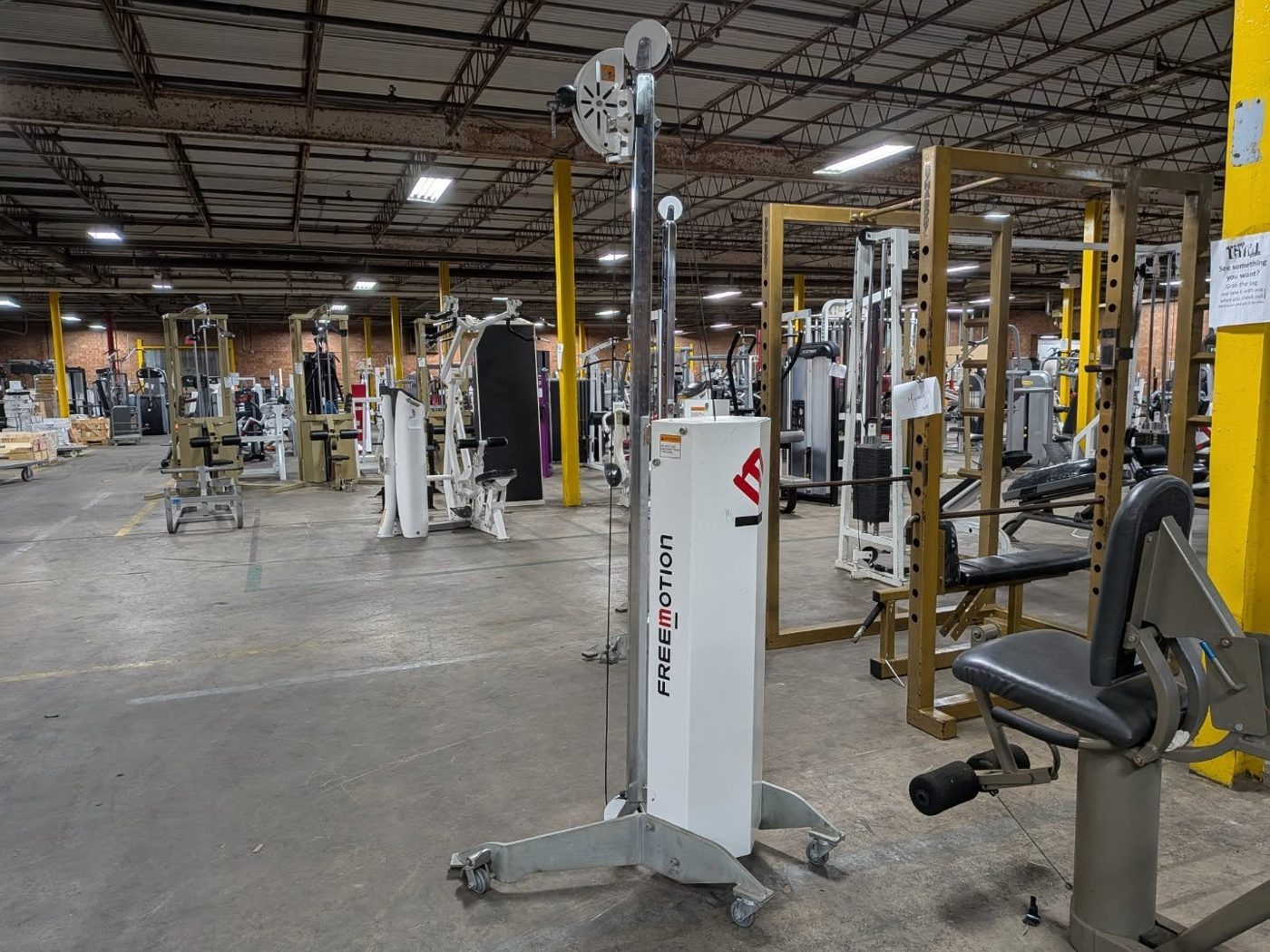
Freemotion
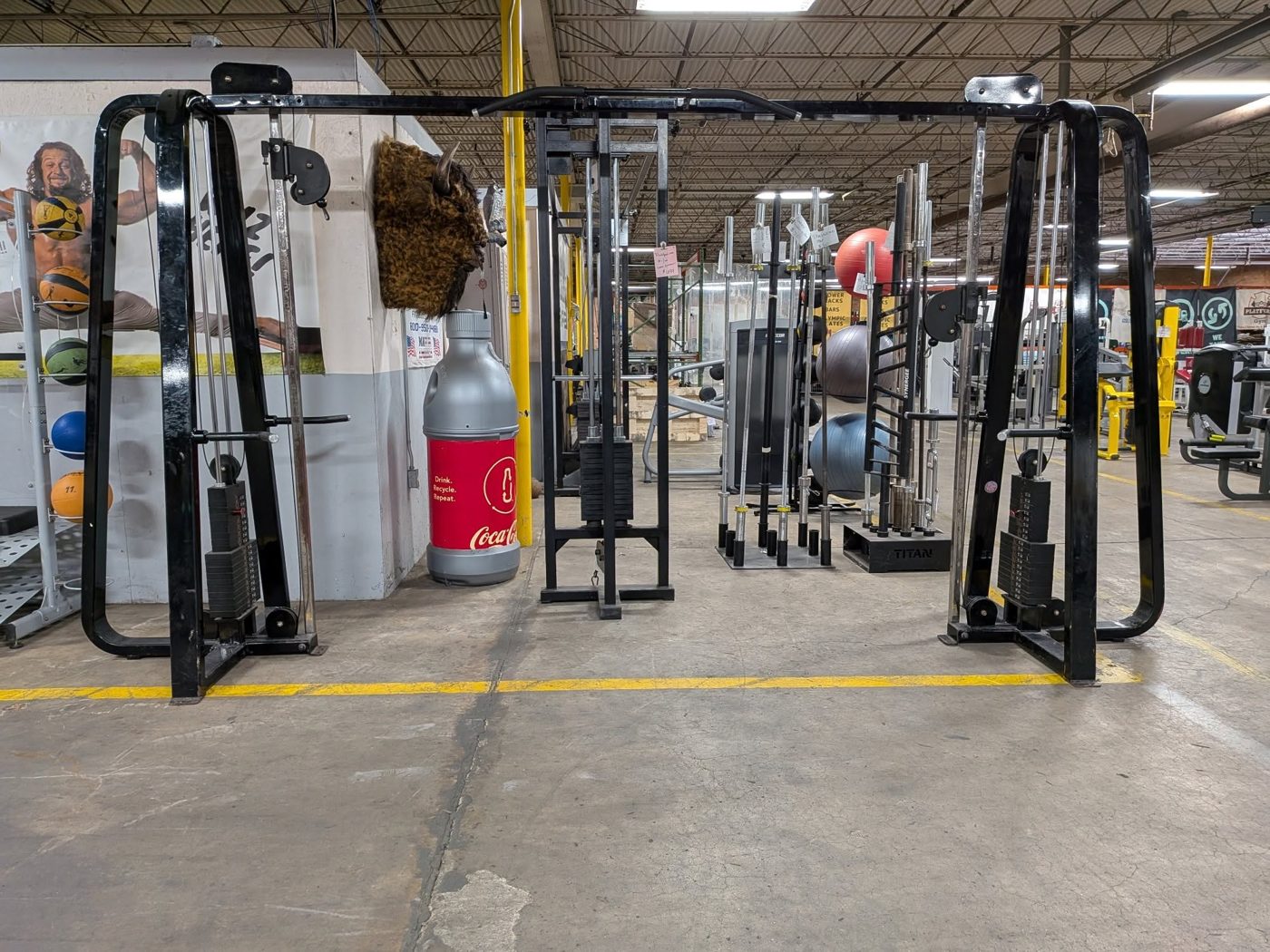
FreeMotion Single Cable Column Machine
Condition: Very Good
$1,199
Orlando, Florida
View Details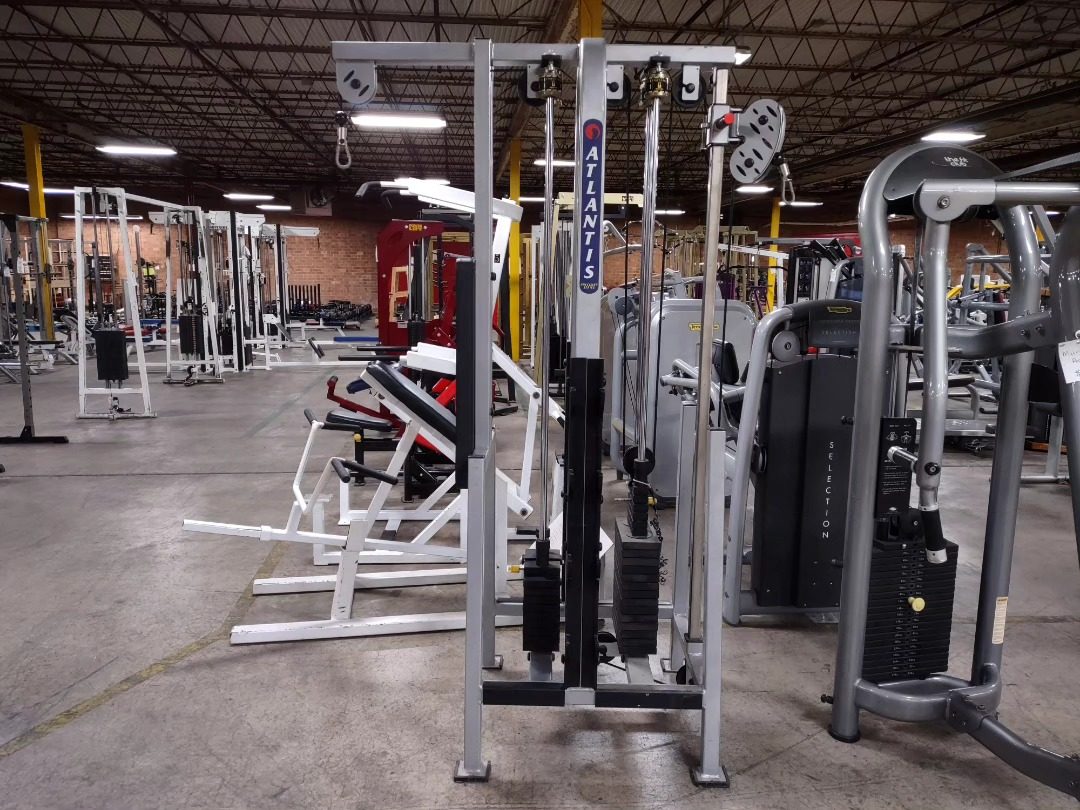
Atlantis
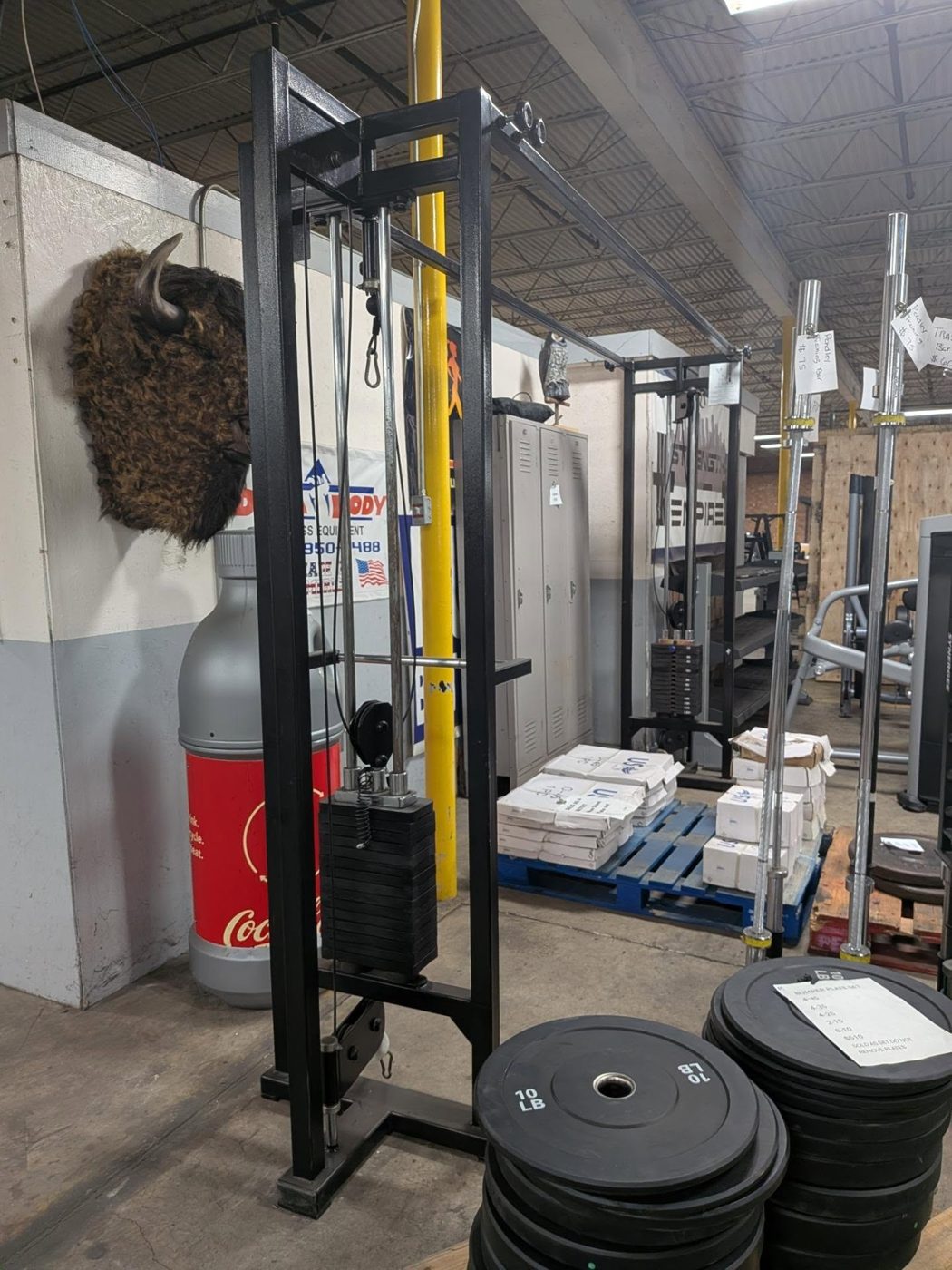
Atlantis Tricep / Adjustable Pulley Machine
Condition: Very Good
$1,999
Dallas, Texas
View Details1. What a Cable Machine Does, and Why Buy Used
A cable machine runs a weight stack through a pulley system, letting you pull, press or row from almost any angle — which is why it covers more exercises per square foot than nearly any other strength machine. Because the moving parts (stack, pulleys, cables) are mechanically simple and built to last, a well-maintained used unit is usually a safe, budget-friendly buy.
2. Single-Stack vs. Dual-Stack (Functional Trainer) Machines
| Type | How It Works | Best For |
|---|---|---|
| Single-Stack Cable Machine | One weight stack, one or two pulley positions | Focused exercises, smaller footprint |
| Dual-Stack Functional Trainer | Two independent stacks and pulleys | Two people training at once, unilateral and two-arm movements |
3. Adjustable Pulley Height and Why It Matters
Most cable machines let you move the pulley along a vertical track, and how smoothly that adjustment moves affects how much you'll actually use the full range of exercises on offer. A pulley that sticks or requires real effort to reposition discourages switching positions mid-workout, which quietly limits the exercise variety that's supposed to be the machine's biggest advantage. Test the pulley at several heights before buying, not just at the top and bottom of its track.
4. What to Check Before Buying a Used Cable Machine
Run the stack through its full range on every pulley position, checking for fraying cables, sticky pulleys and worn bushings — all common, repairable issues that should still affect the price you pay.
- Cycle the weight stack through its full range on every pulley position
- Check cables closely for fraying, especially near the pulley wheels
- Test the pulley's height adjustment at multiple points, not just top and bottom
- Inspect upholstery on any attached seat or bench for tears
- Listen for grinding or catching as the pulleys turn under load
5. Cable Machines for Home vs. Commercial Use
Commercial cable machines are built with heavier frames and components for continuous multi-user traffic, while home-grade units are sized and priced for lighter personal use — the same distinction that applies across strength equipment generally.
Read: Strength Training & Weightlifting Equipment for Sale6. What a Cable Machine Covers
- Lat pulldowns and cable rows for back
- Cable crossovers and presses for chest
- Tricep pushdowns and cable curls for arms
- Face pulls and rotational work for shoulders and core
7. Cable Machine vs. Standalone Machines: Is It Worth Replacing Several Pieces
A single well-equipped cable station can replace a lat pulldown machine, a chest press, a tricep pushdown station and more by simply changing the attachment and pulley height — which is exactly why cable machines and functional trainers are popular in space-constrained home gyms and personal training studios. The trade-off is that a cable machine requires switching attachments between exercises, which takes more time mid-workout than moving between several dedicated machines already set up on a commercial floor.
8. Attachments Worth Having on Hand
The machine itself is only half the equation — the attachments determine how many of its exercises you can actually access. A straight bar and rope attachment cover most pressing and pushdown movements, while a set of single-hand grips opens up unilateral rows, curls and presses that a fixed bar can't replicate.
- Straight bar — pushdowns, straight-arm pulldowns
- Rope attachment — tricep pushdowns, face pulls
- Single-hand grip/handle — unilateral rows, curls and presses
- Ankle strap — cable kickbacks and hip work
9. Weight Stack Capacity and How It Affects Long-Term Use
A cable machine's weight stack has a maximum loaded weight, and it's worth thinking past your current strength level to where you expect to be in a year or two of consistent training. A stack that already feels close to its ceiling on a given exercise leaves little room to keep progressing without switching machines, so checking the stated maximum on a listing is worth doing before assuming any two cable machines are interchangeable.
10. Setting Up a Cable Machine at Home
Beyond floor space, a cable machine needs a stable, level surface and enough clearance for the pulley arms to swing through their full range without hitting a wall or another piece of equipment. Bolting the frame down, where the design allows it, adds stability during heavy pulling and pressing movements and is worth doing even in a home setting if the machine will see regular, serious use.
Explore Our Equipment11. Compact and Portable Cable Machines for Small Home Gyms
Not every home gym has room for a full dual-stack functional trainer, and a single-stack cable machine with a smaller footprint covers most of the same exercises in a fraction of the space — our current home-gym cable listing, a Weider Pro Hi/Lo cable unit with a VKR attachment, is a practical example of this smaller-footprint style built specifically for home use rather than a commercial floor.
'Portable' cable machines and DIY setups — a door-anchor pulley or a single wall-mounted pulley point — trade real weight-stack resistance for convenience, and they're worth thinking of as a different category from a true cable machine rather than a budget version of one. If floor space genuinely won't fit any cable machine, resistance bands cover a lot of the same pulling and pressing movement patterns at a fraction of the footprint, though without a stacked weight system's precise, repeatable loading.
Read: Home Gym Accessories Worth Buying12. New vs. Used Cable Machines
New cable machines carry full warranty coverage and no wear history, which matters most for anyone planning heavy, frequent use from day one. Used cable machines, given how mechanically simple the moving parts are, often represent one of the safer used purchases in the whole strength equipment category — a well-maintained unit can perform close to identically to new once it passes a basic inspection.
Read: New vs. Used Gym Equipment13. Commercial-Grade Features to Look For
Commercial cable machines typically use heavier-gauge steel frames, larger-diameter pulleys and thicker cables rated for continuous multi-user traffic, all of which extend service life well beyond home-grade equivalents. These features matter most for a facility expecting daily heavy use across many different users; a home gym with one or two regular users can generally get by with lighter-duty construction without meaningfully shortening the machine's useful life.
Final Thoughts
A cable machine earns its floor space by covering more exercises than almost any other single piece of equipment. Buy the size that fits your space, check the moving parts carefully, and a used unit will likely serve you for years.
Frequently Asked Questions
- Is a used cable machine a good buy?
- Generally yes — the moving parts are mechanically simple and repairable, so a well-maintained used unit is usually reliable and a strong value compared to buying new.
- What's the difference between a cable machine and a functional trainer?
- A functional trainer is a dual-stack cable machine with two independent weight stacks, allowing two-arm or two-person use. A single-stack cable machine has one stack and a smaller footprint.
- How much space does a cable machine need?
- It varies by model — dual-stack functional trainers need more width than single-stack machines. Check the specific listing's footprint before buying, especially for home installs.
- What should I inspect before buying a used cable machine?
- Run the stack through its full range on every pulley position and check for fraying cables, sticky pulleys and worn bushings before agreeing on a price.
- Can a cable machine replace other strength machines?
- In many cases, yes — a single cable station can cover lat pulldowns, chest presses, tricep pushdowns and more by changing the attachment and pulley height, which is why they're popular in space-limited setups.
- What attachments do I need for a cable machine?
- A straight bar and rope attachment cover most pressing and pushdown exercises. Single-hand grips add unilateral rows, curls and presses that a fixed bar can't replicate.
- How do I know if a cable machine's weight stack is heavy enough for me?
- Check the stated maximum against where you expect your strength to be in a year or two, not just where you are now — a stack that already feels close to its ceiling leaves little room to keep progressing.
- Does a cable machine need to be bolted to the floor?
- It adds stability for heavy pulling and pressing movements and is worth doing where the design allows it, though many home units are stable enough for lighter use without it.
- Should I buy a new or used cable machine?
- Both can work well. New units carry full warranty coverage, while used cable machines are often a safer used purchase than most strength equipment since the moving parts are mechanically simple to inspect.
- Do I need commercial-grade features for a home cable machine?
- Not necessarily — commercial-grade construction matters most for facilities expecting daily heavy use across many users. A home gym with one or two regular users can generally use lighter-duty construction without shortening its useful life meaningfully.
- Can one cable machine replace several separate strength machines?
- Often, yes — changing the attachment and pulley height lets a single cable station cover lat pulldowns, chest presses, tricep pushdowns and more, which is why they're popular in space-limited setups.
- What attachments should I buy with a used cable machine?
- A straight bar and rope attachment cover most pressing and pushdown exercises, while single-hand grips add unilateral movements — a good starting set covers all three.
- What's the best compact cable machine for a home gym?
- A single-stack machine with a smaller footprint, like the Weider Pro Hi/Lo cable unit, covers most cable exercises without needing the width a dual-stack functional trainer requires.
- Is there a truly portable cable machine?
- Not in the same sense as a full cable machine — door-anchor pulleys and wall-mounted single points trade weight-stack resistance for convenience, and are best thought of as a different category rather than a compact version of a real cable machine.
- Are DIY cable machine setups a good alternative?
- They can work for light, occasional use, but they won't match a real weight stack's precise, repeatable loading. Resistance bands are generally a more practical portable alternative when floor space genuinely won't fit a cable machine.
Shop Related Equipment
Ready to Find Your Cable Machine?
Browse strength equipment, including cable and functional trainer machines, from verified sellers.