Tricep Machines at the Gym: Types, Benefits & How to Choose the Right One
Tricep pushdown, seated extension or arm extension machine — here's how to tell them apart, what they work, and how to use one correctly.
Tricep Machines for Sale
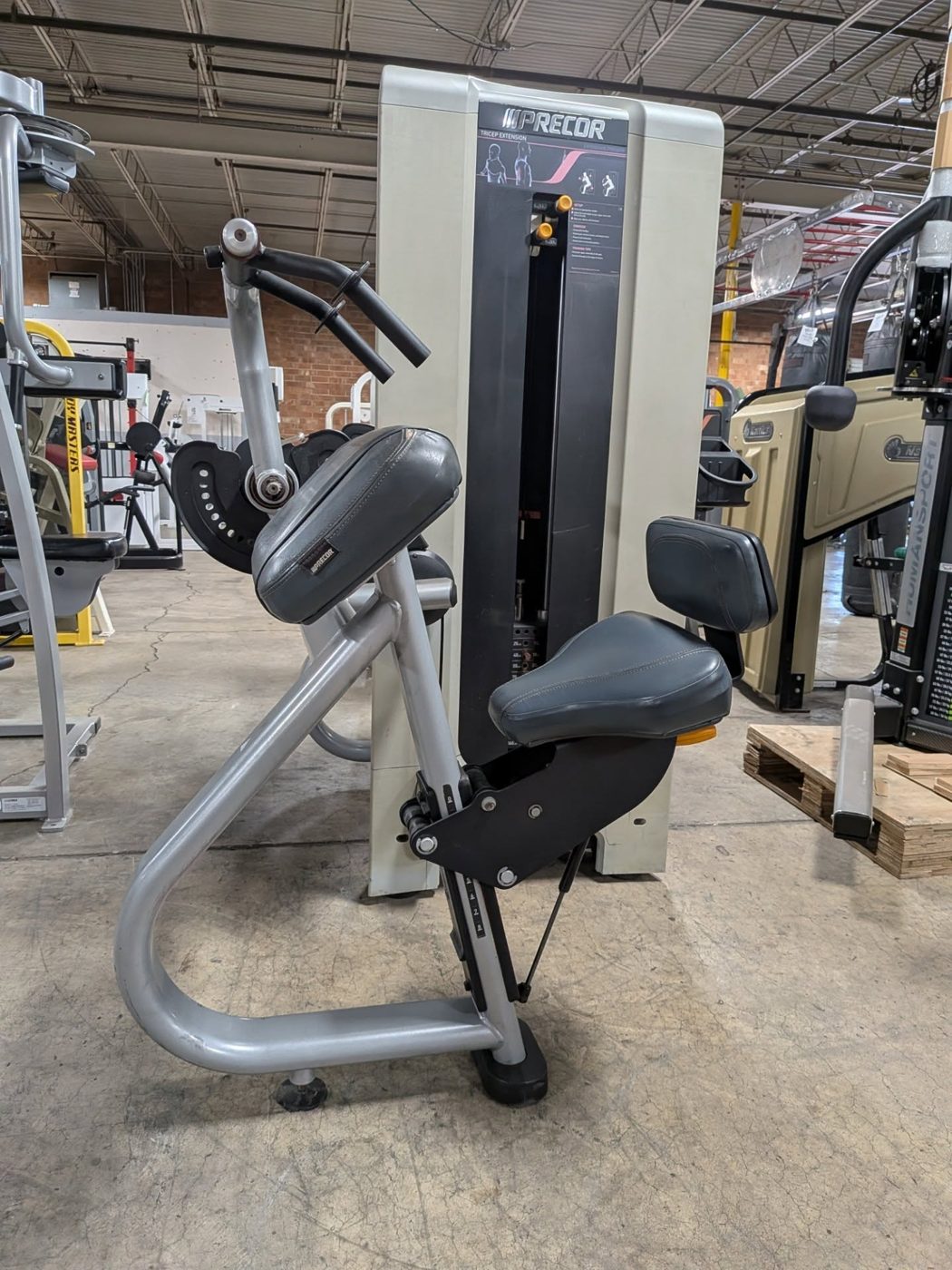
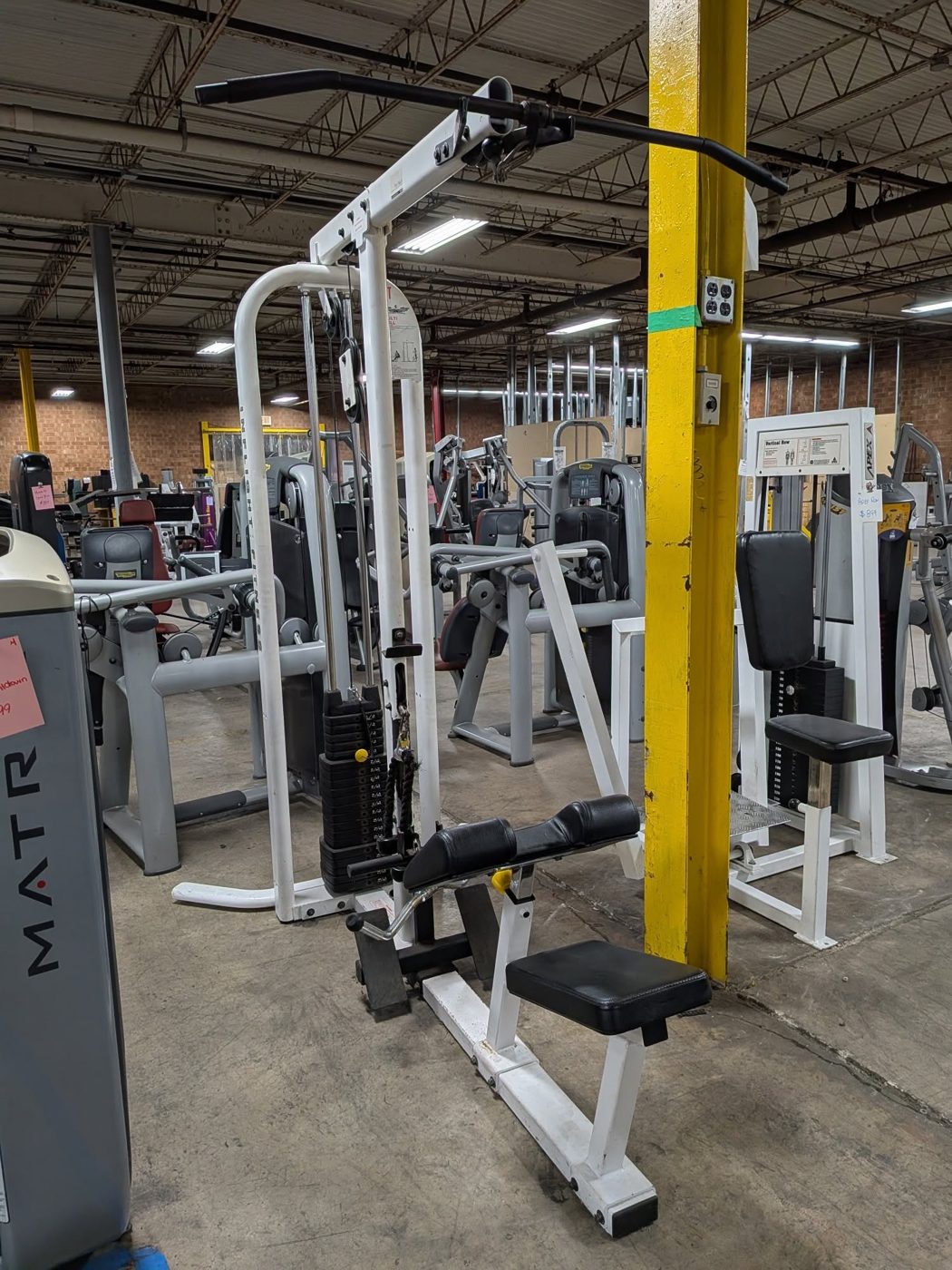
Inflight Fitness
Inflight Fitness Lat Pulldown / Bicep / Tricep Machine
Condition: Very Good
$499
Los Angeles, California
View Details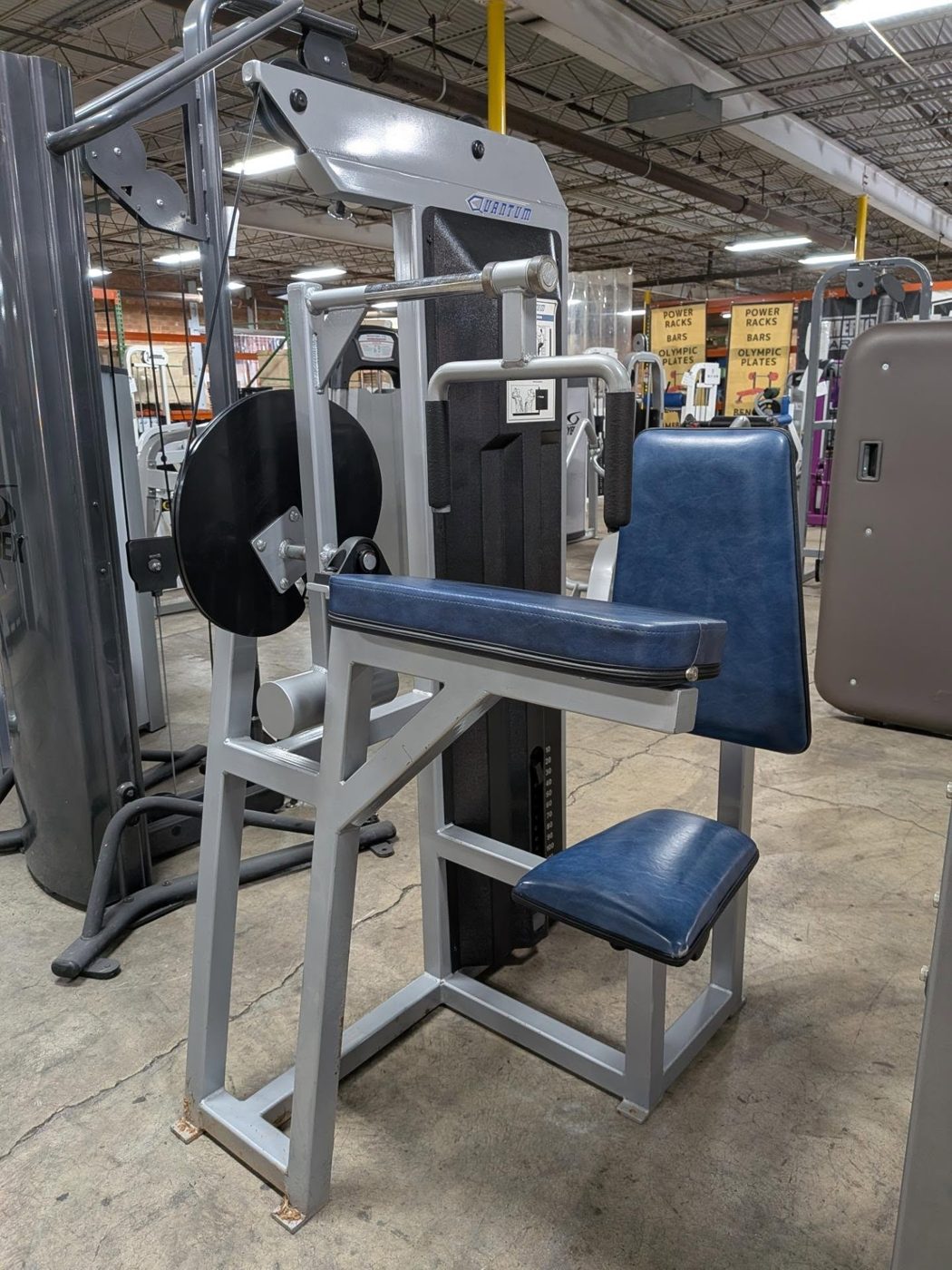
1. The Main Types of Tricep Machines
| Machine | Movement | What It Targets |
|---|---|---|
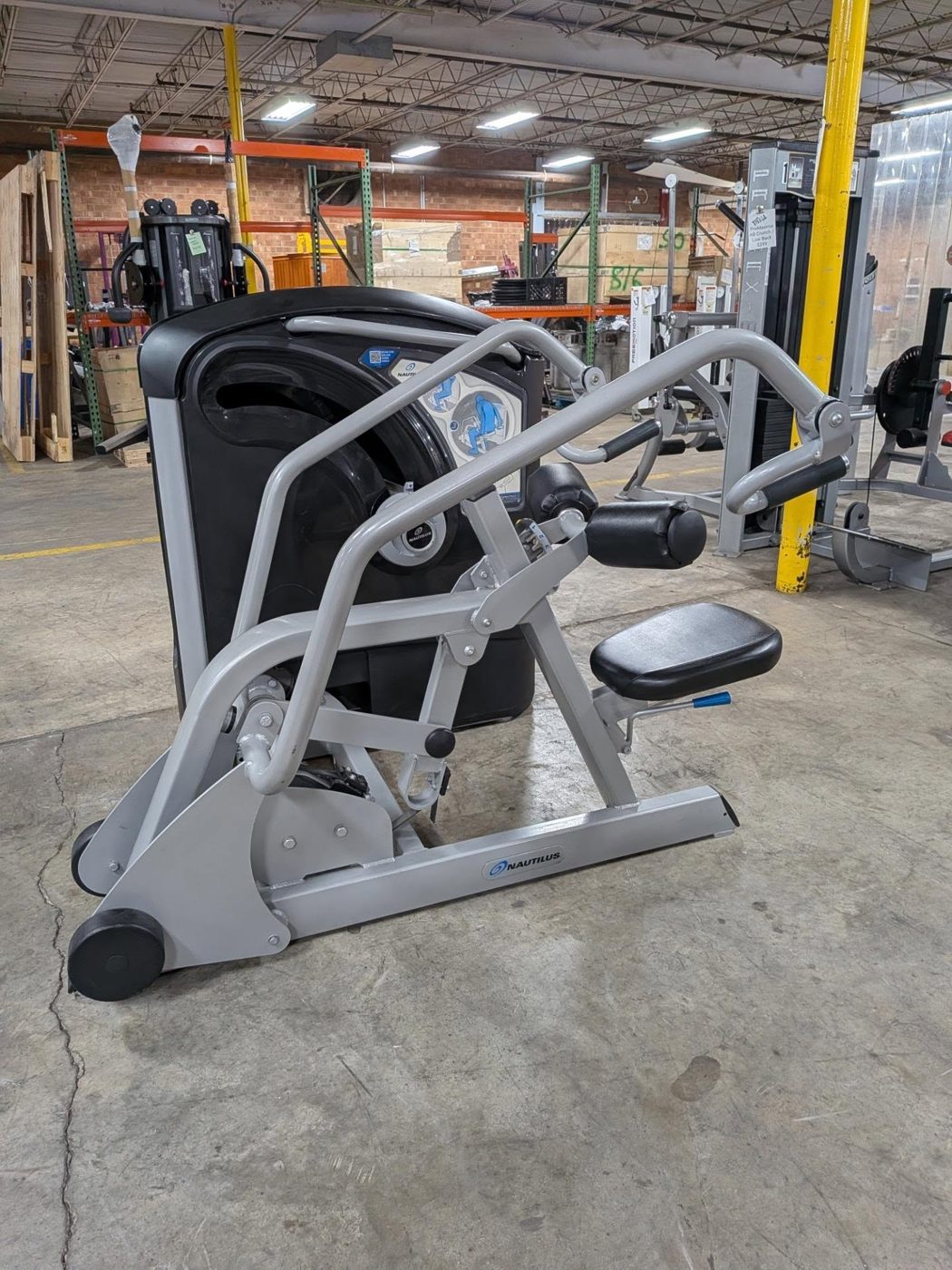
| Tricep Extension Machine | Seated, pressing or extending forward against a pad | Triceps, isolated with the elbow braced |
| Tricep Pushdown (Cable) | Standing, pushing a cable attachment downward | Triceps, the most common gym tricep exercise |
| Arm Extension Machine | Seated pressing-style extension, similar setup to a chest press | Triceps, with a guided fixed path |
2. How to Use a Tricep Extension Machine
Adjust the seat so your shoulders line up with the pivot point and your upper arms stay fixed against the pads throughout the movement. Extend under control until your arms are straight without locking out hard, then return slowly — the triceps do the most work on the way back, not just the push.
3. What Muscles Does a Tricep Extension Machine Work?
It isolates the triceps brachii — the three-headed muscle on the back of the upper arm responsible for straightening the elbow. Depending on the machine's arm angle, it can shift emphasis slightly between the triceps' long, lateral and medial heads.
4. Attachment Choice Changes the Feel of a Pushdown
On a cable pushdown, the attachment matters as much as the exercise itself. A straight bar keeps the grip fixed and allows heavier loading, a rope attachment allows the hands to spread apart at the bottom of the movement for a slightly different stretch, and a single-hand attachment isolates one arm at a time, which is useful for addressing a strength imbalance between arms.
5. Tricep Pushdown vs. Tricep Extension Machine
| Tricep Pushdown (Cable) | Tricep Extension Machine | |
|---|---|---|
| Position | Standing | Seated, braced against a pad |
| Setup | Needs a cable station or functional trainer | Dedicated machine, ready to use immediately |
| Stabilization | More core and shoulder involvement | Fully guided, minimal stabilization needed |
6. Tricep Machines for Home vs. Commercial Gyms
A cable pushdown through a functional trainer is the most space-efficient option for a home gym, since the same station covers other cable exercises too. A dedicated seated extension machine is more common on commercial floors where floor space is less of a constraint.
7. Common Tricep Machine Mistakes
Letting the elbows drift forward on a pushdown turns the movement into a partial chest or shoulder press instead of a strict tricep isolation exercise — the elbows should stay pinned close to the torso throughout. On a seated extension machine, rushing the return phase and letting the weight drop skips the portion of the movement where the triceps do a large share of the actual work.
- Letting the elbows drift forward on a pushdown instead of staying pinned to the torso
- Locking out too hard at full extension, which shifts stress onto the elbow joint
- Rushing the return phase and letting the weight drop instead of lowering under control
8. Grip Position and Which Tricep Head It Emphasizes
An overhand (pronated) grip on a pushdown is the most common setup and trains the triceps broadly, while a reverse (underhand) grip shifts more emphasis onto the lateral head and tends to feel noticeably different in the forearm and wrist. Neither grip is required over the other, but switching between them periodically trains the muscle from more than one angle rather than repeating the exact same movement pattern every session.
9. Elbow Health and Why Triceps Training Matters
Strong, well-conditioned triceps contribute to elbow joint stability during other pressing movements — bench press, shoulder press, push-ups — since the triceps cross the elbow joint and help control it under load. This is one reason tricep isolation work is often recommended even for people whose main goal is improving performance on compound pressing lifts rather than isolated arm development for its own sake.
10. Seated vs. Standing Tricep Exercises
A seated tricep extension machine braces the whole body, removing the need to stabilize through the legs and core, while a standing cable pushdown requires enough core engagement to keep the torso still under load. Standing versions add a small amount of general stability demand on top of the tricep isolation itself, which some lifters value as incidental core work and others prefer to avoid when the goal is pure arm isolation.
11. How Long a Tricep Machine Typically Lasts
Seated extension machines and pushdown attachments have relatively simple mechanisms, so with routine care — checking cables and pulleys, wiping down pads — they tend to have a long service life. This is a big part of why used tricep equipment is generally a low-risk category to shop, provided the basic inspection points get checked before buying.
12. What to Look for When Buying
- Elbow pad positioning and adjustability
- Weight stack vs. plate-loaded resistance
- Range of motion — check it isn't cut short at full extension
- Cable, pulley and upholstery condition if buying used
13. Pairing Tricep Work With the Rest of a Routine
Tricep machines most commonly follow chest and shoulder work in a push-day session, since the triceps already assist on pressing movements and are partially fatigued by the time isolation work begins. They also pair naturally with bicep work on a dedicated arm day, training the two opposing muscles of the upper arm back-to-back.
Read: Bicep & Tricep Machine WorkoutFinal Thoughts
A tricep pushdown and a seated extension machine both isolate the same muscle through different setups — one needs a cable station, the other is ready to use on its own. Either is a solid choice; what matters most is a controlled range of motion, not the machine type.
Frequently Asked Questions
- What muscles does a tricep extension machine work?
- The triceps brachii, the three-headed muscle on the back of the upper arm that straightens the elbow. The exact emphasis on each head can shift slightly with the machine's arm angle.
- How do you use a tricep extension machine?
- Set the seat so your shoulders align with the pivot point, keep your upper arms braced against the pads, and extend under control — lowering slowly rather than letting the weight drop.
- What's the difference between a tricep pushdown and a tricep extension machine?
- A pushdown is done standing at a cable station and involves more core and shoulder stabilization. An extension machine is seated and fully guided, isolating the triceps with less stabilization required.
- Is a plate-loaded or cable tricep machine better?
- Neither is strictly better — plate-loaded machines allow heavier top-end loads, while cable and weight-stack setups let you change resistance faster between sets.
- Does the attachment matter on a tricep pushdown?
- Yes — a straight bar allows heavier loading with a fixed grip, a rope lets the hands spread apart at the bottom for a different stretch, and a single-hand attachment isolates one arm to address strength imbalances.
- What's the most common mistake on a tricep pushdown?
- Letting the elbows drift forward away from the torso, which turns the movement into a partial press instead of a strict tricep isolation exercise.
- Does grip position matter on a tricep pushdown?
- Yes — an overhand grip trains the triceps broadly, while a reverse grip shifts more emphasis onto the lateral head. Switching between grips periodically trains the muscle from more than one angle.
- Why train triceps if I mainly care about bench press or shoulder press?
- The triceps cross the elbow joint and help stabilize it during pressing movements, so tricep isolation work often improves performance and joint health on compound presses even for lifters focused on those lifts specifically.
- Should I do tricep exercises seated or standing?
- Either works — seated extension machines brace the whole body and remove stabilization demand, while standing pushdowns require some core engagement, which some lifters value as incidental extra work.
- How durable are tricep machines over time?
- Quite durable with routine care — checking cables and pulleys and wiping down pads keeps these mechanically simple machines running smoothly, which is part of why used tricep equipment is generally low-risk to buy.
- Do I need a dedicated tricep machine if I already have a functional trainer?
- Not necessarily — a functional trainer with a pushdown attachment covers most tricep training needs, making a dedicated extension machine more of an addition than a requirement for most home gyms.
- Why do my triceps feel it more on the way down than the way up?
- That's expected — the triceps do significant work controlling the lowering phase of an extension or pushdown, not just pushing the weight up, which is why rushing that phase reduces the exercise's effectiveness.
Shop Related Equipment
Ready to Shop Tricep Machines?
Browse tricep extension, pushdown and other strength machines from verified sellers.