
Best Lactose-Free Protein Powders
Lactose intolerant? You still have plenty of great protein options. Here's how they compare.
Protein Powders
1. Lactose-Free vs Dairy-Free
Lactose-free means the milk sugar has been removed or reduced; dairy-free means no milk ingredients at all. If you're lactose intolerant, low-lactose whey may work. If you have a milk protein allergy, you need fully dairy-free protein.
2. Options Compared
| Protein | Lactose | Dairy-Free | Notes |
|---|---|---|---|
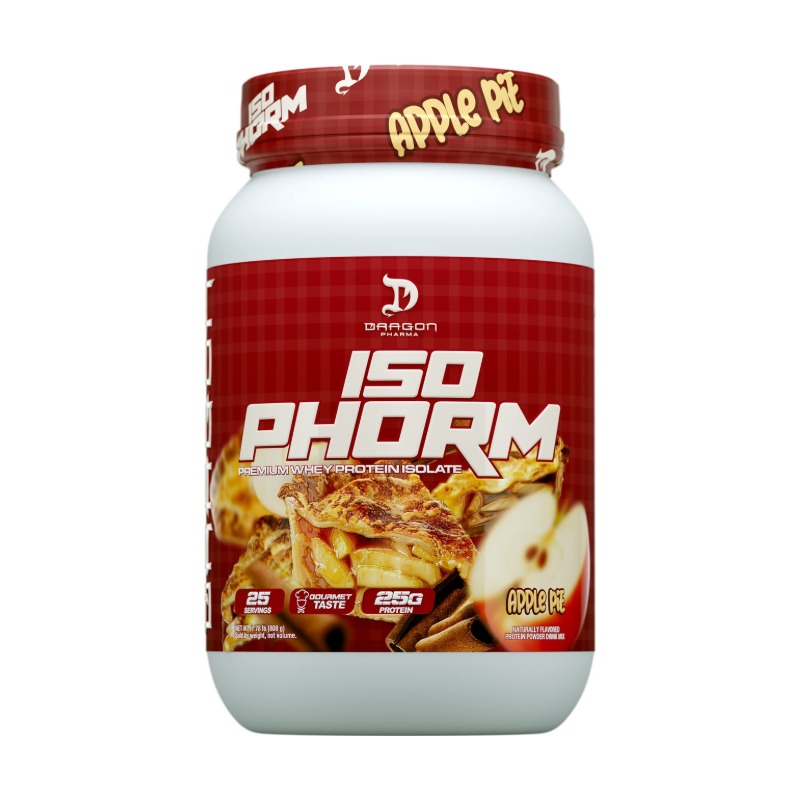
| Whey isolate | Very low | No | Tolerated by many with mild intolerance |
| Hydrolyzed whey | Very low | No | Pre-digested, gentle |
| Pea / rice / soy blends | None | Yes | Great all-round option |
| Egg white protein | None | Yes | Complete protein |
| Beef protein isolate | None | Yes | Paleo-friendly |
3. Tips for Sensitive Stomachs
- Try a small serving first
- Look for added lactase or digestive enzymes
- Avoid gums and sugar alcohols if they bother you
- Mix with water or a non-dairy milk
4. Signs of Lactose Intolerance From Protein
Bloating, gas, cramping and diarrhea within a few hours of drinking a whey concentrate shake can indicate lactose intolerance. Switching to whey isolate, hydrolyzed whey or a dairy-free protein often resolves these symptoms. If symptoms persist with all protein types, the cause may be other ingredients like sweeteners or gums.
5. Lactase Enzyme Supplements
Some people take lactase enzyme tablets with dairy-based shakes to help digest lactose. Some protein powders include lactase in their formula. This can make whey concentrate easier to tolerate.
6. Dairy-Free Protein Sources From Food
Eggs, meat, fish, tofu, tempeh, lentils and beans are excellent dairy-free protein sources to combine with protein powder.
7. Plant vs Whey Isolate for Lactose Intolerance
If you have mild lactose intolerance, whey isolate is often well tolerated and provides excellent protein quality. If you're severely intolerant or allergic to milk proteins, choose plant, egg or beef protein. Plant blends are widely available and work well in smoothies and baking.
Try a small serving first and increase gradually to see how your body responds.
8. Our Recommendation
Start with whey isolate if you tolerate it; otherwise choose a pea and rice plant blend.
9. Final Tip
Check labels for added milk solids in plant blends, which can contain small amounts of lactose.
10. Lactose-Free Protein Shake Recipe
Blend one scoop of whey isolate or plant protein with lactose-free milk or oat milk, a frozen banana, a tablespoon of peanut butter and ice. This creamy shake delivers about 30 grams of protein with no lactose discomfort. Swap peanut butter for almond butter or seeds if you prefer.
Final Thoughts
For lactose intolerance, whey isolate or hydrolyzed whey often works well, while plant, egg and beef proteins are fully dairy-free. Start with small servings and pick the option your body handles best. This article is for general information only and isn't medical advice. Talk to a doctor or registered dietitian before starting a supplement, especially if you're pregnant or nursing, take medication or have a health condition.
Frequently Asked Questions
- Is whey isolate lactose free?
- It's very low in lactose, usually under 1 g per serving, but not always completely lactose-free.
- What protein is best for lactose intolerance?
- Whey isolate for mild intolerance, or plant and egg protein if you need zero lactose.
Shop Related Equipment
Protein Without the Discomfort
Shop protein powders and supplements.