
Rucking: Benefits, Gear and Beginner Plan
Rucking is walking with a weighted pack. Here's why it works and how to start safely.
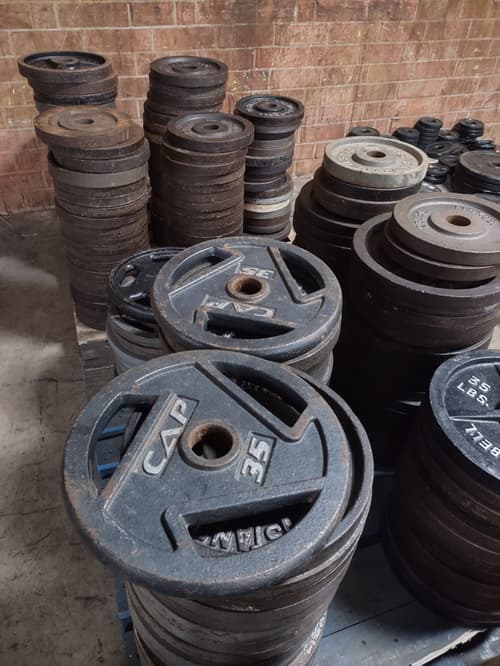
Weighted Vests and Plates
1. Rucking Benefits
- Burns more calories than walking without weight
- Builds strength in the legs, back and core
- Low impact compared with running
- Improves posture and work capacity
- Easy to do outdoors with friends
2. Rucking Gear
| Gear | Notes |
|---|---|
| Rucksack | Padded straps and a hip belt |
| Ruck plate | Flat weight that sits high and close to the back |
| Weighted vest | Alternative to a backpack |
| Footwear | Supportive walking or hiking shoes |
3. Beginner Rucking Plan
- Start with about 10 percent of bodyweight, or 10 to 20 lb
- Week 1 - 2: 20 - 30 minutes, 2 - 3 times a week
- Week 3 - 4: 30 - 45 minutes
- Increase weight by about 5 lb every 2 weeks, or distance, not both
- Keep the load high and tight on your back
4. Rucking Technique
Keep the weight high and tight against your upper back, tighten your shoulder straps and use a hip or sternum strap if your pack has one. Stand tall with your core engaged and avoid leaning forward. Take normal-length steps and maintain a brisk pace. Start on flat terrain and add hills once you're comfortable.
5. Rucking for Weight Loss
Carrying weight increases the energy cost of walking, so rucking burns more calories than walking at the same pace. It's also low impact compared with running, which makes it sustainable for daily use. Combine rucking with a calorie deficit and strength training for the best fat loss results.
6. Safety Tips
Increase weight gradually, wear supportive footwear and avoid heavy loads if you have back, knee or hip problems. Stay hydrated and watch for hot spots that could become blisters.
7. Rucking With Friends
Group rucks make training social and keep you accountable.
8. Rucking vs Walking vs Running
Rucking burns more calories than walking and builds strength in the legs, back and core. Running burns more calories per minute but places more impact on the joints. Rucking sits in between: it's harder than walking, easier on the body than running and builds strength along the way. Many people use rucking as a low-impact alternative to running.
9. Rucking Weekly Plan
Ruck two or three times a week, with one shorter session and one longer session. Add strength training on other days and walk on recovery days.
10. Choosing a Ruck Plate
Ruck plates are flat and sit high on your back, which is more comfortable than loose weights. Start with a 10 or 20 lb plate and add more as you adapt. Dedicated rucking backpacks have plate sleeves to keep the weight stable.
11. Final Tip
Start light and short; the best ruck is the one that leaves you wanting to go again.
Final Thoughts
Rucking turns everyday walking into strength and conditioning. Start light, keep the weight high on your back, progress gradually and enjoy one of the simplest, most effective workouts for weight loss and fitness.
Frequently Asked Questions
- Is rucking good for weight loss?
- Yes. It burns more calories than regular walking.
- How heavy should a ruck be?
- Start around 10 percent of bodyweight and build slowly.
Shop Related Equipment
Gear Up for Rucking
Shop weighted vests, plates and accessories.