
Best Supplements for Runners and Endurance Athletes
Endurance athletes have different needs from lifters. Here's which supplements support running performance and recovery.
Supplements for Sale
1. Endurance Supplements With Evidence
| Supplement | Benefit | How to Use |
|---|---|---|
| Carbohydrate gels / drinks | Fuel for long efforts | 30 - 90 g/hour in races over 60 - 90 min |
| Caffeine | Improves endurance | 3 - 6 mg/kg before or during |
| Electrolytes (sodium) | Hydration, cramp prevention | Based on sweat rate |
| Beetroot / nitrates | Efficiency and endurance | Taken 2 - 3 hours before |
| Beta-alanine | Helps 1 - 4 minute efforts | Daily for weeks |
| Iron (if low) | Oxygen transport | Test ferritin first |
2. Running Recovery
- Protein (20 to 40 g) plus carbs after long or hard runs
- Tart cherry juice may help soreness in heavy training blocks
- Omega-3 for general recovery support
- Sleep is the most important recovery tool
3. Race Day Fueling
For races longer than 60 to 90 minutes, practice fueling during training. Many runners use gels, chews or drinks providing 30 to 90 grams of carbohydrates per hour, along with sodium. Caffeine before or during long races can help with focus and fatigue. Never try new supplements or fueling strategies on race day.
A consistent pre-race breakfast and hydration routine reduces stomach issues.
4. Supplements for Bone Health in Runners
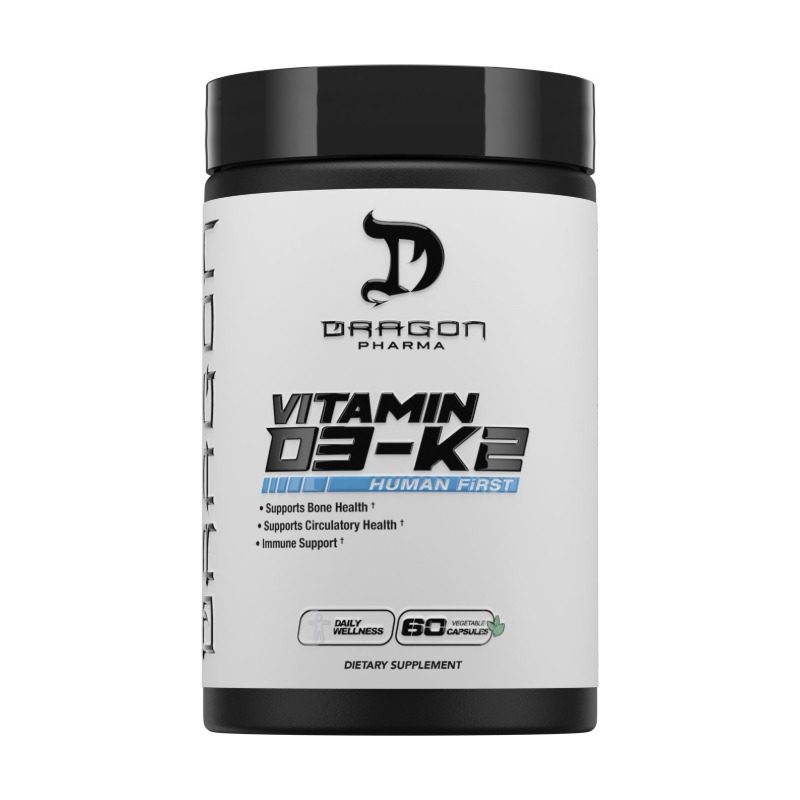
Runners, especially women and those with low energy availability, are at risk of stress fractures. Adequate calcium, vitamin D and total calories support bone health. Test vitamin D levels and eat enough to fuel training.
5. Our Recommendation
Focus on carbs, electrolytes and caffeine for performance, and protein and iron for health.
6. Supplements for Female Runners
Female runners are at higher risk of iron deficiency and low energy availability. Regular blood tests for iron and vitamin D, adequate calorie intake and calcium-rich foods support performance and bone health. Creatine may also support strength training and speed work.
A sports dietitian can help female runners fuel properly for training volume.
7. Final Tip
Test every supplement and fueling strategy during long training runs before race day. What works for others may not work for your stomach, so practice is essential.
8. Recovery Between Runs
Eat carbs and protein after hard runs, sleep well and use easy days to recover.
9. Caffeine for Runners
Caffeine is one of the most effective legal performance aids for endurance. Many runners take about 3 mg per kilogram of bodyweight 30 to 60 minutes before races or hard sessions, or use caffeinated gels during long events. Test caffeine during training to avoid stomach issues on race day.
Final Thoughts
The best supplements for runners are carbs, caffeine, electrolytes and nitrates for performance, plus protein and iron (if low) for recovery and health. Practice fueling in training before race day. This article is for general information only and isn't medical advice. Talk to a doctor or registered dietitian before starting a supplement, especially if you're pregnant or nursing, take medication or have a health condition.
Frequently Asked Questions
- Should runners take creatine?
- It may help sprint and strength work but can add water weight, which some distance runners prefer to avoid.
- Do runners need electrolytes?
- For long or hot runs, yes, especially sodium.
Shop Related Equipment
Shop Supplements
Protein, creatine, vitamins and performance supplements from trusted brands.