
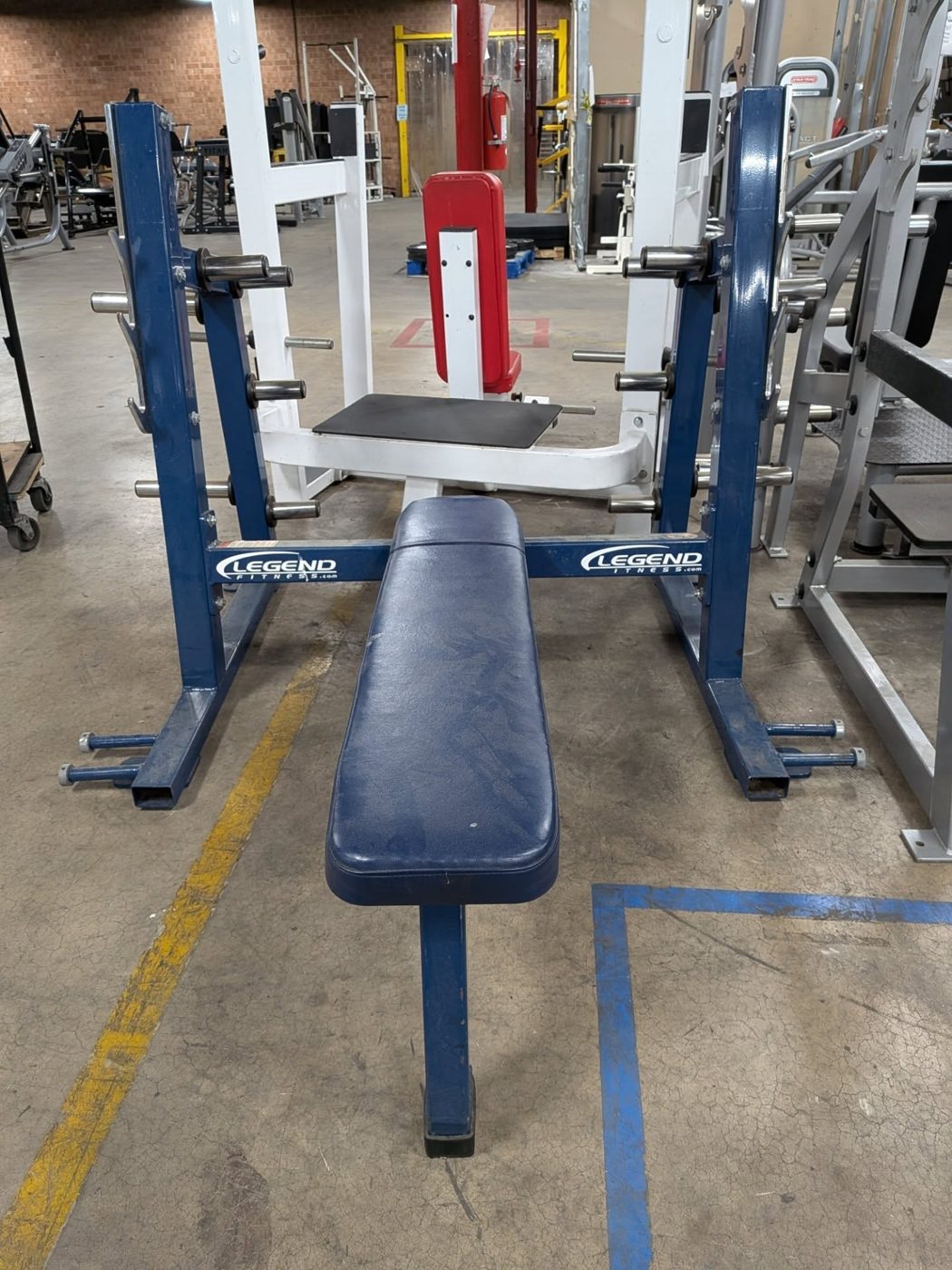
Best Workout Bench for Home: How to Choose a Weight Bench for Your Home Gym
Space, budget, stability and the exercises you actually do — how to pick a workout bench that earns its spot in your home gym.
Workout Benches for Sale
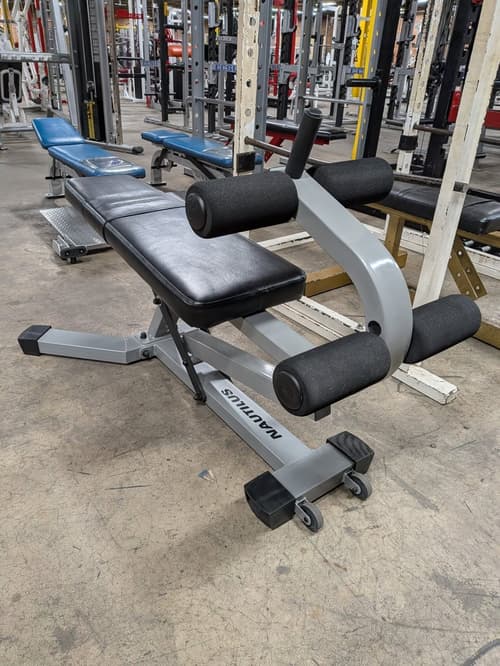
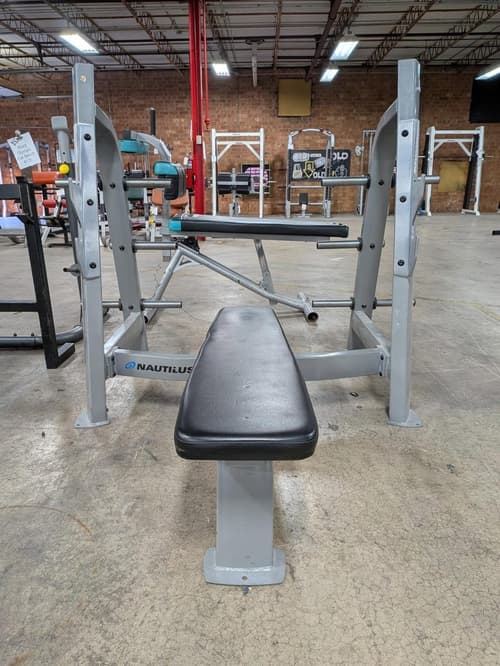
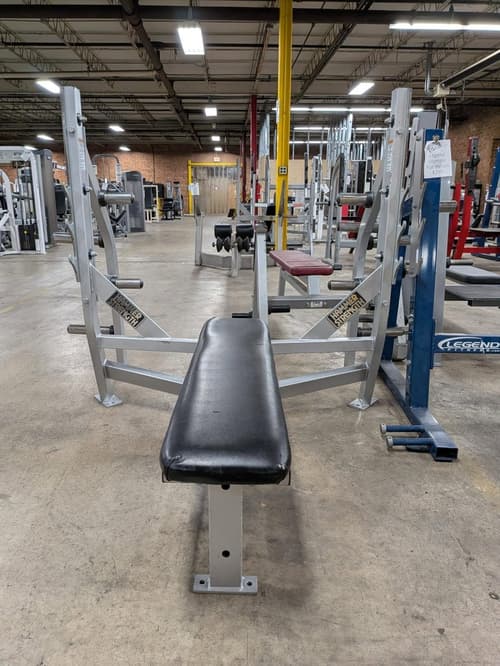
Hammer Strength
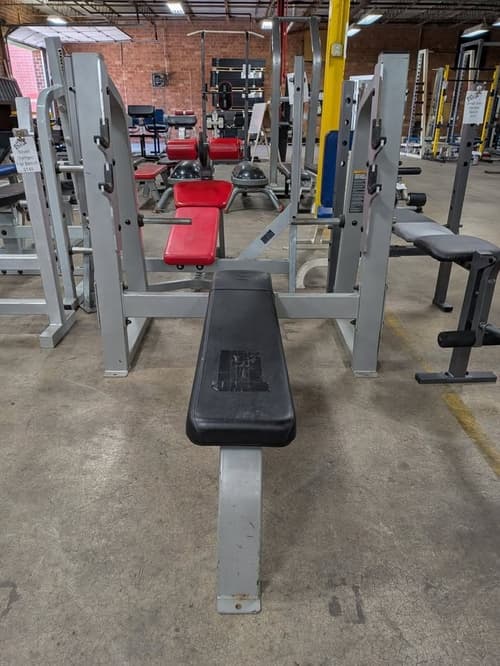
Used Hammer Strength Olympic Flat Bench
Condition: Very Good
$299
Los Angeles, California
1. Why a Weight Bench Is the Backbone of a Home Gym
After a set of weights, a workout bench is the single piece of equipment that expands what you can do at home the most. It turns dumbbells into a full upper-body program — presses, rows, flyes, pullovers, seated curls and overhead presses — and it pairs with a rack and barbell for the bench press itself. That's why nearly every home gym, from a spare bedroom to a full garage setup, starts with a bench.
The best workout bench for home isn't necessarily the most expensive or the most feature-packed. It's the one that fits your space, supports the exercises you do and stays rock-solid under the weights you lift.
Shop Home Gym Equipment2. Flat, Adjustable or Compact: Which Home Bench Type Fits You
A flat bench is the simplest, sturdiest and usually least expensive option, and it's all you need for flat bench press, rows and many dumbbell movements. An adjustable bench adds incline and sometimes decline angles, which unlocks incline pressing, seated shoulder work and more. Compact and folding benches trade some stability for storage, which matters when your home gym shares space with a car, guest bed or living room.
| Bench Type | Best For | Tradeoff |
|---|---|---|
| Flat bench | Bench press, rows, step-ups, budget setups | No incline or seated work |
| Adjustable (FI/FID) | The widest exercise variety | More moving parts, higher price |
| Folding / compact | Small apartments and shared rooms | Usually less stable and lower capacity |
3. Measure Your Space First
A typical workout bench is roughly 4 to 5 feet long and around 2 feet wide at its feet, but you need more room than that to use it. Allow clearance on both sides for dumbbells at the bottom of a press, and room at the head and foot to get on and off safely. If you'll bench press with a barbell, the bar itself is about 7 feet long for an Olympic bar, so plan your width around that.
If floor space is tight, look for a bench with wheels and a handle so it can be stood upright or rolled against a wall, or a folding design that stores flat.
4. Stability and Weight Capacity Come First
The fastest way to regret a home bench purchase is buying one that wobbles. Look for a wide base, thick steel tubing and feet that sit flat on the floor. The weight capacity needs to cover your body weight plus your heaviest dumbbells or barbell load with a margin to spare, and you'll want headroom as you get stronger.
Small exercise benches and very light benches are easy to move, but that same lightness makes them tip more easily when you sit up with heavy dumbbells. If you lift heavy, a heavier bench is a feature, not a flaw.
- No rocking side to side when you sit or lie on it
- Capacity that covers body weight plus working weights with room to grow
- Rubber feet that grip the floor and protect it
- Pad firm enough that it doesn't bottom out under load
5. Pair the Bench With the Rest of Your Setup
If you have a power rack or squat rack, check that the bench fits between the uprights and that the bench height lines up with your J-hooks and safety arms. If you train with dumbbells only, an adjustable bench with good low-incline settings covers almost everything. If you're starting with a bench and weight set, make sure the bench's uprights, if it has them, are rated for the load you plan to work up to.
Read: Power Racks & Cages for Home Gyms6. Budget Home Benches vs. Used Commercial Benches
Budget home workout benches are widely available and fine for lighter training, but they tend to cut corners on steel gauge, pad quality and adjustment hardware. Spending a little more — or shopping used — usually pays off in a bench that lasts.
A used commercial weight bench retired from a gym is often the best workout bench for home on a value basis. It's heavier and larger than home-grade alternatives, but it was built to survive years of constant use, so a lighter home training load barely registers.
Read: Weight Bench Price Guide7. Features That Are Nice to Have
Once you've covered stability and the angles you need, a few extras make day-to-day use easier: transport wheels and a handle for moving the bench, a leg hold-down for decline and sit-up work, an adjustable seat to stop you sliding on inclines, and grippy, easy-to-clean upholstery.
- Wheels and handle for rolling the bench out of the way
- Adjustable seat for incline work
- Leg hold-down for decline presses and sit-ups
- Durable, grippy upholstery that wipes clean
8. Common Mistakes When Buying a Home Workout Bench
The most common mistakes are buying on looks or price alone, ignoring pad gap on adjustable benches, choosing a bench too tall or too short to plant your feet, and forgetting to check whether it fits inside an existing rack. Buying a bench with a low weight capacity is another — you'll outgrow it faster than you expect.
- Choosing a bench that wobbles to save a small amount of money
- Ignoring the gap between seat and back pad
- Not checking fit inside a power rack
- Buying a capacity you'll outgrow within months
9. Where to Find a Home Gym Weight Bench for Sale
Bench inventory changes frequently as gyms upgrade and home gym owners sell equipment, so it's worth checking current listings for both new and used weight benches rather than waiting on one specific model.
Shop Weight BenchesFinal Thoughts
The best workout bench for home is stable, fits your space, supports the exercises you actually do and carries a weight capacity you won't outgrow. For most home gyms that's a solid adjustable bench; for tight budgets or pure pressing, a heavy flat bench is hard to beat. And if you want commercial durability at a home-gym price, a used commercial bench is one of the smartest buys you can make.
Frequently Asked Questions
- What is the best type of workout bench for a home gym?
- For most people, a sturdy adjustable bench, because it covers flat, incline and seated exercises in one footprint. A heavy flat bench is a great budget choice if you mainly bench press and row.
- How much space do I need for a weight bench at home?
- Plan for the bench's footprint plus clearance on both sides for dumbbells and room to get on and off. If you'll use an Olympic barbell, allow width for a bar about 7 feet long.
- Are folding workout benches any good?
- They're useful for small spaces, but folding benches are usually less stable and have lower weight capacities than fixed-frame benches. They suit lighter training best.
- Is a used commercial bench good for a home gym?
- Often, yes. Commercial benches are built for constant gym use, so a used one in good structural condition usually outlasts a new home-grade bench at a similar price.
- Do I need a bench with a leg hold-down?
- Only if you plan to do decline presses or decline sit-ups. Otherwise it adds hardware you won't use.
- Can I bench press at home without a rack?
- You can use dumbbells safely without a rack. For barbell bench press, use a rack with safety arms or an Olympic bench with uprights and safety spotters, especially if you train alone.
- What should a home workout bench weigh?
- Heavier benches are generally more stable. Very light benches are easy to move but can tip when you sit up holding heavy dumbbells.
- What's a small exercise bench good for?
- A small exercise bench works well for dumbbell training, step-ups and core work in tight spaces, as long as its capacity and stability match the weights you use.
Shop Related Equipment
Ready to Build Your Home Gym?
Browse home gym benches and equipment from verified sellers.