
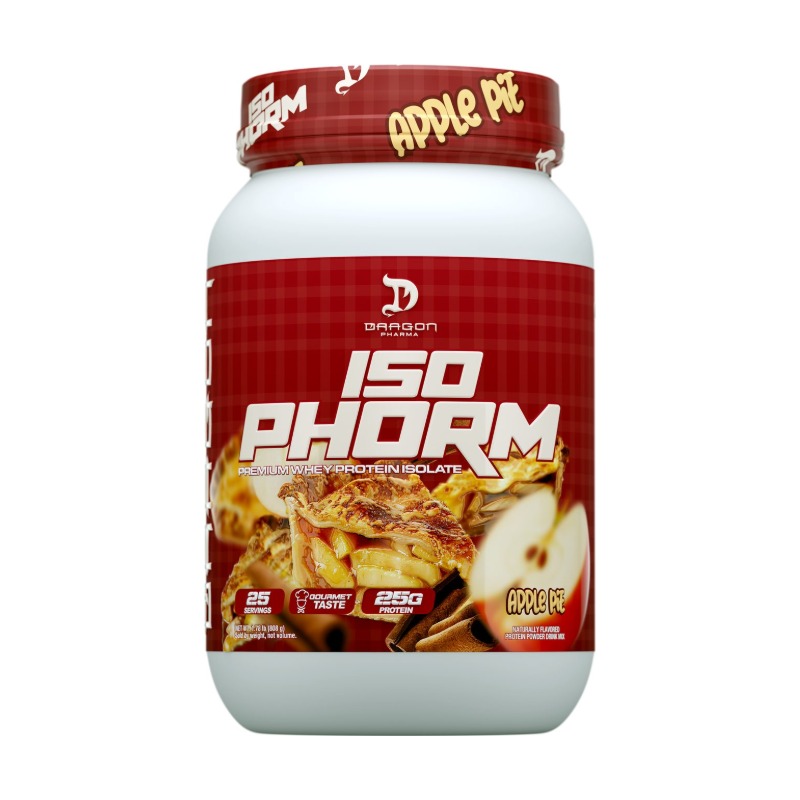
Best Protein and Supplements While on Ozempic or GLP-1 Medication
GLP-1 medications reduce appetite dramatically, which can mean losing muscle. Here's how protein and smart supplements can help.
Protein Supplements
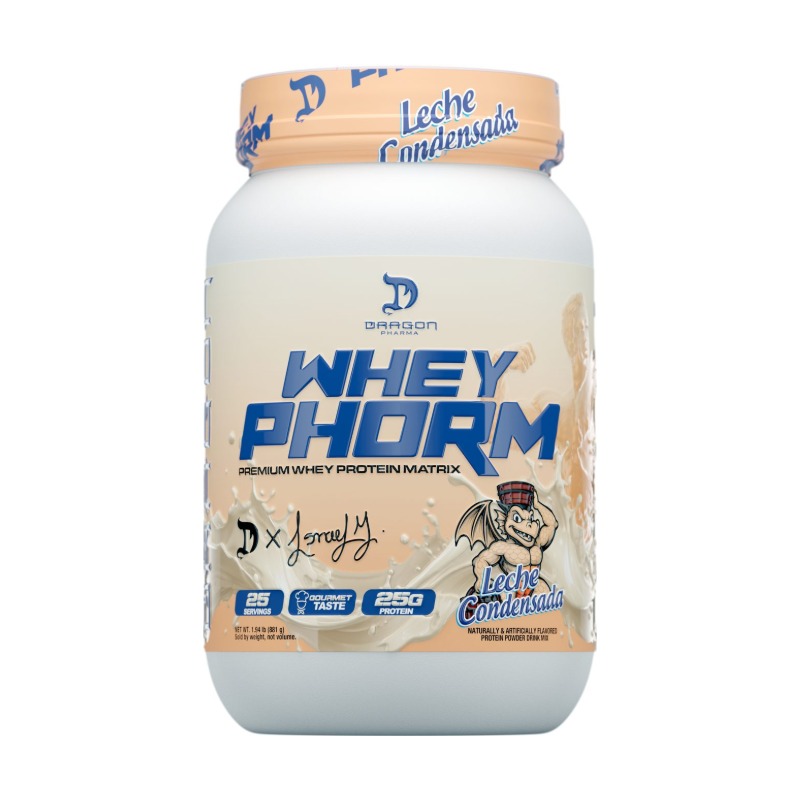
1. The Muscle Loss Problem
GLP-1 medications like semaglutide and tirzepatide can produce significant weight loss, but studies show a meaningful share of the weight lost can come from lean mass, including muscle. Eating less protein because of reduced appetite makes it worse. Protecting muscle matters for strength, metabolism and long-term health.
2. Priorities While on a GLP-1
| Priority | Why | How |
|---|---|---|
| Protein | Preserves muscle | Aim for about 1.2 - 1.6 g/kg of goal weight, as advised by your clinician |
| Strength training | Signals the body to keep muscle | 2 - 3 full-body sessions a week |
| Fiber | Constipation is a common side effect | Food first; psyllium if needed |
| Hydration and electrolytes | Nausea and lower intake raise dehydration risk | Sip fluids; electrolytes if advised |
| Micronutrients | Lower food intake can mean gaps | Multivitamin; check vitamin D, B12, iron |
3. Protein Tips on a Reduced Appetite
- Eat protein first at every meal
- Use protein shakes when solid food is hard to finish
- Try clear whey if milky shakes cause nausea
- Choose small, frequent protein-rich snacks like Greek yogurt or eggs
- Consider creatine to support strength, if your doctor agrees
4. Managing Side Effects With Nutrition
Nausea, constipation and reduced appetite are common side effects of GLP-1 medications. Eating smaller, more frequent meals, avoiding greasy foods, drinking enough fluids and including fiber can help. Clear protein drinks or chilled shakes are sometimes easier to tolerate than heavy meals. Always discuss persistent side effects with your prescriber.
5. Strength Training on GLP-1 Medications
Resistance training two to three times a week helps signal your body to preserve muscle while losing fat. Start with simple exercises like squats, rows, presses and carries, and progress gradually. Combining strength training with adequate protein is the most effective way to protect lean mass.
6. Hydration and Electrolytes
Reduced food and fluid intake can raise the risk of dehydration, especially if you experience nausea or vomiting. Sip fluids throughout the day and consider electrolyte drinks if your doctor agrees. Dizziness, dark urine and fatigue can be signs you need more fluids.
7. Final Tip
Keep a simple food and symptom diary for the first months on a GLP-1 medication. It helps you and your clinician spot protein gaps and side effects early.
Final Thoughts
The best supplements while on Ozempic or other GLP-1 medications focus on protecting muscle and filling nutritional gaps: protein, fiber, fluids and possibly a multivitamin and creatine. Combine them with strength training, and always coordinate supplements with the clinician who prescribes your medication. This article is for general information only and isn't medical advice. Talk to a doctor or registered dietitian before starting a supplement, especially if you're pregnant or nursing, take medication or have a health condition.
Frequently Asked Questions
- How much protein should I eat on Ozempic?
- Many clinicians suggest about 1.2 to 1.6 g/kg of goal bodyweight. Ask your provider for a personal target.
- Can I take creatine on a GLP-1?
- There's no known interaction, but check with your doctor, especially if you have kidney concerns.
Shop Related Equipment
Protect Your Muscle
Shop protein powders and supplements to support your goals.