
Bulgarian Split Squat: How to Do It and Why It Works
Loved and hated in equal measure, the Bulgarian split squat builds legs with minimal equipment. Here's how to nail it.
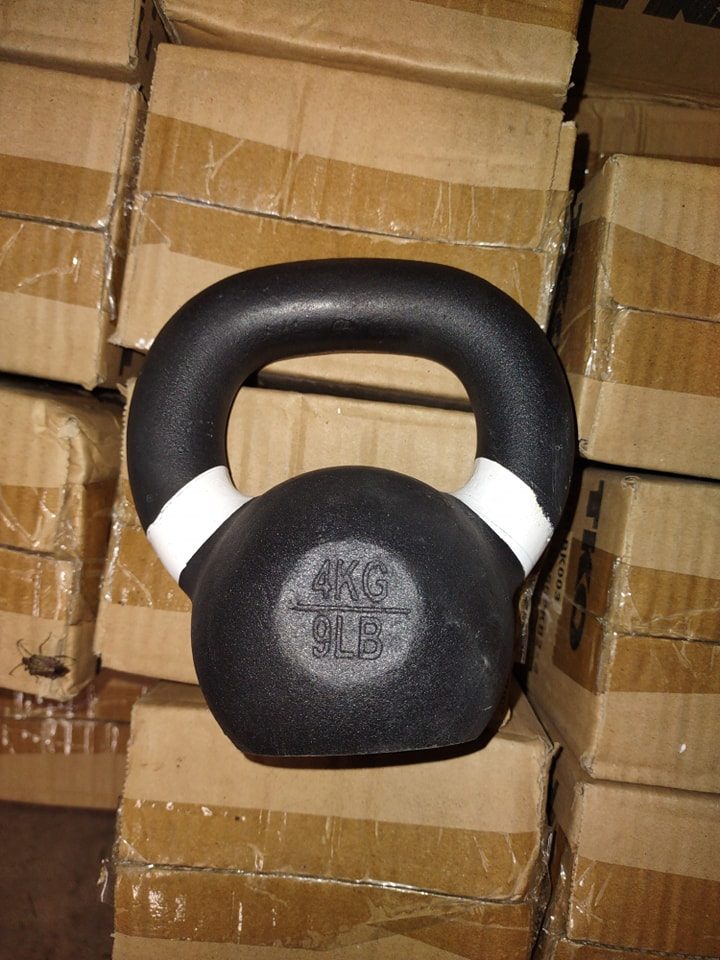
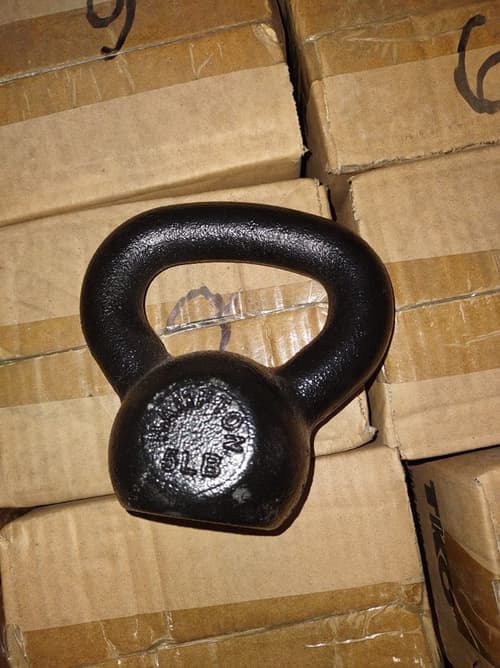
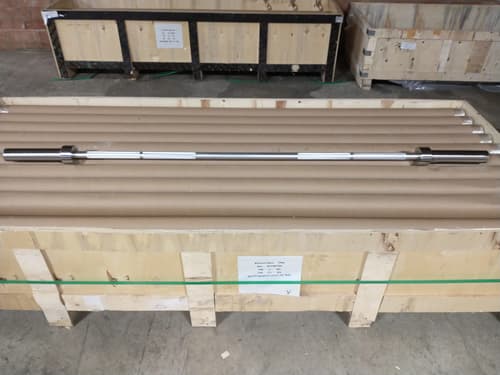
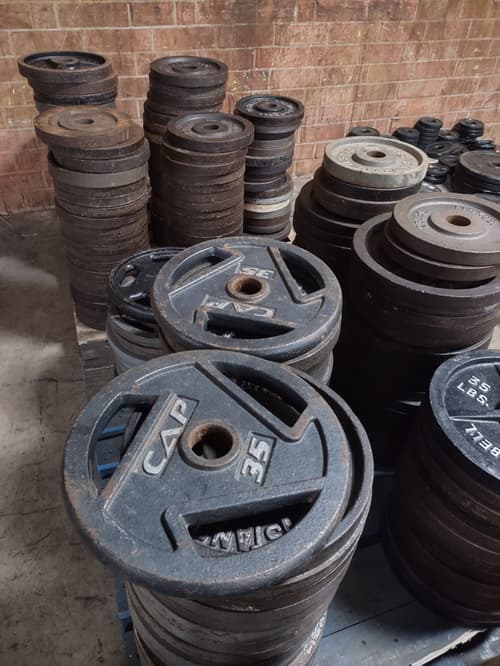
Free Weights for Sale
1. Why It Works
- Trains each leg independently to fix imbalances
- Builds quads and glutes with less spinal load than back squats
- Improves balance and hip mobility
- Needs only a bench and dumbbells
2. How to Do a Bulgarian Split Squat
- Stand about two feet in front of a bench, facing away
- Place the top of your rear foot on the bench
- Lower straight down until your front thigh is about parallel
- Keep your front heel down and knee tracking over your toes
- Drive through your front foot to stand
- Complete all reps, then switch legs
3. Foot Position: Quads vs Glutes
| Setup | Emphasis |
|---|---|
| Shorter stance, upright torso | Quads |
| Longer stance, slight forward lean | Glutes |
4. Progressions
- Bodyweight split squat with rear foot on the floor
- Bodyweight Bulgarian split squat
- Dumbbell split squat (dumbbells at your sides)
- Goblet or barbell Bulgarian split squat
- Deficit version with front foot on a plate
5. Common Mistakes
A stance that's too short pushes the front knee far forward and stresses the knee. A stance that's too long strains the hip flexors of the back leg. Pushing through the back leg rather than the front reduces the benefit. Leaning too far forward or letting the front knee cave inward can cause discomfort. Adjust your stance and keep most of your weight on the front foot.
6. Sets and Reps
Perform 3 sets of 8 to 12 reps per leg, starting with your weaker leg. Rest 60 to 90 seconds between sides.
7. Bench Height for Split Squats
A bench about knee height works for most people. If your hip flexors feel overly stretched or the movement feels awkward, use a lower box or step. Taller lifters may prefer a slightly higher bench. Some gyms have dedicated split squat stands with padded rollers that are more comfortable for the back foot.
Place a pad under the back foot if the bench edge digs into your ankle.
8. Bulgarian Split Squat Benefits for Athletes
Single-leg strength carries over to running, jumping and changing direction. Athletes use Bulgarian split squats to build leg power while reducing spinal load during heavy training phases.
9. Bulgarian Split Squat vs Lunges
Both exercises train one leg at a time, but the Bulgarian split squat elevates the back foot, which shifts more load onto the front leg and increases the range of motion. That makes it harder and more effective for building strength. Lunges add a dynamic stepping component that trains balance and coordination. Use both in your program for complete single-leg strength.
Final Thoughts
The Bulgarian split squat builds strong quads and glutes one leg at a time with just a bench and dumbbells. Adjust your stance for quad or glute focus, start with bodyweight and progress to heavier dumbbells.
Frequently Asked Questions
- Why are Bulgarian split squats so hard?
- They demand strength, balance and mobility on one leg at a time.
- How far should my foot be from the bench?
- About two feet, adjusted so your front shin is roughly vertical to slightly forward at the bottom.
Shop Related Equipment
Get the Right Weights
Shop barbells, dumbbells, kettlebells and plates.