
BPC-157: What It Is, What Research Shows and Its Legal Status
BPC-157 is one of the most talked-about peptides online. Here's what it actually is, what the research does and doesn't show, and how it's regulated.
BPC-157 Research Peptides
1. What Is BPC-157?
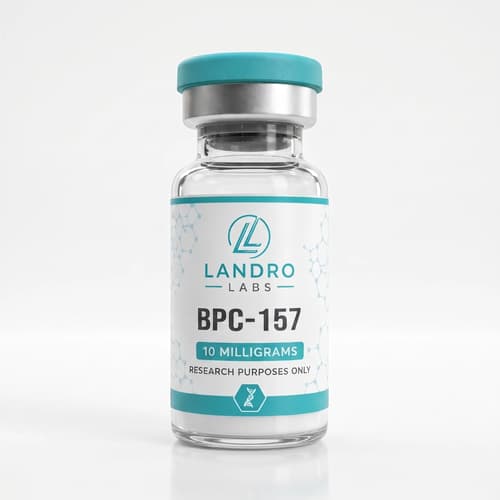
BPC-157, short for Body Protection Compound-157, is a synthetic peptide of 15 amino acids. Its sequence is derived from a protein found in human gastric juice. It's sold as a research chemical, usually as a freeze-dried (lyophilized) powder, and is one of the most widely discussed peptides in fitness and recovery communities.
2. What the Research Shows
Most BPC-157 research has been done in animals, particularly rats, and much of it comes from a small number of research groups. These studies have explored effects on tendon, ligament, muscle and gut tissue, and on blood vessel formation.
Human data is very limited. There are no large, controlled clinical trials showing BPC-157 is safe or effective for any condition in people. Results in animals often don't carry over to humans, which is why regulators treat it as unproven.
| Research Area | Evidence So Far |
|---|---|
| Tendon and ligament tissue | Animal studies only |
| Gut and stomach lining | Mostly animal studies |
| Muscle tissue | Animal studies only |
| Human safety and efficacy | Not established; very limited data |
3. Risks and Unknowns
- Long-term safety in humans is unknown
- Because it's studied for blood vessel growth, researchers have raised theoretical concerns about effects on existing tumors
- Research-grade products vary in purity and may be contaminated or mislabeled
- Injectable products carry infection risk when not made under sterile pharmaceutical conditions
4. FDA and WADA Status
BPC-157 is not FDA-approved. In 2023 the FDA listed it among bulk substances that may present significant safety risks, which restricts compounding pharmacies from using it. WADA has prohibited BPC-157 at all times since 2022, so tested athletes cannot use it.
5. BPC-157 Blends
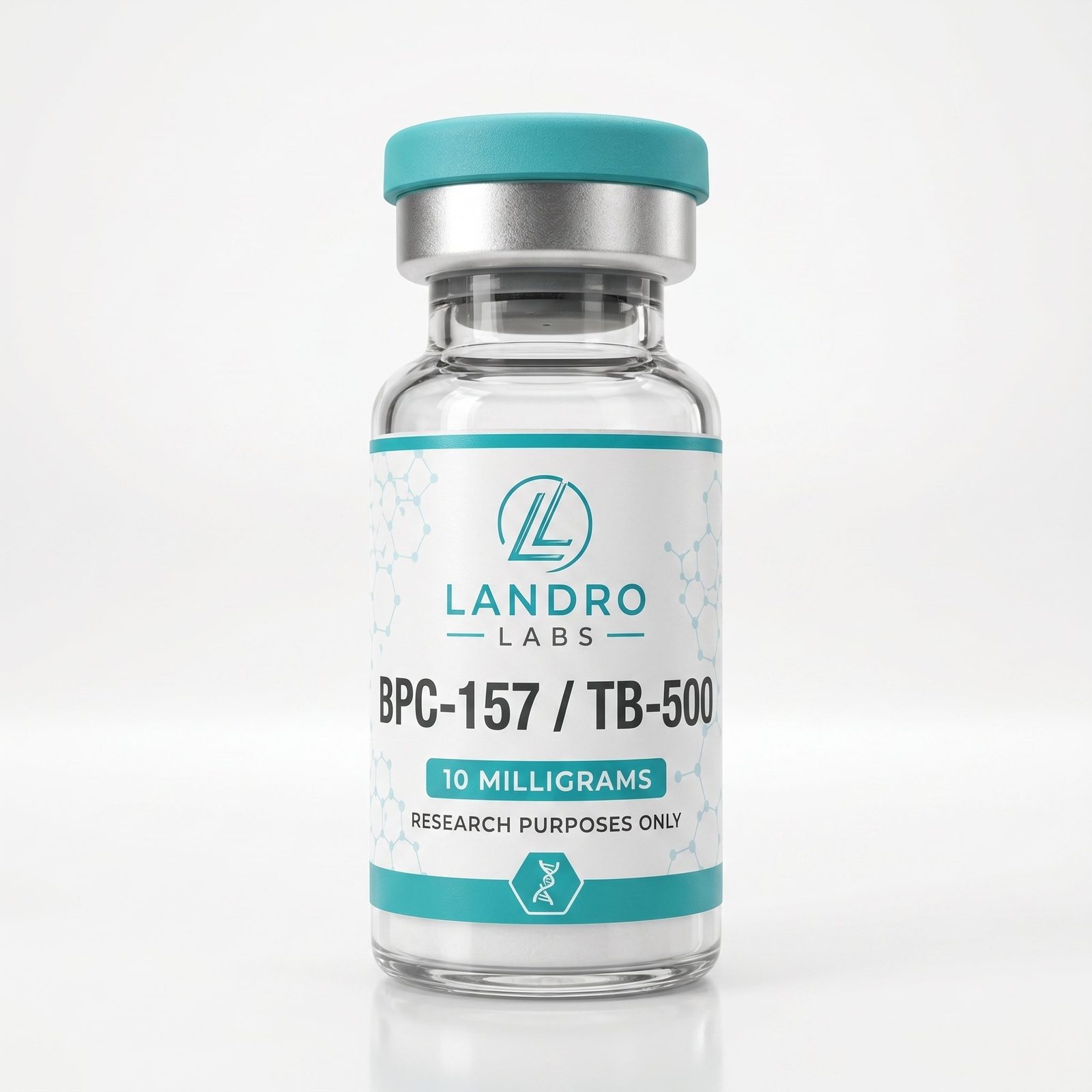
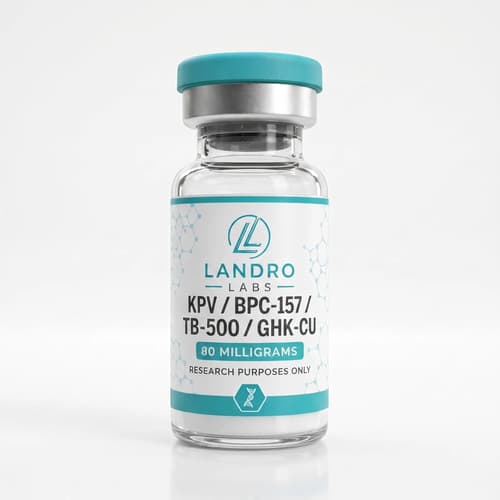
BPC-157 is often sold combined with TB-500, and sometimes with GHK-Cu or KPV, in research blends. Combining compounds doesn't change their regulatory status, and it makes it harder to know exactly what's in a vial without third-party testing.
Read: BPC-157 vs. TB-500Final Thoughts
BPC-157 is a synthetic peptide with interesting animal research but very little human evidence. It isn't FDA-approved, the FDA has flagged safety concerns, and it's banned in tested sport. Treat online claims with caution and rely on published research and licensed medical advice. This article is for general information only and is not medical advice. The compounds discussed are not approved by the FDA for human use and are sold for research purposes only. Talk to a licensed healthcare provider before making any decision about your health.
Frequently Asked Questions
- What does BPC-157 stand for?
- Body Protection Compound-157, a 15-amino-acid synthetic peptide derived from a gastric juice protein.
- Is BPC-157 FDA-approved?
- No. It isn't approved for any use, and the FDA has listed it as a substance that may pose significant safety risks.
- Is BPC-157 banned by WADA?
- Yes. WADA prohibits BPC-157 at all times, in and out of competition.
- Has BPC-157 been tested in humans?
- Only in very limited ways. Most research is in animals, and its safety and effectiveness in people are not established.
Shop Related Equipment
BPC-157 for Research
Factory-sealed BPC-157 and blends for laboratory research. Not for human consumption.