Best Multivitamins for Men and Women Who Work Out
A multivitamin is nutritional insurance, not a performance booster. Here's how to choose a good one for an active lifestyle.
Vitamins and Health Supplements
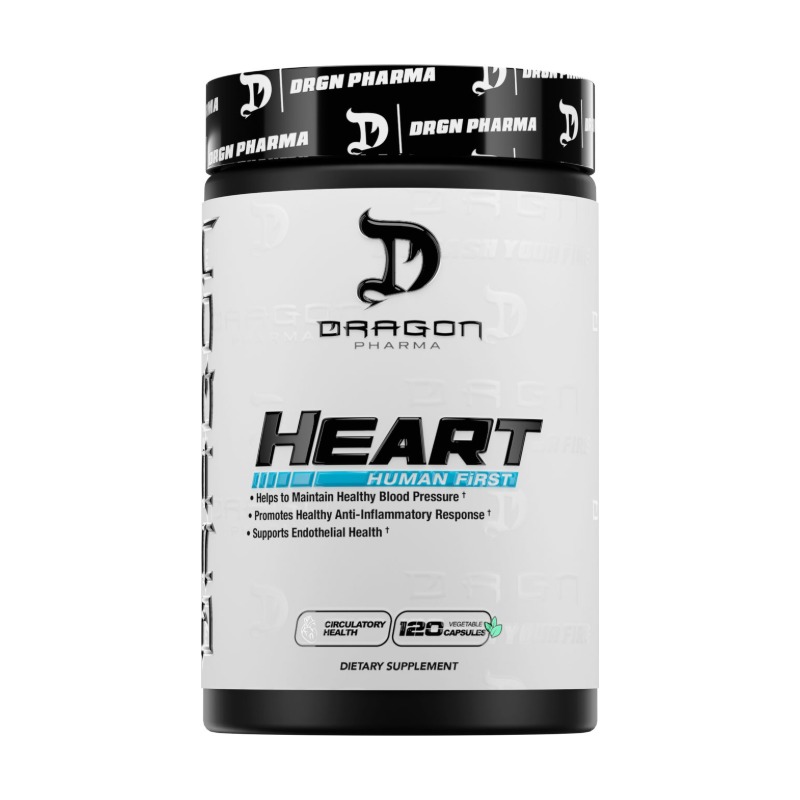
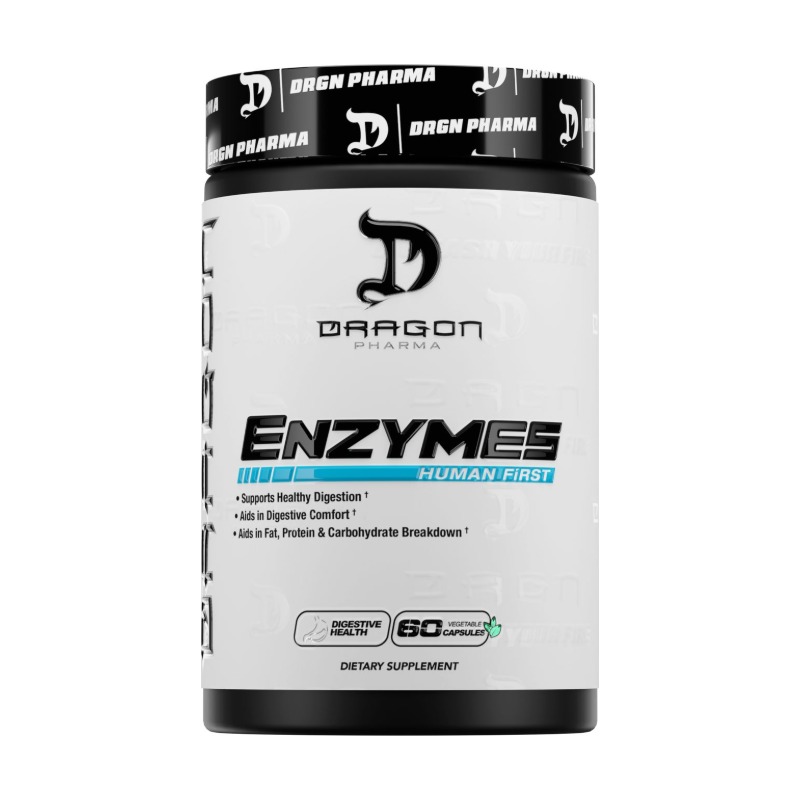
1. Do Athletes Need a Multivitamin?
A varied diet covers most nutrient needs. But many active people fall short on vitamin D, magnesium, iron (especially women), calcium or B12 (especially vegans), and dieting athletes may eat too little to cover everything. A multivitamin fills common gaps; it doesn't enhance performance on its own.
2. Key Nutrients for Active People
| Nutrient | Why It Matters | Notes |
|---|---|---|
| Vitamin D | Bone, muscle, immune function | Often low in winter |
| Magnesium | Muscle and nerve function, sleep | Often low; multis usually contain little |
| Iron | Oxygen transport | Women and endurance athletes at higher risk; test before supplementing heavily |
| B12 | Energy metabolism, nerves | Essential for vegans |
| Zinc | Immunity, hormones | Lost in sweat |
| Calcium | Bone health | Get most from food |
3. Men's vs Women's Multivitamins
- Women's formulas often include more iron and folate
- Men's and 50+ formulas usually contain little or no iron
- Choose based on your needs and lab results, not marketing
4. What to Look For
- Doses near 100 percent of daily values, not megadoses
- Active forms such as methylfolate and methylcobalamin if you prefer
- Third-party testing (USP, NSF)
- No proprietary 'energy' blends
5. When a Multivitamin Makes Sense
A multivitamin may be helpful for athletes with restricted diets, such as vegans, people with food allergies or those cutting calories significantly. It can also help during heavy training blocks or travel when diet quality drops. For athletes eating a varied diet with plenty of fruits, vegetables, whole grains and protein, a multivitamin may offer little extra benefit.
6. Avoiding Megadoses
More isn't better with vitamins and minerals. High doses of vitamin A, vitamin D, iron and zinc can cause problems over time. Choose a multivitamin with doses close to 100 percent of daily values and avoid combining several products with overlapping nutrients.
7. Multivitamin Timing
Take your multivitamin with a meal containing some fat to improve absorption of vitamins A, D, E and K. Morning or midday works well. If it upsets your stomach, take it with your largest meal or split the dose if the label allows.
8. Our Recommendation
Choose a third-party tested multivitamin with sensible doses, take it with a meal and use blood tests to guide extra supplements like vitamin D or iron.
9. Final Tip
Check the label for iron content; men and postmenopausal women often don't need extra iron unless tests show deficiency.
Final Thoughts
The best multivitamin for men and women who work out covers common gaps with sensible doses and third-party testing. It complements a good diet, not replaces it. Ask your doctor about blood tests for vitamin D, iron and B12 to personalize your choices. This article is for general information only and isn't medical advice. Talk to a doctor or registered dietitian before starting a supplement, especially if you're pregnant or nursing, take medication or have a health condition.
Frequently Asked Questions
- Should I take a multivitamin if I lift weights?
- It's optional. It can help if your diet is restricted or you have known gaps.
- When should I take a multivitamin?
- With a meal, which helps absorb fat-soluble vitamins.
Shop Related Equipment
Support Your Health
Shop vitamins and wellness supplements from trusted brands.