
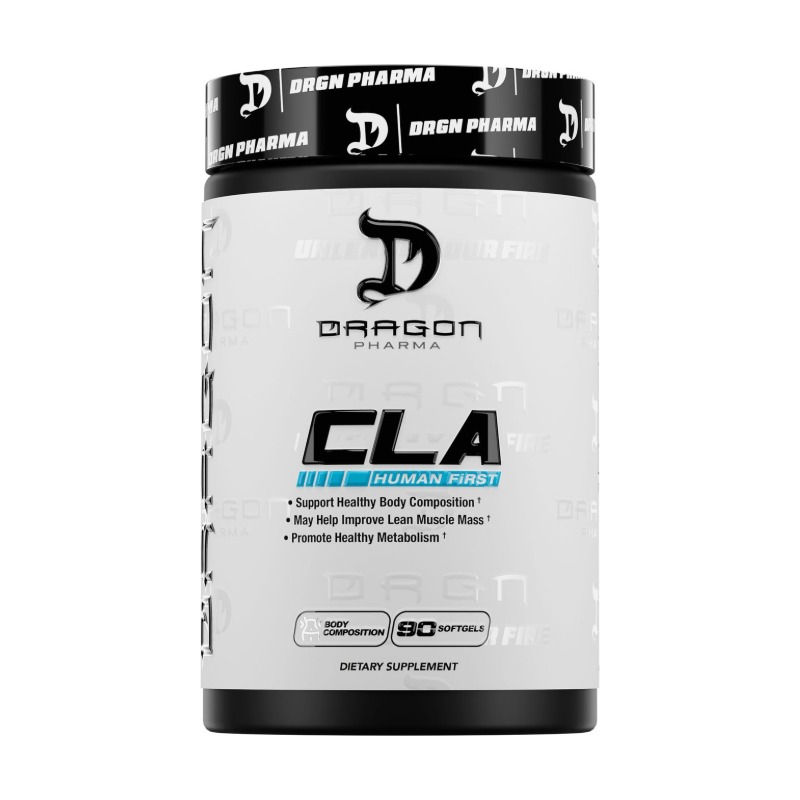
How to Read a Supplement Label (Proprietary Blends, Serving Sizes)
A supplement label tells you a lot if you know where to look. Here's how to decode one in under a minute.
Supplements for Sale
1. Parts of the Supplement Facts Panel
| Section | What to Check |
|---|---|
| Serving size | How many scoops or capsules make one serving |
| Servings per container | Use it to calculate cost per serving |
| Amount per serving | Actual dose of each ingredient |
| % Daily Value | How much of your daily needs it covers; over 100% isn't always better |
| Proprietary blend | Total weight only; individual doses hidden |
| Other ingredients | Fillers, sweeteners, colors, allergens |
2. Why Proprietary Blends Are a Problem
A proprietary blend lists ingredients in descending order by weight but only gives the total amount. A '5 g performance blend' might contain mostly a cheap ingredient and only a sprinkle of the expensive ones. You can't compare products or know whether you're getting an effective dose.
3. Label Red Flags
- Proprietary blends hiding key doses
- Serving sizes of 2 to 3 scoops that make the price look lower
- Megadoses far above upper limits
- Drug-like claims such as 'cures,' 'treats' or 'anabolic'
- No contact information or lot number
4. Understanding Serving Sizes
Always check how many scoops, capsules or gummies make up one serving. Some products list doses for two or three scoops, which makes per-serving amounts look impressive but means the container runs out quickly. Calculate cost per serving and compare doses with those used in research to judge real value.
If you take half a serving, remember that you're also getting half the listed doses.
5. Reading the Other Ingredients Section
The other ingredients list includes fillers, sweeteners, flavors, colors, preservatives and capsule materials. Check this list for allergens, artificial sweeteners, sugar alcohols or animal-derived ingredients like gelatin if you avoid them.
6. Allergen Statements
Look for allergen warnings like milk, soy, egg, wheat, tree nuts and shellfish, and note if products are made in facilities that also process allergens.
7. Final Tip
Compare labels side by side for doses, serving sizes and testing seals. The cheapest product is not always the best value if it's underdosed.
8. Expiration and Lot Numbers
Check the expiration or best-by date to ensure potency, and note the lot number. Lot numbers help you verify certifications, report problems and confirm authenticity with the manufacturer. Avoid products with missing or scratched-off codes, which may indicate counterfeits or expired stock.
9. Bottom Line
A quick label check for serving size, doses, other ingredients and testing seals helps you avoid underdosed, overpriced or risky supplements.
Final Thoughts
Learning how to read supplement labels helps you spot good value and avoid underdosed or risky products. Check serving sizes, individual doses and other ingredients, and avoid proprietary blends and drug-like claims. This article is for general information only and isn't medical advice. Talk to a doctor or registered dietitian before starting a supplement, especially if you're pregnant or nursing, take medication or have a health condition.
Frequently Asked Questions
- What is a proprietary blend?
- A mix of ingredients listed with only a combined total weight, hiding individual doses.
- Is more than 100% daily value bad?
- Not always, but some nutrients have upper limits. Watch fat-soluble vitamins, iron and zinc.
Shop Related Equipment
Shop Supplements With Confidence
Factory-sealed supplements from trusted brands, shipped with tracking.