Best Home Gym Equipment for Weight Loss
Weight loss and muscle building call for a different equipment mix — here's what to prioritize when the goal is fat loss specifically.
Cardio Equipment for Sale
1. Why Cardio Equipment Usually Leads the List
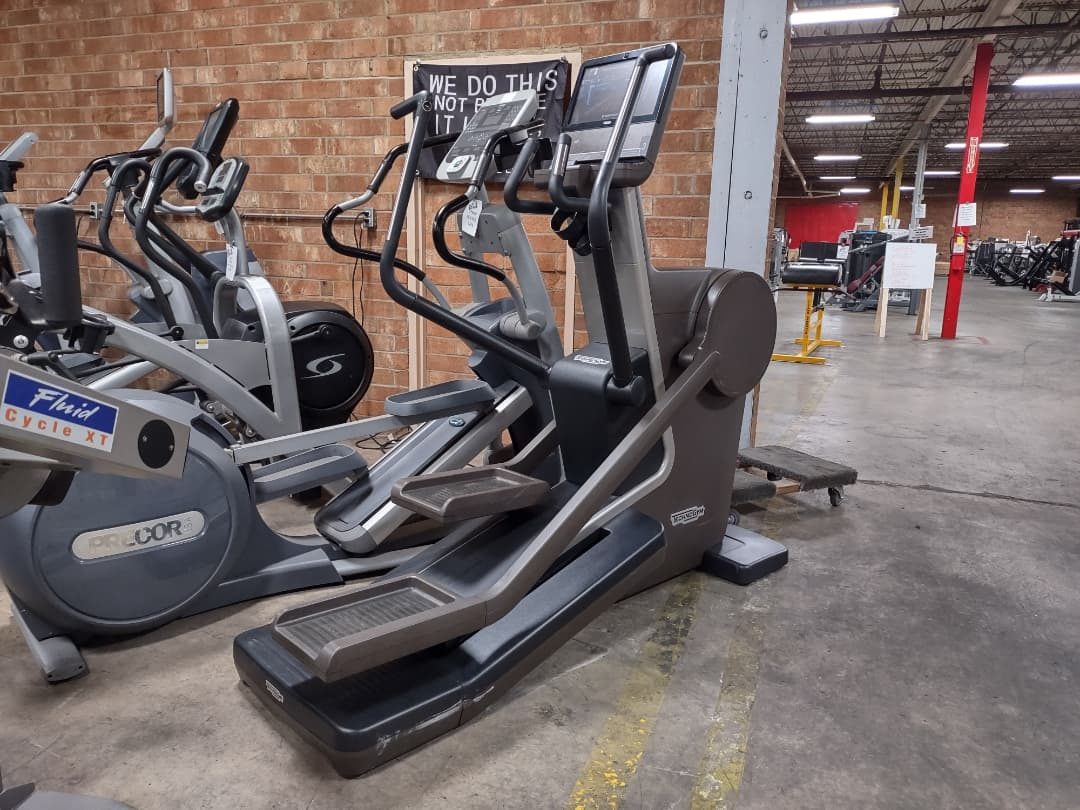
For weight loss specifically, equipment that lets you sustain elevated effort for longer sessions — treadmills, bikes, ellipticals and rowers — tends to be the priority purchase, since consistent cardio sessions are one of the more reliable levers for burning additional calories.
2. Choosing a Cardio Machine You'll Actually Use
The best cardio machine for weight loss is whichever one you'll use consistently — impact on your joints, noise level and how much you enjoy the motion all affect whether a machine gets used three times a week or turns into a clothes rack.
Read: Cardio Equipment for Sale3. Why Consistency Matters More Than Intensity
A demanding workout done once a week does less for weight loss over time than a moderate session done four or five times a week, simply because total weekly activity adds up faster than any single hard effort. This is exactly why picking equipment based on what you'll actually use consistently matters more than picking whichever machine burns the most in a single session — the machine that gets used regularly wins over the one that looks better on paper but gathers dust after week two.
4. Adding Strength Training for Sustainable Results
Strength training alongside cardio helps preserve muscle while losing weight, which is part of why most sustainable weight-loss programs pair the two rather than relying on cardio alone.
Read: Strength Training & Weightlifting Equipment for Sale5. Circuit-Style Equipment for Fat-Loss Workouts
- Kettlebells — compound, full-body movements in a compact footprint
- Adjustable dumbbells — cover circuit-style strength work without changing plates
- Resistance bands — add variety to circuits without extra floor space
6. A Sample Weekly Structure
There's no single required schedule, but a common structure for a weight-loss-focused home gym alternates a few dedicated cardio sessions with a couple of strength or circuit-style sessions each week, leaving at least one or two rest days. This balances the calorie-burning benefit of cardio with the muscle-preserving benefit of resistance training, without demanding daily gym time that's harder to sustain long term.
7. Tracking Progress Beyond the Scale
Body weight fluctuates for reasons that have nothing to do with fat loss — water retention, food timing, even the time of day you weigh in — so relying on the scale alone can be discouraging even when real progress is happening. Tracking workout consistency, how clothes fit, or simple measurements alongside body weight gives a more complete picture than a single daily number.
8. Low-Impact Options for Joint-Friendly Weight Loss
For anyone managing joint issues or returning to exercise after time off, low-impact equipment lets you sustain the consistent activity weight loss depends on without the wear that higher-impact options like running create. Exercise bikes and rowing machines both deliver a demanding cardio session with minimal joint impact, making them a practical starting point when impact tolerance is a concern.
Read: Cardio Equipment for Sale9. Combining Equipment for Interval-Style Training
Alternating short bursts of higher effort with recovery periods — a common structure on many cardio machine consoles — is a popular way to vary a weight-loss routine without needing additional equipment. A single cardio machine already supports this style of training through its speed or resistance controls, making interval work one of the easier ways to add variety to a routine before buying anything else.
10. Nutrition's Role Alongside Equipment
Equipment supports the activity side of weight loss, but the equipment itself doesn't control what happens outside the gym, which is where most of the actual calorie balance is determined. No amount of cardio or strength equipment compensates for eating patterns that work against the goal, so it's worth thinking about training equipment as one part of the picture rather than the whole solution.
11. How Long Before Equipment Choices Show Results
Consistent use matters more than any specific equipment choice when it comes to how quickly results show up, and that consistency depends heavily on choosing machines you'll actually want to return to. A moderately effective routine followed for months outperforms a theoretically optimal routine abandoned after a few weeks — which circles back to why enjoyment and convenience should weigh heavily in equipment choice, not just theoretical effectiveness.
12. Avoiding Common Equipment Mistakes for Weight Loss
A few patterns commonly derail a weight-loss-focused home gym before it delivers results. Buying multiple cardio machines up front, rather than starting with one and confirming it gets used, ties up budget in equipment that may sit unused. Skipping strength equipment entirely in favor of cardio alone misses the muscle-preserving benefit that supports long-term results. And choosing equipment based on marketing claims about calorie burn rather than what you'll actually use consistently tends to lead to disappointment regardless of the equipment's theoretical potential.
13. Building a Weight-Loss Home Gym on a Budget
None of this requires buying everything at once — a single cardio machine and a set of adjustable dumbbells covers most weight-loss training, with accessories and additional equipment added in as budget allows.
Read: Home Gym Equipment for SaleFinal Thoughts
Weight loss and muscle building point toward a different equipment mix — cardio takes priority, with strength training added for sustainability. Start with one cardio machine and a basic set of weights, and build from there.
Frequently Asked Questions
- What's the best equipment for losing weight at home?
- A cardio machine you'll use consistently, paired with basic strength equipment like adjustable dumbbells, covers the core of most home weight-loss routines.
- Is cardio or strength training better for weight loss?
- Both play a role — cardio tends to burn more calories per session, while strength training helps preserve muscle, which most sustainable weight-loss approaches rely on together.
- Do I need a full home gym to lose weight?
- No — one cardio machine and a basic set of free weights covers the essentials; a full gym is a matter of preference, not a requirement for weight loss.
- How much cardio equipment do I actually need?
- One machine you'll use consistently is more valuable than several you won't. Choose based on impact level, noise and enjoyment rather than buying more than one to start.
- How many days a week should I do cardio for weight loss?
- A common approach alternates a few dedicated cardio sessions with strength or circuit training each week, leaving rest days in between — total weekly consistency matters more than any single intense session.
- Should I track anything besides body weight?
- Yes — body weight fluctuates for reasons unrelated to fat loss, such as water retention. Tracking workout consistency, how clothes fit, or basic measurements gives a fuller picture of progress.
- What's a low-impact cardio option for weight loss?
- Exercise bikes and rowing machines both provide a demanding cardio session with minimal joint impact, making them practical choices for anyone managing joint issues or returning to exercise after time off.
- Can I do interval training with just one cardio machine?
- Yes — alternating short bursts of higher effort with recovery periods using a single machine's speed or resistance controls is one of the easiest ways to add variety to a routine without buying additional equipment.
- What's a common mistake when building a weight-loss home gym?
- Buying multiple cardio machines up front rather than starting with one and confirming it gets used consistently — that consistency matters more for results than which specific machine you choose.
- Does diet matter more than equipment for weight loss?
- Equipment supports the activity side of weight loss, but eating patterns largely determine overall calorie balance — no amount of cardio or strength equipment fully compensates for that outside the gym.
- How quickly will I see results from a home weight-loss setup?
- Consistency matters more than any specific equipment choice — a moderately effective routine followed for months outperforms a theoretically optimal one abandoned after a few weeks, so prioritize equipment you'll actually keep using.
- Can strength training alone help with weight loss?
- Yes, to a degree — it helps preserve muscle during weight loss and contributes to overall activity level, though most sustainable approaches pair it with cardio rather than relying on strength training exclusively.
- What's a reasonable budget starting point for a weight-loss home gym?
- A single cardio machine and a set of adjustable dumbbells covers the core of most weight-loss training, letting you add accessories and additional equipment later as budget allows.
- Should I buy new or used equipment for a weight-loss home gym?
- Either can work — used commercial cardio is often a strong value since it's built for heavy use, but always confirm belt, motor and console condition before buying.
Shop Related Equipment
Ready to Start Your Weight-Loss Setup?
Browse cardio and strength equipment to build a home gym that supports your goals.