
Best Supplements for Overtraining and Fatigue
No supplement fixes overtraining, but some support recovery. Here's how to bounce back.
Vitamins and Health Supplements
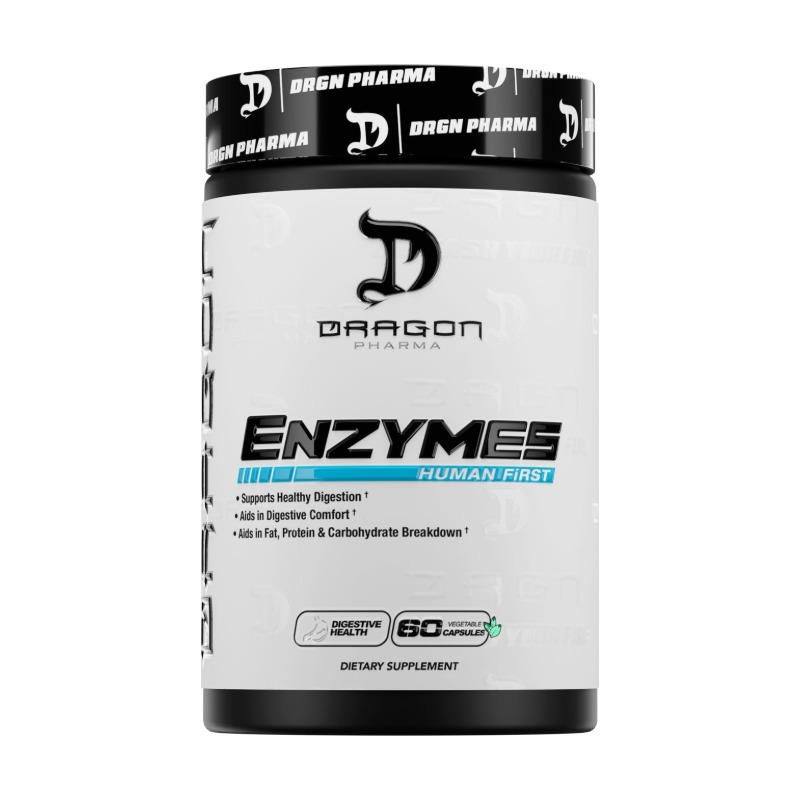
1. Signs of Overtraining
- Declining performance despite training
- Persistent fatigue and heavy legs
- Elevated resting heart rate
- Poor sleep, irritability or low mood
- Frequent illness or injuries
- Loss of motivation
2. How to Recover
- Cut training volume and intensity, or take a full break
- Eat enough calories; under-eating is a common cause
- Prioritize sleep
- Reduce life stress where possible
- Return gradually
3. Supplements That May Help
| Supplement | Role |
|---|---|
| Protein and carbohydrates | Restore energy availability |
| Vitamin D and iron (if deficient) | Correct common causes of fatigue |
| Magnesium | Sleep and muscle function |
| Creatine | Supports training capacity |
4. Overreaching vs Overtraining
Functional overreaching is a short-term drop in performance after intense training that resolves with a few days of rest, often leading to improved fitness. Non-functional overreaching lasts longer, from weeks to a couple of months. Overtraining syndrome is more severe and can take months to recover from. Recognizing early signs helps you adjust before problems become serious.
Tracking training, sleep and mood helps you spot warning signs early.
5. Preventing Overtraining
Increase training volume gradually, include deload weeks, eat enough calories and carbohydrates, sleep seven to nine hours and manage life stress. Balance hard sessions with easy days, and listen to your body. Under-eating is one of the most common contributors to overtraining in athletes.
6. Returning to Training
After recovery, return gradually with lighter weights and shorter sessions. Monitor how you feel and increase training slowly over several weeks to avoid relapsing.
7. When to See a Doctor
Persistent fatigue despite rest may indicate a medical issue that needs evaluation.
8. Tracking Recovery
Monitor resting heart rate, heart rate variability, sleep quality, mood, motivation and training performance. Persistent negative changes across several measures may signal overreaching. Many athletes use wearable devices or simple training logs to spot patterns early and adjust training before problems escalate.
Listening to how you feel is just as important as tracking numbers.
9. Nutrition for Recovery
Eat enough calories, carbohydrates and protein to support training. Many cases of overtraining involve chronic under-eating. Increase food intake during heavy training blocks.
10. How to Recover From Overtraining
Reduce training volume and intensity significantly, take extra rest days and focus on sleep, nutrition and stress management. Light activity like walking can help. Recovery may take weeks to months depending on severity. Gradually return to training and build volume slowly to avoid relapsing.
If symptoms persist, see a doctor to rule out other conditions.
11. Preventing Overtraining
Follow a structured program that increases volume gradually, schedule deload weeks every four to eight weeks and take at least one or two rest days each week. Match training intensity to your sleep, stress and nutrition, and back off when performance stalls for more than a couple of weeks.
Final Thoughts
Overtraining recovery depends on rest, food and sleep. Supplements play a supporting role, mainly by correcting deficiencies and supporting energy. If fatigue persists, see a doctor to rule out other causes. This article is for general information only and isn't medical advice. Talk to a doctor or registered dietitian before starting a supplement, especially if you're pregnant or nursing, take medication or have a health condition.
Frequently Asked Questions
- How long does it take to recover from overtraining?
- From a few weeks for mild cases to months for severe ones.
Shop Related Equipment
Shop Supplements With Confidence
Factory-sealed supplements from trusted brands, shipped with tracking.