
Used Gym Equipment for Sale: The Complete Guide to Buying Second Hand Fitness Equipment
Used gym equipment can cost a fraction of new and outlast home-grade gear. Here's what's out there, what it costs and how to buy second hand fitness equipment with confidence.
Used Gym Equipment for Sale
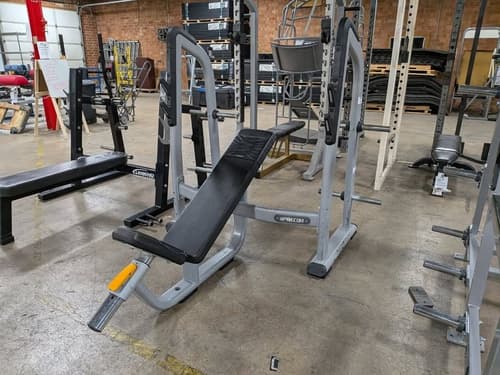
1. Why Buy Used Gym Equipment?
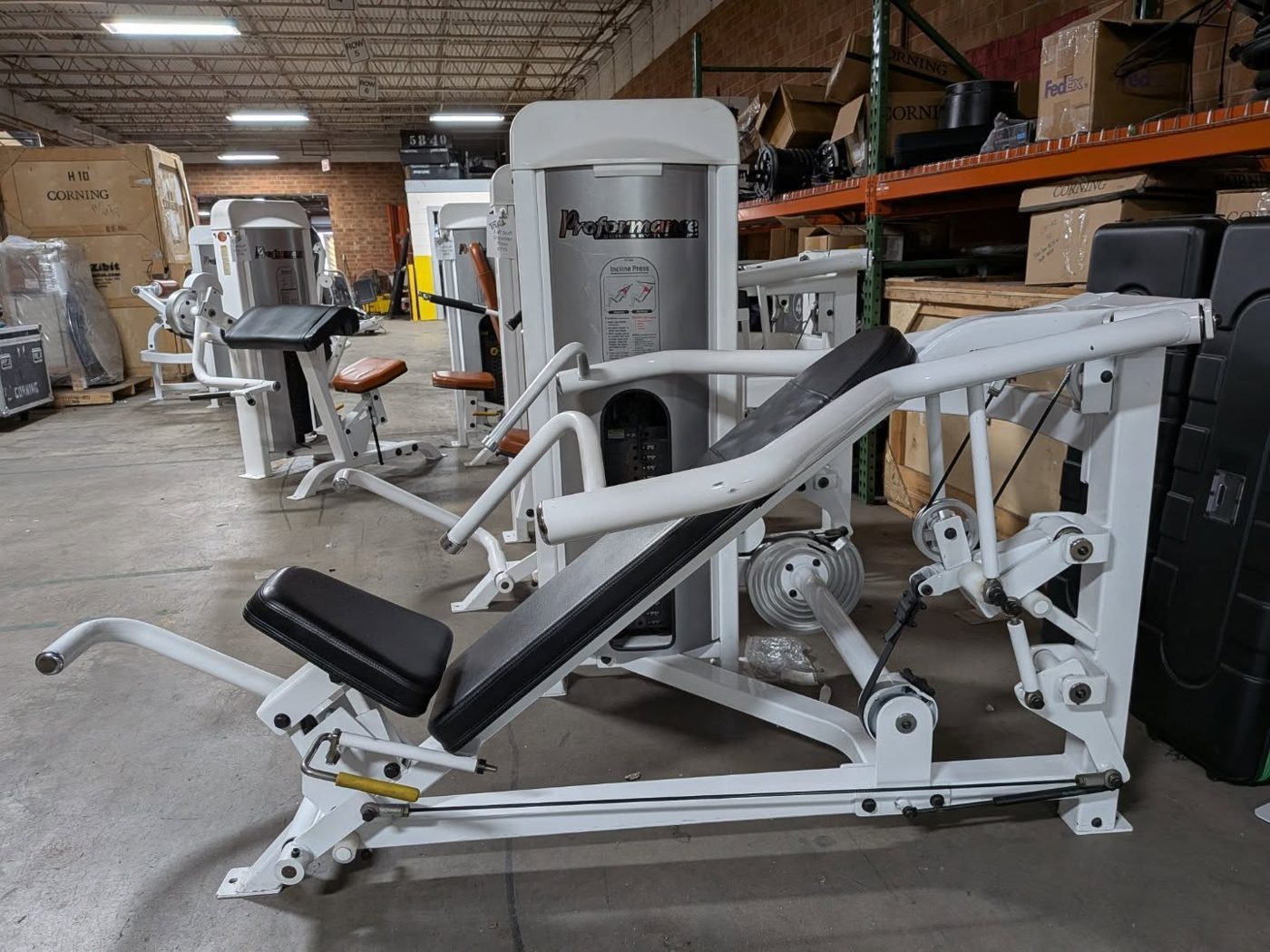
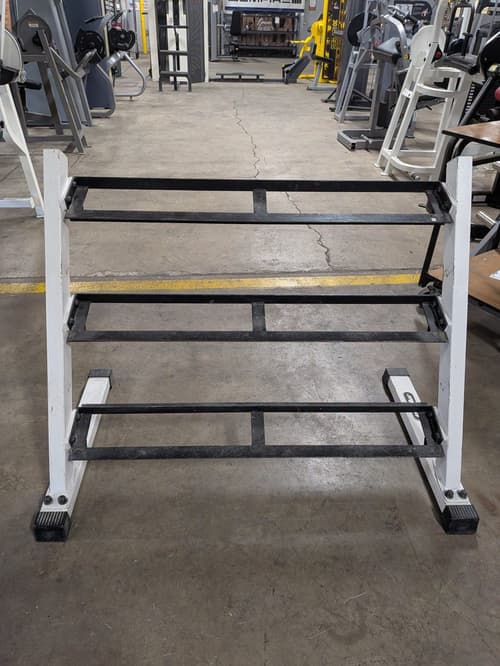
Most fitness equipment loses a large share of its retail value the moment it leaves the showroom, but very little of its usefulness. A steel power rack, a set of dumbbells or a selectorized chest press does the same job in year eight that it did in year one. That gap between price and function is exactly why the market for used gym equipment, second hand fitness equipment and pre-owned commercial machines is so active.
For home gym owners, buying used is often the only way to afford commercial-grade machines. For gym owners and facility managers, used and refurbished equipment can cut the cost of fitting out a floor dramatically, freeing budget for flooring, staffing or marketing.
Shop Used Gym Equipment2. What Kinds of Used Fitness Equipment Can You Buy?
Nearly every category of fitness equipment shows up second hand, but some hold up far better than others. Simple steel and iron equipment is the safest used purchase; equipment with motors, electronics and moving belts needs more careful inspection.
| Equipment Type | Used Risk Level | What Wears Out |
|---|---|---|
| Free weights (plates, dumbbells, kettlebells) | Very low | Coating, knurling, rust on bare steel |
| Racks, benches and rigs | Low | Upholstery, J-hooks, paint |
| Selectorized strength machines | Low to moderate | Cables, pulleys, upholstery, guide rods |
| Plate-loaded machines | Low | Bearings, pads, pivot points |
| Cable machines and functional trainers | Moderate | Cables, pulleys, pins |
| Exercise bikes and rowers | Moderate | Belts, bearings, resistance systems, seats |
| Ellipticals | Moderate | Pivot bushings, pedal arms, consoles |
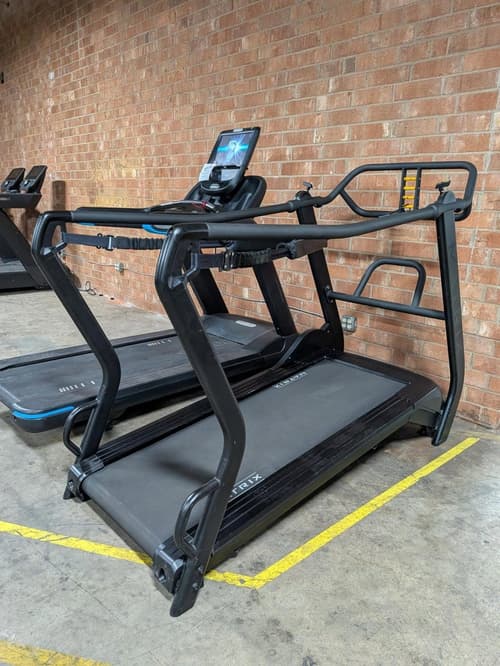
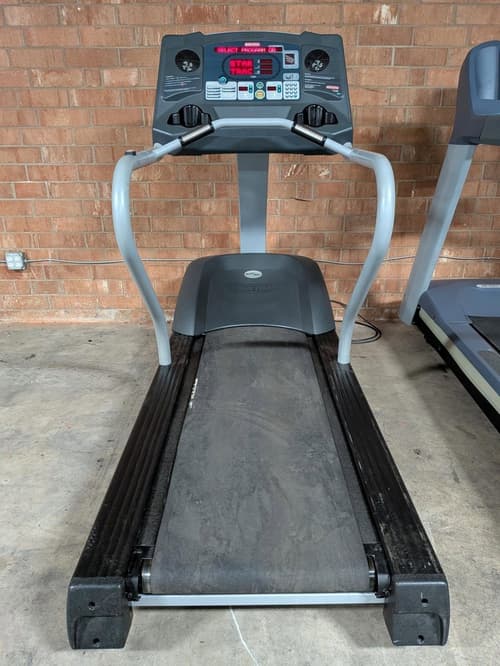
| Treadmills | Higher | Belt, deck, drive motor, motor controller |
3. Used vs. Refurbished vs. Pre-Owned: What the Labels Mean
Sellers use these words loosely, so it pays to know what each one usually means — and to ask exactly what was done to any machine you're considering.
- Used / As-Is — sold in its current condition, usually by the previous owner, with no servicing and no warranty. Lowest price.
- Pre-Owned / Second Hand — a general term for any equipment that's had a previous owner. On its own it tells you nothing about condition.
- Serviced — cleaned, inspected and adjusted, with worn consumables replaced where needed. A middle ground on price.
- Refurbished — worn parts replaced, often new upholstery and cables, sometimes repainted, usually with a short warranty.
- Remanufactured — stripped to the frame, rebuilt and refinished. Closest to new, and priced accordingly.
4. How Much Does Used Gym Equipment Cost?
Used prices depend on brand, age, condition and how much demand there is for that specific machine. As a rough rule, as-is used commercial equipment often sells for somewhere between a quarter and half of its original price, while professionally refurbished units typically land higher. Popular, durable models from brands like Life Fitness, Hammer Strength, Precor and Cybex hold their value better than lesser-known brands.
Don't judge a deal by the price tag alone. Add delivery, any rigging or installation, and the cost of parts you already know you'll need. A cheap machine that needs new cables and a freight delivery can end up costing more than a refurbished one delivered to your door.
Read: How Much Does Gym Equipment Cost?5. Commercial Used Equipment vs. New Home Equipment
One of the smartest moves in fitness equipment buying is choosing a used commercial machine over a new home-grade one at the same price. Commercial equipment is engineered for many users a day, every day, with heavier steel, larger bearings and parts designed to be serviced and replaced. A home machine is built for lighter use and is often not designed to be repaired at all.
The trade-offs are size and weight. Commercial machines are bigger and much heavier, so measure your space, doorways and stairs before you commit.
Compare Commercial vs. Home Equipment6. What to Check Before You Buy
Whether you're looking at a single used gym machine or a full room of second hand exercise equipment, a methodical inspection protects you from expensive surprises.
- Frame — look for cracked welds, bent tubing and rust that goes deeper than surface paint
- Cables and pulleys — check for fraying, flat spots, kinks and pulleys that wobble or grind
- Upholstery — tears are cosmetic and cheap to fix; foam that's compressed flat is less comfortable
- Moving parts — run every pivot, seat adjustment and pop-pin through its full range
- Cardio electronics — the console should power on, read heart rate and change speed or resistance smoothly
- Labels — a readable model and serial number makes manuals and parts far easier to find
7. Where Used Gym Equipment Comes From
Most used commercial gym equipment comes from gyms upgrading, rebranding or closing. Hotels, apartment complexes, schools and corporate fitness centers also replace equipment on a schedule, often long before it's worn out. On the home side, used exercise equipment typically comes from people moving, downsizing or simply not using what they bought.
Knowing the source helps you ask the right questions. A machine from a busy 24-hour club has seen far more hours than one from a hotel gym, even if both are the same age.
Read: Where to Buy Used Fitness Equipment8. Delivery, Moving and Setup
Weight is the hidden cost of used gym equipment. A commercial treadmill or selectorized machine can weigh several hundred pounds, and moving it safely may take equipment dollies, multiple people or partial disassembly. Confirm before you pay whether the price includes delivery, who is responsible for removal from the seller's site, and whether the machine fits through your entry points.
Shipping InformationFinal Thoughts
Used gym equipment is one of the best values in fitness, especially when you buy commercial-grade machines that were built to be maintained and repaired. Learn what the condition labels mean, inspect the parts that actually wear out, budget for delivery, and favor durable brands with good parts availability. Do that, and second hand fitness equipment can give you a better gym for far less than buying everything new.
Frequently Asked Questions
- Is it worth buying used gym equipment?
- Usually, yes. Strength equipment and free weights hold up for decades, and used commercial machines often outlast new home-grade equipment sold at the same price. Cardio equipment is worth buying used too, with a careful inspection.
- What used gym equipment should I avoid?
- Be cautious with very cheap home treadmills, machines with no model or serial label, equipment from brands with no parts support, and anything with cracked welds or structural damage.
- How much cheaper is used gym equipment?
- As-is used commercial equipment often sells for roughly a quarter to half of its original price. Refurbished equipment costs more but usually includes replaced parts and a short warranty.
- What's the difference between used and refurbished gym equipment?
- Used equipment is sold as-is. Refurbished equipment has had worn parts replaced and is usually cleaned, re-upholstered and backed by a short warranty.
- Is pre-owned gym equipment safe?
- It can be very safe if the frame is sound and wear parts such as cables, pulleys and belts are in good condition. Inspect those items, or buy from a seller who has serviced the equipment.
- What's the best used gym equipment to buy first?
- For most home gyms, a rack, an adjustable bench, a barbell and plates, and a set of dumbbells give the most value and carry very little risk when bought used.
Shop Related Equipment
Ready to Shop Used Gym Equipment?
Browse used and refurbished commercial equipment from verified sellers.