
Glutamine Benefits for Gut Health and Recovery
Glutamine is the most abundant amino acid in the body. Here's what supplementing actually does.
Amino Acids and Recovery
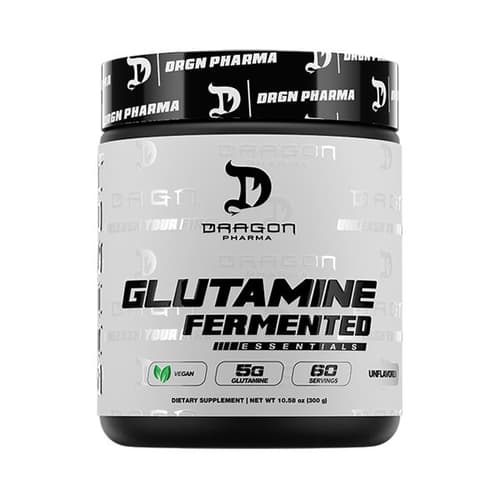
1. What Is Glutamine?
L-glutamine is a conditionally essential amino acid: your body usually makes enough, but needs may rise during severe illness, injury or extreme stress. It fuels cells of the gut lining and immune system.
2. Glutamine Benefits: What's Supported
| Claim | Evidence |
|---|---|
| Gut health | Promising research on gut barrier function, mostly in clinical or stressed populations |
| Muscle growth | Little to no benefit in healthy lifters |
| Recovery and soreness | Some studies show small reductions in soreness |
| Immune support | Mixed; possible benefit in very heavy endurance training |
3. Glutamine Dosage
Studies commonly use 5 to 15 g a day split into doses, and sometimes higher in clinical settings. It's generally well tolerated by healthy adults. People with liver or kidney disease should consult a doctor.
Shop Amino Acids4. Glutamine Food Sources
Glutamine is found in protein-rich foods like meat, fish, eggs, dairy, beans and tofu. Most people eating adequate protein get several grams of glutamine daily from food. That's one reason supplementation shows little benefit for healthy people with good diets.
5. Glutamine for Endurance Athletes
Very heavy endurance training can temporarily lower glutamine levels and may affect immune function. Some athletes supplement during intense training blocks, though evidence is mixed. Adequate calories, carbohydrates and protein are the most important factors for immune health in athletes.
6. Our Recommendation
Focus on total protein intake; consider glutamine only if a healthcare provider recommends it.
7. Glutamine Safety
Glutamine is generally safe for healthy adults at typical doses. People with liver disease, kidney disease or certain cancers should consult a doctor before supplementing.
8. Glutamine for Gut Health: The Details
Glutamine is the main fuel source for cells lining the intestine. In clinical settings such as severe illness, burns or after major surgery, glutamine supplementation has been studied for supporting gut barrier function and recovery. Some research has also explored glutamine for irritable bowel syndrome and exercise-induced gut issues, with mixed but promising results.
For healthy people with normal diets, the benefit for gut health is less clear.
9. How to Take Glutamine
Glutamine powder dissolves easily in water and has little taste. Studies use doses from 5 to 15 grams daily, sometimes split. Take it between meals or after training. Start with a smaller dose to check tolerance.
10. Glutamine and Muscle Soreness
A few studies suggest glutamine may slightly reduce muscle soreness and speed strength recovery after intense exercise, but effects are small.
Final Thoughts
Glutamine benefits are strongest for gut health in stressed or clinical populations; for building muscle in healthy lifters, evidence is weak. If you're curious about gut support, discuss it with your healthcare provider. This article is for general information only and isn't medical advice. Talk to a doctor or registered dietitian before starting a supplement, especially if you're pregnant or nursing, take medication or have a health condition.
Frequently Asked Questions
- Does glutamine help build muscle?
- Research in healthy people doesn't show meaningful muscle-building benefits.
- Is glutamine good for gut health?
- It shows promise for gut barrier function, especially under stress.
Shop Related Equipment
Shop Amino Acids
EAAs, BCAAs and recovery supplements from trusted brands.