Chest, Shoulder & Arm Machine Workout: How to Structure a Push-Day Session
Chest, shoulders and triceps all push in similar directions, which is exactly why they pair well in one machine-based session — here's how to structure it.
Strength Equipment for Sale
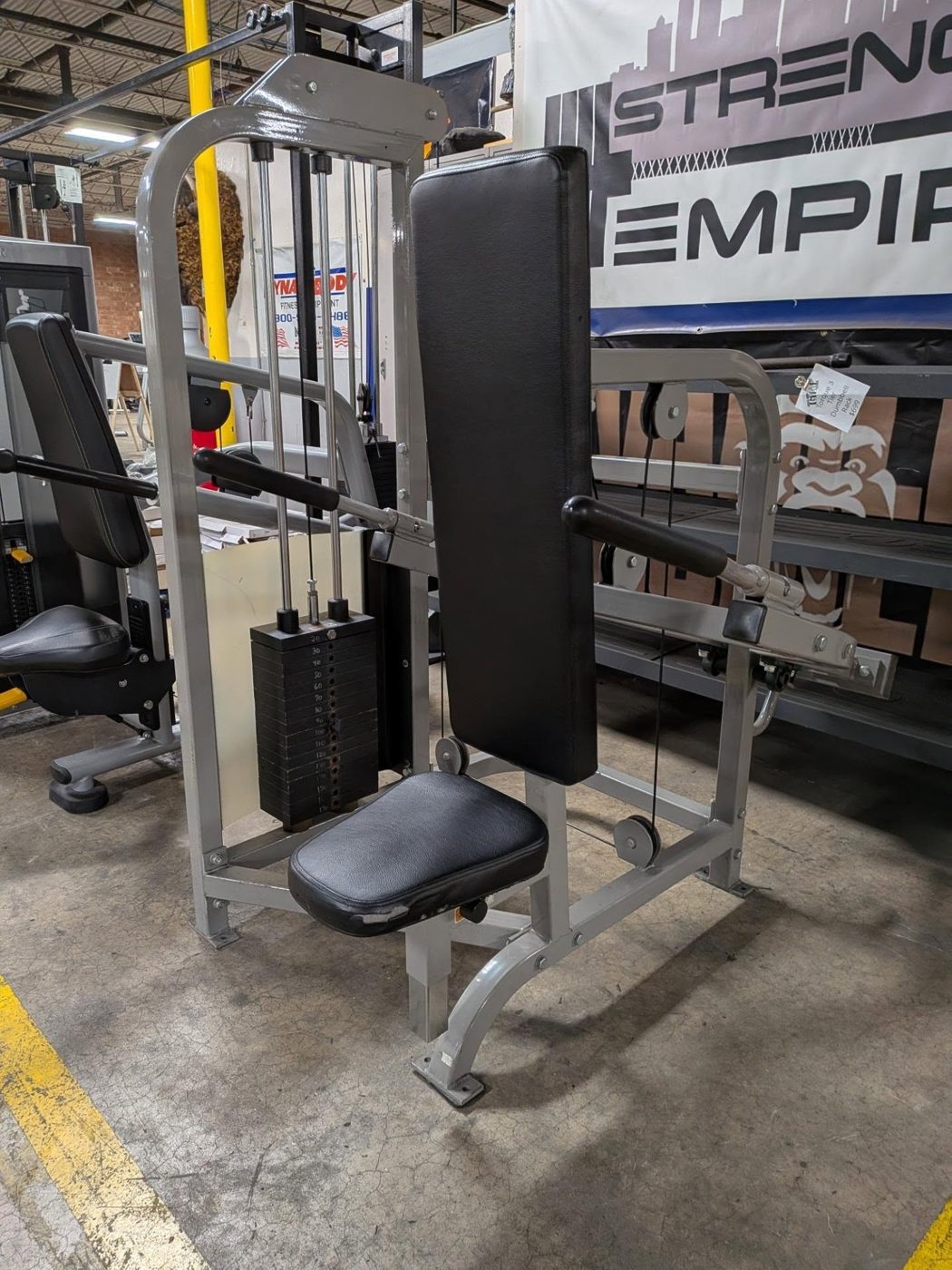
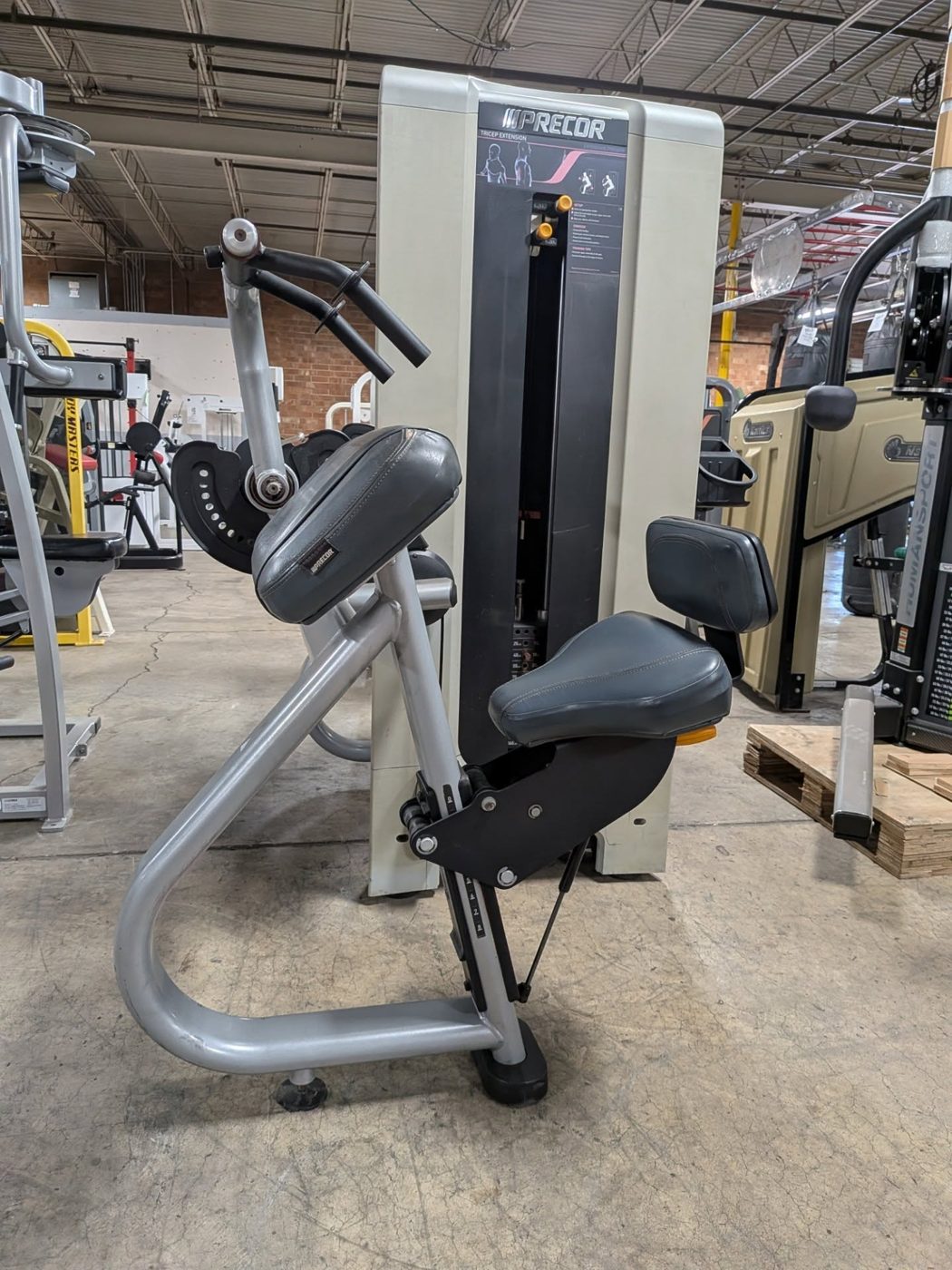
1. Why Chest, Shoulders and Triceps Train Well Together
Chest, shoulder and tricep exercises all involve a pushing motion, and the triceps and front shoulders naturally assist on chest presses while the chest assists on shoulder presses. Grouping these "pushing" muscles into one session — often called a push day — is a common and efficient way to structure machine-based training.
2. A Sensible Machine Order for a Push Session
A common approach is to train the largest muscle group first, while energy is highest, then move to smaller, more isolated muscles:
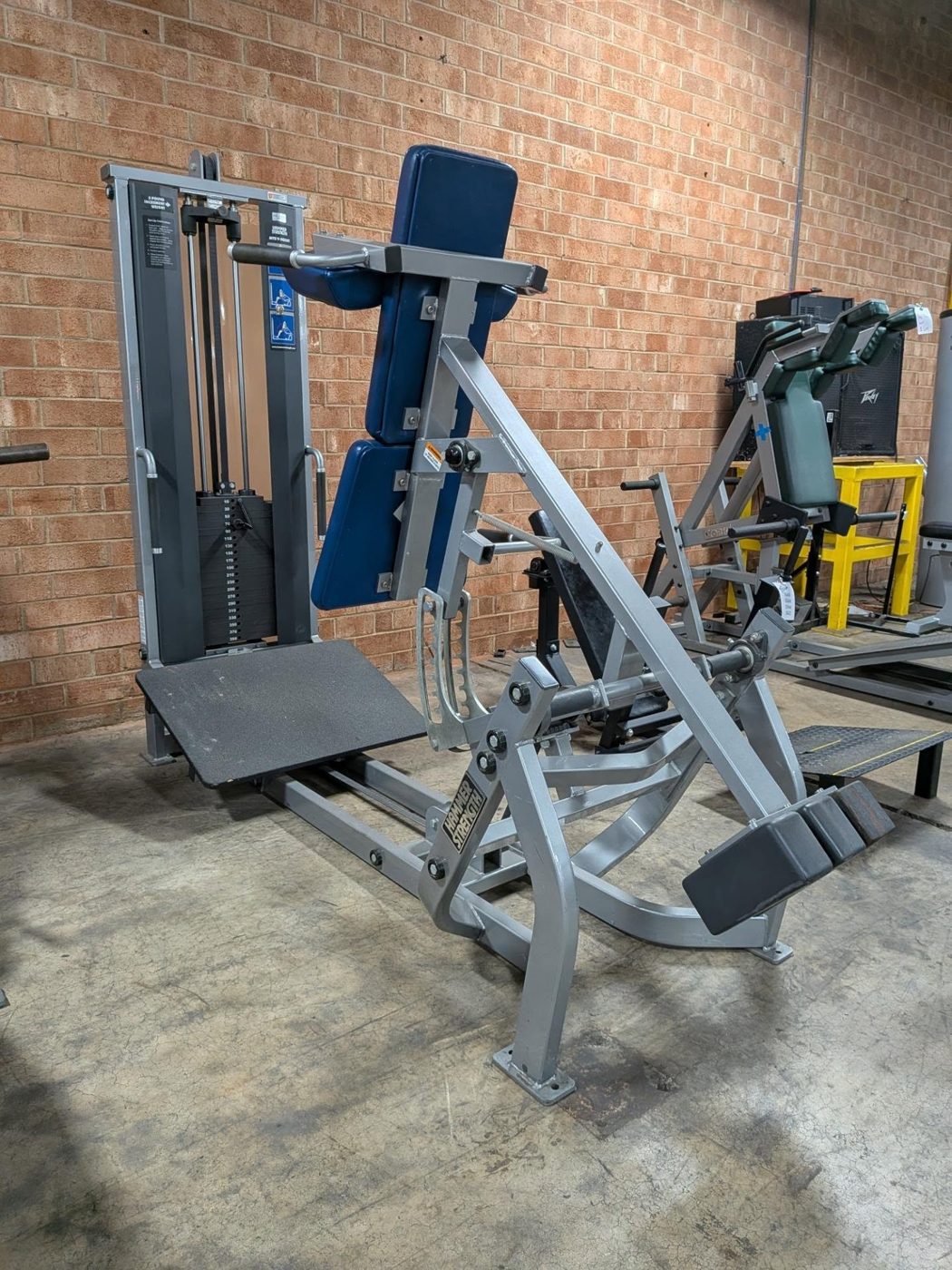
- 1. Chest press or incline press — the largest muscle group in the session
- 2. Shoulder press machine
- 3. Pec deck or cable crossover — chest isolation
- 4. Lateral raise machine — shoulder isolation
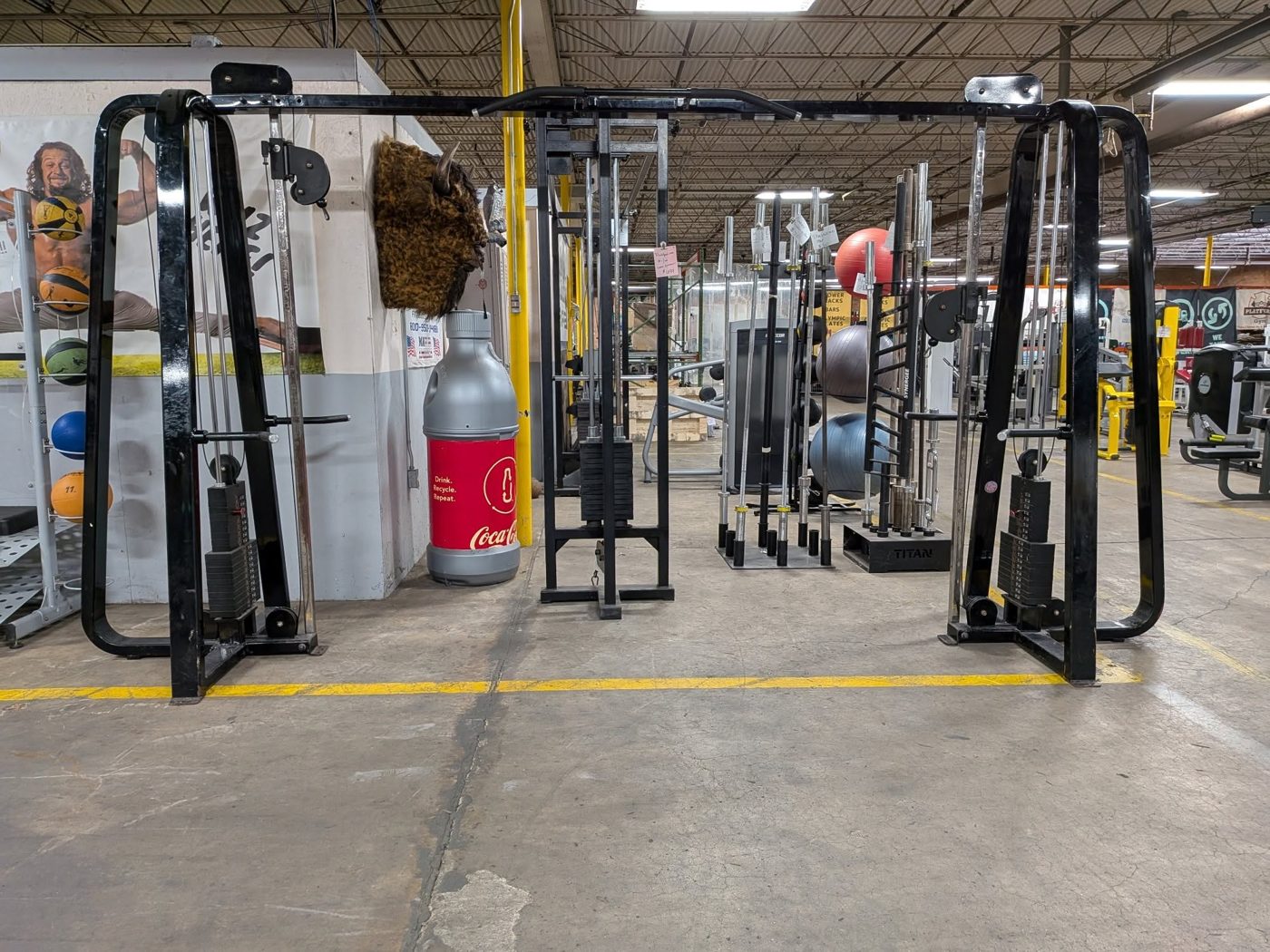
- 5. Tricep pushdown on a cable or functional trainer
3. How Many Exercises and Sets
There's no single right number, but a common structure for a machine-based push session covers four to six exercises across chest, shoulders and triceps, with a few sets of each — enough volume to train every muscle without the session running so long that form breaks down toward the end.
4. How Often to Repeat a Push Day
Most people training with a push/pull/legs style split repeat each session type roughly once or twice a week, which gives the pushing muscles a few days to recover between sessions before loading them again. Training push muscles again too soon, before soreness and fatigue from the last session have resolved, tends to reduce performance in the next session rather than adding useful extra volume.
5. What About Back and Arms?
Back training is usually grouped with pulling exercises — rows and pulldowns — on a separate "pull" day, rather than combined with chest and shoulders. Biceps typically pair with that pull day for the same reason triceps pair here: they assist on the same movement pattern as the larger muscles being trained.
6. Warming Up Before a Machine-Based Push Session
A brief warmup matters more for the shoulder joint than almost any other part of this session, given how mobile and injury-prone it is under load. A few minutes of light cardio to raise general body temperature, followed by a lighter warmup set on the first machine before working weight, prepares the shoulder and elbow joints for the pressing work ahead without adding much time to the session.
7. Adjusting Volume for Beginners vs. Experienced Lifters
A beginner typically gets solid results from fewer total sets across this session, since the body responds strongly to new training stimulus early on and machines already remove much of the technique burden. More experienced lifters generally need higher total volume across these same muscle groups to keep progressing, which is why the same push-day structure can look meaningfully different in total sets and exercises depending on training history.
8. Signs You Should Adjust the Session
A few signals suggest this structure needs tweaking rather than staying fixed indefinitely. If shoulder pressing consistently feels worse than chest pressing, moving shoulder work later in the session or reducing its volume temporarily can help. If the last exercise or two consistently gets rushed or skipped due to time, trimming the total exercise count preserves quality on the movements that remain rather than doing everything poorly.
9. Progressing This Session Over Time
The exercise order and muscle grouping in this session can stay fixed for a long time, even as the actual weights and rep counts progress. Rather than adding new exercises every few weeks, most lifters get further by gradually increasing resistance or reps on the same core movements — chest press, shoulder press, isolation work — and only introducing exercise variety once progress on the current lineup has genuinely stalled.
10. Combining This Session With a Full Weekly Split
This push-day session is typically one part of a larger weekly structure that also includes a pull day for back and biceps, and a leg day for lower body. Together, these three sessions cover every major muscle group across a week, repeating on a cycle that fits your available training days rather than needing every muscle group trained within a single session.
11. Adjusting the Session for Home vs. Commercial Equipment
The exercise sequence stays the same whether you're training at home or on a commercial floor, but the equipment used to execute it often differs. A commercial floor typically has dedicated machines for each station in the sequence; a home gym more often covers several of these movements through one cable station or functional trainer by changing the attachment and pulley height between exercises.
Read: Best All-in-One Home Gym Machines12. Building This Session in a Home or Commercial Gym
A chest press, shoulder press and a cable station or functional trainer cover this entire session in a relatively small footprint, whether you're setting up at home or outfitting a commercial floor.
Shop Strength EquipmentFinal Thoughts
Chest, shoulders and triceps share enough of the same pushing motion that training them together is efficient, not just convenient. Lead with the biggest muscle group, finish with isolation work, and keep back and biceps for a separate pull-focused session.
Frequently Asked Questions
- Can I train chest, shoulders and arms in the same workout?
- Yes — chest, shoulders and triceps all involve a pushing motion, which is exactly why they're commonly grouped into one "push day" session.
- What order should I do chest and shoulder machines in?
- A common approach trains the larger muscle group first — chest press before shoulder press — then finishes with isolation machines like a pec deck or lateral raise.
- Should I train back on the same day as chest?
- Typically not — back is a pulling muscle group usually trained on a separate pull day alongside biceps, rather than combined with chest and shoulder pressing work.
- How many machines do I need for a full push-day workout?
- A chest press, shoulder press and a cable station or functional trainer can cover an entire push session, since the cable station alone handles fly, pushdown and lateral-style movements.
- How often should I repeat a push day each week?
- Roughly once or twice a week is common, giving the pushing muscles a few days to recover between sessions rather than training them again before fatigue has resolved.
- Do I need to warm up before a push-day session?
- Yes, especially for the shoulder — a few minutes of light cardio plus a lighter warmup set on the first machine helps prepare the shoulder and elbow joints for the pressing work ahead.
- Should beginners do the same amount of volume as experienced lifters?
- No — beginners typically respond well to fewer total sets since the body responds strongly to new training stimulus, while experienced lifters generally need higher volume across the same muscle groups to keep progressing.
- What should I do if shoulder pressing feels worse than chest pressing?
- Try moving shoulder work later in the session or temporarily reducing its volume — this is a common adjustment rather than a sign something is fundamentally wrong with the structure.
- Should I change exercises frequently or stick with the same ones?
- Most lifters progress further by keeping the same core exercises and gradually increasing weight or reps, introducing new exercises only once progress on the current lineup has genuinely stalled.
- What other sessions should I pair with a push day?
- A push day typically pairs with a pull day for back and biceps and a leg day for lower body, together covering every major muscle group across a repeating weekly cycle.
- Can I do this push-day session with only one machine per muscle group?
- Yes — a chest press, shoulder press and a single cable station can cover the entire sequence, since the cable station alone handles fly, pushdown and lateral-style isolation movements.
- What's a realistic session length for this push-day workout?
- Most machine-based push sessions covering four to six exercises with a few sets each take roughly 45 to 60 minutes including a brief warmup, though this varies with rest periods and gym traffic.
- Can I do this push session at a commercial gym during busy hours?
- Yes, though you may need to adjust the order based on machine availability — the underlying principle of training the largest muscle group first still applies even if the exact sequence shifts around equipment access.
- Is it okay to superset chest and shoulder exercises to save time?
- It can work for experienced lifters comfortable managing fatigue across muscle groups, though beginners generally get more out of completing each exercise's full sets before moving to the next.
Shop Related Equipment
Ready to Build Your Push-Day Setup?
Browse chest, shoulder and strength machines from verified sellers.