
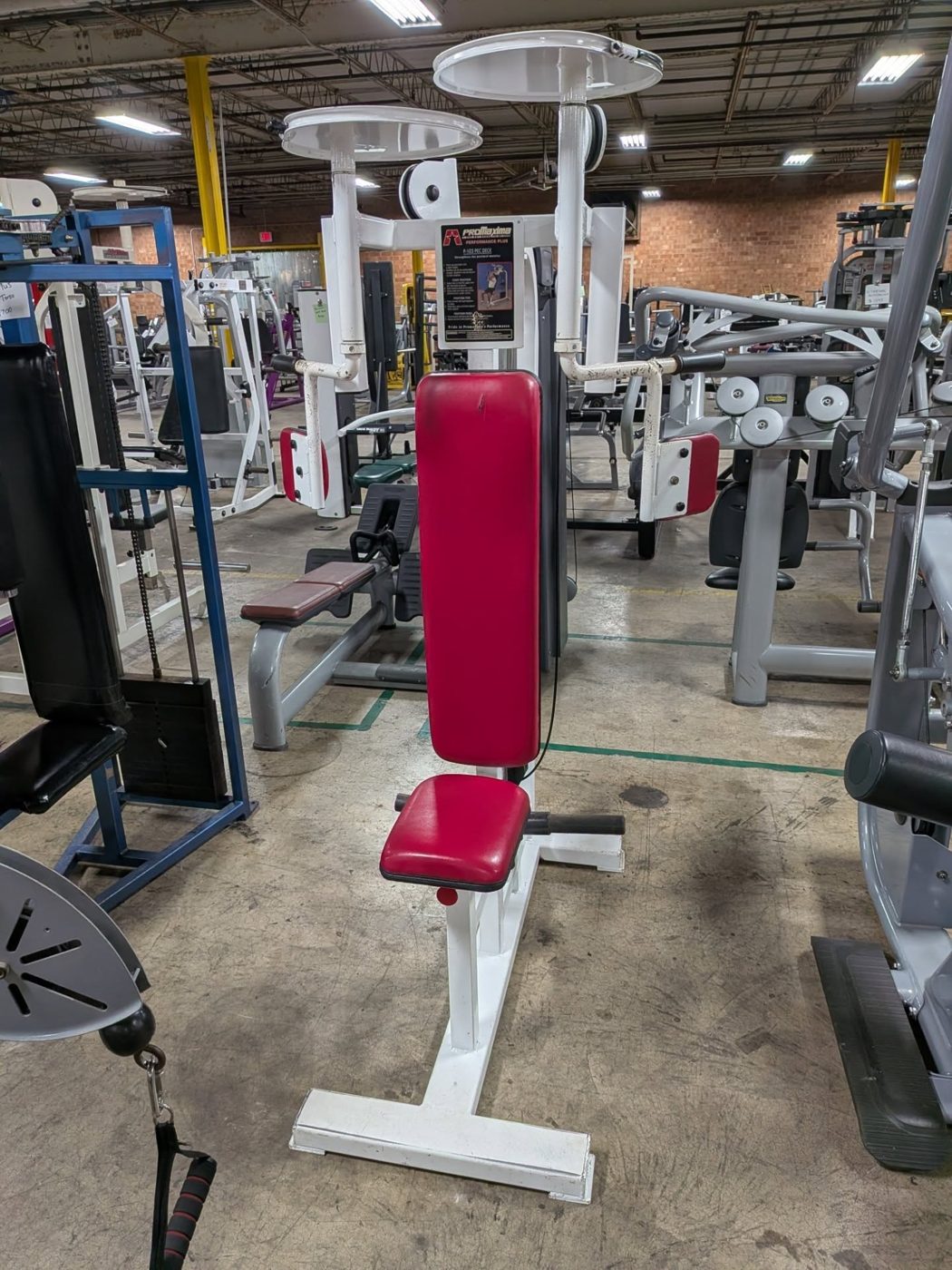
Best Equipment for Heavy Lifters (High Weight Capacity)
Big lifters and bigger bodies need equipment that won't flex. Here's what to look for.
Heavy-Duty Strength Equipment
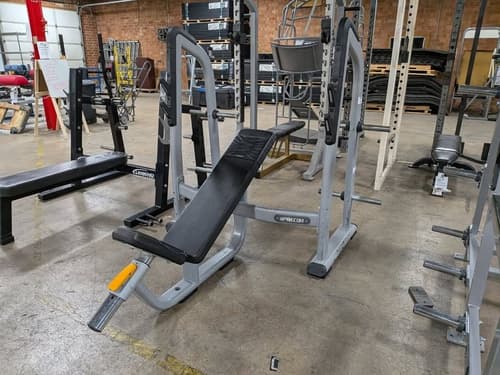
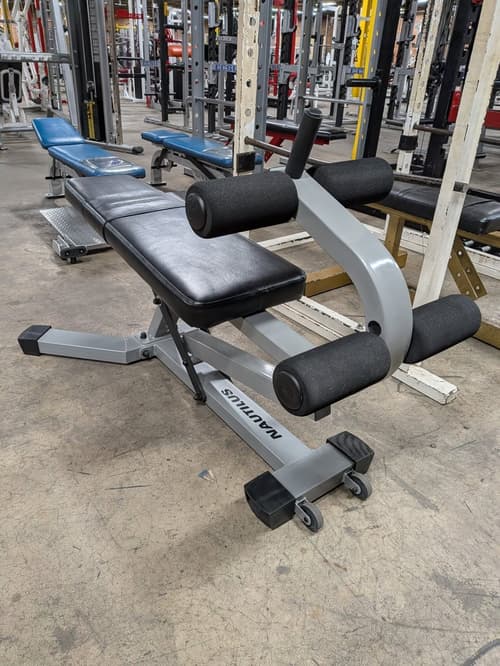
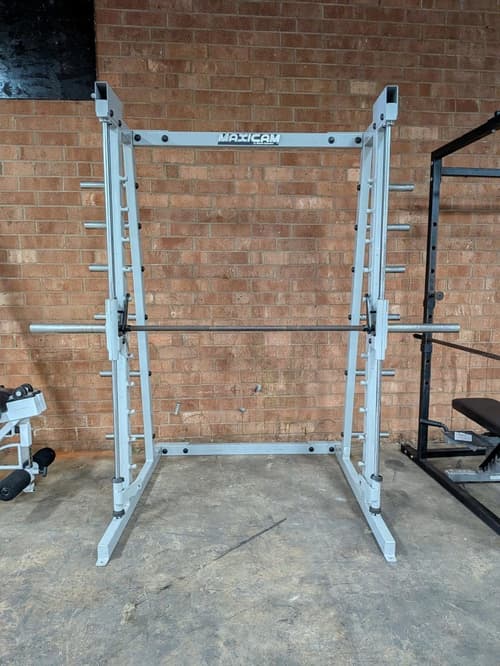
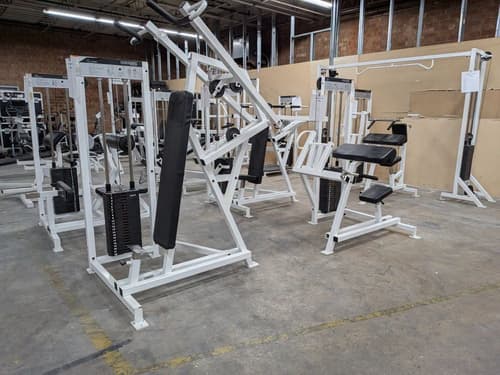
1. Heavy Duty Specs
| Equipment | Heavy Duty Spec |
|---|---|
| Power rack | 11-gauge steel, 2 x 3 or 3 x 3 in uprights, 1,000+ lb capacity |
| Flat bench | 1,000+ lb capacity, 3 x 3 in steel, wide base |
| Adjustable bench | 700 - 1,000+ lb capacity |
| Barbell | 190,000+ PSI tensile strength |
| Treadmill | 400 - 500 lb user capacity |
| Bike / rower | 350 - 500 lb user capacity |
2. Capacity Ratings Explained
Bench capacity includes your bodyweight plus the weight you're lifting. Rack capacity often refers to J-hooks and safeties. Commercial equipment is usually rated conservatively and built for constant heavy use.
Shop Strength Equipment3. Heavy Duty Cardio Equipment
Heavier users should look for commercial treadmills rated for 400 to 500 lb, recumbent bikes with reinforced frames and wide seats, and rowers with high weight capacities. Commercial-grade machines are built for constant use and generally handle higher loads better than lightweight home models.
Always check the user weight rating and warranty terms for your weight.
4. Heavy Duty Benches and Racks
For heavy lifting, choose 11-gauge steel with 3 x 3 inch uprights, wide bases and solid welds. Commercial benches with thick pads and wide footprints add stability for heavy presses. These features keep equipment stable under maximal loads.
5. Buying Used Heavy Duty Equipment
Used commercial equipment is often the best value for heavy-duty needs. Inspect welds and frames carefully.
6. How Capacity Ratings Are Tested
Manufacturers test capacity in different ways, and some ratings are static rather than dynamic loads. A bench rated for 1,000 lb may handle that weight sitting still, but dropping or bouncing weight creates higher forces. That's why it's smart to choose equipment rated well above the weights you'll actually use, especially for heavy lifting and larger users.
Commercial-grade equipment usually has more conservative ratings and heavier construction.
7. Heavy Duty Barbells and Plates
Look for barbells with high tensile strength and quality sleeves, and plates with tight tolerances. Calibrated plates and power bars are popular with strong lifters.
8. Our Recommendation
Invest in commercial-grade racks and benches; they last for decades and hold resale value.
9. Heavy Duty Flooring
Heavy equipment and heavy lifting need thick, dense rubber flooring, at least 3/4 inch, and platforms for deadlifts. Good flooring protects your subfloor and equipment and reduces noise and vibration.
10. Heavy Duty Equipment for Commercial Gyms
Commercial gyms need equipment rated for heavy users and constant use. Choose commercial-grade cardio with high user capacities and strength equipment with thick steel and solid welds to keep members safe.
11. Final Tip
Check weight ratings, steel gauge, upright size and warranty for every piece. Equipment with headroom above your needs stays stable, safe and reliable for years.
Final Thoughts
Heavy duty gym equipment uses thicker steel, larger tubing and higher capacity ratings. Check specs carefully, include your bodyweight in bench capacity and consider commercial gear for the most durability.
Frequently Asked Questions
- What does a 1,000 lb rack rating mean?
- Usually the load the J-hooks and safeties are rated to hold.
- Is commercial equipment better for heavy lifters?
- Generally yes; it's designed for constant, heavy use.
Shop Related Equipment
Built for Heavy Lifting
Shop commercial-grade racks, benches and machines.