
Basement Gym Ideas and Setup Guide
Low ceilings, moisture and poor light are the classic basement problems. Here's how to turn a basement into a home gym you'll love.
Home Gym Equipment for Basements
1. Why a Basement Makes a Great Home Gym
A basement home gym sits on a concrete slab, stays cool in summer and keeps noise away from the rest of the house. The usual challenges are low ceilings, moisture and dim lighting, and each one has a straightforward fix.
2. Low Ceiling Gym Solutions
Many basements have ceilings between 7 and 7.5 feet, with ducts and beams that hang even lower. Measure the lowest point where you plan to train.
- Choose a short power rack or squat stands (around 72 to 80 inches)
- Press overhead seated, or with dumbbells, instead of standing barbell presses
- Use a wall-mounted or ceiling-mounted pull-up bar between joists
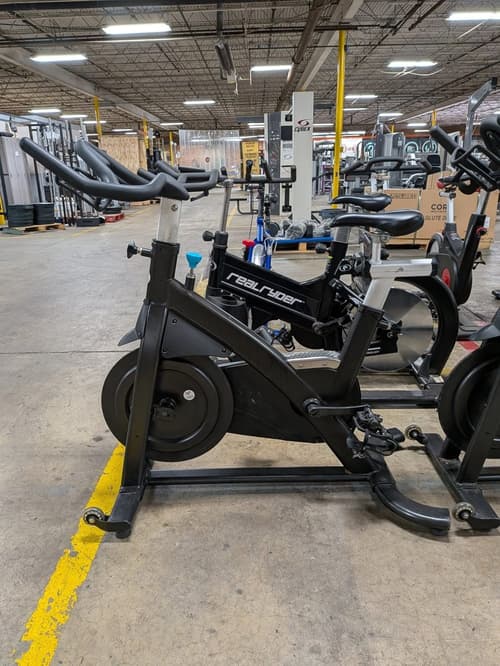
- Pick a rower or recumbent bike over a treadmill if headroom is tight
- Place the rack between ceiling joists rather than under a beam
3. Basement Gym Flooring and Moisture
Test for moisture by taping a square of plastic to the slab for 48 hours. If it's damp underneath, address drainage and run a dehumidifier before laying flooring. Interlocking rubber tiles let air move and can be lifted if water ever gets in. Keep humidity below about 50 percent to protect barbells and plates from rust.
Shop Gym Flooring4. Lighting and Atmosphere
- Bright LED panel or shop lights rated at 4,000 to 5,000K
- A wall mirror to make the space feel bigger and check form
- A fan or air purifier for ventilation
- Light-colored paint on walls and ceiling
5. Basement Home Gym Equipment Plan
| Priority | Equipment | Basement Tip |
|---|---|---|
| 1 | Short rack or squat stands | Measure under ducts first |
| 2 | Barbell and plates | Bumper plates are quieter |
| 3 | Adjustable bench | Flat bench works anywhere |
| 4 | Dumbbells | Adjustable saves floor space |
| 5 | Cardio | Rower or bike suits low ceilings |
6. Getting Equipment Downstairs
Measure the stairwell, landing and doorways before you buy. Many racks, benches and machines ship in pieces and can be assembled in place. For heavy cardio machines, ask about white-glove delivery and installation.
7. Budgeting Your Basement Gym
Set aside part of your budget for the room itself, not just equipment. A dehumidifier, extra lighting and rubber flooring often cost a few hundred dollars together but make every piece of equipment more pleasant and longer-lasting to use.
Final Thoughts
The best basement gym ideas solve three things: headroom, moisture and light. Choose a short rack, lay rubber flooring over a dry slab, keep humidity in check and brighten the space. Do that, and your basement home gym will be the most-used room in the house.
Frequently Asked Questions
- What ceiling height do I need for a basement gym?
- Seven feet works for most lifts with a short rack. You'll need about 8 feet or more for standing overhead barbell presses.
- What flooring is best for a basement gym?
- Interlocking rubber tiles are ideal because they're durable, breathable and easy to lift if moisture is an issue.
- How do I stop my basement gym equipment from rusting?
- Run a dehumidifier, keep humidity below 50 percent and wipe bars down after use.
Shop Related Equipment
Finish Your Basement Gym
Racks, benches, flooring and cardio that fit low-ceiling rooms.