
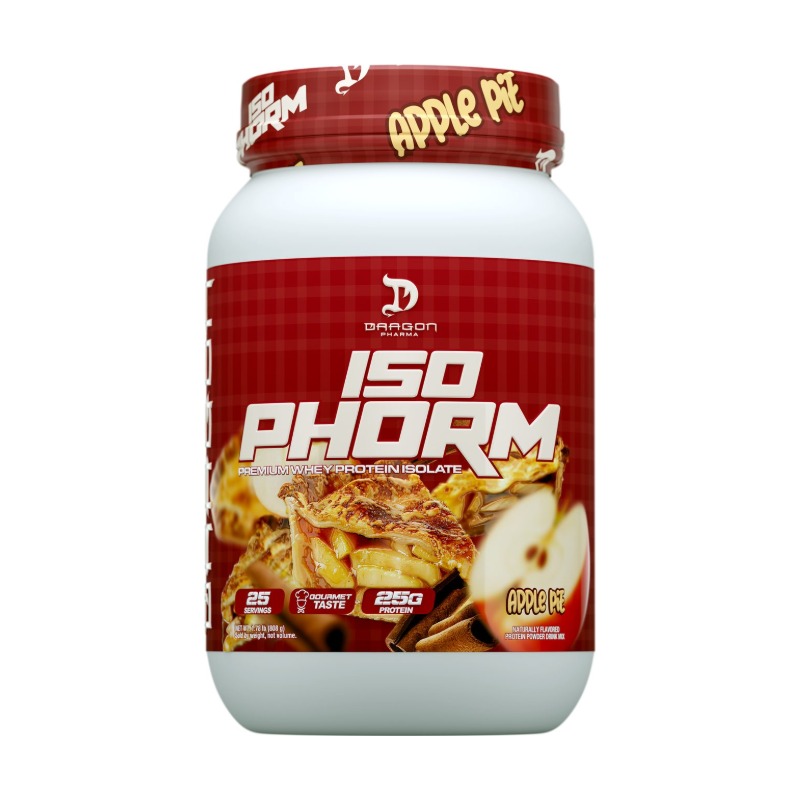
Best Plant-Based and Vegan Protein Powders
Plant protein can build muscle just like whey, if you choose well. Here's what to look for in a vegan protein powder.
Protein Powders
1. Types of Plant Protein
| Source | Strengths | Weaknesses |
|---|---|---|
| Pea protein | Good leucine, smooth texture | Lower in methionine |
| Brown rice protein | Hypoallergenic, pairs with pea | Lower in lysine |
| Soy protein | Complete protein, well researched | Allergen for some |
| Hemp protein | Fiber and omega-3s | Lower protein per scoop |
| Blends (pea + rice and more) | Complete amino acid profile | Varies by brand |
2. Can Vegan Protein Build Muscle?
Yes. Studies comparing pea or soy protein to whey show similar muscle gains when protein and leucine intake are matched. Because plant proteins are often slightly lower in leucine, aim for a slightly larger serving of around 30 g of protein, or choose a blend.
3. What to Look For
- A blend of pea and rice, or soy, for a complete amino profile
- At least 20 to 25 g protein per serving
- Third-party testing for heavy metals, which can be higher in plant proteins
- Added digestive enzymes if you're sensitive
- Minimal fillers and gums
4. Taste and Texture Tips
Plant proteins can taste earthy or feel slightly gritty. Blending with frozen banana, nut milk and cocoa or cinnamon improves taste. Pea and rice blends are usually smoother than single-source hemp or brown rice protein. Many brands now offer much better-tasting vegan options than in the past, so try samples to find your favorite.
5. Vegan Protein for Muscle Building
To build muscle on a plant-based diet, aim for about 1.6 to 2.0 grams of protein per kilogram of bodyweight, include a variety of protein sources and consider slightly larger servings of plant protein powder to match whey's leucine content. Adding creatine is also helpful, since vegans typically have lower creatine stores.
6. Common Additives
Some vegan powders contain gums, sweeteners and natural flavors. If you have a sensitive stomach, choose simpler formulas.
7. Our Recommendation
Choose a pea and rice blend with at least 20 grams of protein, third-party testing and a flavor you enjoy. Rotate brands occasionally to reduce exposure to any single source of contaminants.
8. Final Tip
Blend plant protein with frozen fruit and nut milk for the smoothest texture and best taste.
9. Soy Protein Myths
Soy protein is a complete protein with strong research for muscle building. Concerns about soy affecting hormones in men have not been supported by research at normal intakes. Soy can be a great, affordable option for vegans who tolerate it well.
Final Thoughts
The best vegan protein powder is a pea and rice or soy blend with 20+ g of protein, a complete amino acid profile and third-party testing for heavy metals. Use slightly larger servings and it'll support muscle growth as well as whey. This article is for general information only and isn't medical advice. Talk to a doctor or registered dietitian before starting a supplement, especially if you're pregnant or nursing, take medication or have a health condition.
Frequently Asked Questions
- Is pea protein as good as whey?
- Research shows similar results when total protein and leucine are matched.
- Do plant proteins have heavy metals?
- Plant proteins can absorb metals from soil. Choose brands that publish third-party test results.
Shop Related Equipment
Plant-Powered Protein
Shop protein powders and supplements.