
Are Supplements Regulated? How the FDA Handles Supplements
Supplements are regulated, just very differently from drugs. Here's how the system works.
Supplements for Sale
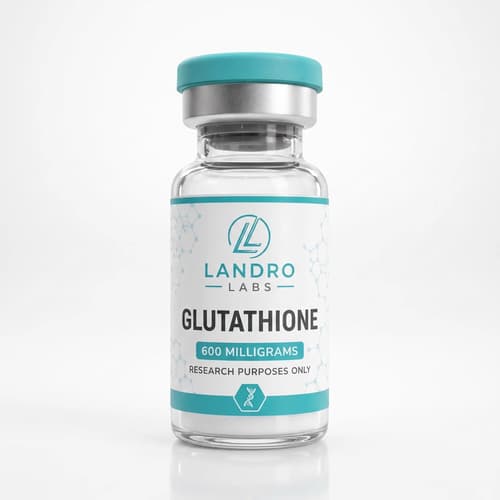
1. How Supplement Regulation Works
In the US, dietary supplements are regulated under the Dietary Supplement Health and Education Act of 1994 (DSHEA). Supplements don't need FDA approval before they're sold. Manufacturers are responsible for ensuring products are safe and accurately labeled.
2. What the FDA Does and Doesn't Do
| FDA Does | FDA Doesn't |
|---|---|
| Set Good Manufacturing Practice (GMP) rules | Approve supplements before sale |
| Inspect facilities | Test every product |
| Act against unsafe or adulterated products | Verify most label claims before sale |
| Require notifications for some new ingredients | Evaluate effectiveness |
3. Labels and Claims
- Supplements can make structure/function claims, such as 'supports muscle recovery'
- Those claims must carry a disclaimer that the FDA hasn't evaluated them
- Supplements can't claim to diagnose, treat, cure or prevent disease
- The FTC regulates advertising and requires claims to be substantiated
4. Good Manufacturing Practices
Supplement manufacturers must follow current Good Manufacturing Practices, which cover facility cleanliness, quality control, ingredient testing, labeling and record keeping. The FDA inspects facilities and can issue warning letters for violations. However, inspections are periodic, and not every product is tested before reaching consumers.
Third-party certifications provide additional assurance beyond FDA requirements.
5. New Dietary Ingredients
Ingredients not marketed in the US before 1994 are considered new dietary ingredients. Companies are generally required to notify the FDA with safety information before selling products containing them. This process is less rigorous than drug approval.
6. How Consumers Can Protect Themselves
Choose tested products, check FDA warning lists, report side effects through MedWatch and talk to healthcare providers about supplements.
7. FDA Enforcement Actions
When the FDA finds unsafe or illegally marketed supplements, it can issue warning letters, request recalls, seize products and work with the Department of Justice on legal action. The FDA also publishes lists of tainted products found to contain hidden drugs. Checking these lists before buying weight loss, sexual enhancement or muscle-building products can help you avoid dangerous supplements.
8. Supplement Regulation Outside the US
Other countries regulate supplements differently. Some require pre-market approval or registration, have stricter limits on ingredients and doses or restrict certain claims. If you buy supplements from overseas, check whether they comply with your country's laws and be cautious of products banned locally.
International travelers should also check rules before bringing supplements across borders.
9. Final Tip
Treat supplements like any product you put in your body: research the brand, look for third-party testing, check for recalls and talk to your doctor or pharmacist, especially if you take medications.
Final Thoughts
Supplements are regulated by the FDA, but mostly after they reach the market. Manufacturers are responsible for safety and labeling, which is why third-party testing and buying from reputable sellers matter so much. This article is for general information only and isn't medical advice. Talk to a doctor or registered dietitian before starting a supplement, especially if you're pregnant or nursing, take medication or have a health condition.
Frequently Asked Questions
- Does FDA registration mean a supplement is approved?
- No. Facility registration isn't product approval.
Shop Related Equipment
Shop Supplements With Confidence
Factory-sealed supplements from trusted brands, shipped with tracking.