
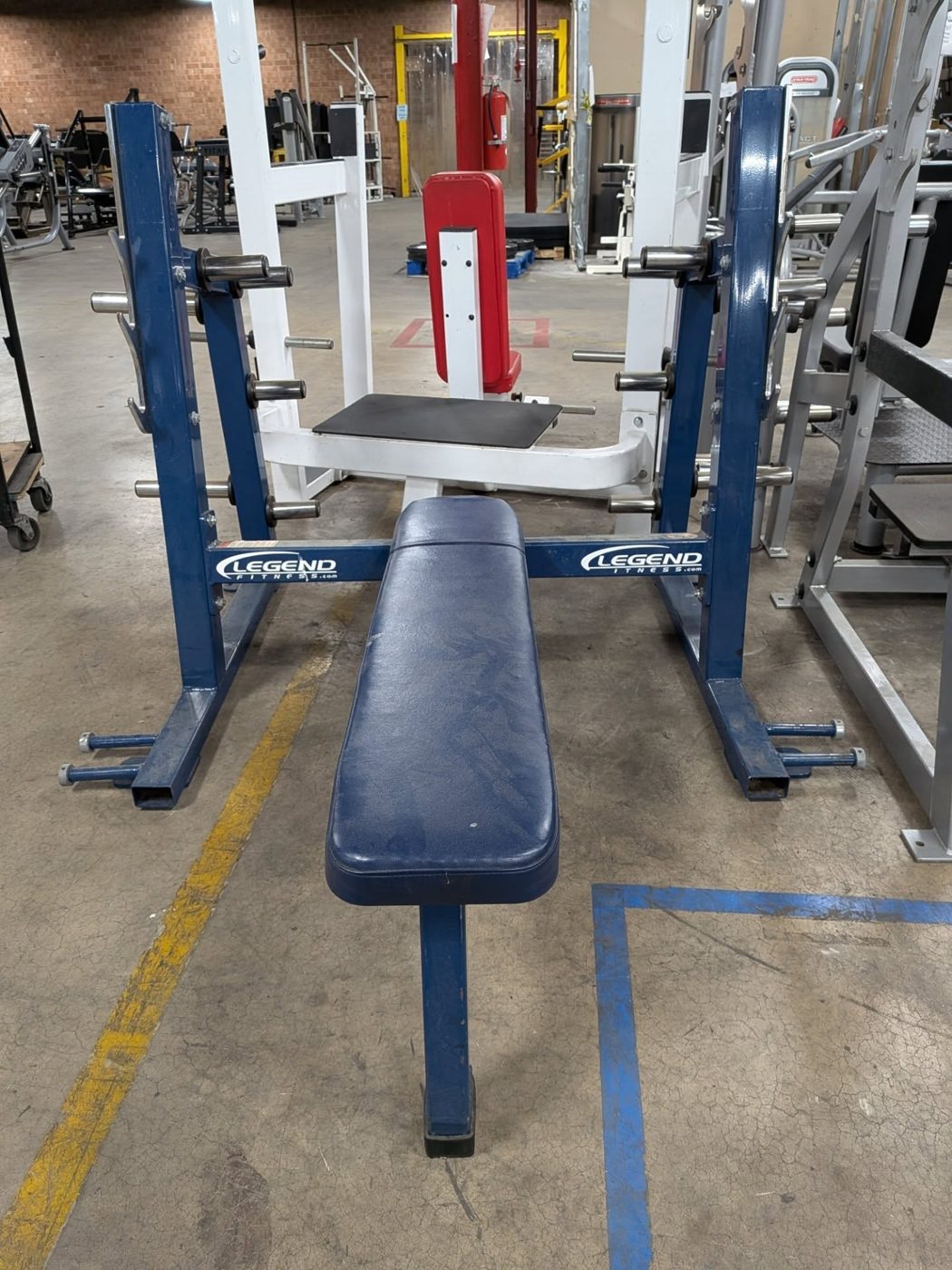
Flat Workout Bench Guide: How to Choose a Flat Bench for Bench Press and Dumbbell Training
Simple, stable and nearly indestructible — here's why a flat weight bench still belongs in almost every gym, and what to check before you buy one.
Flat Benches for Sale
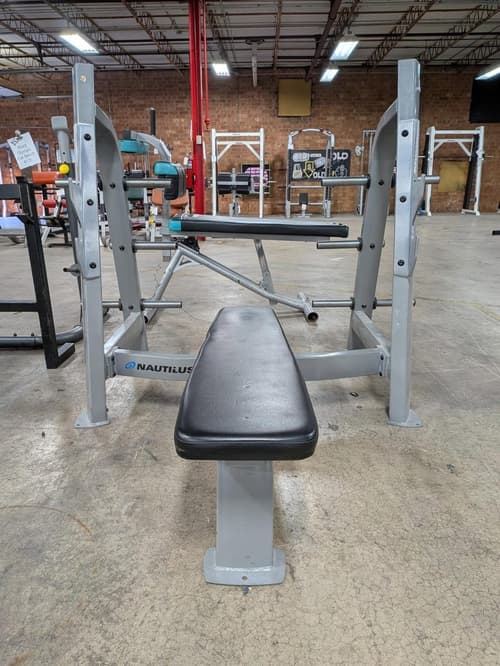
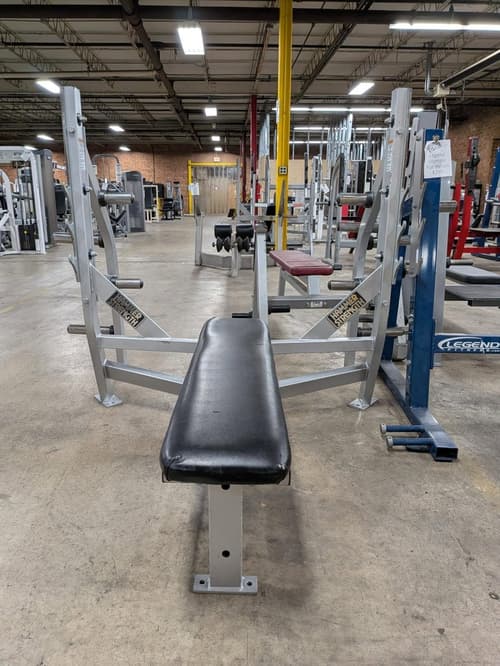
Hammer Strength
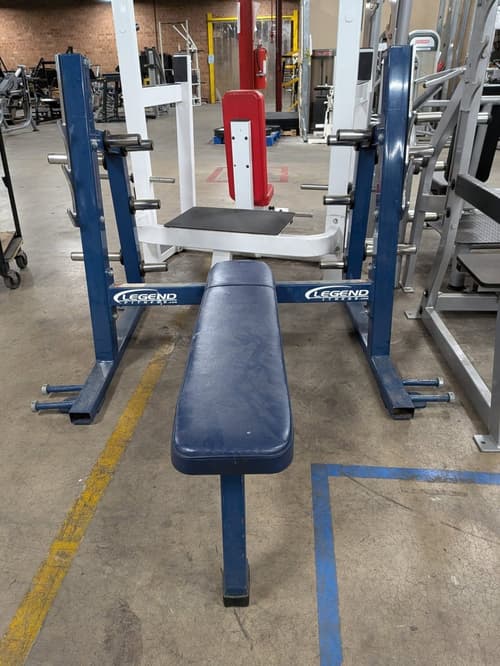
Used Hammer Strength Olympic Flat Bench
Condition: Very Good
$299
Los Angeles, California
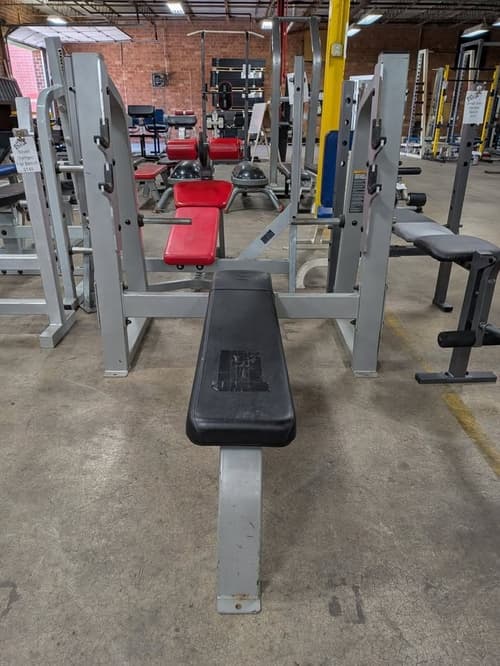
1. Why the Flat Bench Still Matters
A flat workout bench has no hinges, pins or adjusters — just a steel frame and a pad. That simplicity is exactly why it's so useful. With nothing to flex or loosen, a good flat bench is the most stable surface you can press from, and it's often the strongest bench in a gym for its price.
Flat benches handle the flat barbell and dumbbell bench press, rows, step-ups, hip thrusts, dips and a long list of accessory exercises. Many lifters own an adjustable bench and still keep a flat bench for heavy pressing.
Shop Strength Equipment2. Flat Utility Bench vs. Olympic Flat Bench
There are two main kinds of flat bench. A flat utility bench is a standalone pad on a frame, used with dumbbells or inside a power rack. An Olympic flat bench has built-in uprights that hold a barbell, so you can bench press without a separate rack.
If you already have a power rack, a flat utility bench is all you need. If you want a dedicated bench press station — common in commercial gyms — an Olympic flat bench with built-in uprights and spotter platforms is the classic choice.
Read: Olympic Weight Bench Guide3. Bench Height and Why It Matters for Bench Press
For bench press, you want to plant your feet flat and drive through the floor. A flat bench height around 17 inches suits most lifters and is close to the range used in powerlifting competition. Benches that are much taller can leave shorter lifters on their toes, while benches that are too low can make it awkward for taller lifters to set their hips and feet.
4. Pad Width, Density and Grip
Most flat bench pads are around 10 to 12 inches wide. A wider pad supports broad shoulders on heavy barbell presses; a narrower pad leaves more room for the shoulder blades to move during dumbbell work. Dense foam that doesn't sink under load gives you a more stable base, and grippy upholstery helps you hold your upper-back position on heavy sets.
5. Frame Design and Stability
Look for a wide footprint at both ends, thick steel tubing and solid welds. Some flat benches use a three-post design with the rear post set back so it won't interfere with your feet during bench press — a detail that makes a real difference to comfort and leg drive.
- Wide front and rear feet that sit flat on the floor
- Rear support positioned so it doesn't block your feet
- Thick-gauge steel tubing and clean welds
- Rubber feet to grip the floor
6. Weight Capacity
Because there's no adjustment hardware, flat benches often carry higher weight capacities than adjustable benches at the same price. As always, the rating needs to cover your body weight plus your heaviest working weight with a margin. Commercial flat benches are built for heavy, constant use and typically leave a lot of headroom.
7. Flat Bench vs. Adjustable Bench
Choose a flat bench if you mainly bench press, row and do dumbbell accessory work, or if you want the most stable pressing surface for your money. Choose an adjustable bench if you want incline pressing and seated shoulder work from the same footprint. If you have the space and budget, owning both covers every bench exercise with no compromises.
Read: Flat vs. Incline vs. Decline Benches8. Flat Benches for Home Gyms
A flat bench is one of the most space-efficient pieces of home gym equipment. It slides under a barbell inside a rack, stores easily against a wall and has no parts to wear out. For a budget-conscious home fitness bench, a heavy flat bench is often a smarter buy than a cheap adjustable one.
Read: Best Workout Bench for Home9. Buying a Used Flat Bench
Flat benches are about as low-risk as used equipment gets. Check the frame for cracks or bends, especially around the welds, make sure the bench sits level, and look at the pad. Worn or torn upholstery is easy to replace; structural damage isn't worth taking on.
Shop Flat BenchesFinal Thoughts
A flat workout bench is simple, stable and built to last — the best pressing surface you can buy for the money. Choose a height that lets you plant your feet, a pad width that suits your build, and a frame with no wobble. Whether it's a flat utility bench inside your rack or an Olympic flat bench with built-in uprights, a good flat bench will outlast almost everything else in your gym.
Frequently Asked Questions
- What is a flat workout bench used for?
- Flat bench press with a barbell or dumbbells, rows, step-ups, hip thrusts, dips and many accessory exercises.
- Is a flat bench better than an adjustable bench for bench press?
- A flat bench is usually more stable for heavy pressing because it has no adjustment hardware or pad gap. An adjustable bench adds incline and seated work.
- What height should a flat bench be?
- Around 17 inches works for most lifters and is close to powerlifting competition height, letting you plant your feet firmly.
- What's the difference between a flat utility bench and an Olympic flat bench?
- A flat utility bench is just a pad on a frame. An Olympic flat bench adds built-in uprights to hold a barbell, so it works as a standalone bench press station.
- How wide should a flat bench pad be?
- Most are about 10 to 12 inches. Wider pads support broad shoulders on barbell presses; slightly narrower pads give more shoulder-blade freedom with dumbbells.
- Can I use a flat bench inside a power rack?
- Yes — that's one of the most common setups. Just confirm the bench fits between the uprights and lines up with your J-hooks and safeties.
- Is it safe to buy a used flat bench?
- Yes, as long as the frame is straight, the welds are intact and the bench sits level. Worn upholstery is inexpensive to replace.
Shop Related Equipment
Ready to Shop Flat Benches?
Browse new and used flat weight benches from verified sellers.