
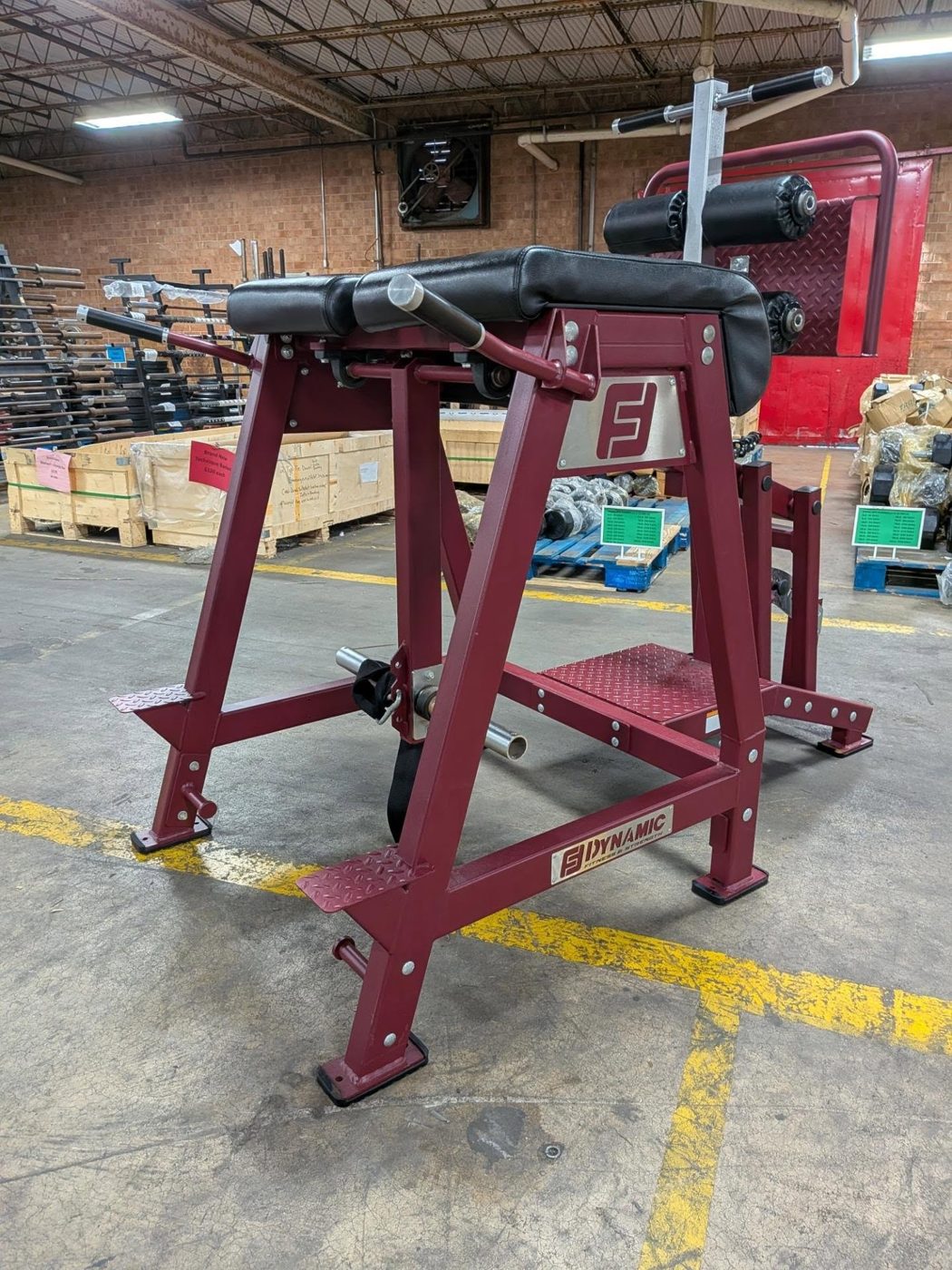
Best Hyperextension and GHD Benches
Back extension benches and GHDs build the posterior chain. Here's how they differ and which one fits your gym.
Back Extension and GHD Machines
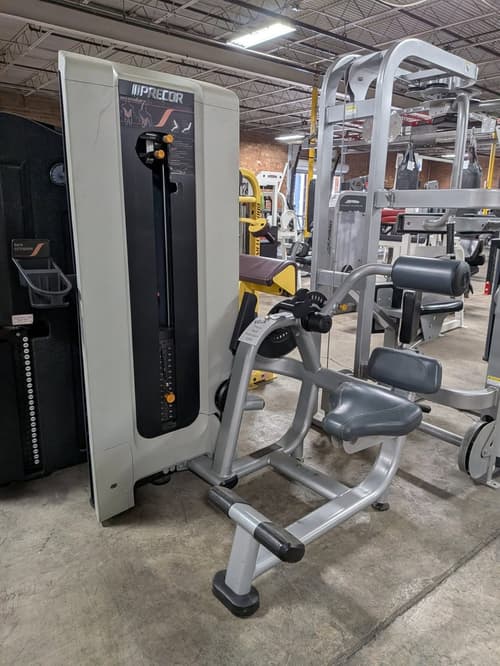
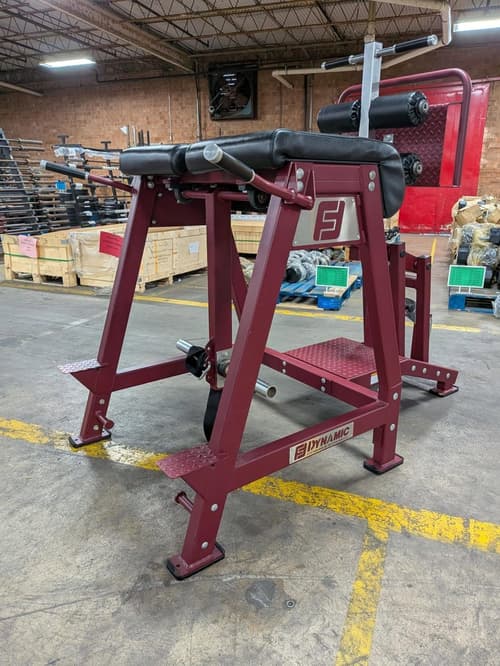
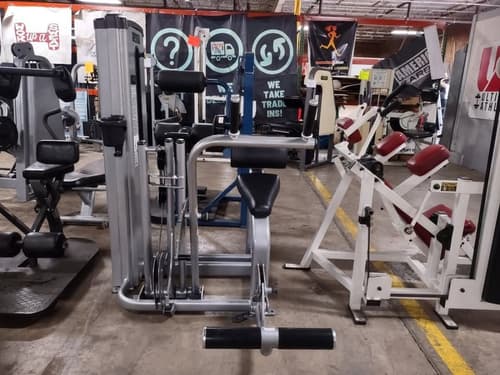
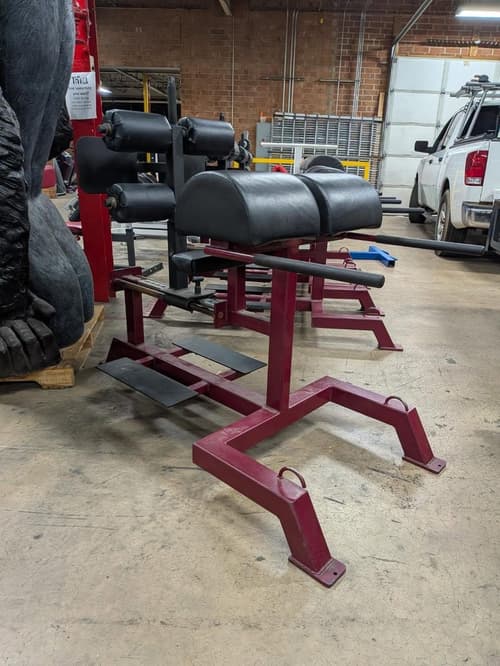
1. Hyperextension Bench vs GHD
A hyperextension (back extension) bench supports your hips while you hinge forward and back up, training the lower back, glutes and hamstrings. A glute ham developer (GHD) adds a footplate and roller pads that let you do glute ham raises and GHD sit-ups as well.
| Feature | 45-Degree Back Extension | 90-Degree Roman Chair | GHD |
|---|---|---|---|
| Difficulty | Easiest | Harder | Hardest |
| Key exercises | Back extension, hip extension | Back extension | Glute ham raise, back extension, sit-up |
| Footprint | Small | Medium | Large |
| Price | $150 - $500 | $200 - $600 | $400 - $1,500 |
2. What to Look For
- Adjustable hip pad height for different body sizes
- Secure ankle rollers or footplate
- Sturdy steel frame and non-slip footplate
- Wheels for moving and a compact upright storage option
3. How to Do a Back Extension
- Set the pad just below your hip crease
- Hinge forward with a neutral spine
- Squeeze your glutes to rise until your body forms a straight line
- Avoid hyperextending past straight
4. Progressing Back Extensions
Start with bodyweight sets of 12 to 15 reps. Once that's easy, hold a weight plate against your chest, then progress to holding it behind your head or using a barbell or band for resistance. Focus on a slow, controlled lowering phase and a strong glute squeeze at the top.
5. Who Should Use a GHD
A glute ham developer suits experienced lifters and athletes who want to train the hamstrings with glute ham raises, which are much harder than standard leg curls. Beginners usually do better starting on a 45-degree back extension bench, which is easier to set up and scale.
Both machines strengthen the posterior chain, which supports better deadlifts, squats and posture. Start with bodyweight, focus on control and add load gradually.
6. Common Back Extension Mistakes
Avoid swinging up with momentum, overarching at the top and setting the pad too high on your stomach. Each of these shifts work away from the glutes and hamstrings and can strain the lower back. Move slowly, stop when your body forms a straight line and keep your neck neutral.
7. Back Extension Machine vs Reverse Hyper
A reverse hyper keeps your torso supported while your legs swing up behind you, which trains the glutes and lower back with traction on the spine. It's a useful complement to standard back extensions for lifters who deadlift and squat heavy.
8. Storage and Space
Many 45-degree benches fold or stand upright, making them easy to fit in a small home gym. GHDs need more length, so measure before you buy.
Final Thoughts
A hyperextension bench is a compact, affordable posterior chain builder for most home gyms, while a GHD is the advanced choice for athletes who want glute ham raises. Either one strengthens your glutes, hamstrings and lower back for better deadlifts and fewer aches.
Frequently Asked Questions
- Are back extensions good for the lower back?
- Done with control, they strengthen the lower back and glutes. Start with bodyweight and avoid overextending.
- What is a GHD used for?
- Glute ham raises, back extensions, hip extensions and GHD sit-ups.
Shop Related Equipment
Strengthen Your Posterior Chain
Shop back extension benches, GHDs and reverse hypers.