
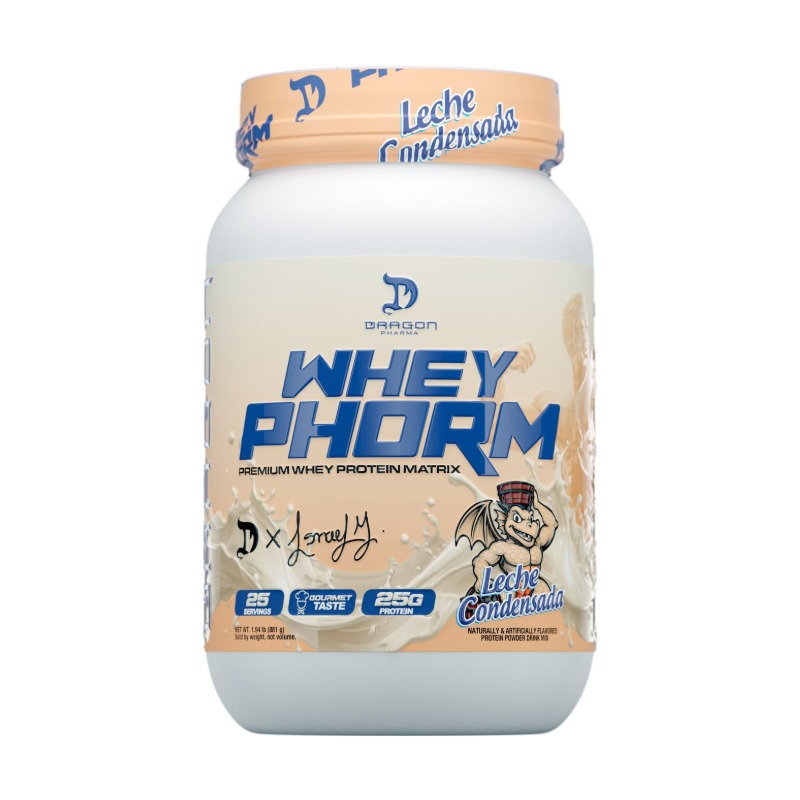
Collagen vs Whey Protein: Which Builds Muscle?
Collagen is popular, but is it good for muscle? Here's how it compares with whey.
Protein Powders
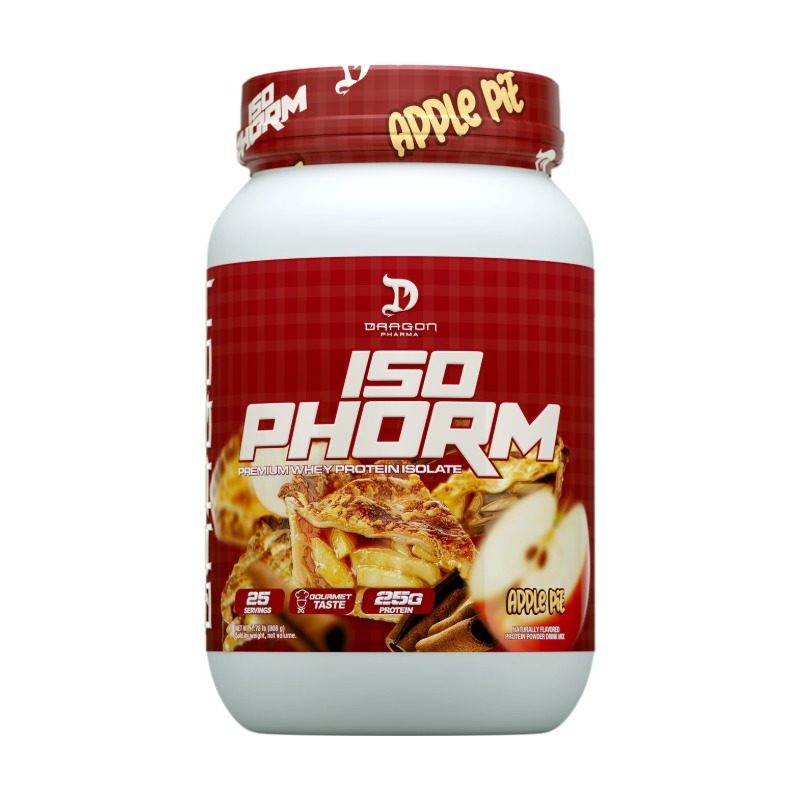
1. Is Collagen a Complete Protein?
No. Collagen lacks the essential amino acid tryptophan and is low in leucine, the amino acid that triggers muscle protein synthesis. That makes it far less effective than whey for building muscle on its own.
2. Comparison
| Factor | Collagen | Whey |
|---|---|---|
| Complete protein | No | Yes |
| Leucine per 20 g | Very low | About 2 - 2.5 g |
| Muscle building | Weak | Excellent |
| Joint, tendon, skin research | Some evidence | Not the focus |
3. Which Should You Use?
Use whey or another complete protein for muscle. Add collagen separately if you want possible joint, tendon or skin benefits, but don't count it as your main protein source.
Shop Protein Powder4. Collagen Benefits
Collagen supplements are studied for skin elasticity, joint comfort and tendon support. Research suggests collagen may improve skin hydration and elasticity over time and may reduce activity-related joint pain. Some studies show benefits for tendons when collagen is taken before exercise. These benefits are different from muscle building and make collagen a complementary supplement.
5. Whey Benefits
Whey is a complete protein rich in leucine, the amino acid that triggers muscle protein synthesis. It's quickly digested, versatile and well-studied for muscle growth, recovery and appetite control. Whey is also an affordable way to increase daily protein intake.
6. Can You Take Both?
Yes. Many people take whey for muscle building and add collagen for skin and joint support. You can mix collagen into coffee or tea and take whey after workouts or with meals.
7. Dosage Guide
Collagen: about 10 to 15 grams per day for joints and skin. Whey: 20 to 40 grams per serving as needed to reach your daily protein goal.
8. Cost Comparison
Whey generally provides more muscle-building value per dollar. Collagen is best viewed as a specialty supplement.
9. Our Recommendation
Use whey for muscle and add collagen separately if you want skin or joint support.
10. Final Tip
Mix collagen into hot coffee and save whey for shakes; it's an easy way to use both.
11. Collagen Myths
Collagen won't build muscle as effectively as whey, and taking collagen alone won't meet your daily protein needs for muscle growth. It also isn't a magic anti-aging product. Collagen may offer modest benefits for skin and joints when taken consistently over several months, but results vary between people.
For overall health and fitness, total protein from a variety of sources matters most.
12. Collagen Protein Content
A typical scoop of collagen peptides provides about 9 to 18 grams of protein. While it counts toward total protein intake, its low leucine content means it contributes less to muscle building than the same amount of whey.
Final Thoughts
In collagen vs whey, whey wins clearly for building muscle because it's complete and rich in leucine. Collagen may support joints and skin, so use it as an addition, not a replacement. This article is for general information only and isn't medical advice. Talk to a doctor or registered dietitian before starting a supplement, especially if you're pregnant or nursing, take medication or have a health condition.
Frequently Asked Questions
- Does collagen count toward protein intake?
- It adds protein, but it shouldn't be your main source for muscle building.
Shop Related Equipment
Stock Up on Protein
Shop whey, plant and specialty protein powders.