Shoulder Machines at the Gym: Types, Benefits & How to Choose the Right One
Shoulder press, lateral raise and rear delt machines each train the shoulder differently — here's how to tell them apart and choose the right one.
Shoulder Machines for Sale
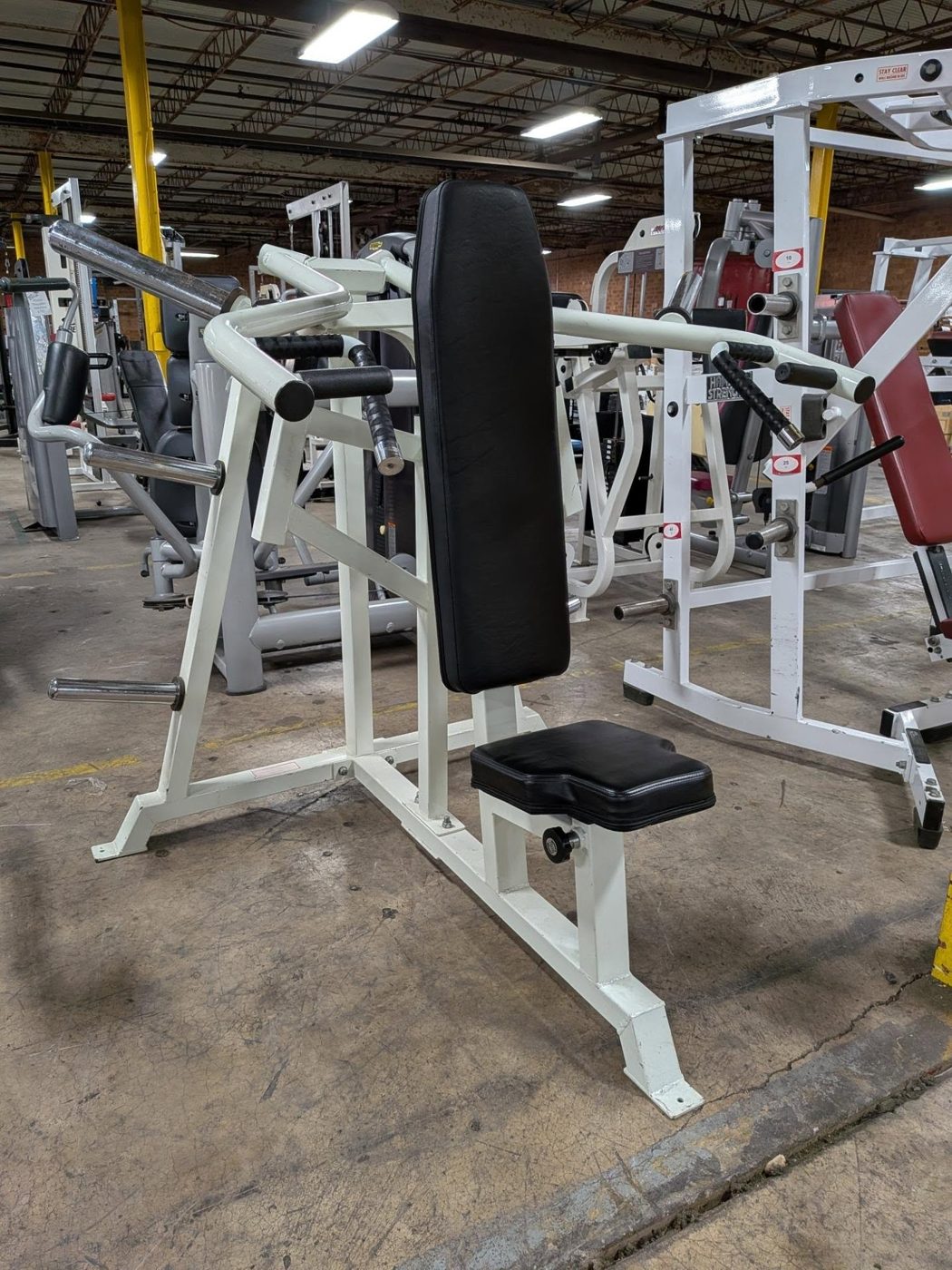
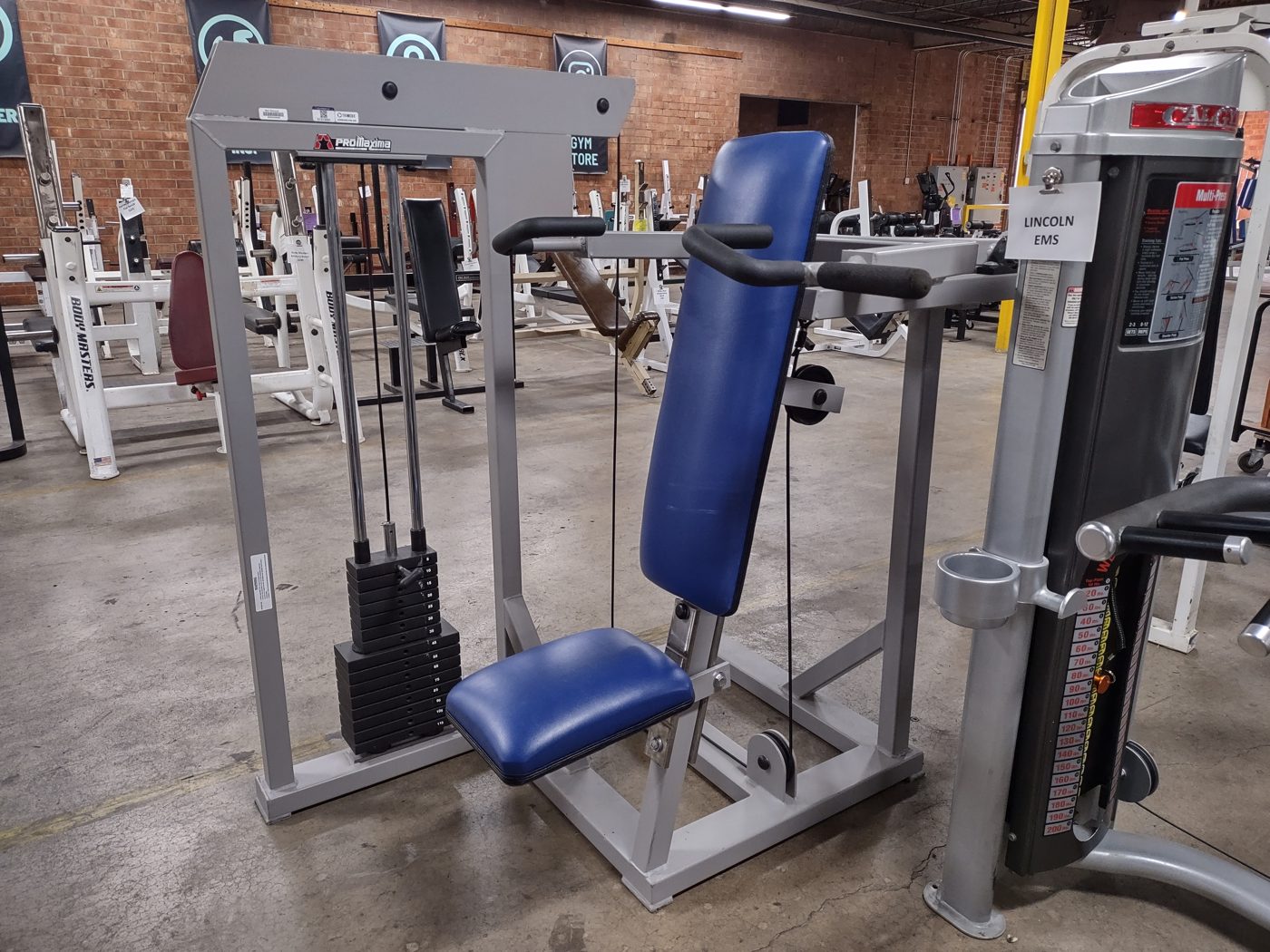
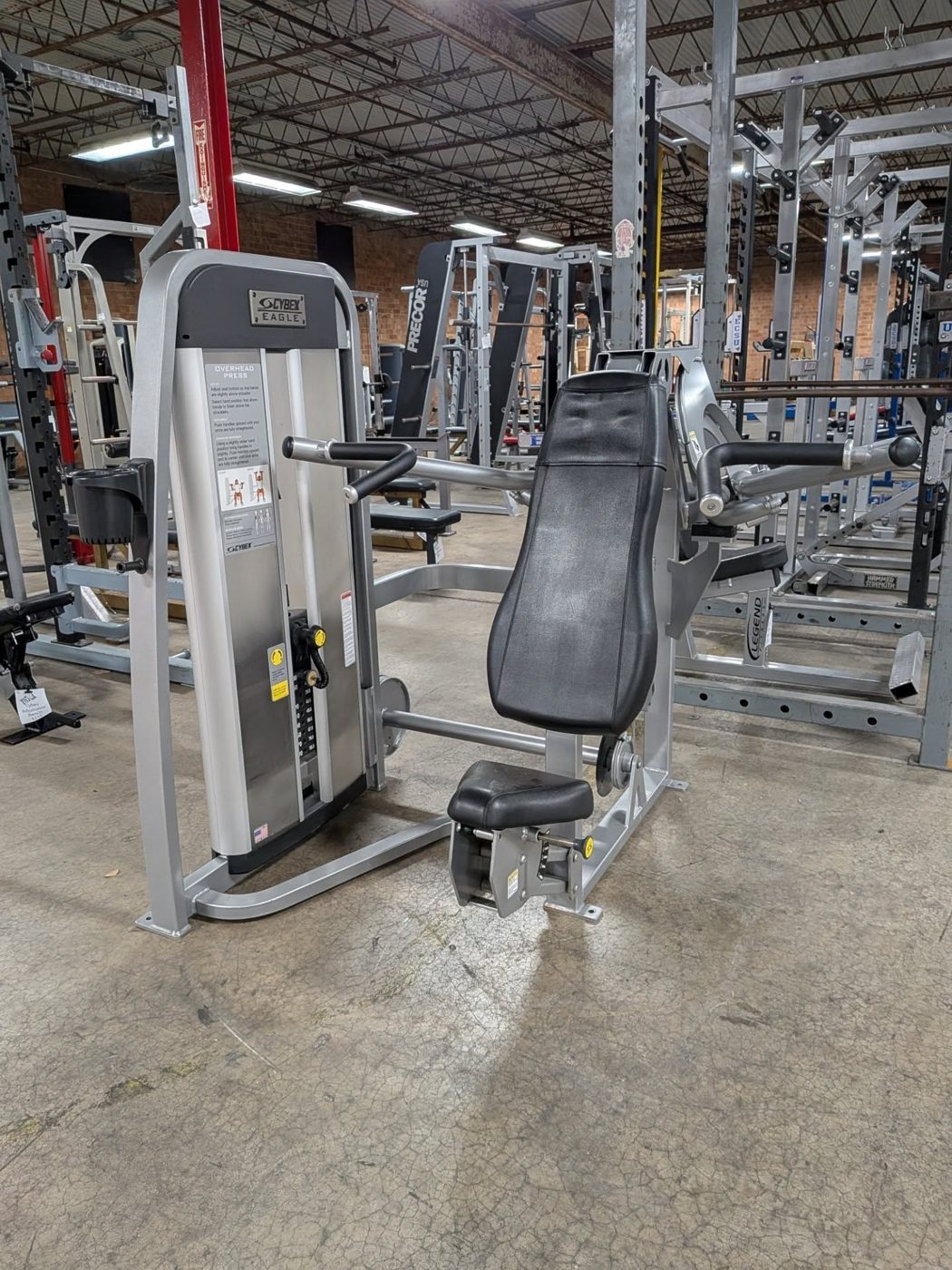
Cybex
Cybex Eagle Overhead Press Machine
Condition: Very Good
$1,399
Los Angeles, California
View Details1. The Main Types of Shoulder Machines
| Machine | Movement | What It Targets |
|---|---|---|
| Shoulder Press Machine | Seated, pressing overhead | Front and side shoulders, triceps |
| Lateral Raise Machine | Arms lift out to the sides | Side shoulders (the muscle that builds width) |
| Rear Delt / Reverse Fly Machine | Arms sweep backward against pads | Rear shoulders and upper back |
2. Are Shoulder Machines Safe and Effective?
The shoulder is a smaller, more mobile joint than the hip or chest, which makes injury risk a bigger concern than with most other machine-based training. A shoulder machine fixes the movement path, which reduces the chance of drifting into an awkward or unstable position — one reason machines are a common recommendation for shoulder work, especially for beginners or anyone training without supervision.
3. The Three Heads of the Shoulder, and Why It Matters
The shoulder muscle is made up of three distinct heads — front, side and rear — and no single exercise trains all three equally. The front head does most of the work on pressing movements and gets plenty of indirect work from chest training as well, which is part of why the side and rear heads often need more deliberate, isolated attention to develop evenly. This is the main reason a shoulder press alone doesn't build a complete shoulder — it's why lateral raise and rear delt machines exist as their own dedicated categories rather than being folded into a press.
4. Machines vs. Free Weights for Shoulder Training
Dumbbells and barbells require more stabilization and allow a more natural pressing arc, but that same freedom raises the chance of poor form under fatigue. A shoulder press machine trades some of that natural movement for a controlled, repeatable path — a reasonable trade for a joint that doesn't forgive bad form easily.
Read: Strength Training & Weightlifting Equipment for Sale5. Shoulder Machines for Home vs. Commercial Gyms
Commercial shoulder machines are built for continuous multi-user traffic with heavier frames and components; home-grade units are sized for lighter personal use. A functional trainer or cable station often covers shoulder work more space-efficiently than a dedicated machine in a smaller home gym.
6. Common Shoulder Machine Mistakes
Because the shoulder is more injury-prone than most joints, a few technique errors matter more here than on other machines. Lifting too heavy on a lateral raise often turns the movement into a shrug, which shifts the work onto the trapezius instead of the side shoulder. Pressing overhead with the seat set too low forces an unnatural arc that can pinch the joint at the top of the movement. And rushing the rear delt or reverse fly motion using momentum reduces the isolation that makes the exercise useful in the first place.
- Using too much weight on lateral raises, turning the movement into a shrug
- Setting the seat too low on a shoulder press, forcing an unnatural pressing arc
- Using momentum on a rear delt machine instead of a controlled motion
7. Shoulder Machines and Posture
Rounded shoulders and a forward head position from long hours at a desk are common, and a rear delt or reverse fly machine directly counters that posture by strengthening the muscles that pull the shoulders back. For anyone whose daily routine involves a lot of sitting, prioritizing rear delt work over front-shoulder pressing work can help balance out the effects of that posture rather than reinforcing it further.
8. How Shoulder Training Changes With Age or Injury History
Anyone with a history of shoulder injury or ongoing joint sensitivity often does better prioritizing machines with a shorter, more controlled range of motion over full-range free-weight pressing, since the fixed path limits how far the joint moves into potentially uncomfortable positions. This isn't a permanent limitation — it's a reasonable starting point that can be adjusted as strength and joint tolerance improve over time.
9. Seat and Handle Adjustability Across Machines
Because the shoulder press, lateral raise and rear delt machines each position the body differently, seat height and handle position need separate attention on each one rather than assuming a setting that works on one machine transfers to another. A shared household with multiple users benefits especially from checking that each machine's adjustment range actually covers everyone who'll use it, not just the tallest or most frequent user.
10. What to Look for When Buying a Shoulder Machine
- Seat height adjustability — handles should align with shoulder height when seated
- Range of motion — check that the machine doesn't cut the movement short at the top or bottom
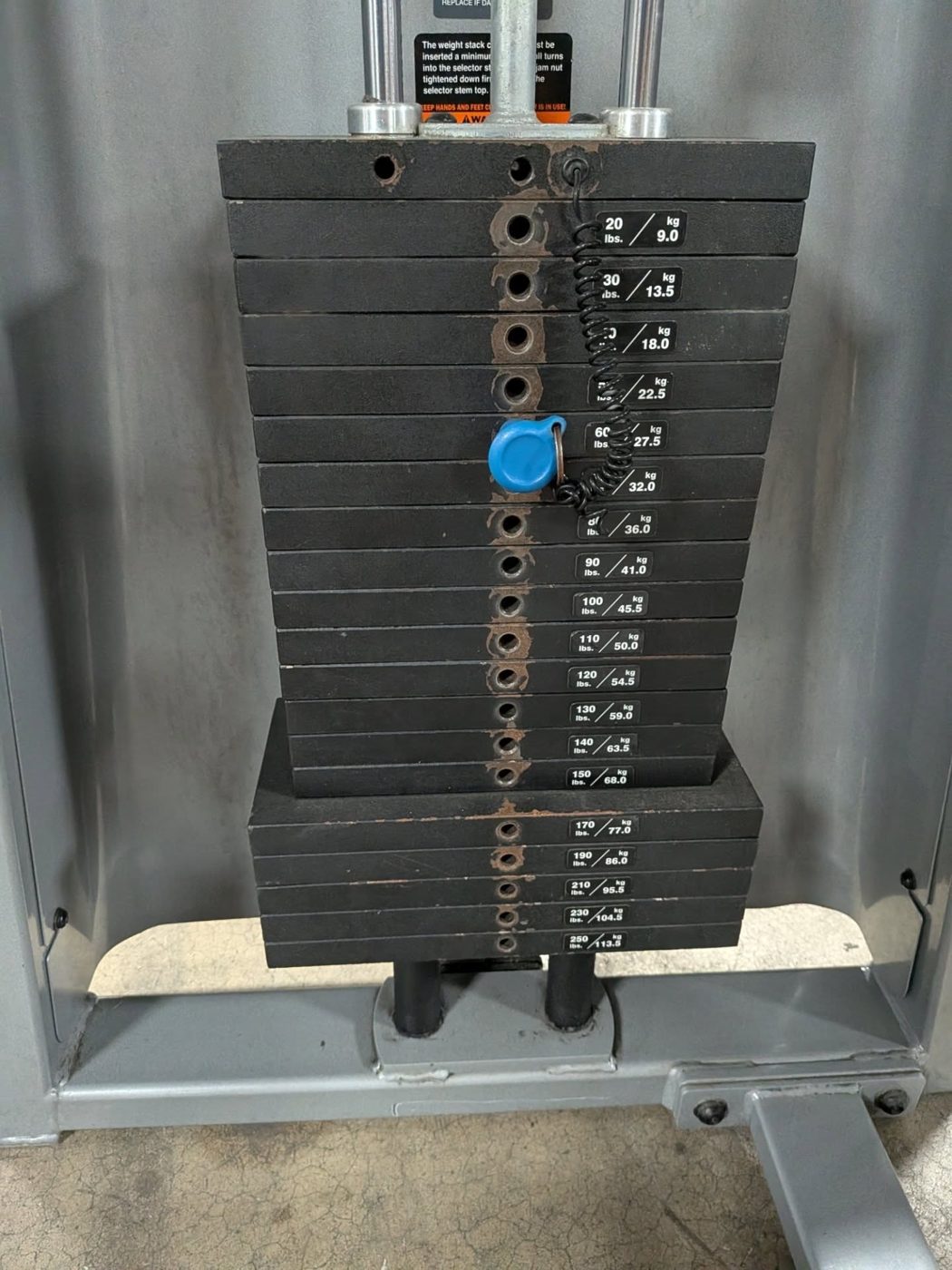
- Weight stack vs. plate-loaded resistance
- Cable, pulley and upholstery condition if buying used
11. Fitting Shoulder Work Into a Full Routine
Shoulder machines rarely stand alone in a routine — they typically follow chest and precede or pair with tricep work, since all three share the pressing movement pattern. Structuring a session with the shoulder press after chest work, then finishing with lateral raise and rear delt isolation, is a common and efficient sequence for a machine-based upper-body day.
Read: Chest, Shoulder & Arm Machine WorkoutFinal Thoughts
A shoulder press, lateral raise and rear delt machine each cover a different part of the shoulder, and a well-rounded shoulder routine usually draws on more than one. Prioritize a controlled range of motion over how much weight the machine can hold.
Frequently Asked Questions
- What muscles do shoulder machines work?
- Shoulder press machines target the front and side shoulders with triceps assisting; lateral raise machines isolate the side shoulder; rear delt machines target the back of the shoulder and upper back.
- Are shoulder machines safer than free weights for shoulders?
- Generally, yes — the fixed movement path reduces the chance of drifting into an unstable position, which matters for a joint as mobile and injury-prone as the shoulder.
- What's the difference between a shoulder press machine and a lateral raise machine?
- A shoulder press is a pressing (overhead) movement working the front and side shoulders plus triceps. A lateral raise isolates the side shoulder with an out-to-the-side lifting motion.
- Do I need a dedicated shoulder machine, or can a functional trainer cover it?
- A cable-based functional trainer can cover most shoulder exercises in less space, making it a practical substitute for a dedicated machine in a smaller home gym.
- Why do I need more than one shoulder machine?
- The shoulder has three distinct heads — front, side and rear — and no single machine trains all three equally. A press, lateral raise and rear delt machine together cover the whole muscle.
- What's the most common mistake on a lateral raise machine?
- Using too much weight, which turns the movement into a shrug and shifts the work onto the trapezius instead of the side shoulder the exercise is meant to isolate.
- Can shoulder machines help with posture?
- Yes — a rear delt or reverse fly machine strengthens the muscles that pull the shoulders back, which can help counter the rounded, forward-shoulder posture common after long hours of sitting.
- Should I use shoulder machines if I have a shoulder injury history?
- Many people with joint sensitivity do better starting with machines that offer a shorter, more controlled range of motion than full free-weight pressing, adjusting as strength and joint tolerance improve.
- Do I need to adjust the seat separately on each shoulder machine?
- Yes — a shoulder press, lateral raise and rear delt machine each position the body differently, so seat height and handle position need separate attention on each rather than one setting transferring across all three.
- Can shoulder training help with posture from sitting at a desk?
- Yes — a rear delt or reverse fly machine strengthens the muscles that pull the shoulders back, which can help counter the rounded, forward-shoulder posture that comes from long hours of sitting.
- How many shoulder machines does a well-rounded routine actually need?
- Three is typical — a shoulder press for the front and side delts, a lateral raise for the side delt specifically, and a rear delt machine — since no single machine trains all three heads of the shoulder equally.
- Can a functional trainer replace all three shoulder machines?
- Largely, yes — a cable-based functional trainer can perform press, lateral raise and rear delt movements through different attachments and angles, making it a space-efficient substitute for three separate machines.
- How much weight should I use on a shoulder machine as a beginner?
- Start lighter than feels challenging and prioritize controlling the full range of motion — the shoulder tolerates poor form less forgivingly than larger joints, so building technique first pays off over time.
Shop Related Equipment
Ready to Shop Shoulder Machines?
Browse shoulder press, lateral raise and other strength machines from verified sellers.