
Best Vertical Climber Machines
Vertical climbers deliver a full-body, low-impact workout in a small footprint. Here's what to know.
Climbers and Stair Machines
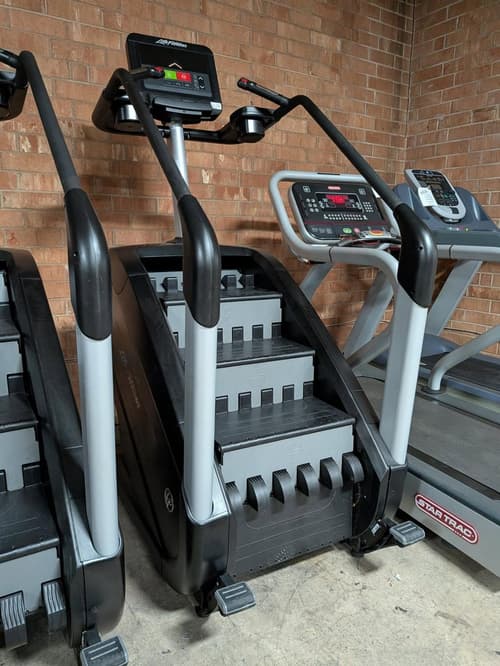
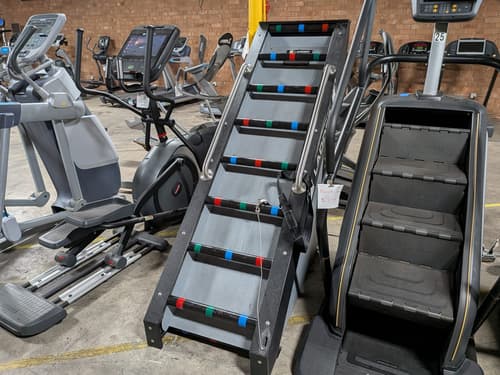
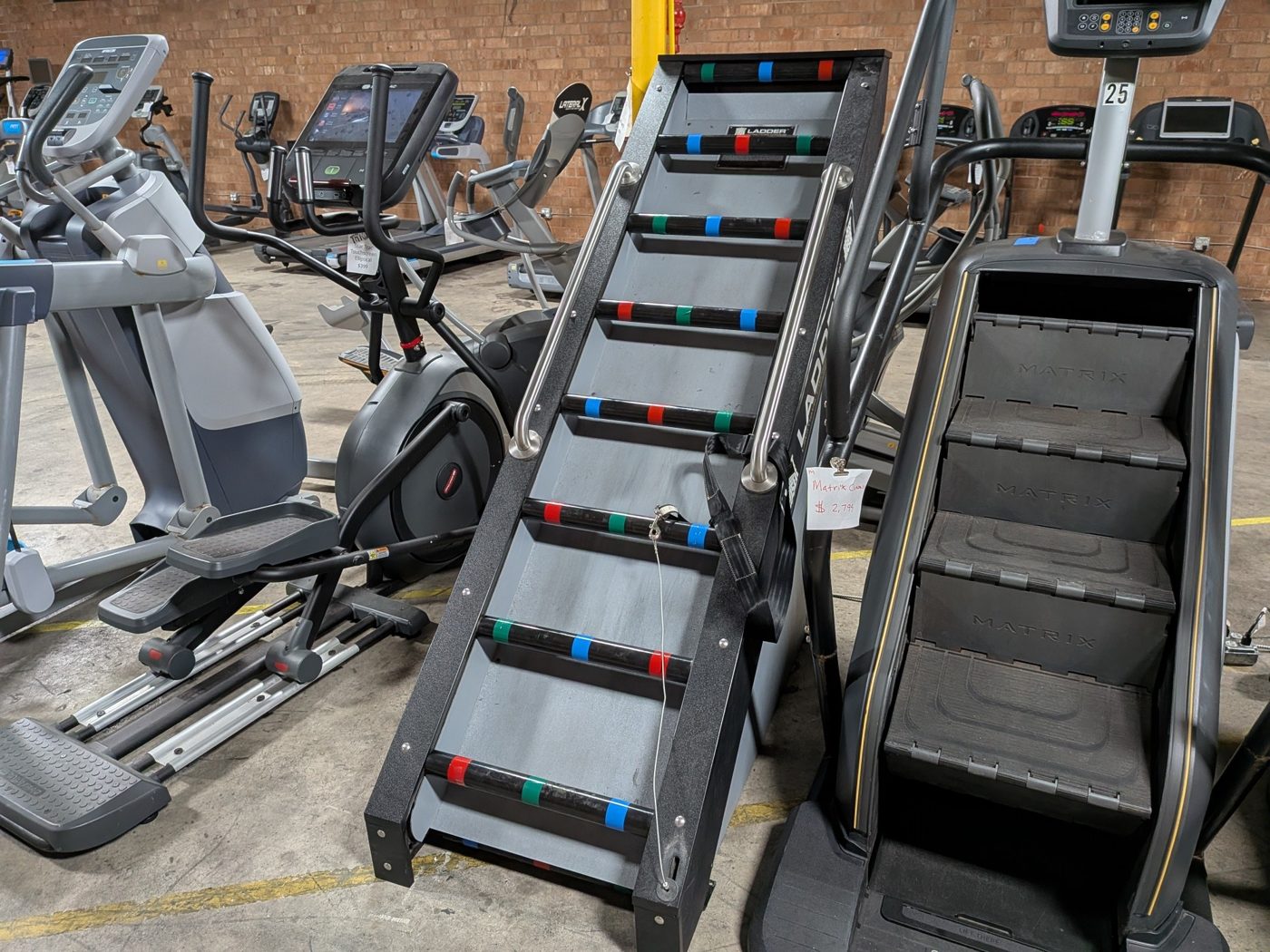
Jacobs Ladder
Used The Biggest Loser Ladder ( Jacobs Ladder )
Condition: Very Good
$2,500
Los Angeles, California
1. How Vertical Climbers Work
A vertical climber mimics climbing a ladder: hands and feet move on linked rails as you pull and push. It works legs, glutes, back, shoulders and arms together with no impact.
2. Home vs Commercial Climbers
| Type | Resistance | Price | Best For |
|---|---|---|---|
| Folding home climber | Hydraulic or bodyweight | $150 - $500 | Small spaces, beginners |
| Premium home climber | Hydraulic with adjustments | $400 - $1,000 | Regular home use |
| Commercial ladder climber | Motorized or self-powered | $3,000+ | Gyms, high intensity |
3. What to Look For
- Sturdy frame and weight capacity
- Adjustable height and stroke length
- Non-slip pedals and comfortable handles
- Folding design for storage
- Basic monitor for time and steps
4. Vertical Climber Benefits
Vertical climbers engage the legs, glutes, core, back, shoulders and arms in a coordinated climbing motion. They burn calories efficiently, build muscular endurance and are low impact. Home models fold for storage, making them a good choice for small spaces.
5. Beginner Climber Workout
Start with 30 seconds of climbing and 30 seconds of rest for 10 minutes. Increase work time and total duration gradually. Keep a steady rhythm and use short strokes until you build strength.
6. Safety Tips
Check that pedals and handles are secure, keep a neutral spine and avoid locking your joints.
7. Vertical Climber vs Treadmill
A treadmill mainly works the legs, while a vertical climber works the upper and lower body together. Climbers are low impact and often more compact, but they're harder to use for long sessions. Treadmills are better for walking and running fitness; climbers are better for short, intense full-body workouts.
8. Who Should Buy a Vertical Climber
Vertical climbers suit people with limited space, those who want full-body cardio and anyone looking for low-impact conditioning. Beginners should start slowly, as the full-body demand can feel intense.
9. Vertical Climber Workouts
Try 10 rounds of 30 seconds hard climbing and 30 seconds rest, or a steady 15-minute climb at moderate pace. Mix short, fast strokes with long, slow strokes to vary the challenge. Increase total time by a few minutes each week.
10. Our Recommendation
Choose a home climber with a sturdy frame, adjustable height and folding storage.
11. Common Mistakes
Using only your arms, locking your knees and rushing short, choppy strokes reduce the benefit of a vertical climber. Engage your legs and core, keep a steady rhythm and use a full range of motion. Start with shorter sessions to build up endurance, as the full-body demand can feel intense at first.
Keep your posture upright and avoid leaning heavily on the handles.
12. Final Tip
Place the climber on a mat and check the ceiling clearance at the top of each stroke.
Final Thoughts
A vertical climber is a compact, full-body cardio machine. Home models are affordable and fold away; commercial ladder climbers deliver brutal intensity. Choose based on space, budget and how hard you want to train.
Frequently Asked Questions
- Are vertical climbers good for weight loss?
- They burn calories efficiently with low impact, supporting weight loss.
- Vertical climber vs stair climber?
- Climbers add upper body work; stair climbers focus on legs.
Shop Related Equipment
Climb Your Way Fit
Shop climbers and stair machines.