Home Gym Equipment for Sale: How to Build Your Ideal Home Gym on a Budget
A practical shopping plan for home gym equipment — how much space and budget you actually need, which equipment earns its place first, and whether a complete package or building piece by piece makes more sense for you.
Home Gym Equipment for Sale
1. Start With Your Space, Not the Equipment
The single biggest home gym mistake is buying equipment before measuring the room. A power rack needs real ceiling height for overhead lifts and pull-ups; a folding treadmill needs less floor space than a multi-gym but more length when in use. Measure the space first, equipment second.
2. Home Gym Setups by Space Size
How much equipment makes sense depends heavily on the room, and it's worth being realistic about that before shopping. A single-car garage or small spare room supports a focused setup — a rack or multi-gym, a bench, adjustable dumbbells and one cardio piece is often the practical ceiling before the room feels cramped to actually train in. A two-car garage or larger basement opens room for a dedicated cardio zone alongside strength equipment, plus space to move around machines safely. A finished basement or bonus room with good ceiling height is where a genuine multi-station setup — rack, cable functional trainer, multiple cardio pieces — starts to make sense.
| Space | Realistic Equipment Mix |
|---|---|
| Small (spare room, 1-car garage) | Rack or multi-gym, bench, adjustable dumbbells, one cardio piece |
| Medium (2-car garage, larger basement) | Above, plus a dedicated cardio zone and floor space to move |
| Large (finished basement, bonus room) | Rack, cable functional trainer, multiple cardio machines, flooring throughout |
3. Budgeting for a Home Gym
Few people furnish a full home gym in one purchase, and you don't need to. Buying in phases — core strength equipment first, cardio and accessories later — spreads the cost and lets you learn what you'll actually use before spending on the rest. Mixing in used equipment for the pricier items is where most of the savings come from.
Compare New vs. Used Pricing4. The Core Equipment Most Home Gyms Need
- An adjustable bench — supports the widest range of exercises per square foot
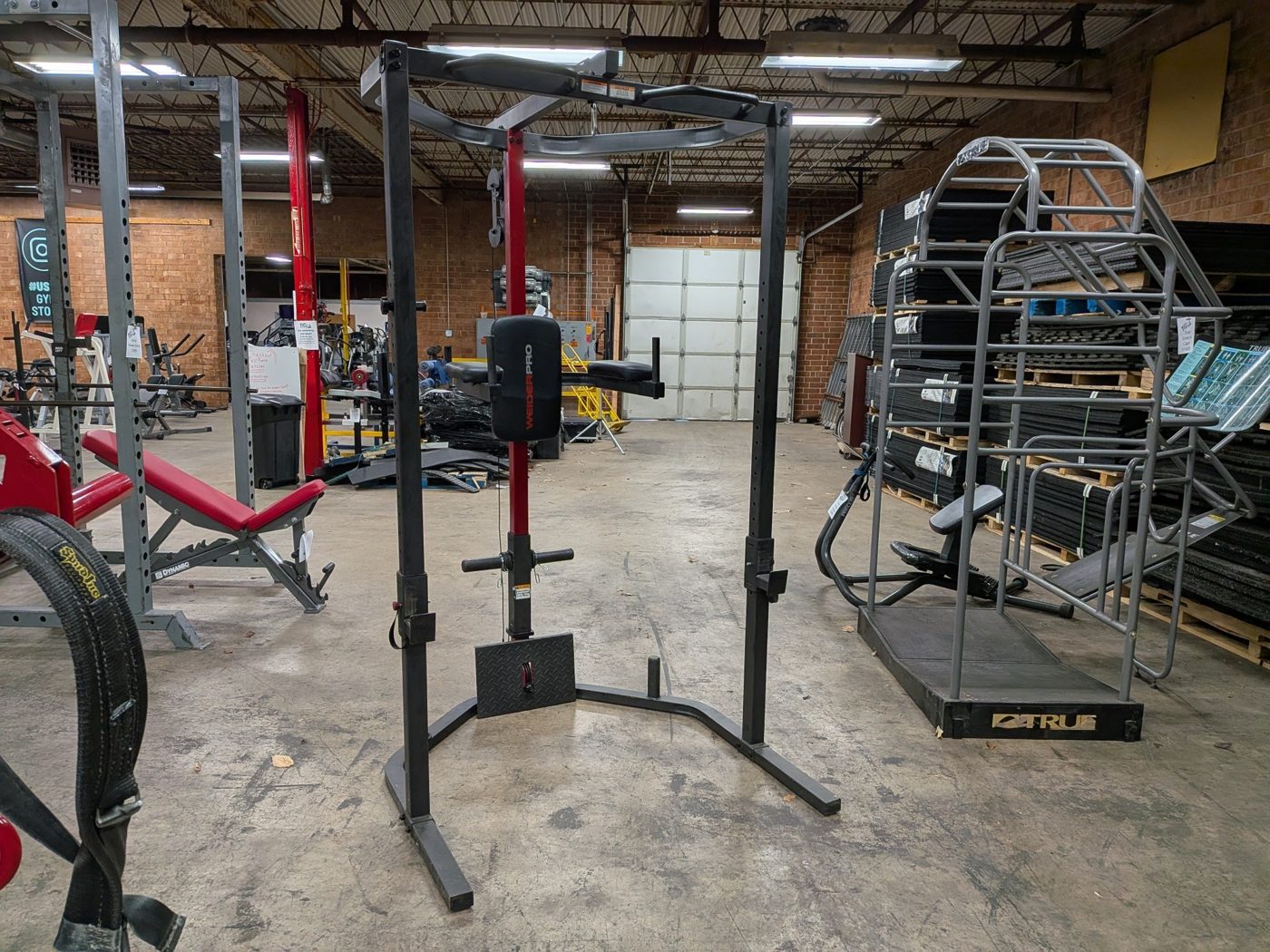
- A power rack or multi-gym — the anchor piece for strength training
- Adjustable dumbbells — replace an entire rack of fixed weights in one footprint
- One cardio piece — a treadmill, bike or rower depending on preference
- Flooring — protects the subfloor and reduces noise and vibration
5. Complete Home Gym Packages vs. Building Piece by Piece
There are two practical ways to put together a home gym set: buy a single all-in-one machine that covers most strength movements on one frame, or build a setup piece by piece with a rack, bench and separate free weights. An all-in-one machine is the faster route to a complete home gym system in a small footprint, while building piece by piece usually costs less over time and lets you upgrade individual pieces later without replacing the whole setup.
Read: Best All-in-One Home Gym Machines6. Flooring, Mirrors & the Accessories People Forget to Budget For
Equipment gets most of the attention, but the accessories around it are what make a home gym pleasant — and safe — to actually use. Rubber flooring protects the subfloor from dropped weights and dumbbells, cuts down on noise transmitted to the rest of the house or the floor below, and gives machines a stable, level surface to sit on instead of carpet or bare concrete.
Mirrors help with form on barbell lifts, a wall-mounted rack for smaller accessories keeps bands, straps and chalk from cluttering the floor, and a simple ventilation plan matters more in a converted garage or basement than most first-time buyers expect.
- Rubber flooring — protects the subfloor and reduces noise
- Mirrors — helps check form on squats, deadlifts and presses
- Wall storage — keeps bands, straps and small accessories off the floor
- Ventilation — garages and basements need airflow more than finished rooms
7. Compact & Multi-Use Options for Small Spaces
Garages, basements and spare rooms rarely offer commercial-gym floor space, which is where multi-gyms, folding treadmills and compact racks earn their keep — they cover the same movement patterns as larger equipment in a fraction of the footprint.
8. New vs. Used for Home Gyms
Home gym equipment sees far less use than a commercial floor, so a used piece in good condition is often a low-risk buy — just confirm moving parts, cables and upholstery are in good shape before purchase.
9. Common Home Gym Equipment Mistakes to Avoid
Most regrets come from a handful of repeatable mistakes rather than bad luck. Buying the biggest rack that fits the room, rather than the one that fits the ceiling height for overhead work, is one of the most common — a rack that's too tall for pull-ups or overhead presses is a rack you'll work around for years. Skipping flooring is another: a subfloor that cracks or a downstairs neighbor's complaint costs more to fix than flooring would have cost to buy up front.
The other frequent mistake is buying every category of equipment at once instead of starting with what actually gets used. It's far easier — and cheaper — to add a second cardio machine or a specialty accessory later than to sell off equipment that never got used in the first place.
- Buying a rack that doesn't clear your ceiling height for overhead lifts
- Skipping flooring to save money, then damaging the subfloor
- Buying every category of equipment at once instead of starting with the basics
10. Power, Lighting and Other Setup Details People Forget
Beyond the equipment itself, a few practical details make a real difference to how usable a home gym ends up being. A dedicated outlet or two near a cardio machine's location avoids running extension cords across a floor where you're also lifting weights. Bright, even lighting matters more than most people expect once the sun goes down and a garage or basement loses its only natural light source. None of this needs to be finished before the first piece of equipment arrives, but it's worth planning for before flooring goes down, since running power or fixing lighting afterward means moving equipment you've already set up.
11. Matching Equipment to Your Training Goal
The "core equipment" list above covers most home gyms, but the priority order shifts depending on what you're training for. Someone focused on building muscle and strength should weight their budget toward a rack, bench and free weights first; someone training primarily for weight loss gets more day-to-day value from a cardio machine and a set of adjustable dumbbells for circuit-style work.
Read: Best Home Gym Equipment for Muscle & Strength12. Where to Buy Home Gym Equipment
Once you know what you need, where you buy it — online, from a local seller, or used — affects both price and how quickly you can get set up.
Read: Where to Buy Gym EquipmentFinal Thoughts
The best home gym equipment is the equipment that actually fits your space, budget and goals — not the longest list of machines. Start with the core pieces, buy used where it makes sense, and build out from there.
Frequently Asked Questions
- How much space do I need for a home gym?
- It varies by equipment, but a rack setup needs meaningful ceiling clearance for overhead lifts, while a multi-gym or folding treadmill can fit a much smaller footprint.
- Should I buy new or used equipment for my home gym?
- Either can work well. Home equipment sees lighter use than commercial gear, so used pieces in good condition are often a safe, budget-friendly choice.
- What's the one piece of equipment I should buy first?
- An adjustable bench paired with a power rack or multi-gym typically gets the most use for the space it takes up, making it a strong first purchase.
- Can I build a home gym in phases?
- Yes — most home gyms are built over time. Start with the core strength piece, then add cardio, accessories and flooring as budget allows.
- Do I need special flooring for a home gym?
- It's strongly recommended anywhere you're using free weights or heavier machines — rubber flooring protects the subfloor from drops, reduces noise and gives equipment a stable, level surface to sit on.
- How much equipment fits in a single-car garage?
- Realistically a rack or multi-gym, an adjustable bench, a set of adjustable dumbbells and one cardio piece — trying to fit much more usually leaves too little floor space to train comfortably.
- Does the best equipment mix change based on my fitness goal?
- Yes — a muscle- and strength-focused home gym prioritizes a rack, bench and free weights, while a weight-loss-focused setup gets more use from a cardio machine and dumbbells for circuit training.
- Do I need to run electrical or lighting work before setting up a home gym?
- Not always, but a dedicated outlet near a cardio machine and bright, even lighting are worth planning before flooring goes down — running power or fixing lighting afterward usually means moving equipment you've already set up.
- What's the most common regret after building a home gym?
- Buying a rack that doesn't clear the room's ceiling height for overhead work, and skipping flooring early on only to damage the subfloor — both are cheaper to plan around up front than to fix afterward.
- Should I buy a complete home gym package or build my own setup?
- A complete package or all-in-one machine gets you training faster in a smaller footprint. Building piece by piece — rack, bench, free weights — usually costs less over time and lets you upgrade individual pieces later.
- What should a complete home gym set include?
- At minimum: an adjustable bench, a power rack or multi-gym, a set of adjustable dumbbells, one cardio machine and flooring — that combination covers most training goals in a compact footprint.
- Is a multi-gym a good substitute for a full set of separate equipment?
- For most home users, yes — a multi-gym covers a wide range of strength movements on one frame, making it a practical single-machine alternative to buying a rack, cable station and separate machines individually.
Shop Related Equipment
Ready to Build Your Home Gym?
Browse our selection of new and used home gym equipment today.