Chest Machines at the Gym: Types, Benefits & How to Choose the Right One
Chest press, pec deck, incline press and cable crossover — here's what each chest machine actually does, and how to choose the right one.
Chest Machines for Sale
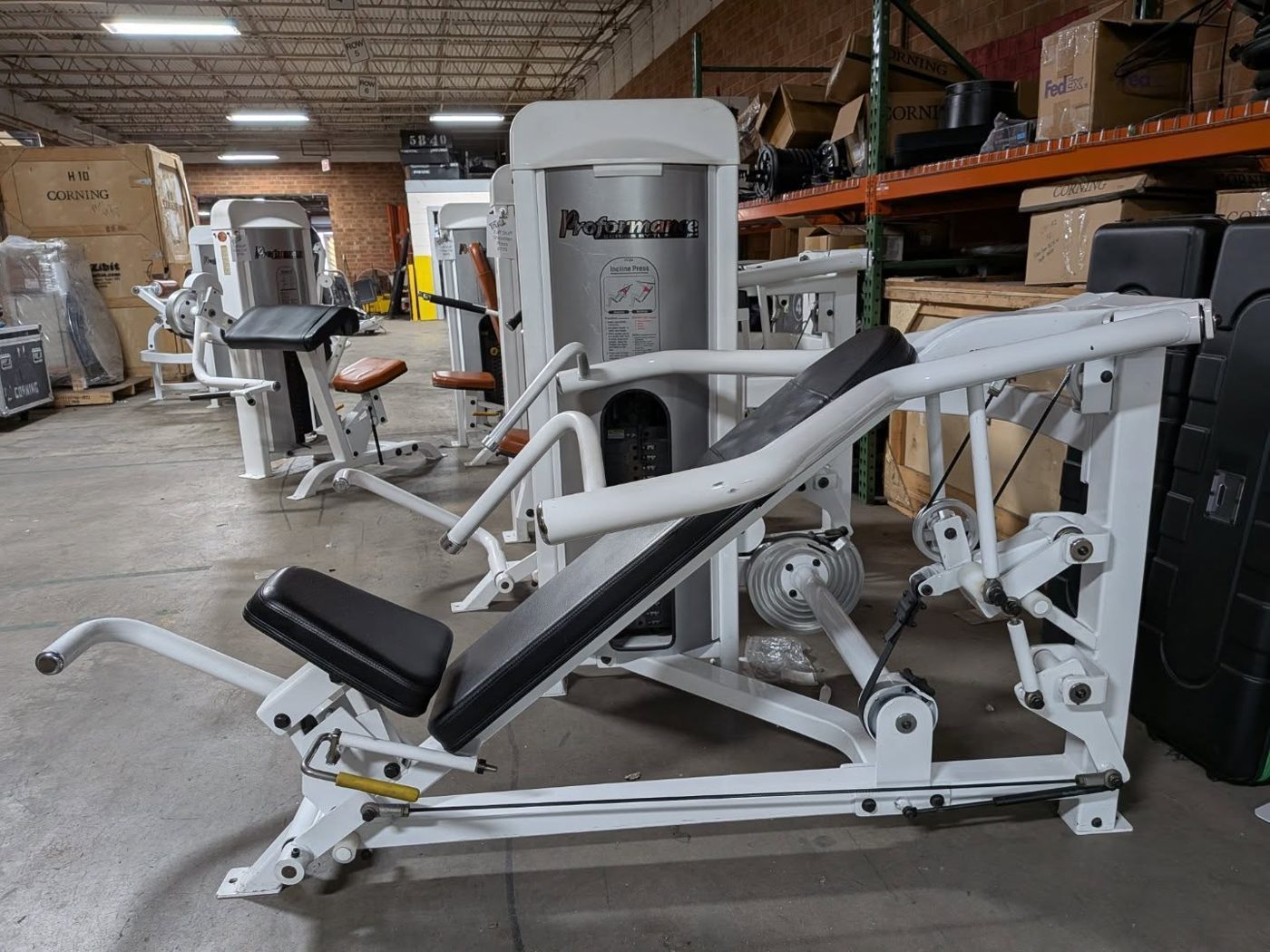
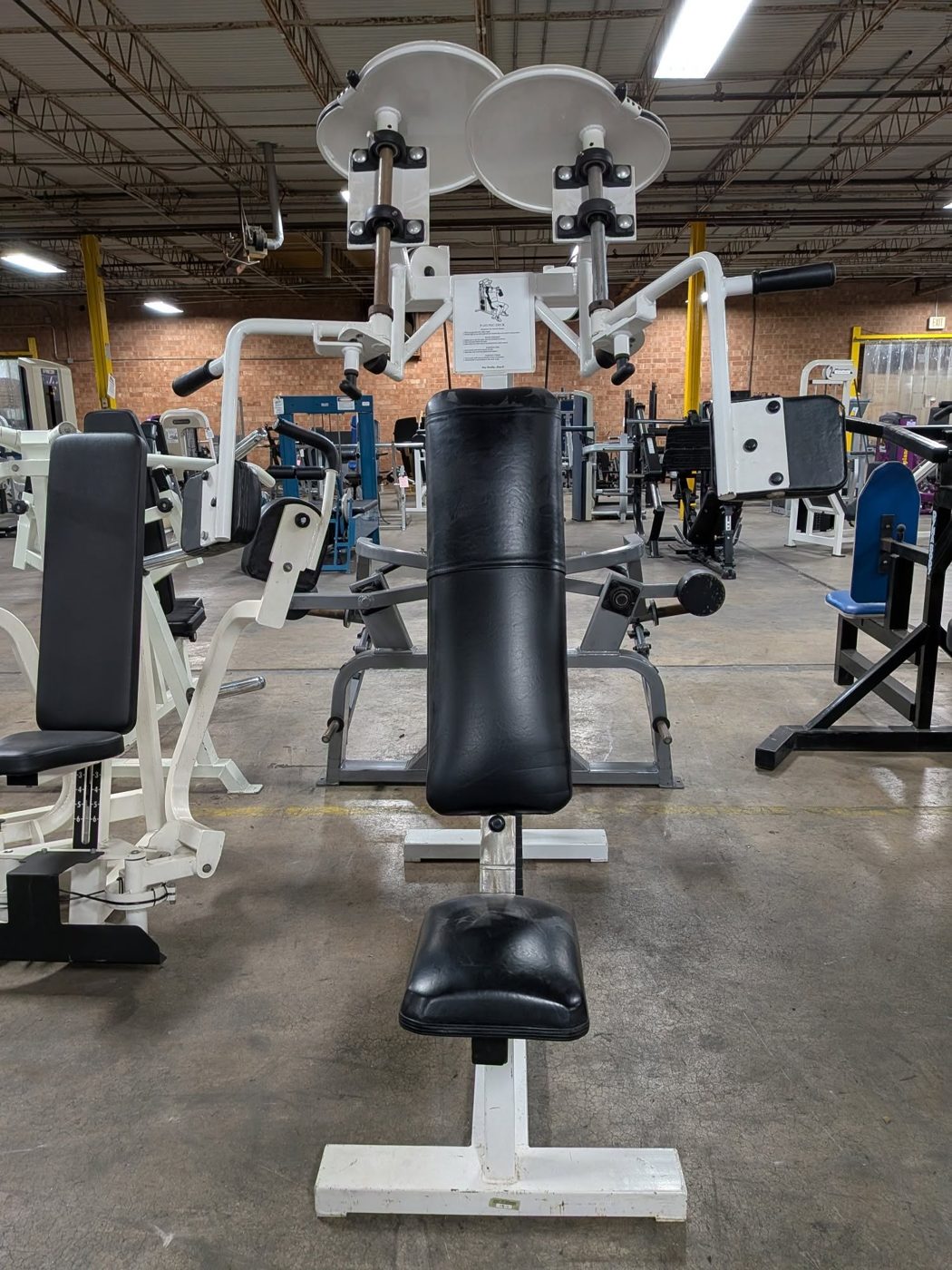
ProMaxima
ProMaxima Pec Deck (White Black Pad)
Condition: Very Good
$575
Los Angeles, California
View Details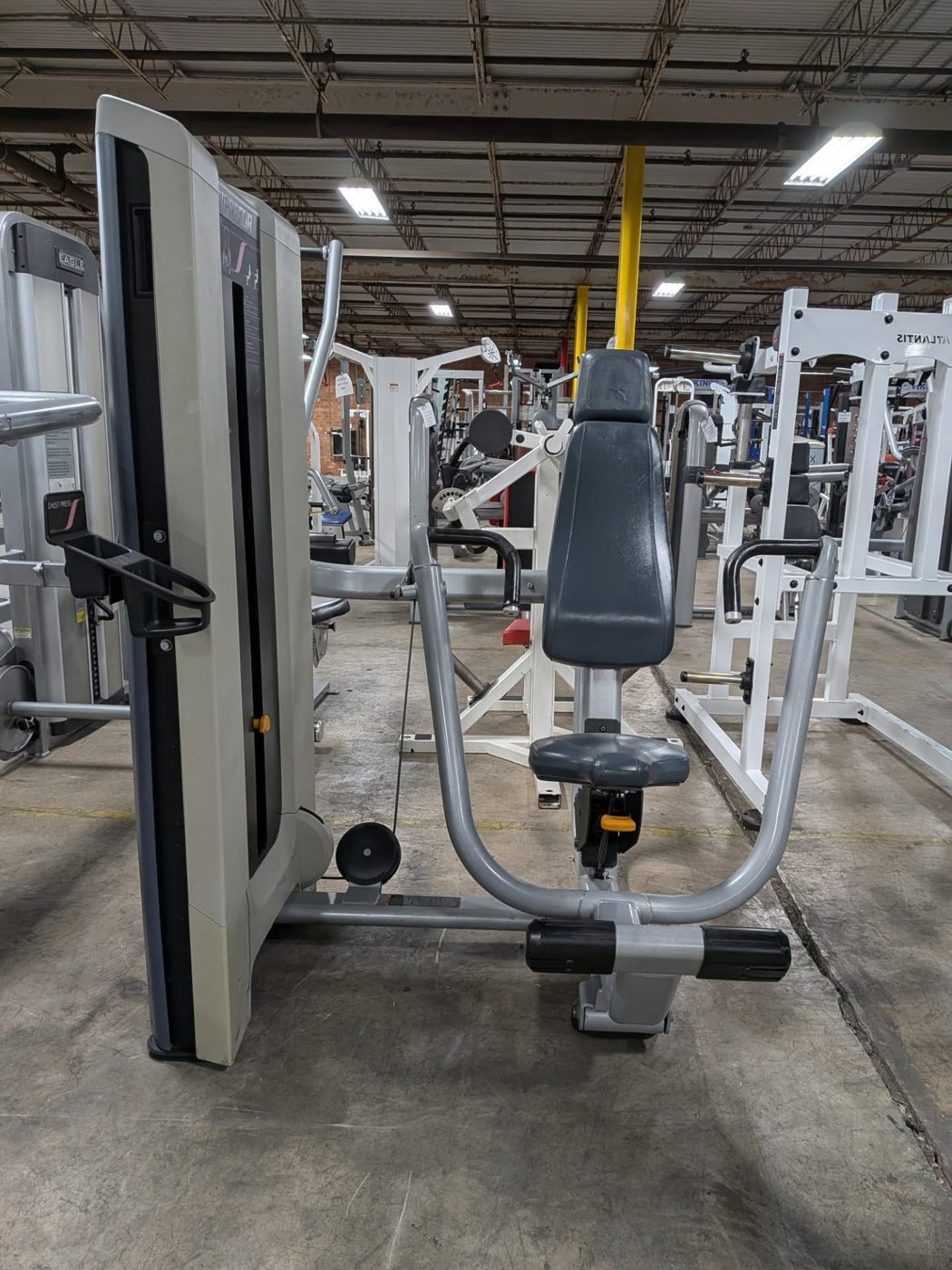
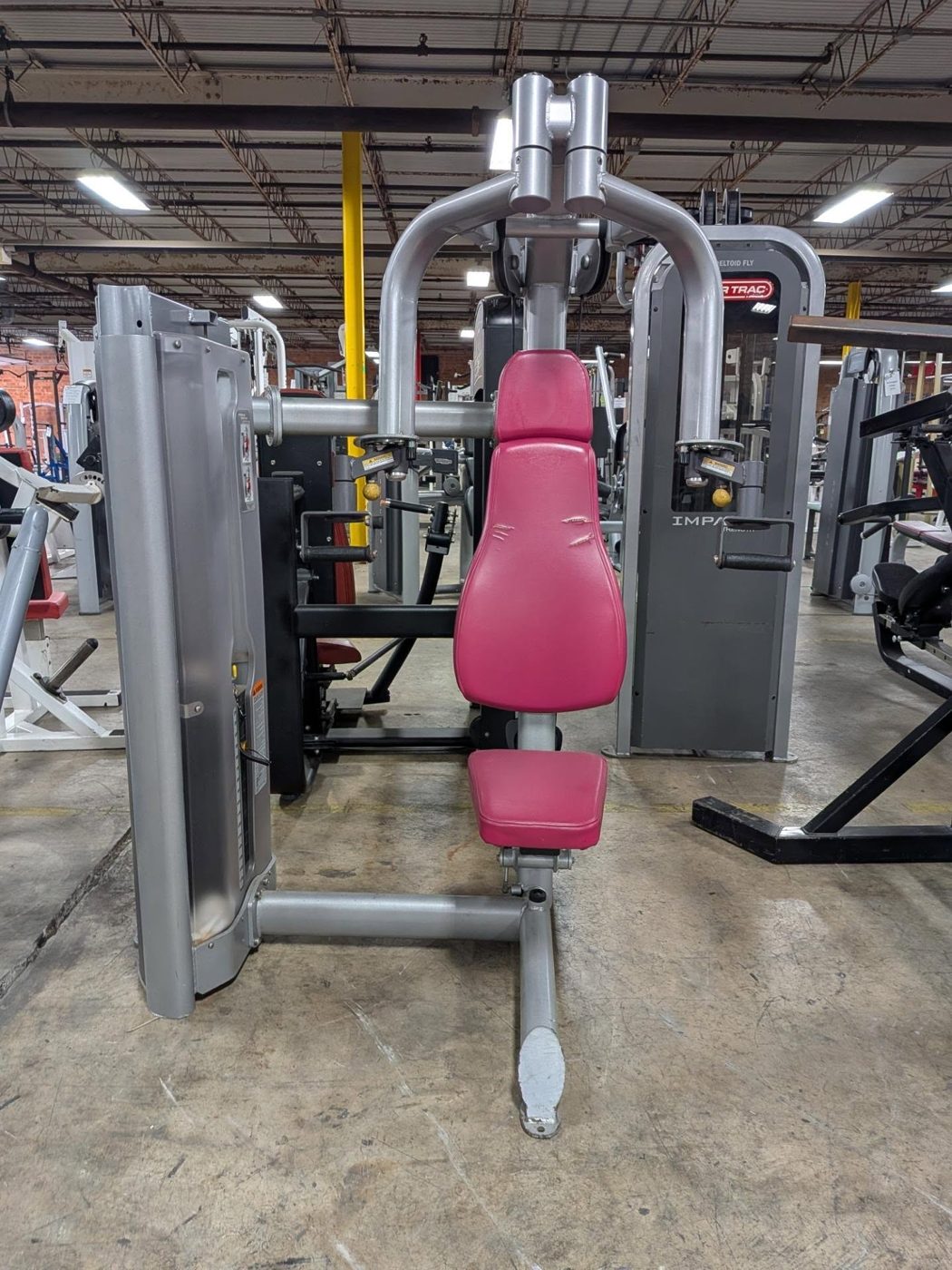
1. The Main Types of Chest Machines
| Machine | Movement | What It Targets |
|---|---|---|
| Chest Press Machine | Seated, pressing forward | Chest, front shoulders, triceps |
| Incline Chest Press | Seated, pressing at an upward angle | Upper chest emphasis, front shoulders |
| Pec Deck / Chest Fly Machine | Arms sweep from out to in | Chest, isolated with minimal shoulder and triceps involvement |
| Cable Crossover | Cables pulled from high or low anchor points | Chest through a longer, adjustable range of motion |
2. Are Chest Machines Effective?
Yes — chest machines build real strength and muscle by loading the chest through a controlled, repeatable range of motion, which is exactly why they're a gym staple rather than a beginner-only option.
One thing no machine can do is spot-reduce fat from the chest specifically — fat loss happens across the whole body based on overall calorie balance, not from targeting one muscle. A chest machine builds and strengthens the muscle underneath; it won't selectively burn fat over it.
3. Upper, Middle and Lower Chest: Do Machines Target Each Area?
The chest is one muscle, but the angle of a press changes which fibers do the most work. An incline chest press shifts emphasis toward the upper chest and front shoulders, a flat press works the middle chest most evenly, and a decline-angled movement — less common on machines but present on some multi-angle presses — emphasizes the lower chest. Rotating between a couple of angles over time, rather than only ever using one machine, gives more complete chest development than sticking to a single angle indefinitely.
4. Machines vs. Free Weights for Chest Training
Machines guide the movement path for you, which makes them a lower-skill, lower-injury-risk way to train chest — especially useful for beginners or anyone training without a spotter. Free weights recruit more stabilizer muscles and allow a more natural range of motion, which is why many lifters use both rather than choosing one exclusively.
Read: Strength Training & Weightlifting Equipment for Sale5. Chest Machines for Home vs. Commercial Gyms
Commercial chest machines are built with heavier frames for continuous multi-user traffic, while home-grade units are sized and priced for lighter personal use — the same distinction that applies across strength equipment generally. A cable crossover or compact chest press tends to suit home gyms better than a full plate-loaded chest press built for a commercial floor.
6. Common Form Mistakes on Chest Machines
A few habits quietly reduce how much a chest machine actually trains the chest. Flaring the elbows too wide on a press shifts strain toward the front shoulders instead of the chest. Using momentum to swing through a pec deck's fly motion, rather than controlling the movement, cuts the time the chest spends under tension — which is a large part of what drives muscle growth. Setting the seat too low or too high misaligns the handles with the chest, changing which part of the muscle does the work.
- Flaring elbows too wide on a chest press, shifting strain to the shoulders
- Using momentum on a pec deck instead of a controlled fly motion
- Setting the seat height wrong, misaligning the handles with the chest
7. Grip Width and Hand Position on a Chest Press
A wider grip on a chest press emphasizes the chest more directly, while a narrower grip shifts more work onto the triceps — similar to how grip width changes the emphasis on a barbell bench press. Most chest press machines offer at least one or two handle positions, and trying both over time gives a fuller picture of which feels most effective for your own proportions and goals.
8. How Often to Train Chest for Best Results
Like most muscle groups, the chest generally responds well to being trained roughly once or twice a week with adequate recovery in between, whether through a dedicated chest day or as part of a broader push-day session. Training the same muscle again before it's recovered from the last session tends to reduce performance rather than adding productive extra volume.
9. How Long Chest Machines Typically Last
Chest press and pec deck machines have a moderate number of moving parts — cables, pulleys, a weight stack or plate-loaded arm — that hold up well with basic maintenance but do need periodic attention compared to simpler equipment like a rack or barbell. Wiping down pads, checking cable tension, and keeping pivot points lubricated according to manufacturer guidance keeps these machines running smoothly over years of regular use.
10. Pullover Machines: A Chest and Lat Hybrid
A pullover machine moves the arms from overhead down to the sides in an arcing motion, training the chest and the latissimus dorsi (the large back muscle) together in one exercise — a genuine hybrid that doesn't fit neatly into either a chest or a back workout. It's a less common piece of equipment than a chest press or pec deck, but a worthwhile addition for anyone looking to round out a routine with a movement that overlaps chest and upper-back training.
11. What to Look for When Buying a Chest Machine
- Seat and back pad adjustability — the handles should line up with mid-chest at any seat height
- Weight stack vs. plate-loaded — weight stacks change resistance faster; plate-loaded machines allow heavier top-end loads
- Footprint — cable crossovers and pec decks generally need more width than a single chest press station
- Condition of cables, pulleys and upholstery if buying used
12. Building a Chest Routine Around These Machines
A well-rounded chest session typically leads with a compound press — a flat or incline chest press — while energy is highest, then finishes with an isolation movement like a pec deck or cable crossover to fully fatigue the muscle once pressing strength has dropped off. This order mirrors how most strength training is sequenced generally: bigger, more demanding movements first, isolation work last.
Read: Chest, Shoulder & Arm Machine WorkoutFinal Thoughts
There's no single best chest machine — a chest press, pec deck and cable crossover each train the muscle differently, and most well-equipped gyms include more than one. Choose based on the range of motion and adjustability you actually need.
Frequently Asked Questions
- What muscles do chest machines work?
- Primarily the pectoral (chest) muscles, with the front shoulders and triceps assisting on pressing movements. Fly and cable machines isolate the chest more directly.
- Are chest machines as good as bench press?
- They build strength and muscle effectively, though through a more guided path than a barbell bench press. Many lifters use both — free weights for raw strength, machines for controlled volume and safety training alone.
- Can chest machines reduce chest fat?
- No — no exercise spot-reduces fat from one area. A chest machine builds and strengthens the muscle; overall fat loss comes from total calorie balance, not targeted training.
- What's the difference between a chest press and a pec deck?
- A chest press mimics a pressing (pushing) motion and involves the shoulders and triceps. A pec deck isolates the chest with a fly (arms sweeping inward) motion and minimal assistance from other muscles.
- Do chest machines target the upper, middle or lower chest?
- It depends on the angle — incline presses emphasize the upper chest, flat presses work the middle chest most evenly, and rotating between angles over time gives more complete development than using only one machine.
- What form mistakes reduce a chest machine's effectiveness?
- Flaring the elbows too wide on a press, using momentum instead of a controlled motion on a pec deck, and setting the seat height so the handles don't align with the chest are the most common issues.
- Does grip width matter on a chest press machine?
- Yes — a wider grip emphasizes the chest more directly, while a narrower grip shifts more work onto the triceps, similar to how grip width affects a barbell bench press.
- How often should I train chest for the best results?
- Roughly once or twice a week with adequate recovery in between is a common approach, whether through a dedicated chest day or as part of a broader push-day session.
- How much maintenance do chest machines need?
- A moderate amount compared to simpler equipment — wiping down pads, checking cable tension and keeping pivot points lubricated according to manufacturer guidance keeps these machines running smoothly for years.
- Can beginners use chest machines safely without a spotter?
- Yes — that's one of a machine's main advantages over a barbell bench press. The guided, fixed path removes much of the injury risk that comes with free-weight pressing alone.
- Can I build a complete chest with just one machine?
- It's possible but limited — a single chest press mainly trains the middle chest through one angle, while combining it with an incline press or pec deck develops the muscle more completely.
- Is a cable crossover worth adding alongside a chest press?
- Yes, for most routines — it trains the chest through a longer, adjustable range of motion than a fixed press station, adding variety a chest press alone doesn't provide.
Shop Related Equipment
Ready to Shop Chest Machines?
Browse chest press, pec deck and other strength machines from verified sellers.