
Bumper Plates vs Iron Plates: Which Should You Buy?
Bumpers protect your floor and let you drop the bar; cast iron is cheaper and thinner. Here's how to choose.
Weight Plates for Sale
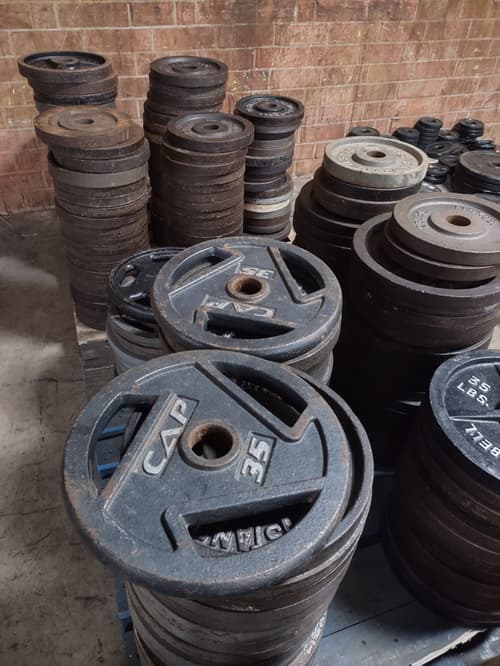
1. The Core Difference
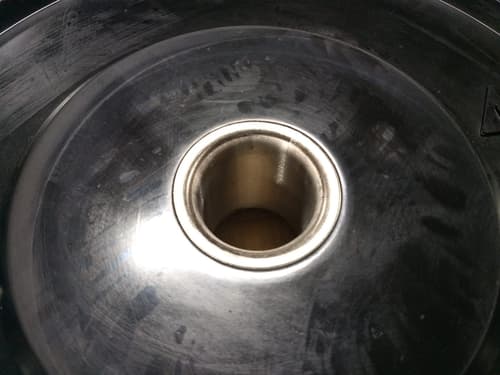
Bumper plates are made of dense rubber or urethane and share the same 450 mm diameter at every weight, so a dropped bar lands on rubber. Cast iron plates are thinner, cheaper and get smaller as they get lighter, but they're not designed to be dropped.
2. Bumper Plates vs Iron Plates Compared
| Factor | Bumper Plates | Cast Iron Plates |
|---|---|---|
| Price per lb | $1.50 - $3+ | $1 - $2 |
| Droppable | Yes, onto a platform or mats | No |
| Thickness | Thick; less weight fits on the bar | Thin; easy to load 500+ lb |
| Noise | Quieter | Loud clanks |
| Floor protection | Excellent | Needs good flooring |
| Best for | Olympic lifts, deadlifts, garages | Powerlifting, heavy bench and squat |
3. Which Should You Buy?
- Buy bumpers if you do cleans, snatches or CrossFit-style training
- Buy bumpers if you lift in an upstairs room or want a quieter gym
- Buy iron if you mostly squat, bench and deadlift heavy
- Buy iron if budget is tight and you have solid flooring
- Many lifters combine both: a base set of bumpers plus iron plates for heavy lifts
4. Combining Bumpers and Iron
A common home gym setup is a base set of bumpers for deadlifts and Olympic lifts plus iron plates for heavy squats and bench presses. The bumpers protect the floor when you drop the bar, while the thinner iron plates let you load more weight onto the sleeves. This combination keeps costs down while covering every type of training.
5. Noise and Space Considerations
Bumper plates are noticeably quieter, which matters in garages close to bedrooms or neighbors. They are thicker, so you'll fit less weight on each sleeve, which can limit heavy deadlifts for very strong lifters. Iron plates are compact and stack neatly on a plate tree but clang loudly. Consider your space, household and training style before deciding.
6. Price Over Time
Iron plates are cheaper upfront and nearly indestructible. Bumpers cost more but protect your floors and bar, which can save money on repairs.
7. Our Recommendation
For a garage gym where you'll deadlift, clean or train in a shared home, start with bumper plates. For a basement or rack-focused powerlifting setup on good flooring, iron plates give you more weight for your money. Many lifters eventually own both, using bumpers for the floor lifts and iron plates to load up heavy squats and bench presses.
8. Frequently Overlooked Factor: Your Barbell
Dropping a loaded bar on iron plates sends shock through the barbell sleeves and shaft. Bumpers absorb much of that impact, which protects your bar and extends its life, especially if you drop deadlifts or Olympic lifts regularly.
Final Thoughts
Choose bumper plates for dropping, Olympic lifting and quieter training, and cast iron plates for budget-friendly heavy powerlifting. A combination of both gives you the best of each and is the setup many home gyms grow into.
Frequently Asked Questions
- Can you deadlift with iron plates?
- Yes. Lower the bar under control and lift on rubber flooring to protect the floor.
- Why are bumper plates so thick?
- They're made of rubber, which is less dense than iron, so they need more material to reach the same weight.
Shop Related Equipment
Load Up Your Bar
Shop bumper and iron plates, new and used.