
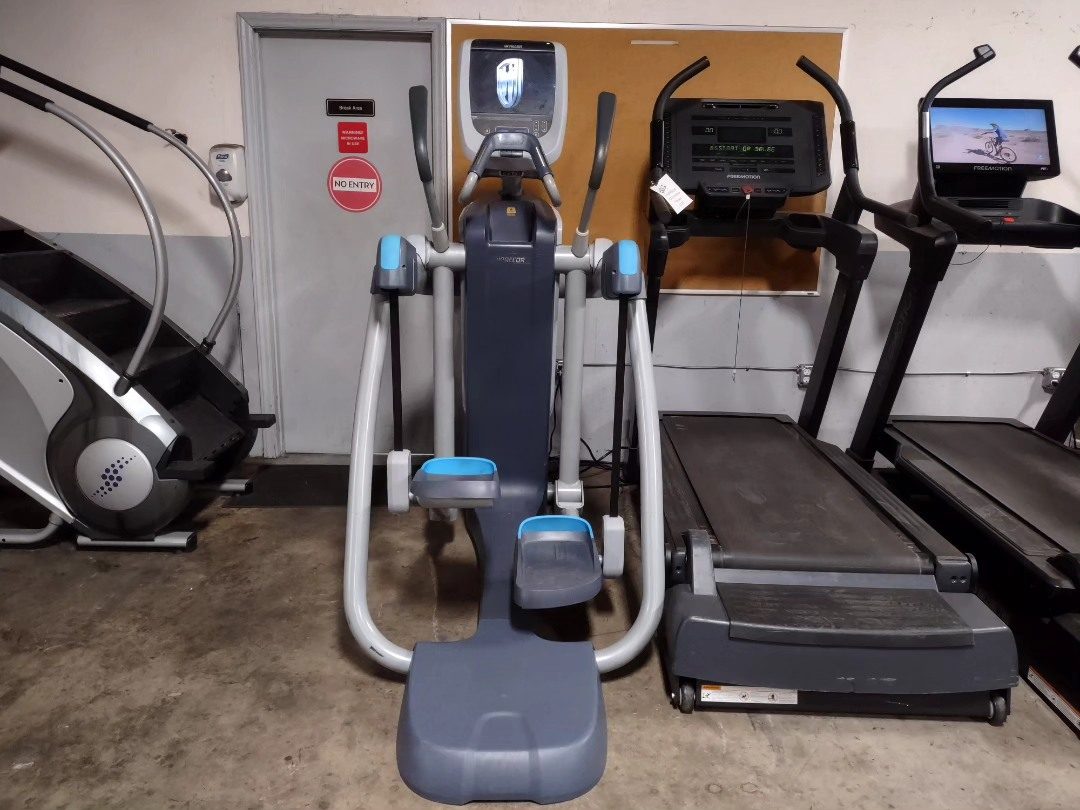
Commercial Elliptical Machines for Sale: Commercial Elliptical Cross Trainer Buying Guide
What separates a commercial elliptical from a home model, which brands lead the market, and how to get commercial quality for less.
Commercial Ellipticals for Sale
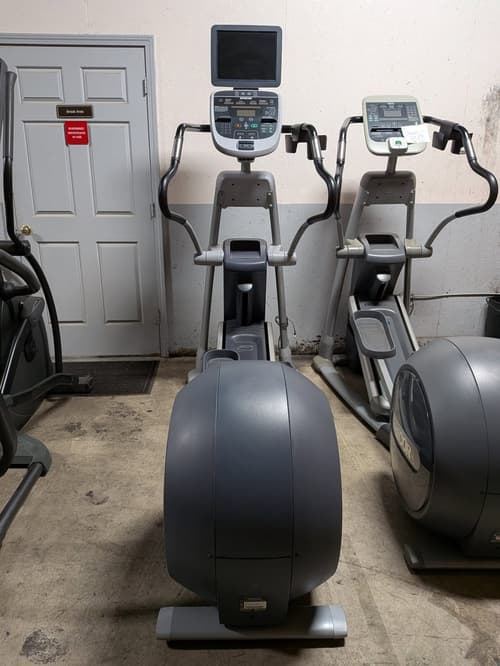
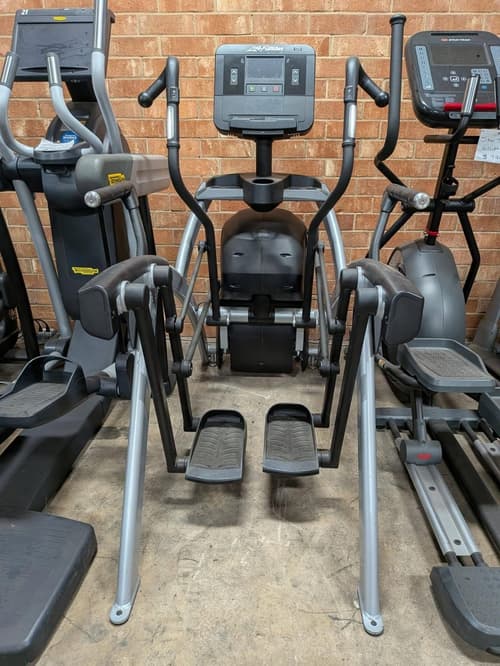
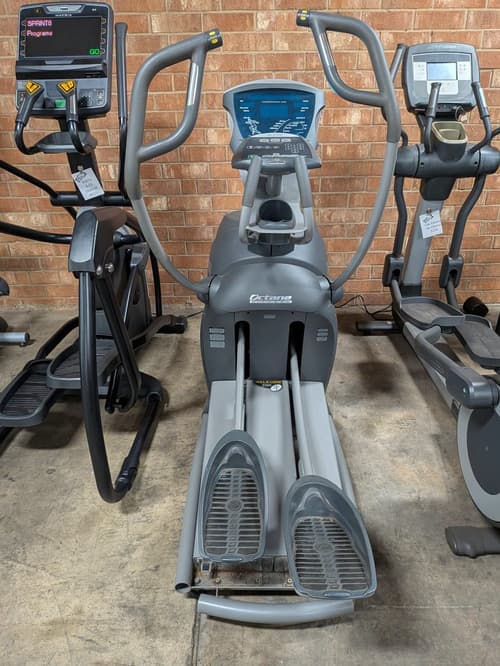
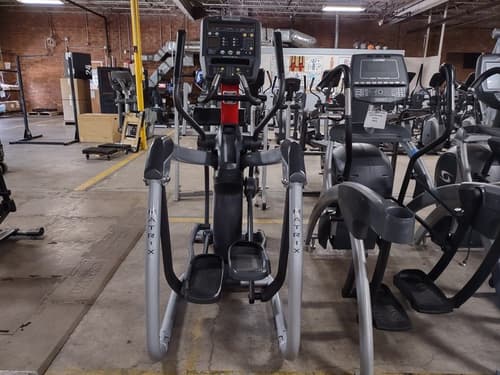
1. What Makes an Elliptical Commercial-Grade
A commercial elliptical is built for gyms, clubs and facilities where it may run many hours a day with dozens of different users. That demands heavier frames, sturdier drive systems, sealed bearings, tougher consoles and higher user weight capacities than home ellipticals.
The extra build quality is also why commercial ellipticals hold their value on the used market — a retired gym unit often has plenty of life left for home or light-commercial use.
Shop Commercial Cardio2. Commercial vs. Home Ellipticals
Home ellipticals are lighter, smaller and less expensive, designed for a household's use. Commercial ellipticals trade size and weight for durability and a smoother, more consistent feel.
| Home Elliptical | Commercial Elliptical | |
|---|---|---|
| Frame | Lighter | Heavy-duty |
| Daily use | Household | Many users, many hours |
| User capacity | Moderate | Higher |
| Footprint and weight | Smaller, lighter | Larger, heavier |
| Used value | Varies | Often excellent |
3. Leading Commercial Elliptical Manufacturers
A handful of manufacturers dominate commercial ellipticals, and each has its own motion and design approach.
- Precor — EFX ellipticals and AMT adaptive motion trainers
- Life Fitness and Cybex — cross-trainers and the Arc Trainer
- Octane Fitness — elliptical specialist, Pro series, LateralX and seated xRide
- Matrix — commercial ellipticals and ascent trainers
- Technogym — commercial cross trainers
- Star Trac, Cybex and True — additional commercial options
4. Elliptical vs. Cross Trainer
In practice the terms overlap. 'Cross trainer' usually suggests moving arm handles for full-body work, while 'elliptical' can describe either a full-body or lower-body-only machine. Many commercial facilities stock both arm and no-arm versions to give members a choice.
Read: Technogym Elliptical & Cross Trainers5. Key Features to Compare
When comparing commercial elliptical cross trainers, look at stride length and motion feel, step-up height, moving versus fixed handles, resistance range, console and heart rate features, user weight capacity and whether the unit is self-powered or needs an outlet.
- Stride length and how natural the motion feels
- Step-up height for easy access
- Moving or fixed handles
- Resistance range for beginners through athletes
- Self-powered or plug-in
- Console features and heart rate monitoring
6. Buying Used Commercial Ellipticals
Used commercial ellipticals are among the best values in cardio equipment. Gyms often replace them on schedules or for cosmetic upgrades rather than mechanical failure. Inspect for smooth motion, console function and consistent resistance, and ask about service history when available.
Read: New vs. Used Gym Equipment7. Planning Ellipticals for a Facility
Most commercial gyms place ellipticals alongside treadmills, bikes and rowers so members can choose by joint comfort and preference. Leave room for each machine's full stride motion, plan power access if needed, and consider mixing standard ellipticals with specialty machines like an AMT, Arc Trainer or LateralX.
Read: How to Build a Commercial GymFinal Thoughts
Commercial ellipticals are built to run all day for years, with heavier frames, smoother motion and tougher electronics than home models. Brands like Precor, Life Fitness, Octane, Matrix and Technogym lead the market, and buying used is often the smartest way to get commercial quality into a gym or home.
Frequently Asked Questions
- What is a commercial elliptical?
- An elliptical built for gyms and facilities, with heavier frames, sturdier components and higher user capacities designed for many hours of daily use.
- Who makes the best commercial ellipticals?
- Precor, Life Fitness, Octane Fitness, Matrix and Technogym are among the leading commercial elliptical manufacturers.
- Is a commercial elliptical worth it for home use?
- If you have the space, yes. A commercial elliptical is smoother and more durable, and buying used makes it more affordable.
- What is the difference between an elliptical and a cross trainer?
- The terms overlap. 'Cross trainer' usually implies moving arm handles for full-body training.
- Are used commercial ellipticals reliable?
- Generally, yes. They're built for heavy use and often replaced for cosmetic reasons. Inspect motion, resistance and console before buying.
- Do commercial ellipticals need power?
- Some are self-powered and some need an outlet. Check the specific model.
Shop Related Equipment
Ready to Shop Commercial Ellipticals?
Browse new and used commercial ellipticals from verified sellers.