Power Racks, Cages & Towers for Home Gyms: Which One Do You Need?
Power rack, squat cage or power tower — here's how they differ, what each needs in terms of space, and how to pair one with the right bench.
Strength Equipment for Sale
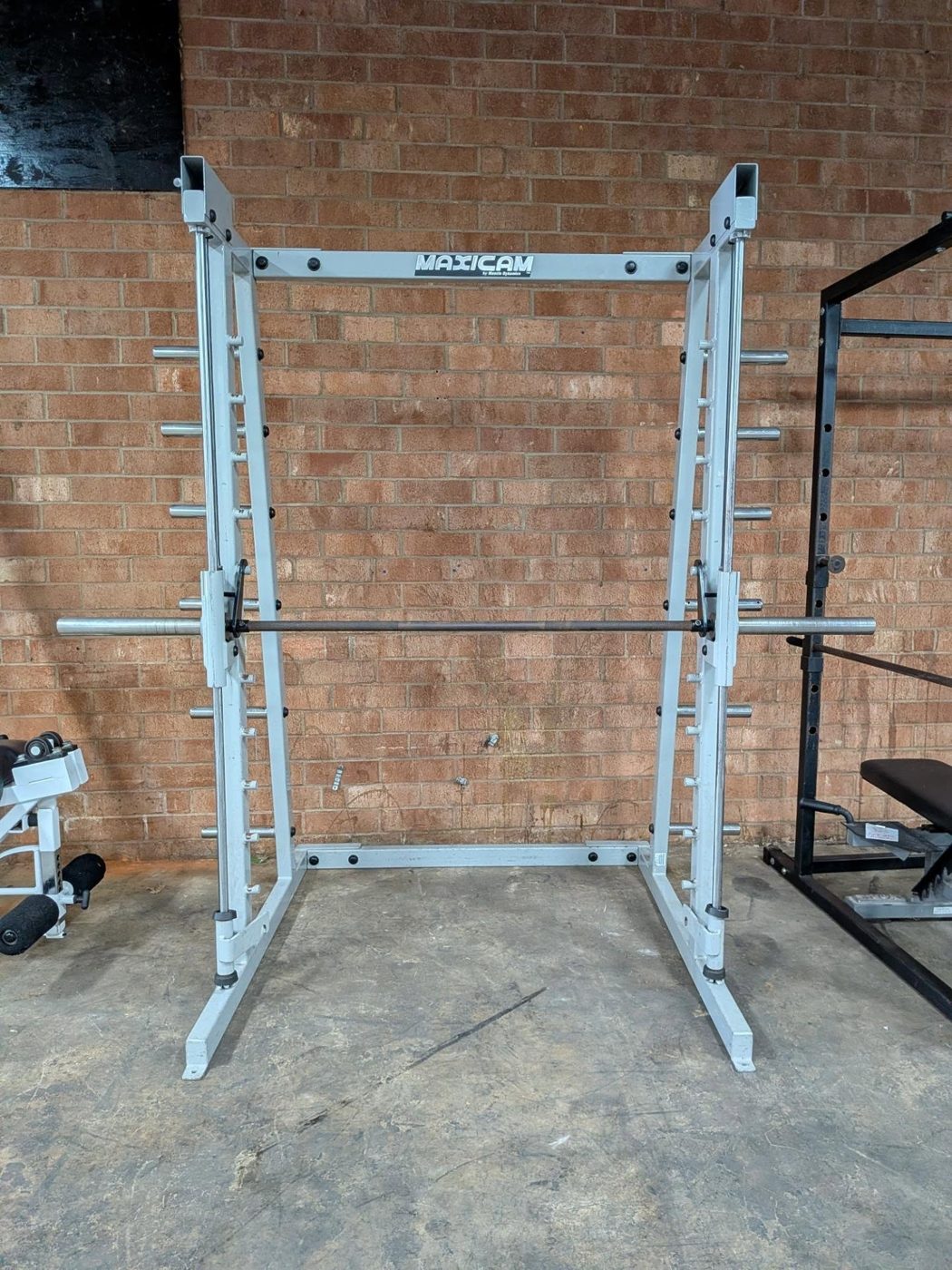
1. Power Rack vs. Squat Cage vs. Half Rack
| Type | Footprint | Best For |
|---|---|---|
| Power Rack | Full four-post frame, largest footprint | Squats, bench, overhead press with full safety pins |
| Squat Cage | Similar four-post design, often with extra attachment points | Squat-focused training with added accessory options |
| Half Rack | Two-post, smaller footprint | Space-constrained rooms, most of a full rack's function |
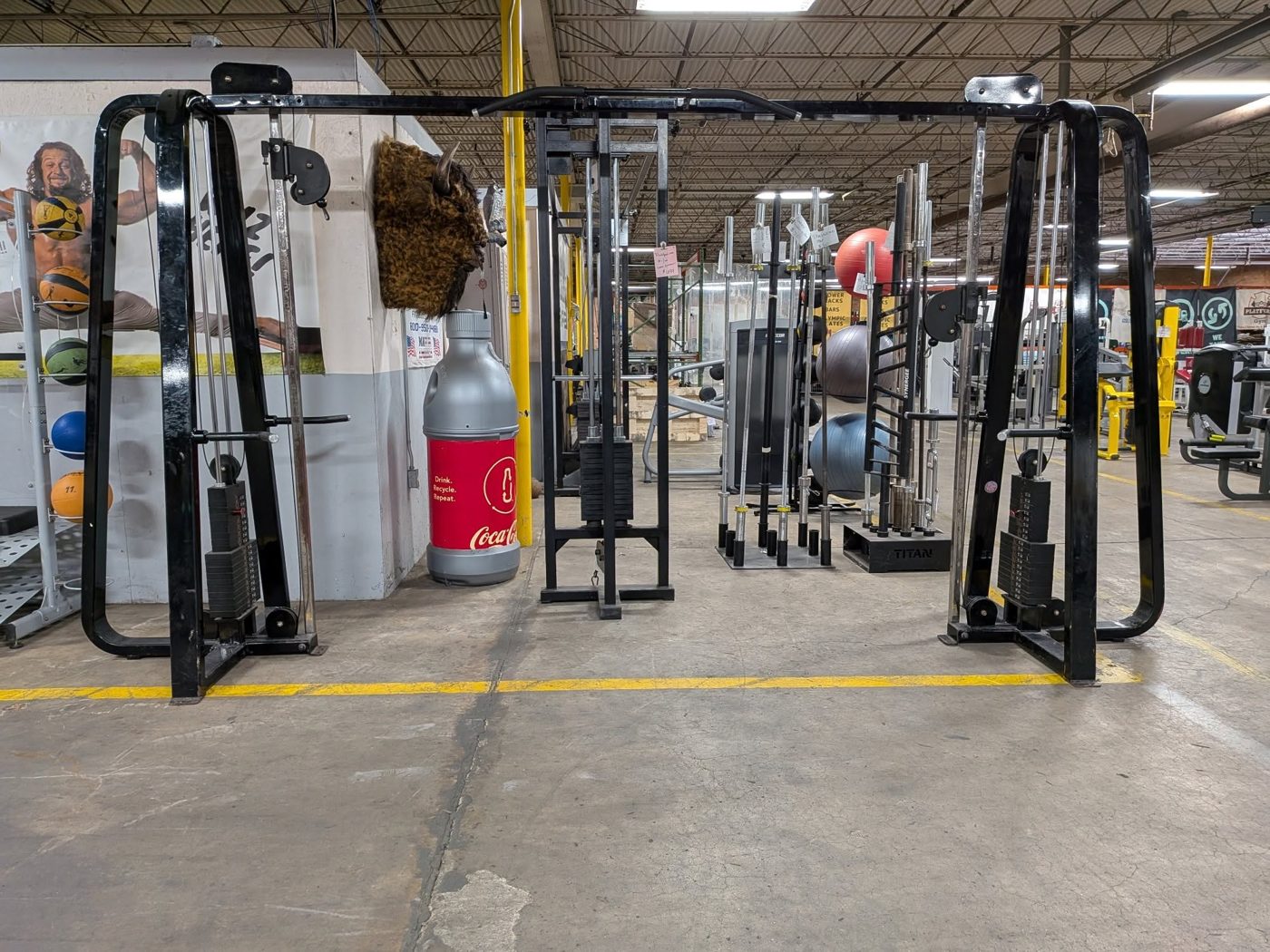
2. Power Towers: A Rack-Free Alternative
A power tower is a freestanding frame built for bodyweight training — pull-ups, dips and push-ups — with no barbell work and a much smaller footprint than any rack. It's a strong choice if your training is bodyweight-focused or your space simply can't fit a rack.
3. Safety Features Worth Comparing
The safety hardware is what actually lets you train alone without a spotter, so it's worth comparing closely rather than assuming all racks are equivalent. Pin-and-pipe safeties are the simplest design — solid pins that catch a failed rep — while strap safeties use an adjustable strap that catches the bar with a bit more give. J-cups, which hold the bar at rest between sets, vary in how securely they seat the barbell; a shallow or worn J-cup can let a loaded bar roll off if it isn't seated properly.
4. What Ceiling Height and Footprint You Need
Full power racks need clearance for an overhead press and, if you're planning pull-ups, for a full hang and pull. A half rack or power tower is the more realistic choice in a room with a lower ceiling.
Read: Compact & Space-Saving Home Gym Equipment5. Rack Attachments That Add the Most Value
Once the rack itself is chosen, a handful of attachments extend it well beyond squats and presses. A pull-up bar is the most common first addition, followed by a dip attachment for pressing and tricep work, a landmine post for rotational and single-arm barbell exercises, and band pegs for adding accommodating resistance to barbell lifts.
- Pull-up bar — the most common first attachment
- Dip attachment — adds pressing and tricep work
- Landmine post — opens up rotational and single-arm exercises
- Band pegs — adds accommodating resistance to barbell lifts
6. Pairing Your Rack with a Bench
A rack is only half the setup — an adjustable bench that goes flat-to-incline covers the widest range of pressing exercises, and its footprint and weight capacity matter as much as the rack's when you're planning the space.
Shop Strength Equipment7. Freestanding vs. Wall-Mounted Racks
Beyond the power rack, cage and half rack distinction, racks also differ in how they're installed. A freestanding rack sits under its own weight and can be repositioned without touching the walls, which suits a garage or basement where the layout might change. A wall-mounted or folding rack anchors into structural framing and folds flat against the wall when not needed, trading some stability under maximal loads for a smaller permanent footprint.
8. Uprights, Hole Spacing and Why They Matter
The spacing between holes on a rack's uprights determines how finely you can adjust J-cup and safety pin height, which affects how precisely the rack fits your specific height and the exercises you do most. Tighter hole spacing near the most commonly used height ranges — around bench and squat depth — makes small adjustments easier without needing to jump between positions that are noticeably too high or too low.
9. Footprint Comparison at a Glance
| Type | Typical Depth | Repositionable? |
|---|---|---|
| Power Rack / Cage | Largest — four posts plus working space | Possible, but heavy and awkward to move often |
| Half Rack | Moderate — two posts plus working space | Easier than a full rack, still substantial |
| Wall-Mounted/Folding Rack | Minimal when folded, moderate when deployed | Fixed installation point, folds rather than moves |
| Power Tower | Smallest — no barbell working space needed | Yes, relatively easy to reposition |
10. How Much Weight a Rack Actually Needs to Hold
A rack's total weight capacity needs to account for the barbell, every plate loaded onto it, and a safety margin beyond your current max lift — not just where your strength is today. Check the stated capacity on any specific listing rather than assuming similar-looking racks share the same rating, since frame gauge and weld quality both affect how much weight a rack can safely support over years of use.
11. Buying Used: What to Inspect on a Rack, Cage or Tower
Because these are simple, heavily built pieces of equipment with no motors or electronics, a used rack, cage or tower in good condition is usually a low-risk purchase. Focus on weld quality and upright straightness, confirm every J-cup and safety pin still moves and locks correctly, and check the powder coat or finish for rust that could indicate the equipment was stored somewhere damp.
See the Full Inspection ChecklistFinal Thoughts
A power rack, squat cage and power tower all serve different training styles rather than one being a strictly better version of another. Match the choice to the lifts you'll actually do and the ceiling height and floor space you actually have.
Frequently Asked Questions
- What's the difference between a power rack and a squat cage?
- They're similar four-post designs; a squat cage often includes additional attachment points for accessories, while a power rack is the more general-purpose version.
- Do I need a rack if I already have a power tower?
- Only if you plan to do barbell work like squats, bench press or overhead press — a power tower covers bodyweight training but not barbell lifts.
- What ceiling height do I need for a power rack?
- Enough for a full overhead press and pull-up range plus the rack's own height. A half rack or power tower fits significantly lower ceilings.
- Should I buy a rack and bench together?
- It's the most common pairing, since most rack-based training includes pressing movements — check both the rack's footprint and the bench's when planning your space.
- What's the difference between pin-and-pipe and strap safeties?
- Pin-and-pipe safeties use solid pins that catch a failed rep directly. Strap safeties use an adjustable strap with a bit more give. Both serve the same purpose of catching the bar if a lift fails.
- What should I check when buying a used power rack?
- Weld quality and upright straightness, that every J-cup and safety pin moves and locks correctly, and the finish for rust that might suggest damp storage conditions.
- Should I get a freestanding or wall-mounted rack?
- A freestanding rack can be repositioned and generally offers more stability under maximal loads. A wall-mounted or folding rack trades some of that stability for a smaller permanent footprint when folded away.
- How do I know if a rack can hold enough weight for me?
- Check the specific listing's stated weight capacity against the barbell, all loaded plates and a safety margin above your current max lift — don't assume similar-looking racks share the same rating.
- Does hole spacing on a rack's uprights matter?
- Yes — tighter spacing near commonly used heights, like bench and squat depth, allows finer adjustment of J-cups and safety pins without needing to jump between positions that are noticeably too high or low.
- How much floor space does a full rack setup need compared to a half rack?
- A full power rack or cage needs the largest footprint of the options covered here, while a half rack offers a smaller footprint with most of the same function — check both against your available space before choosing.
- Can I move a freestanding rack once it's set up?
- Yes, though it's heavy and awkward to reposition often — freestanding racks sit under their own weight and can be moved without touching the walls, unlike a wall-mounted or folding rack fixed to structural framing.
- What's the difference between pin-and-pipe and strap safeties again in practice?
- Pin-and-pipe safeties catch a failed rep with solid pins directly, while strap safeties use an adjustable strap with a bit more give — both accomplish the same safety purpose through slightly different mechanisms.
- Can a power tower substitute for a full rack for bodyweight training?
- Yes, if your training is bodyweight-focused — a power tower covers pull-ups, dips and push-ups in a much smaller footprint, though it doesn't support barbell work like a rack does.
- Do I need to bolt a rack to the floor?
- It depends on the design — some racks are stable freestanding under their own weight, while others benefit from anchoring for extra stability under maximal loads. Check the specific listing's guidance.
Shop Related Equipment
Ready to Shop Racks & Benches?
Browse power racks, cages, towers and benches from verified sellers.