
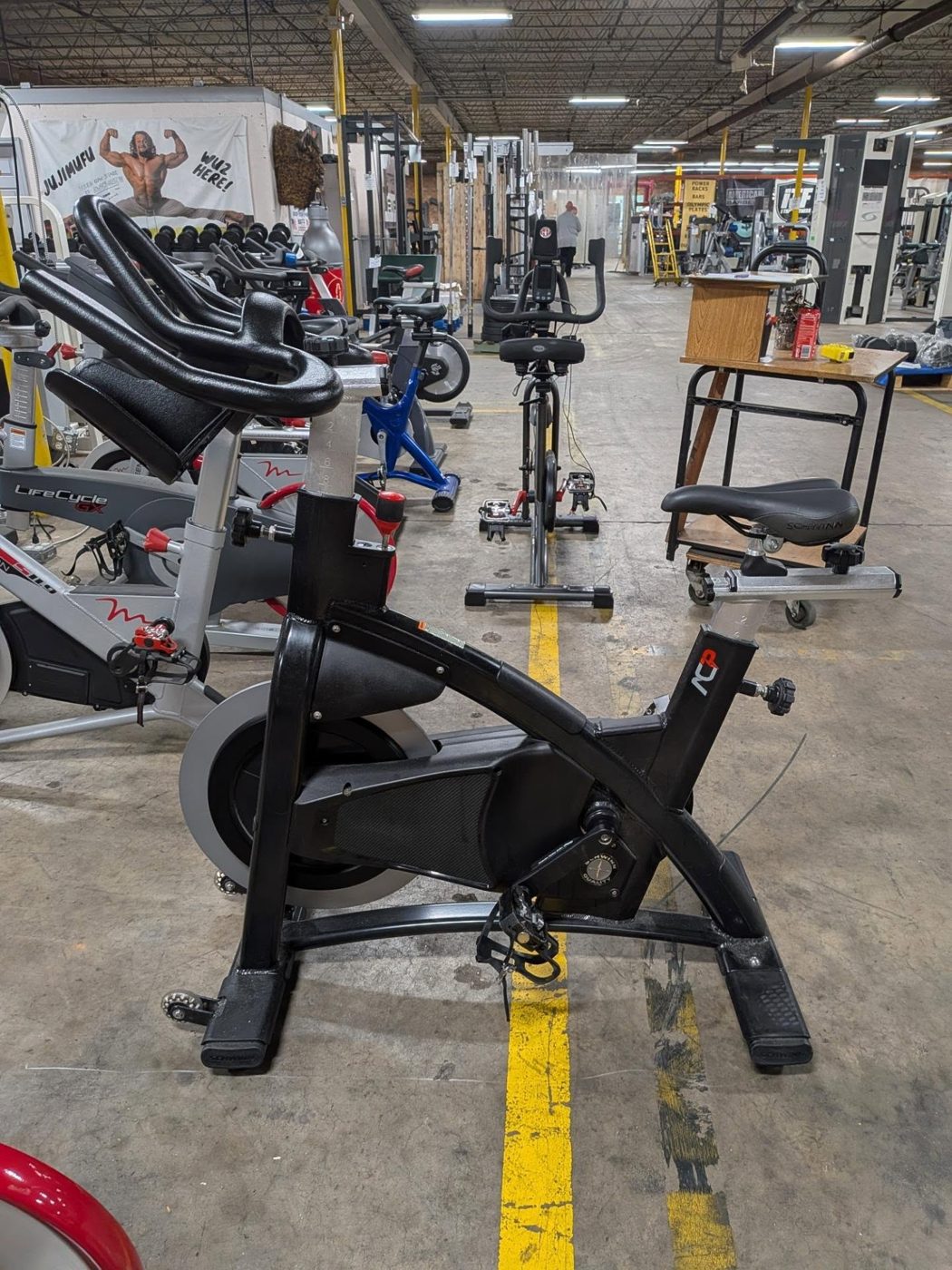
Best Exercise Bikes for Home
Stationary bikes are quiet, compact and easy on the joints. Here's how to choose the right type for your goals.
Exercise Bikes for Sale
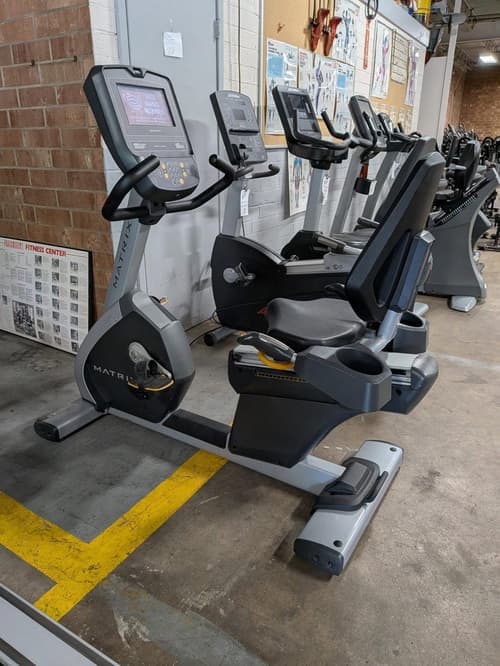
1. Types of Exercise Bikes
| Type | Riding Position | Best For |
|---|---|---|
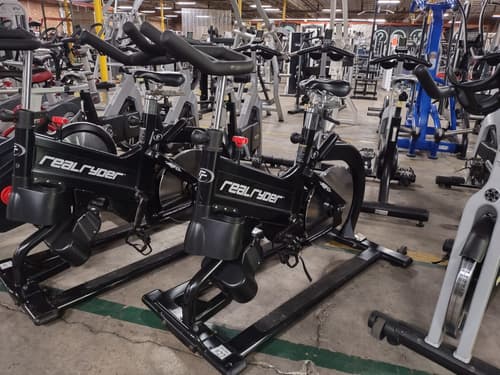
| Indoor cycling (spin) bike | Forward-leaning, like a road bike | Classes, HIIT, cyclists |
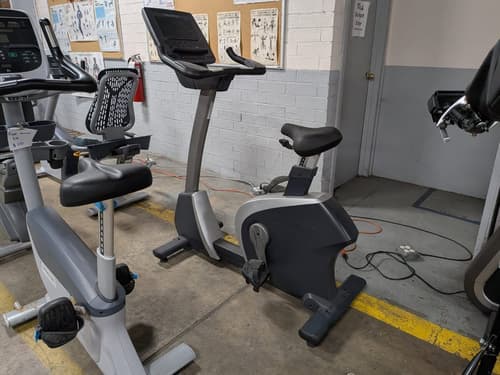
| Upright bike | Upright, seat under hips | General fitness, small spaces |
| Recumbent bike | Reclined with back support | Comfort, seniors, rehab |
| Air bike | Upright with moving arms | Full-body HIIT and conditioning |
2. Resistance Types
- Magnetic: quiet, smooth and low maintenance; best for most homes
- Friction (felt pad): affordable, adjustable by feel, pads wear out
- Air (fan): resistance rises the harder you pedal; loud
- Electromagnetic: precise digital control on premium bikes
3. What to Look For
- Seat and handlebar adjustments for your height
- A heavy flywheel or smooth magnetic system
- A comfortable, replaceable seat
- A stable frame with leveling feet
- Basic console metrics: time, distance, cadence and watts
- Pedals compatible with your shoes or clips
4. Price Ranges
Basic upright and folding bikes cost $200 to $500. Quality magnetic spin and recumbent bikes run $500 to $1,500. Connected bikes and commercial models cost $1,500 to $3,000 new, with used commercial bikes often available for much less.
5. Exercise Bike Workouts
Mix steady rides of 30 to 45 minutes with interval sessions such as 10 x 30 seconds hard and 60 seconds easy. Hill climbs with heavy resistance build leg strength, while high-cadence spins improve cardiovascular fitness. Varying your workouts keeps progress steady and riding enjoyable.
6. Bike Setup Tips
Set saddle height so your knee is slightly bent at the bottom of the pedal stroke, and adjust handlebars for a comfortable reach. Proper setup prevents knee and back discomfort.
7. Indoor Cycling Bike vs Upright Bike
Indoor cycling bikes have heavy flywheels, adjustable handlebars and a sporty riding position that lets you stand up out of the saddle. They're ideal for classes and intense intervals. Upright bikes are more relaxed, often include programmed workouts and are easier for beginners to use. Both offer excellent low-impact cardio; choose based on how you like to ride.
If you plan to follow app-based classes, look for a bike that connects via Bluetooth and reports cadence and resistance, or use a tablet holder and your own app.
8. Exercise Bike Benefits
Cycling builds cardiovascular fitness, strengthens the legs and glutes and burns calories with minimal stress on the joints. It's easy to fit into a busy day, and you can watch TV or read on easy rides.
9. Final Tip
Choose a bike with a comfortable seat or plan to upgrade it; comfort keeps you riding.
Final Thoughts
The best exercise bike for home depends on how you like to ride: a spin bike for intense classes, an upright for everyday fitness, a recumbent for comfort and an air bike for full-body HIIT. Choose quiet magnetic resistance and a solid frame and you'll ride for years.
Frequently Asked Questions
- Is an exercise bike good for weight loss?
- Yes. It burns calories with low impact, making it easy to do consistently.
- Which exercise bike is best for bad knees?
- Recumbent and upright bikes with smooth magnetic resistance are usually the gentlest.
Shop Related Equipment
Ride at Home
Shop spin, upright, recumbent and air bikes.