
Research Peptides Explained: What They Are, Legal Status and Risks
Peptides are everywhere online, but "research use only" means something specific. Here's what research peptides are, how they're regulated and the risks to understand.
Research Peptides
1. What Is a Peptide?
A peptide is a short chain of amino acids, the same building blocks that make up proteins. Your body makes thousands of peptides that act as hormones and signaling molecules; insulin is a well-known example. Scientists study synthetic peptides to understand how these signals work and whether they could become medicines.
2. What "For Research Use Only" Means
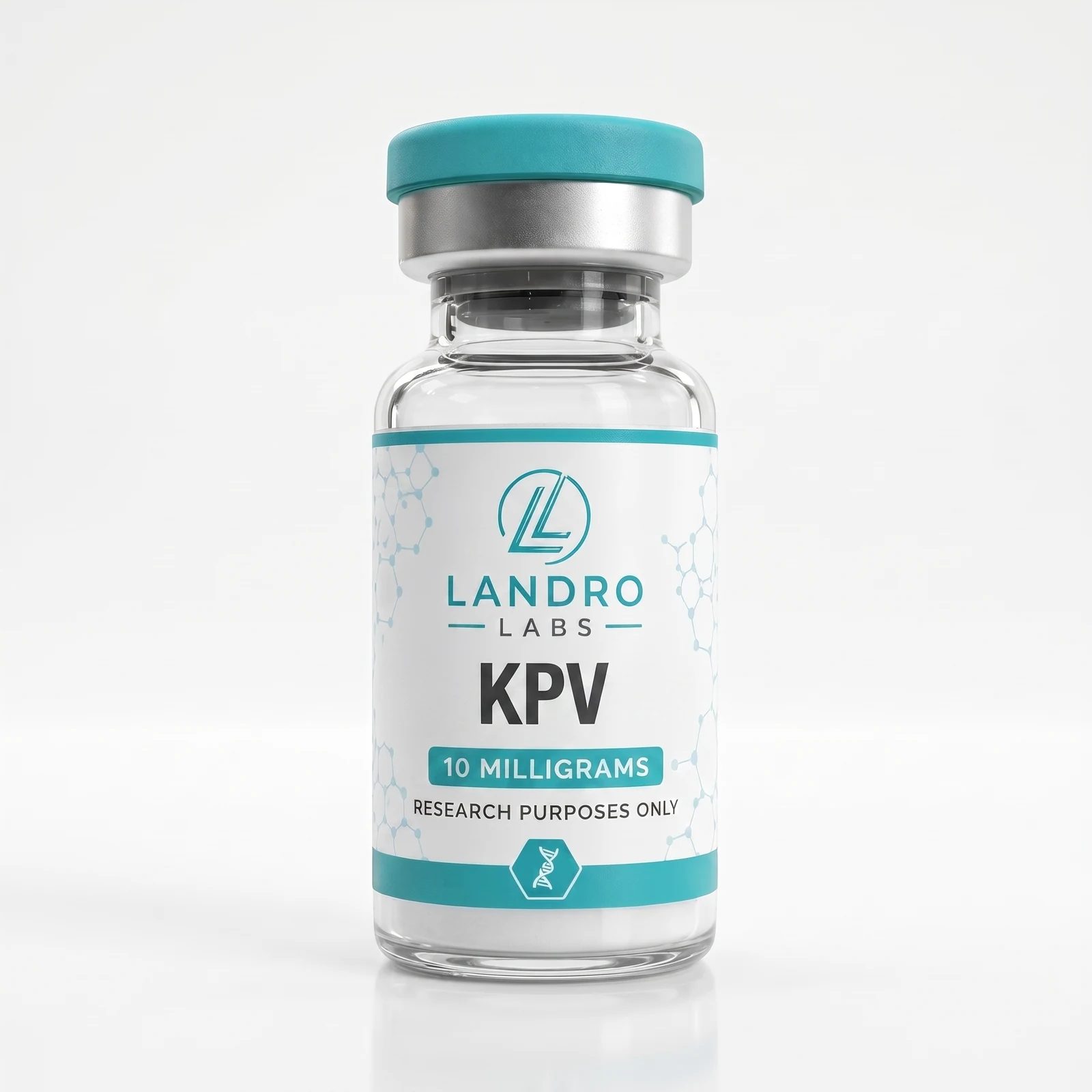
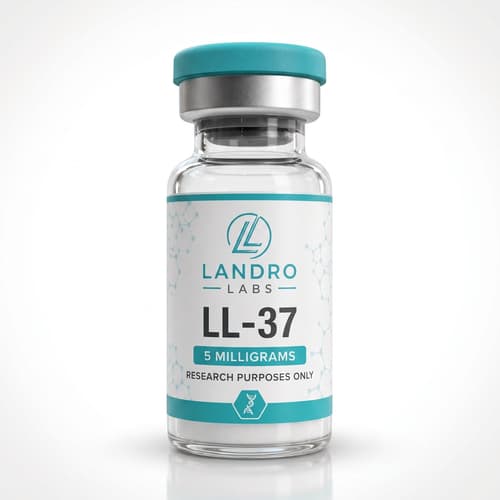
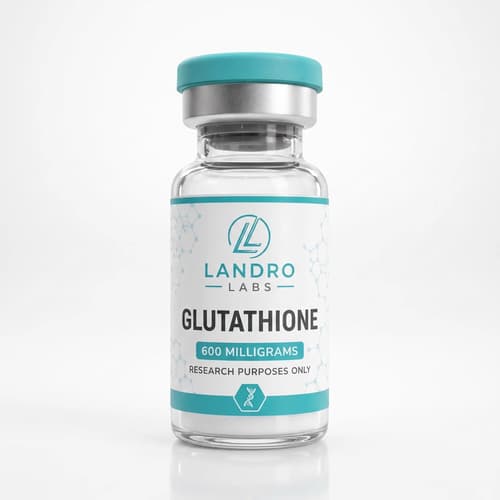
Research peptides are synthetic compounds sold for laboratory and scientific research. The "research use only" label means the product has not been approved by the FDA as a drug, has not passed the clinical trials required to show it's safe and effective in people, and is not intended for human consumption.
That's a crucial distinction. Some peptides, such as semaglutide or tesamorelin, are FDA-approved prescription drugs made under strict manufacturing controls. Most peptides sold online as research chemicals are not, even when they share a name with a compound that's been studied.
3. Approved Drugs vs. Research Peptides
| FDA-Approved Peptide Drug | Research Peptide | |
|---|---|---|
| Human clinical trials | Completed for its approved use | Limited or none |
| Manufacturing | FDA-inspected, pharmaceutical grade | Varies by supplier |
| Labeling | Approved dosing and warnings | Research use only |
| Access | Prescription from a licensed provider | Sold for laboratory research |
4. Regulatory and Sport Status
In 2023 the FDA placed a number of popular peptides, including BPC-157 and several growth hormone secretagogues, in a category of bulk substances it said raised potential significant safety risks, which restricts compounding pharmacies from using them. The FDA has also warned consumers about unapproved weight-loss peptides sold online.
In sport, the World Anti-Doping Agency (WADA) prohibits many of these compounds, including BPC-157, TB-500 and growth hormone releasing peptides, at all times. Tested athletes should assume most research peptides are banned.
5. Quality and Purity Risks
Because research peptides aren't regulated like drugs, quality varies widely.
- Products may contain less, more or different compounds than the label states
- Contamination with bacteria, endotoxins or manufacturing by-products is possible
- Long-term effects in humans are largely unknown
- Look for suppliers who publish third-party testing such as HPLC and mass spectrometry results
6. Common Research Peptide Categories
Peptides studied in labs fall into a few broad groups.
- Tissue repair research: BPC-157, TB-500 (thymosin beta-4 fragment)
- Growth hormone secretagogues: CJC-1295, Ipamorelin, GHRP-6
- Skin and copper peptides: GHK-Cu
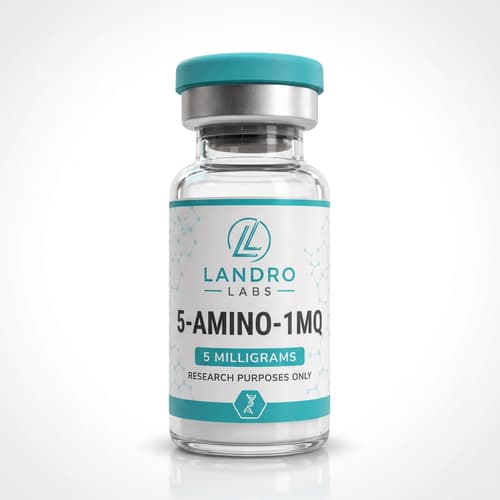
- Metabolic research: MOTS-C, 5-Amino-1MQ, investigational incretin compounds
- Coenzymes often sold alongside peptides: NAD+
Final Thoughts
Research peptides are synthetic compounds for laboratory research, not approved medicines. Many have only animal or early-stage data, several are flagged by the FDA, and most are banned in tested sport. If you're researching them, understand the regulatory status, demand third-party testing and never treat a research chemical as a substitute for medical care. This article is for general information only and is not medical advice. The compounds discussed are not approved by the FDA for human use and are sold for research purposes only. Talk to a licensed healthcare provider before making any decision about your health.
Frequently Asked Questions
- Are research peptides legal?
- They are generally sold legally for laboratory research, but they are not FDA-approved for human use and cannot be marketed as treatments.
- Are research peptides safe for humans?
- Most have not completed human clinical trials, so their safety in people is not established.
- Are peptides banned in sport?
- Many are. WADA prohibits BPC-157, TB-500, growth hormone secretagogues and other peptides at all times.
- What's the difference between a peptide drug and a research peptide?
- A peptide drug has passed FDA review and is prescribed. A research peptide is sold for lab use and hasn't been approved.
Shop Related Equipment
Research Peptides
Factory-sealed research compounds for laboratory use, shipped with tracking. Not for human consumption.