Shrug Machines & Trapezius Training: Smith Machine, Plate-Loaded & Alternatives
Dedicated shrug machine, Smith machine, or dumbbells and a barbell — here's how each one trains the trapezius, and how to choose the right one.
Shrug & Trapezius Machines for Sale
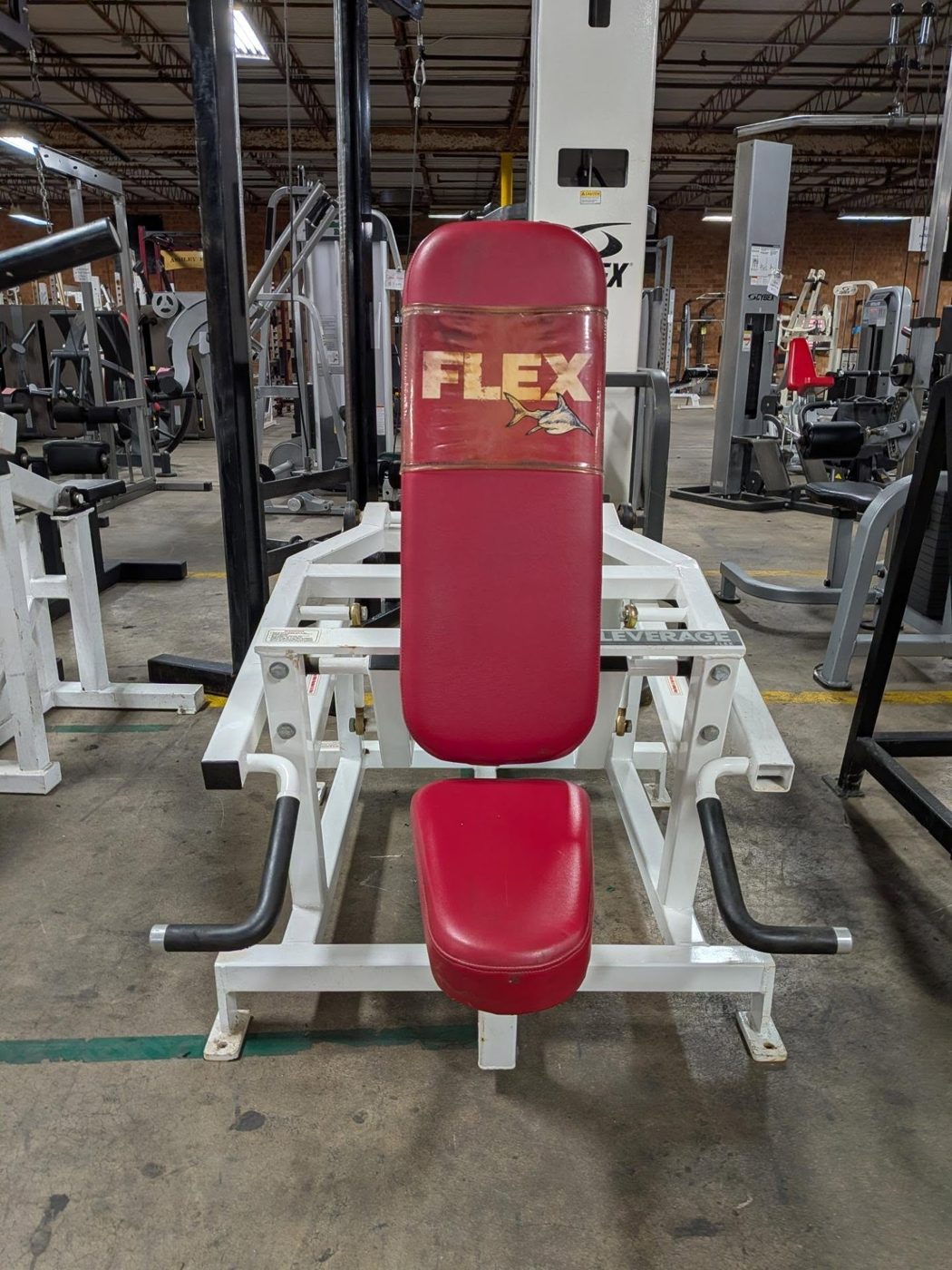
Flex Fitness
Flex Fitness Leverage Shrug Machine
Condition: Very Good
$3,999
Brooklyn, New York
View Details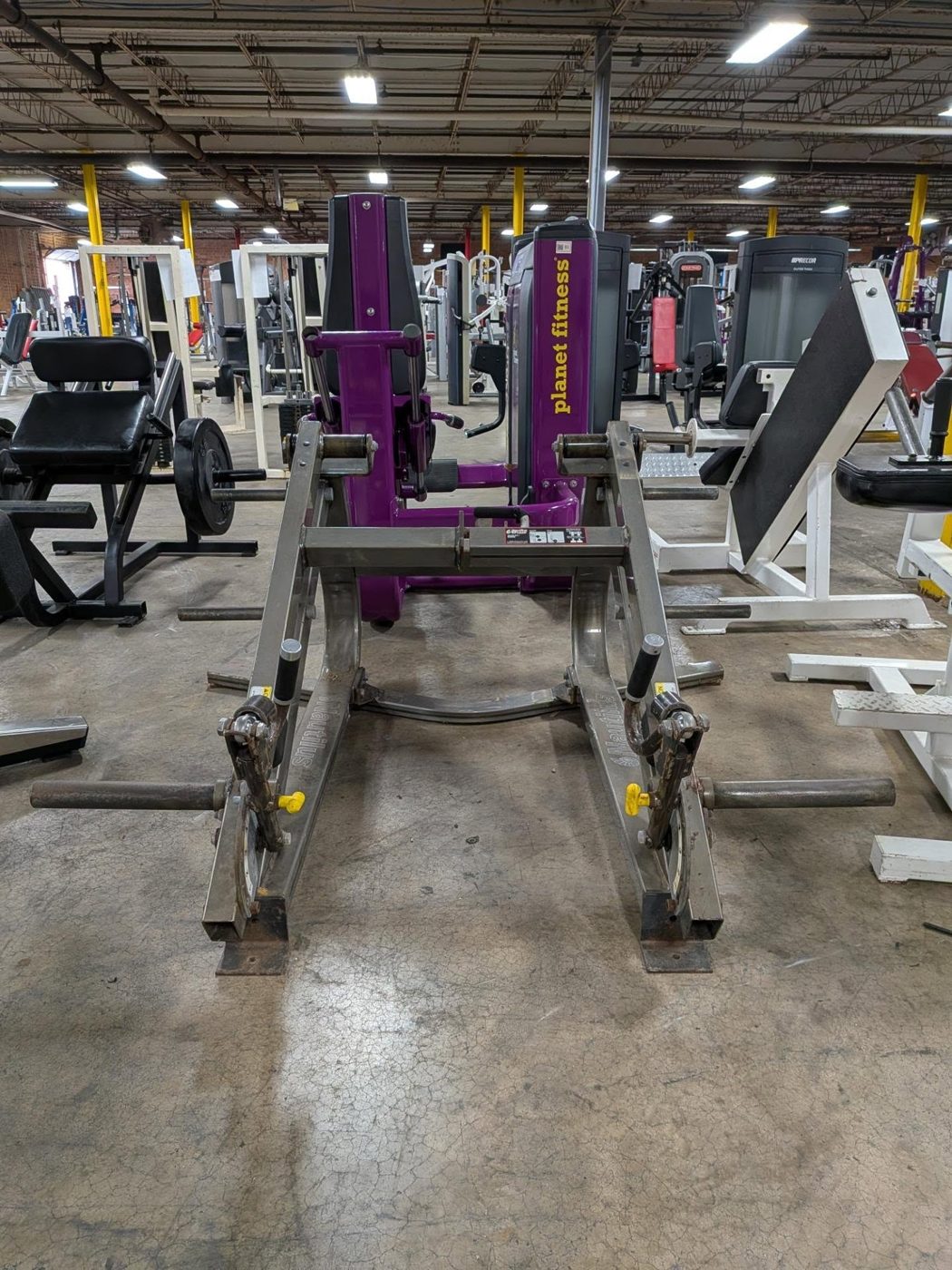
Nautilus
Nautilus Xpload Deadlift / Shrug Machine
Condition: Very Good
$1,699
Orlando, Florida
View Details1. What a Shrug Machine Does
A shrug machine loads the trapezius — the muscle running from the base of the neck across the top of the shoulders — through a vertical elevating motion, guided along a fixed path rather than a free bar. Some dedicated machines combine a shrug station with a deadlift-style pulling motion in one frame, letting the same equipment cover both a hip-hinge pull and a straight-up shrug without changing setups.
Shop Shrug & Trapezius Machines2. Smith Machine Shrugs: A Practical Alternative
A Smith machine's fixed vertical bar path is actually well suited to shrugs, since the movement itself is a straight up-and-down motion with no need for the stabilization a free barbell demands. This makes Smith machine shrugs a common substitute where a dedicated shrug machine isn't available, letting you load the movement heavily while the rails handle the bar path for you.
Read: Strength Training & Weightlifting Equipment for Sale3. Seated vs. Standing Shrug Machines
Standing shrug machines most closely mimic a barbell or dumbbell shrug, keeping the hips and legs involved in stabilizing the movement. Seated versions isolate the traps more strictly by removing that lower-body stabilization, which some lifters prefer for stricter, more controlled reps, at the cost of a slightly less natural movement pattern.
4. How to Use a Shrug Machine Correctly
Set the handles or pads at a height that lets your arms hang naturally at your sides before starting the movement, then elevate the shoulders straight up toward the ears without rolling them forward or backward — rolling the shoulders during a shrug shifts stress toward the shoulder joint instead of keeping it on the traps. Pause briefly at the top of the movement, then lower under control rather than letting the weight drop, since the traps do meaningful work on the way down as well as the way up.
5. Common Shrug Machine Mistakes
Rolling the shoulders in a circular motion instead of a straight vertical shrug is the most common technique error, and it shifts stress away from the traps and toward the shoulder joint over time. Using too much weight to the point that the range of motion shortens is another — a shrug performed through a fuller range at a lighter weight generally trains the muscle more effectively than a heavier, partial-range repetition. Rushing the lowering phase is a third common issue, cutting out the portion of the movement where the traps control the descent.
- Rolling the shoulders instead of shrugging straight up
- Using too much weight and shortening the range of motion
- Rushing the lowering phase instead of controlling it
6. Alternatives to a Dedicated Shrug Machine
A dedicated shrug or trapezius machine isn't the only way to train this muscle, and several free-weight alternatives cover the same movement pattern effectively.
| Alternative | How It Works | Best For |
|---|---|---|
| Dumbbell Shrugs | Dumbbells held at the sides, shrugged straight up | Home gyms, natural range of motion |
| Barbell Shrugs | Barbell held in front, shrugged straight up | Heavier loading than dumbbells allow |
| Trap Bar Shrugs | Hex-shaped bar with side handles, shrugged from a hip-hinge position | Reduced lower back strain versus a straight barbell |
| Cable Shrugs | Low-anchored cable pulled straight up | Constant tension through the full range |
7. Plate-Loaded vs. Selectorized Shrug Machines
Plate-loaded shrug machines load with free weight plates for a heavier top-end and a resistance curve closer to a free-weight shrug, and it's a design commonly associated with brands like Hammer Strength, known for plate-loaded and rack equipment that holds up well on the used market. Selectorized versions use a pin-adjustable weight stack instead, trading some of that natural resistance curve for faster changes between sets.
Read: Best Gym Equipment Brands8. What to Check Before Buying a Used Shrug Machine
Because a shrug machine moves a fixed path under heavy load, the guide rods, bearings and welds see meaningful stress over time. Cycle the machine through its full range checking for smooth, unrestricted movement, inspect welds and frame joints for cracking, and check that the weight stack or plate-loading pins lock securely at every setting before buying.
- Guide rods move smoothly without binding or grinding
- Welds and frame joints show no cracking or visible flexing under load
- Weight stack pins or plate-loading hardware lock securely
- Handles and grips show no excessive wear that could affect grip security
9. Building Trap Training Into a Back or Shoulder Day
Traps assist on nearly every pulling movement — rows, pulldowns, deadlifts — which is why shrug or trap-specific work is traditionally placed at the end of a back-focused pull day rather than the beginning, after the bigger pulling exercises are done. Some lifters instead pair trap work with a shoulder-focused session, since the trapezius sits at the top of the shoulder girdle and complements shoulder press and lateral raise work in the same session.
Read: Shoulder Machines at the Gym10. Shrug Machines for Home vs. Commercial Gyms
Dedicated shrug machines are more commonly found on commercial floors, where the added floor space and lower cost per user justify a single-purpose station. A home gym typically covers the same movement through dumbbells, a barbell or a Smith machine already being used for other lifts, rather than dedicating space to a machine used for one exercise.
Shop Strength Equipment11. Grip and Wrist Considerations
Heavy shrugs place real demand on grip strength, since the weight is held in the hands throughout the entire movement rather than braced against a pad. Lifting straps can extend a set past the point grip fatigue would otherwise end it, which is useful for isolating the traps specifically once grip becomes the limiting factor rather than the muscle you're actually trying to train. A shrug machine with handles rather than a bar can reduce this grip demand somewhat, since the fixed handle position is often easier to hold than a free bar under heavy load.
12. Why Traps Are Often an Underdeveloped Muscle Group
The trapezius gets meaningful indirect work from deadlifts, rows and overhead pressing, which leads many lifters to assume it doesn't need direct training at all. In practice, indirect work often isn't enough volume to fully develop the muscle, particularly the upper traps that a shrug movement targets most directly — which is why dedicated shrug work, whether on a machine or with free weights, remains a common addition even for lifters who already train pulling movements regularly.
Final Thoughts
A dedicated shrug machine, a Smith machine, or simple dumbbells and a barbell can all train the trapezius effectively — the right choice comes down to available equipment and space, not which option is objectively best. Whatever you use, a controlled, full range of motion matters more than the specific machine.
Frequently Asked Questions
- What is a shrug machine used for?
- It trains the trapezius through a guided, fixed-path elevating motion, isolating the muscle more strictly than a free-weight shrug while removing the stabilization demand of holding dumbbells or a barbell.
- Can I do shrugs on a Smith machine?
- Yes — a Smith machine's fixed vertical bar path suits the straight up-and-down shrug motion well, making it a common and practical substitute when a dedicated shrug machine isn't available.
- What's the difference between a seated and standing shrug machine?
- A standing machine more closely mimics a barbell or dumbbell shrug and keeps the legs involved in stabilizing. A seated version isolates the traps more strictly by removing that lower-body stabilization.
- What are good alternatives to a shrug machine?
- Dumbbell shrugs, barbell shrugs, trap bar shrugs and cable shrugs all train the same movement pattern effectively without needing a dedicated machine.
- Is a plate-loaded or selectorized shrug machine better?
- Neither is strictly better — plate-loaded machines allow heavier top-end loads with a more natural resistance curve, while selectorized machines let you change weight faster between sets.
- How often should I train traps?
- Traps get indirect work from most pulling exercises, so a common approach adds direct shrug or trap work once or twice a week at the end of a back or shoulder session rather than training them in isolation more frequently.
- Can shrugs be done with a trap bar?
- Yes — a trap bar's hex shape and side handles let you shrug from a hip-hinge position with reduced lower back strain compared to a straight barbell.
- What should I check before buying a used shrug machine?
- Cycle the guide rods through their full range checking for smooth movement, inspect welds for cracking, and confirm the weight stack or plate-loading hardware locks securely at every setting.
- Should I use straps for heavy shrugs?
- They can help — lifting straps extend a set past the point grip fatigue would otherwise end it, letting the traps rather than your grip determine when a set ends.
- Do I need direct shrug training if I already do deadlifts and rows?
- Often, yes — indirect work from pulling movements frequently isn't enough volume to fully develop the traps, particularly the upper traps a shrug targets most directly.
- What's the most common shrug technique mistake?
- Rolling the shoulders in a circular motion instead of shrugging straight up, which shifts stress toward the shoulder joint instead of keeping it on the trapezius.
Shop Related Equipment
Ready to Shop Shrug & Trapezius Equipment?
Browse shrug machines and strength equipment from verified sellers.