
Supplements Banned in Sports (WADA List Explained)
Drug-tested athletes are responsible for everything they take. Here's what to know about banned substances.
Supplements for Sale
1. The WADA Prohibited List
The World Anti-Doping Agency publishes a prohibited list that's updated every year, taking effect each January 1. Under strict liability, athletes are responsible for any prohibited substance in their bodies, even from a contaminated supplement.
2. Common Banned or Risky Ingredients
| Category | Examples |
|---|---|
| Anabolic agents and SARMs | Ostarine, DHEA, prohormones |
| Stimulants | DMAA, DMHA, some pre-workout stimulants |
| Beta-2 agonists | Higenamine |
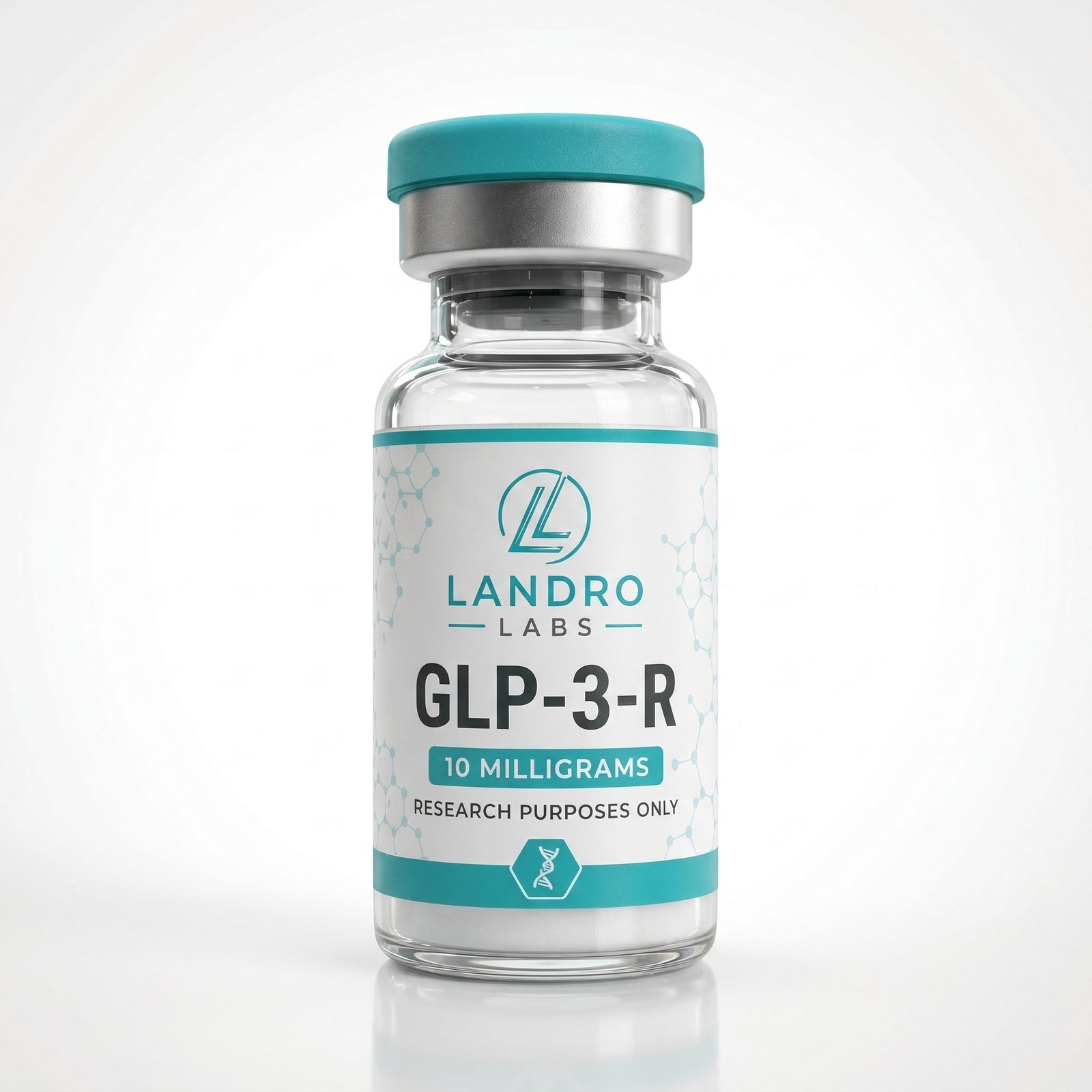
| Peptides and growth factors | Many research peptides |
| Diuretics and masking agents | Found in some weight loss products |
3. How Tested Athletes Stay Safe
- Use only NSF Certified for Sport or Informed Sport products
- Check medications using your anti-doping agency's database
- Keep receipts and batch numbers
- Avoid 'test booster', 'fat burner' and 'anabolic' products
- Review the current list each year
4. Strict Liability Explained
Under the strict liability principle used by WADA and many sports organizations, athletes are responsible for any prohibited substance found in their bodies, regardless of how it got there. Even if a supplement was contaminated without the athlete's knowledge, they can still face sanctions. This makes careful supplement selection essential for tested athletes.
Keeping records of products, batch numbers and certifications can help in disputes.
5. Therapeutic Use Exemptions
Athletes who need a prohibited medication for a legitimate medical condition can apply for a therapeutic use exemption through their sport's anti-doping organization. Talk to your doctor and anti-doping agency before starting any prescription medication.
6. Resources for Athletes
Use your national anti-doping agency's website and medication databases to check substances and certified supplements.
7. High-Risk Supplement Categories
Products marketed for muscle building, weight loss, energy and sexual enhancement carry the highest risk of containing banned substances. These include prohormones, testosterone boosters, fat burners and some pre-workouts. Tested athletes should avoid these categories unless products are certified by a recognized sport testing program.
Even products with natural-sounding ingredients can contain hidden stimulants or steroids.
8. What to Do If You Test Positive
If you receive a positive test result, contact your sport's anti-doping organization and seek legal advice from someone experienced in anti-doping cases. Keep all supplement containers, receipts and batch information, which may help investigations. Having used certified products and kept records can be important evidence.
Prevention through careful supplement choices is far easier than defending a positive test.
9. Final Tip
Before your season begins, review every supplement and medication you use with your team doctor or athletic trainer, and confirm each product's certification. A quick annual review prevents costly mistakes.
Final Thoughts
Banned supplements in sports include anabolic agents, SARMs, certain stimulants and peptides, and contamination is a real risk. Drug-tested athletes should use certified products, check every medication and review the WADA list each year. This article is for general information only and isn't medical advice. Talk to a doctor or registered dietitian before starting a supplement, especially if you're pregnant or nursing, take medication or have a health condition.
Frequently Asked Questions
- Is creatine banned?
- No, creatine isn't on the WADA prohibited list.
- Is caffeine banned?
- Caffeine is not prohibited by WADA at the time of writing, though it's monitored.
Shop Related Equipment
Shop Supplements With Confidence
Factory-sealed supplements from trusted brands, shipped with tracking.