
How to Soundproof a Home Gym (Upstairs and Apartment Tips)
Upstairs neighbors and thin floors don't have to end your home workouts. Here's how to cut gym noise and vibration the right way.
Flooring and Mats for Quiet Training

1. Impact Noise vs Airborne Noise
Gym noise comes in two forms. Airborne noise, like music and talking, travels through air and is blocked by mass and sealed gaps. Impact noise, like dropped dumbbells and treadmill footfalls, travels through the structure of the building. Impact noise is the real problem in home gyms, and the fix is decoupling: putting soft, absorbing layers between the load and the floor.
2. Build a Layered Floor
The most effective DIY setup for an upstairs gym or apartment is a sandwich: a soft layer to absorb vibration, a rigid layer to spread the load, and a durable rubber top.
- Bottom: closed-cell foam or vibration isolation pads
- Middle: 3/4 inch plywood or OSB to spread impact
- Top: 3/4 inch rubber mat or tiles
- For heavy lifting, double the rubber layer
3. Noise Reduction for Common Equipment
| Equipment | Noise Problem | Fix |
|---|---|---|
| Dumbbells | Thuds when set down | Crash pads, set down slowly, rubber-coated weights |
| Barbell | Drops and plate rattle | Drop pads, bumper plates, plate silencers |
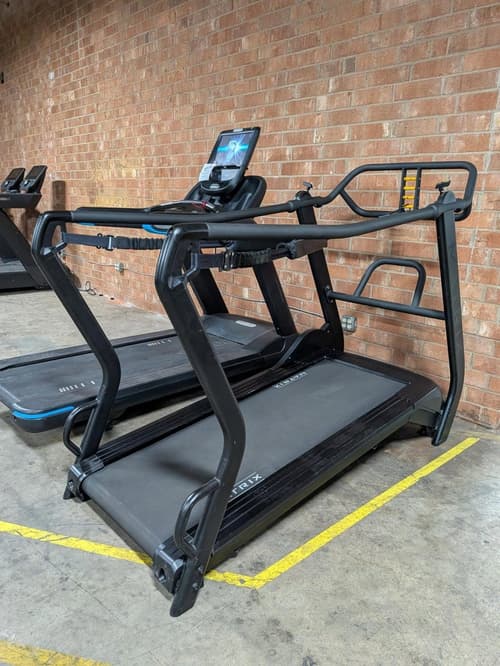
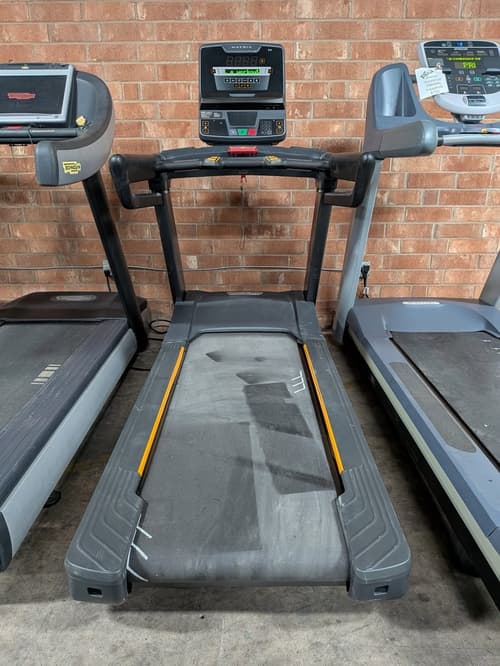
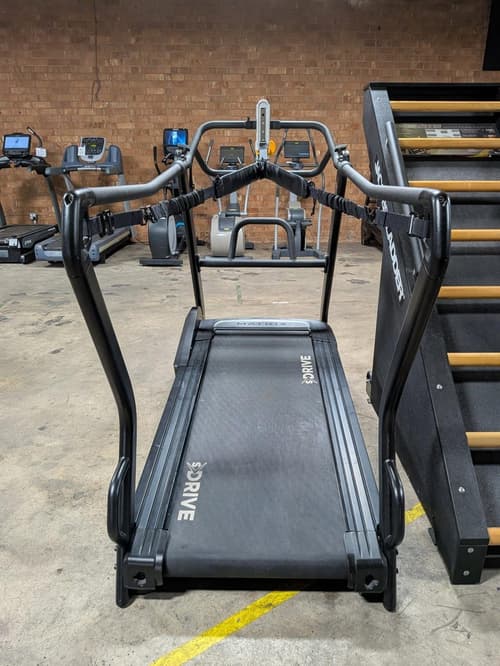
| Treadmill | Footfall vibration | Vibration mat or isolation pads under the frame |
| Jump rope | Repeated impacts | Thick foam mat, low jumps |
| Rowers and bikes | Hum and rattle | Equipment mat, tighten bolts |
4. Training Habits That Cut Noise
- Lower weights under control instead of dropping them
- Choose low-impact cardio like rowing, cycling or incline walking
- Swap box jumps and burpees for step-ups and squats
- Train during reasonable hours and talk to your neighbors
- Place equipment over joists or near load-bearing walls
5. Soundproofing the Room Itself
If music or voices are the issue, add a door sweep, seal gaps, hang acoustic panels and use heavy curtains. These won't stop impact noise, but they make the room quieter for everyone else in the house.
Shop Gym Flooring6. Talking to Neighbors and Landlords
A quick conversation goes a long way in shared buildings. Let neighbors know your usual training times, ask whether they notice any noise and adjust if needed. Renters should check their lease for rules on heavy equipment and floor protection, and use removable solutions such as interlocking tiles and freestanding platforms that won't leave permanent marks.
7. Budget Soundproofing
Start with crash pads and a rubber mat; add plywood layers only if noise is still a problem.
8. Quick Wins
Bumper plates, rubber-coated dumbbells and slow, controlled lowering make an immediate difference.
Final Thoughts
To soundproof a home gym, focus on impact: a layered floor, vibration mats under machines and smart training habits do far more than foam on the walls. With the right setup, you can lift, row and walk in an apartment or upstairs room without becoming the neighbor everyone talks about.
Frequently Asked Questions
- Can you lift weights in an apartment?
- Yes. Use a layered floor or crash pads, avoid dropping weights and favor controlled lifts.
- Do vibration mats work for treadmills?
- They reduce vibration noticeably, especially when combined with a dense rubber mat underneath.
- What is the quietest cardio machine?
- Magnetic rowers and magnetic exercise bikes are among the quietest options for apartments.
Shop Related Equipment
Train Without the Noise
Shop rubber flooring, mats and quiet home gym equipment.