Tips, guides and buying advice to help you get the most out of your fitness equipment.
Explore our latest posts on gym equipment, buying guides and more.
Dropshipping looks like an easy way into supplements. Here's what to know before you start.
One wrong word can turn a supplement into an unapproved drug in the eyes of regulators. Here's what's allowed.
Affiliate marketing is popular with fitness creators. Here's how to choose good programs.
Selling supplements online is competitive and regulated. Here's how to do it well.
Private label is the fastest way to launch a supplement brand. Here's how it works.
Launching a supplement brand takes more than a logo. Here's a step-by-step roadmap.
Supplements are regulated, just very differently from drugs. Here's how the system works.
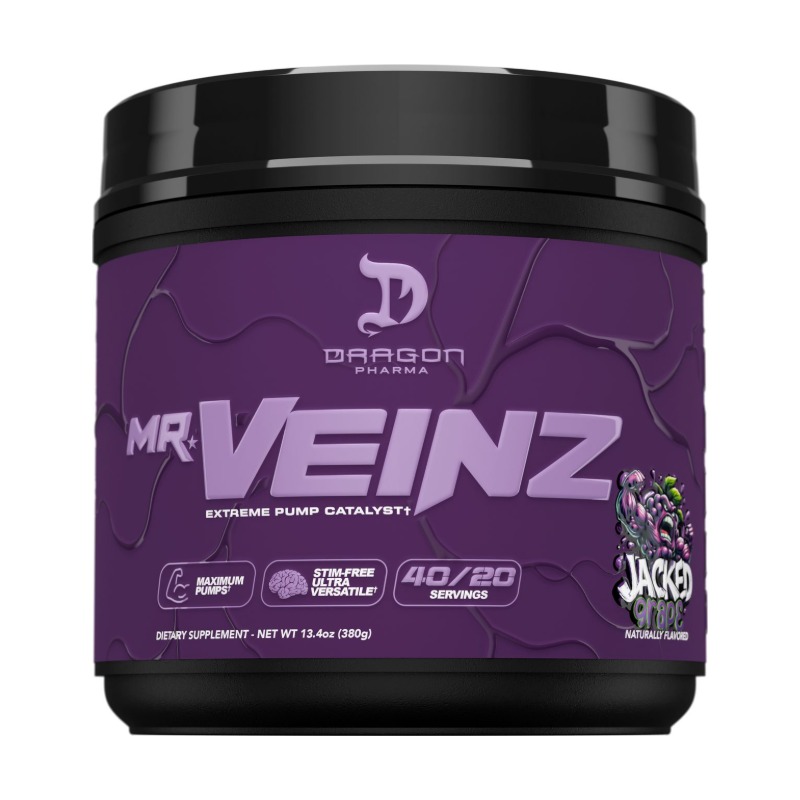
Bringing your supplements on a trip? Here's how to get through security and customs smoothly.
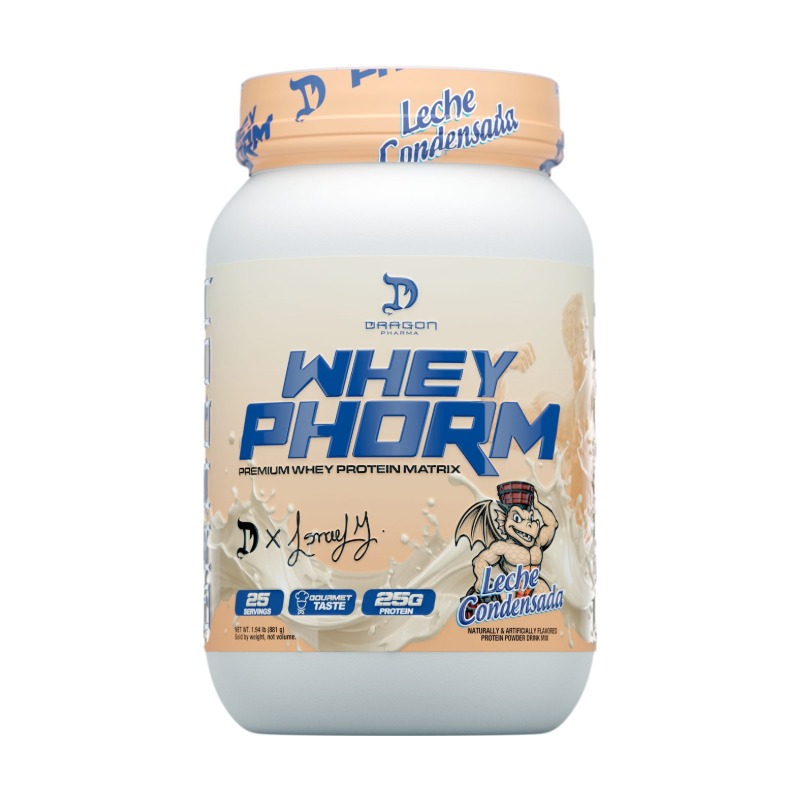
Lumpy shakes are avoidable. Here's how to mix protein powder smoothly every time.
Form affects dose, cost and stability more than absorption. Here's how the options compare.
Some supplements absorb better on an empty stomach; others need food. Here's the guide.
Herbal and dietary supplements are a recognized cause of liver injury. Here's what to watch for.
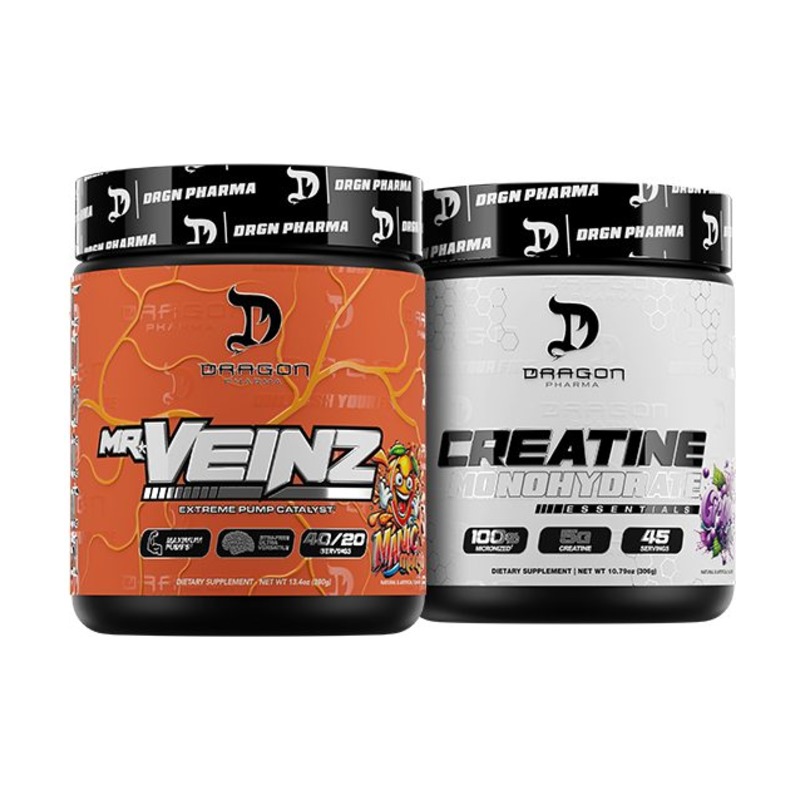
Stimulant pre-workouts raise heart rate and blood pressure. Here's when that's a concern.
Drug-tested athletes are responsible for everything they take. Here's what to know about banned substances.
Supplements can change how medications work. Here are the interactions to know.
Stacking supplements is common, but some combinations compete or overlap. Here's how to stack safely.
No supplement fixes overtraining, but some support recovery. Here's how to bounce back.
Most nootropic stacks overpromise. Here's what has real evidence for focus.
CBD is popular among athletes, but evidence is thin. Here's what we know.
Cramps aren't always about electrolytes. Here's what causes them and what helps.
Curcumin is studied for soreness and joint pain. Here's what athletes should know.
Sleep is when your body rebuilds. Here's how much you need and how to get more of it.
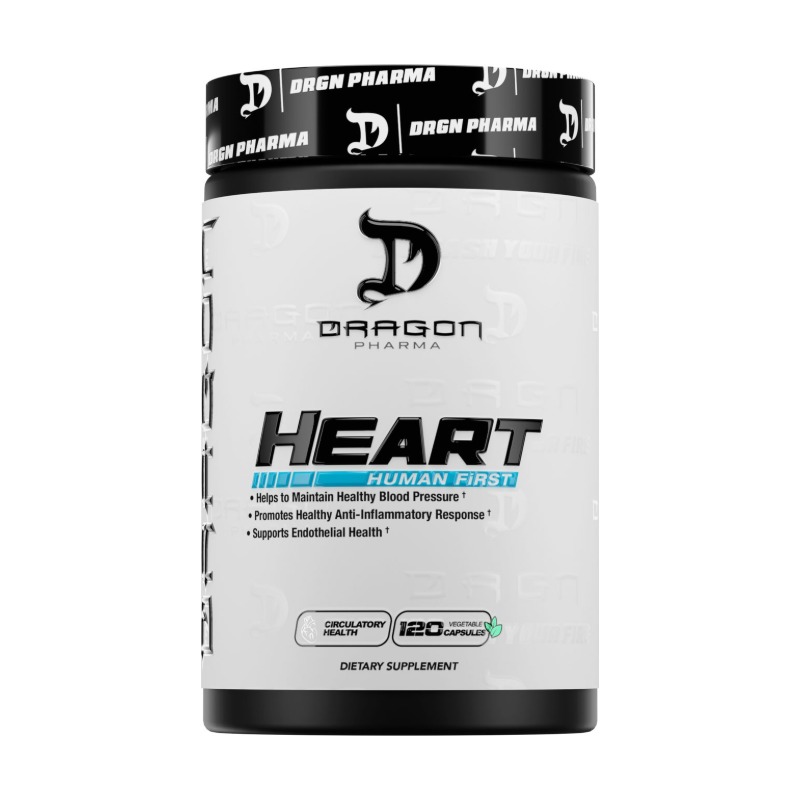
'Cortisol belly' is everywhere online. Here's what's real and what actually lowers stress.
Melatonin can help athletes reset their body clock. Here's how to use it wisely.
After 40, a smarter pre-workout means moderate caffeine and proven ingredients. Here's what to look for.
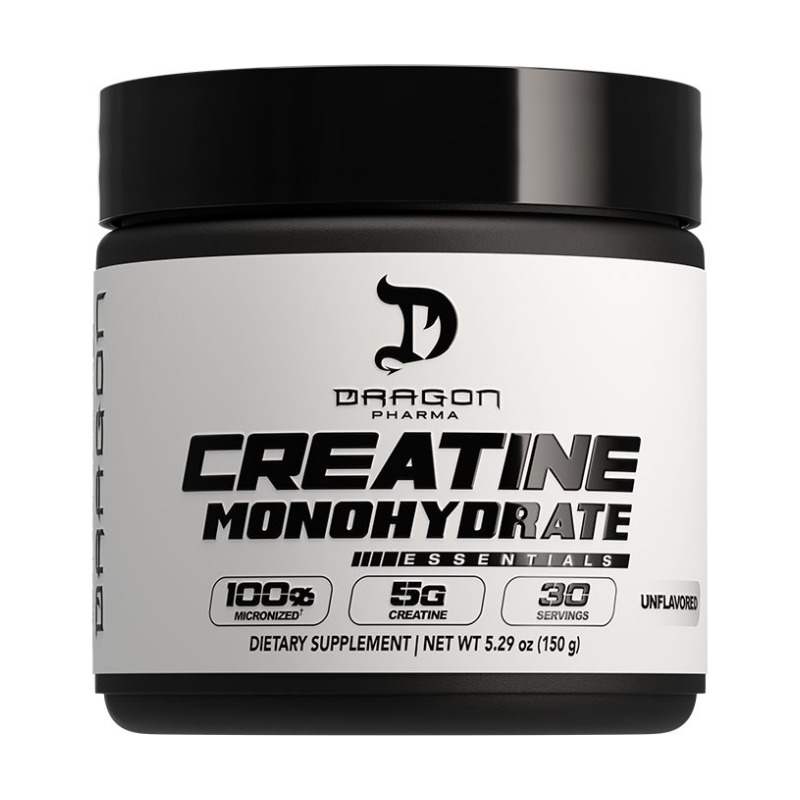
One study started the creatine hair loss worry. Here's what the evidence actually says.
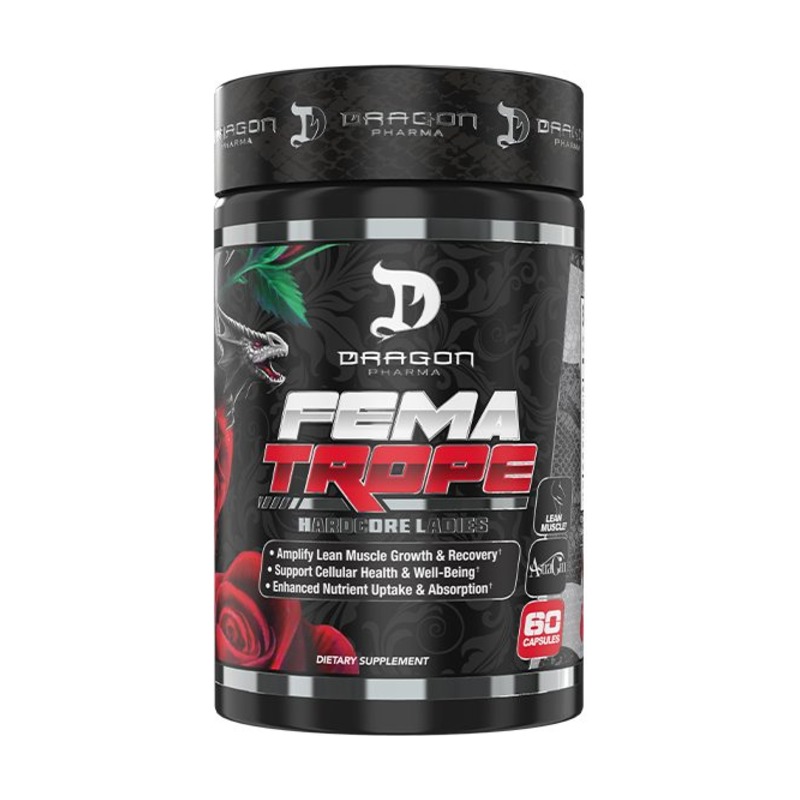
Supplements for sperm health are popular, but evidence is mixed. Here's what matters most.
Saw palmetto is a popular herbal remedy for prostate and hair. Here's what large trials found.
After 50, priorities shift to muscle, heart and prostate health. Here's what's worth considering.
Zinc is essential for testosterone, but more isn't better. Here's what research shows.
New parents often struggle to eat enough. Here's how to choose a safe protein powder postpartum.
Staying active in pregnancy is encouraged for most people. Here's what experts say about exercise and supplements.
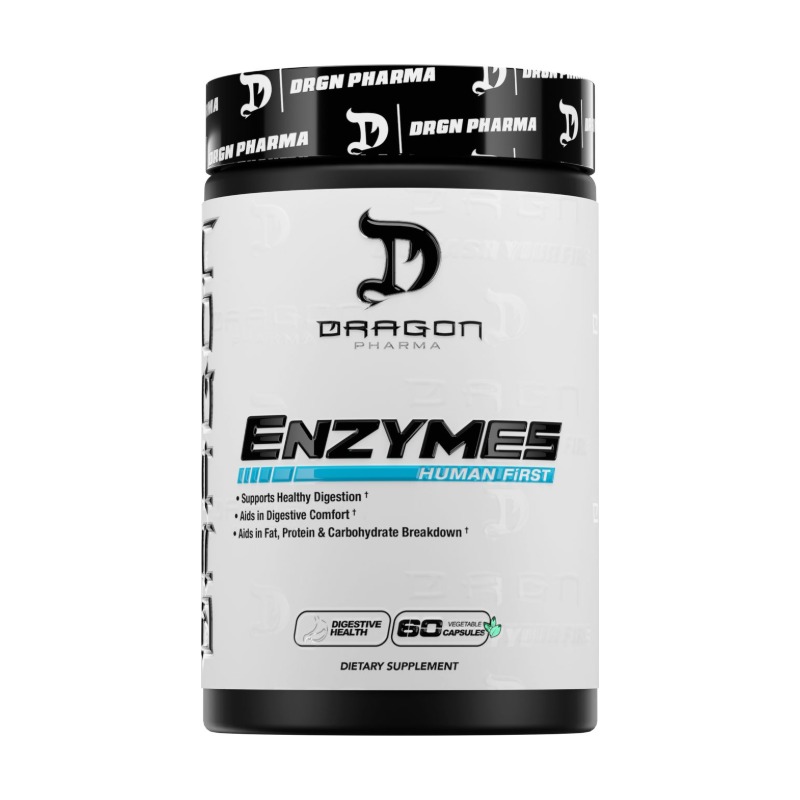
Magnesium is one of the most studied supplements for PMS. Here's what to know.
Strong bones need calcium, vitamin D and loading exercise. Here's how active women can get enough.
Most 'beauty vitamins' rely on biotin. Here's what actually helps hair, skin and nails.
Collagen production declines with age and menopause. Here's what supplements can and can't do.
After 50, needs shift toward bone, muscle and heart health. Here's what to consider.
Low iron is common in active women and can sap performance. Here's how to spot it and what to do.
Subscriptions can save money and time, or lock you into things you don't need. Here's how to choose.
Amazon has great supplements and plenty of fakes. Here's how to find tested products safely.
Store brands can be great value, if you know what to check. Here's how to compare.
Both brands emphasize clean, evidence-based formulas. Here's how they compare.
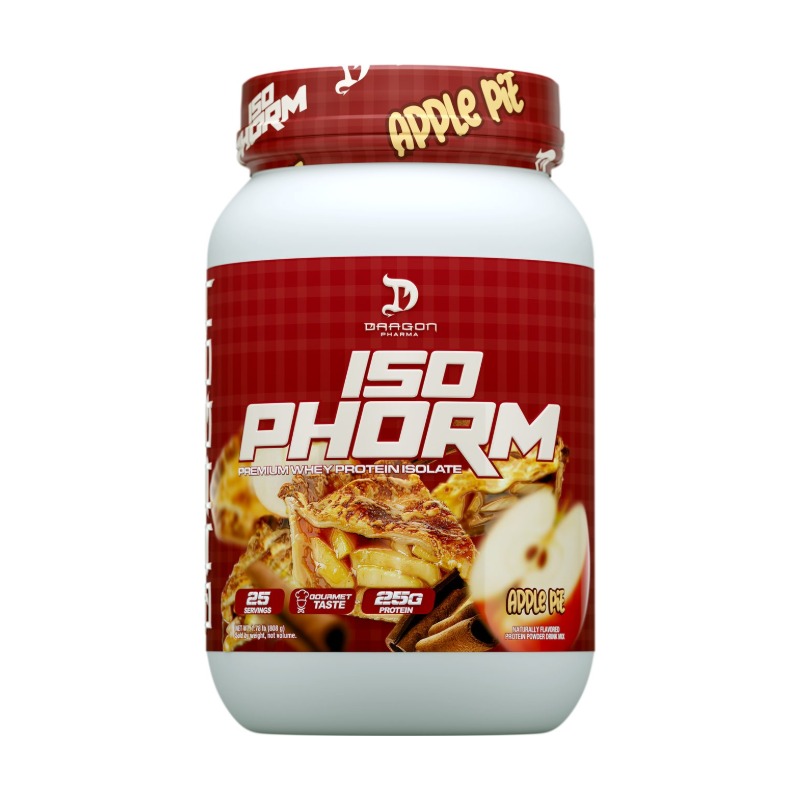
Myprotein is known for low prices and huge flavor ranges. Here's how the quality stacks up.
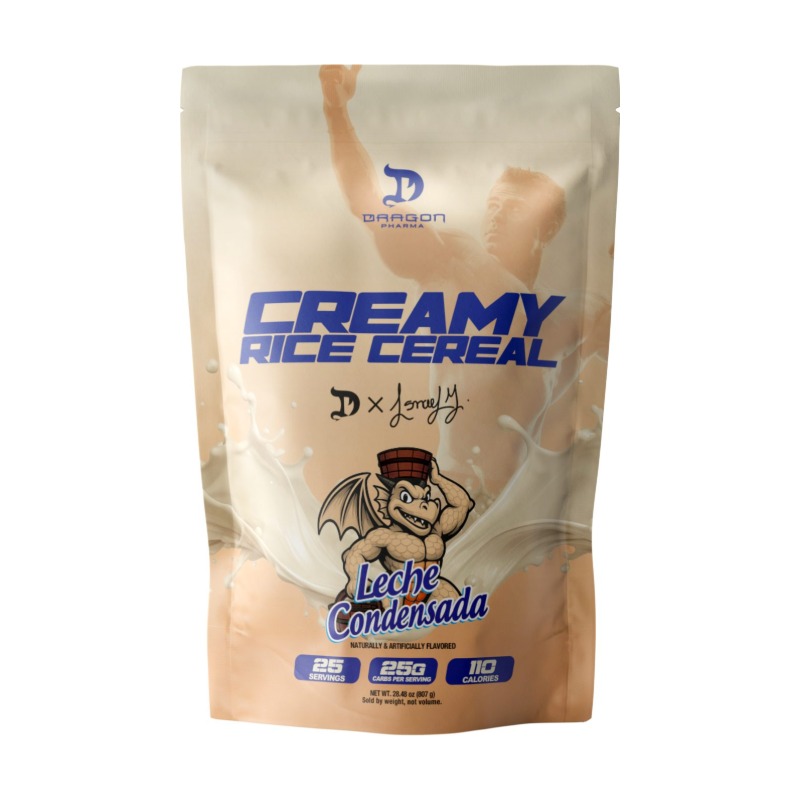
Two premium brands popular with athletes. Here's how Thorne and Momentous compare.
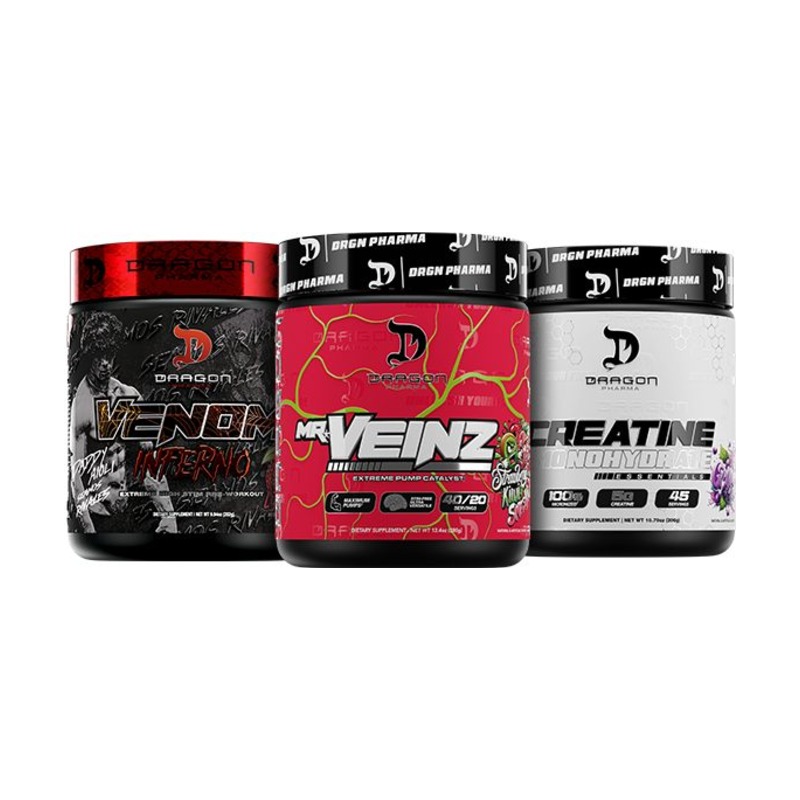
Two of the most popular pre-workouts. Here's how Ghost and C4 compare.
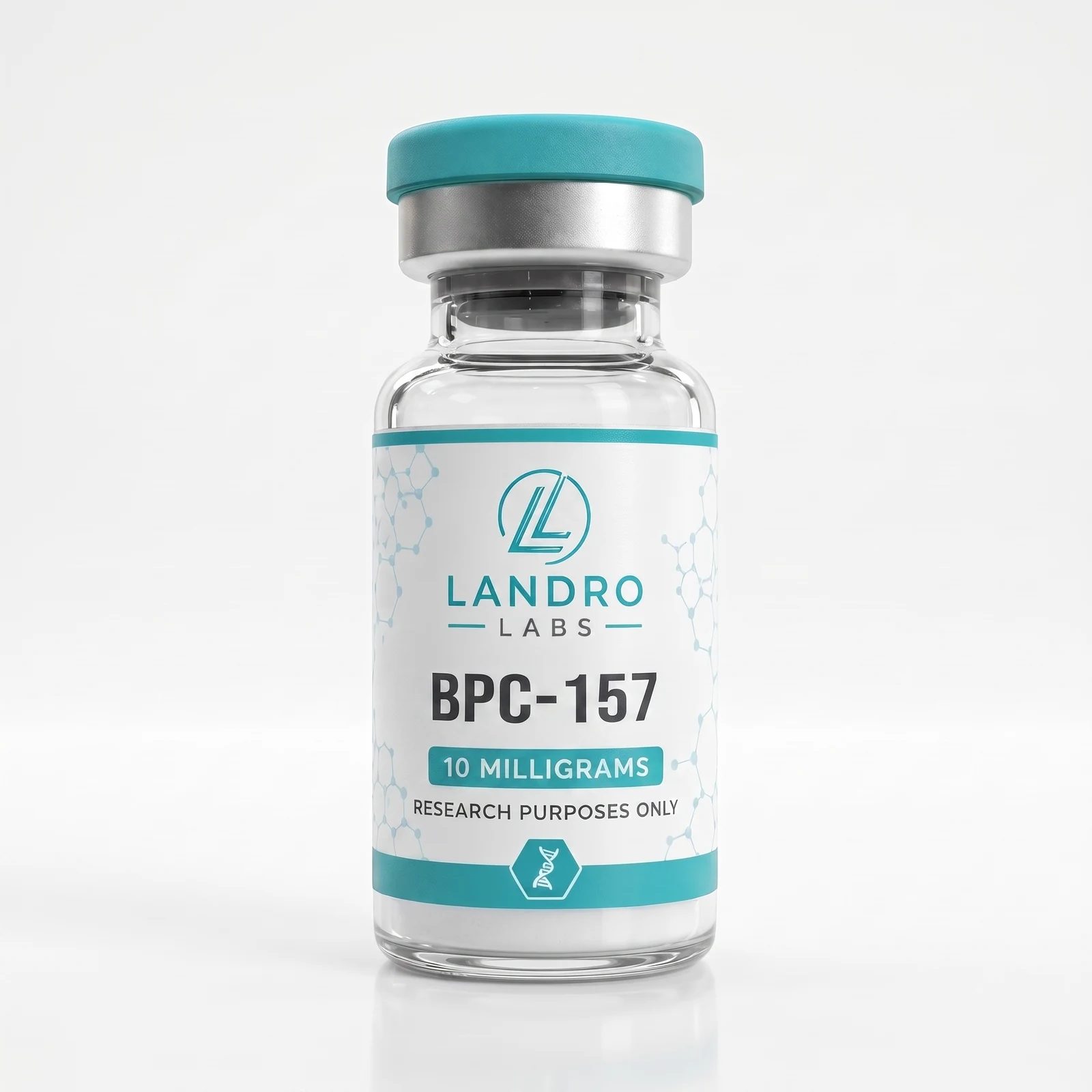
Transparent Labs is known for clean labels and premium pricing. Here's whether it's worth it.
Two of the best-known whey proteins. Here's how Gold Standard and ISO100 compare.
Plant-based athletes may get even more from creatine. Here's why and how to take it.
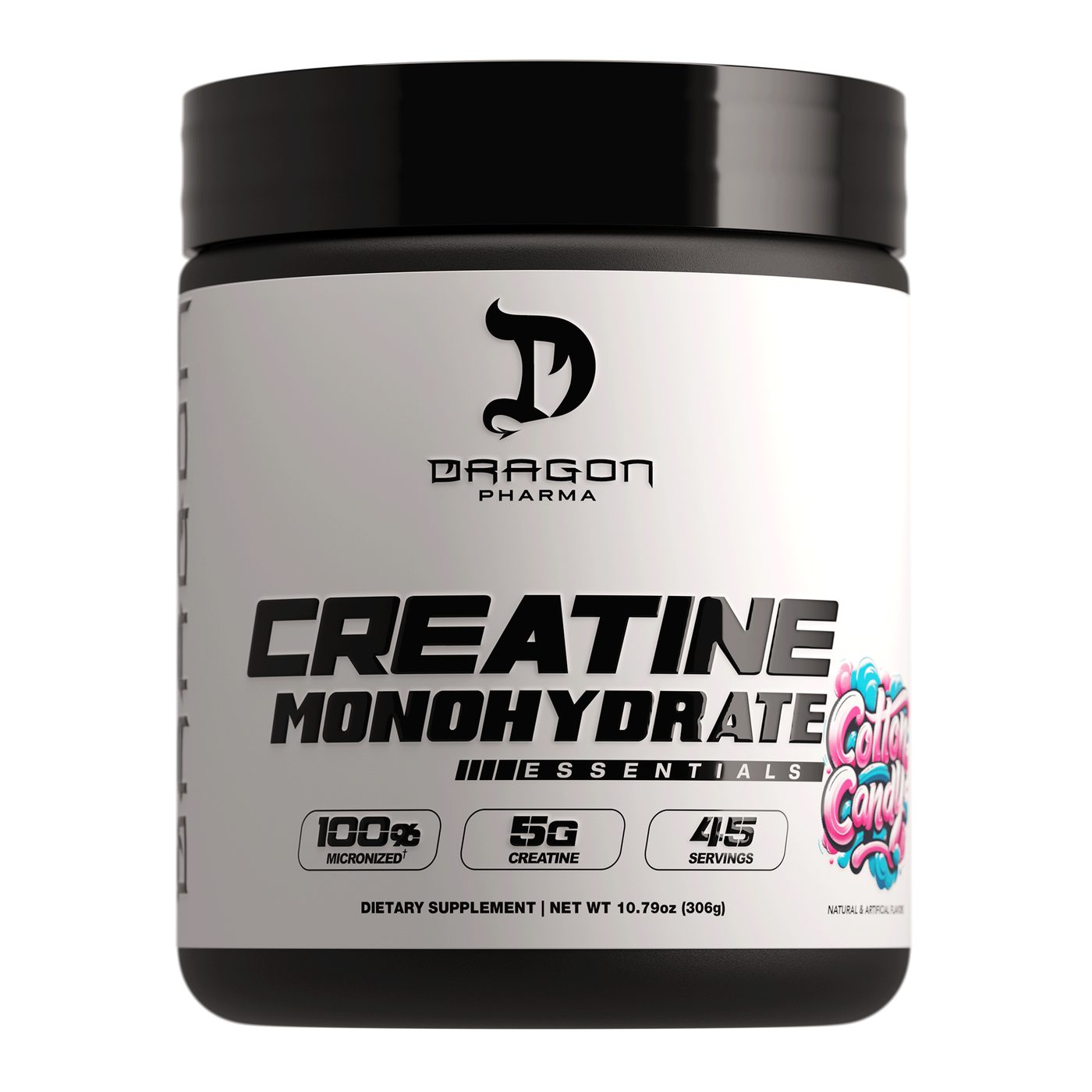
Creatine builds results over weeks; pre-workout works in minutes. Here's how they differ.
Can you take creatine at night? Here's what we know about timing and sleep.
Mixing creatine into your morning coffee is convenient. Here's whether it still works.
Creatine isn't just for lifters. Here's how runners and endurance athletes can use it.
Creatine works by building up over time. Here's a realistic timeline.
The kidney myth is one of the most persistent creatine concerns. Here's what research actually shows.
Creatine and alcohol don't interact dangerously, but alcohol can undo your progress. Here's what to know.
ACV gummies promise easy weight loss. Here's what the evidence actually shows.
Sea moss is everywhere on social media. Here's what's true and what's marketing.
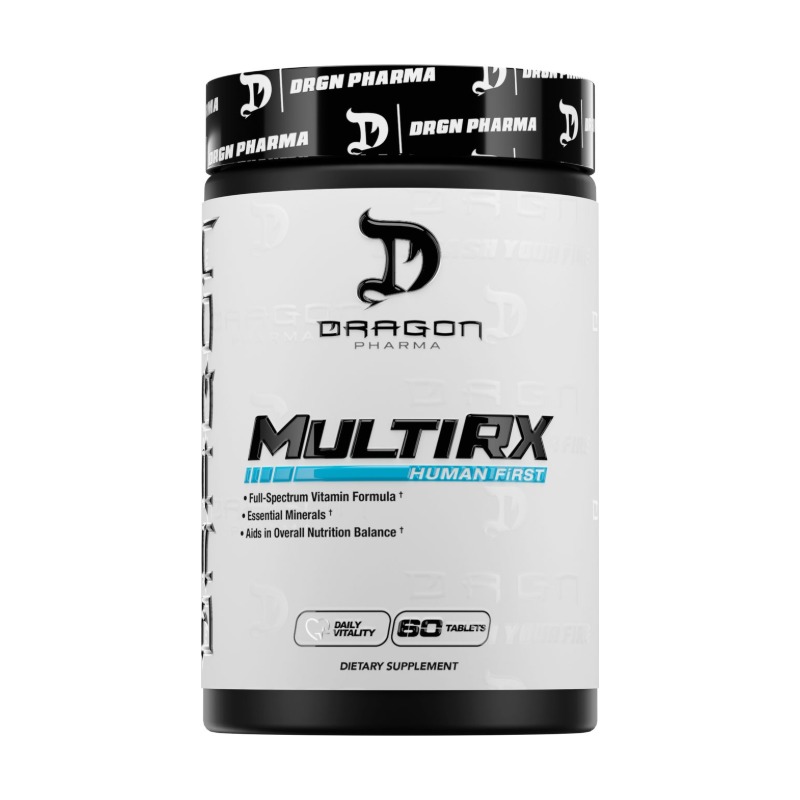
Glycine is a simple amino acid that may help you sleep better. Here's the evidence.
Colostrum is trending for gut and immune health. Here's what the research shows.
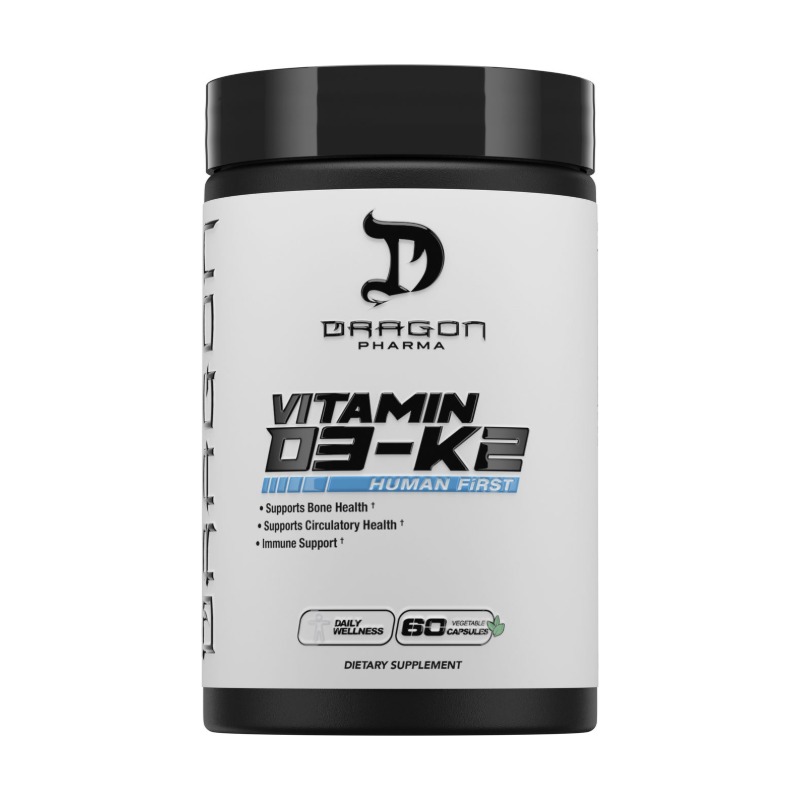
Rhodiola is an adaptogen studied for mental fatigue. Here's how it works and how to use it.
Cordyceps is the most popular 'performance mushroom.' Here's what research says.
Tart cherry juice is a popular natural recovery aid. Here's what the research shows.
Pairing L-theanine with caffeine can smooth out the jitters. Here's how to use the stack.
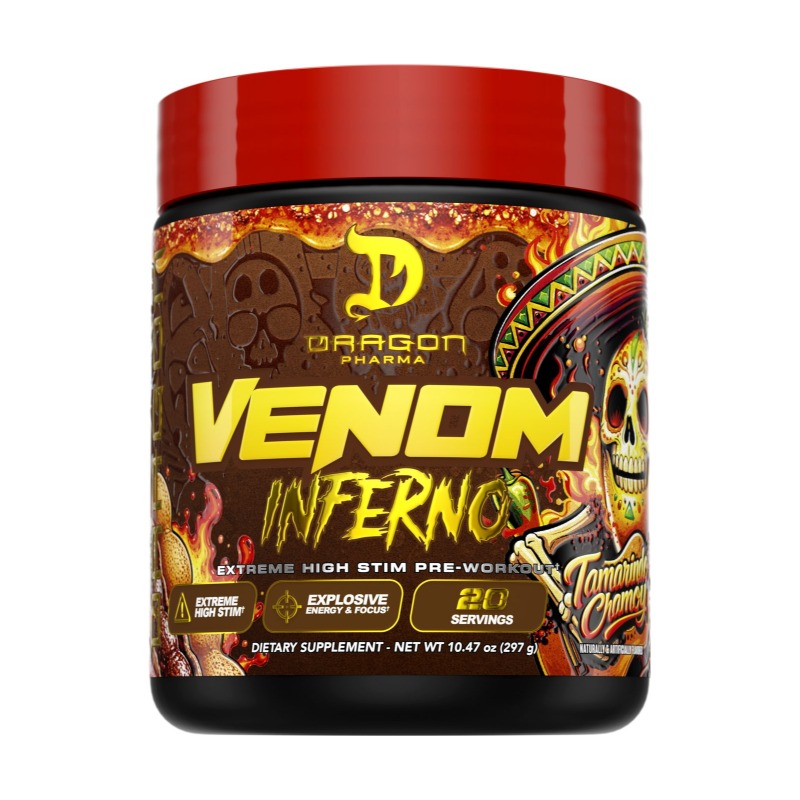
Alpha-GPC is a choline source used in pre-workouts and nootropics. Here's what it can do.
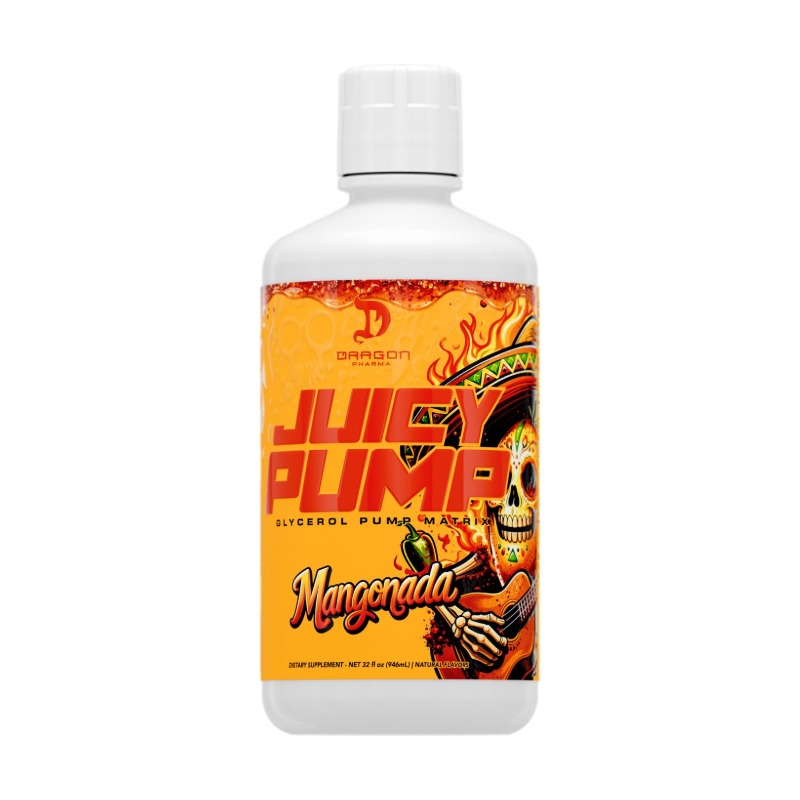
Betaine is a lesser-known pre-workout ingredient with some interesting research. Here's the summary.
Taurine is in nearly every energy drink. Here's what it actually does.
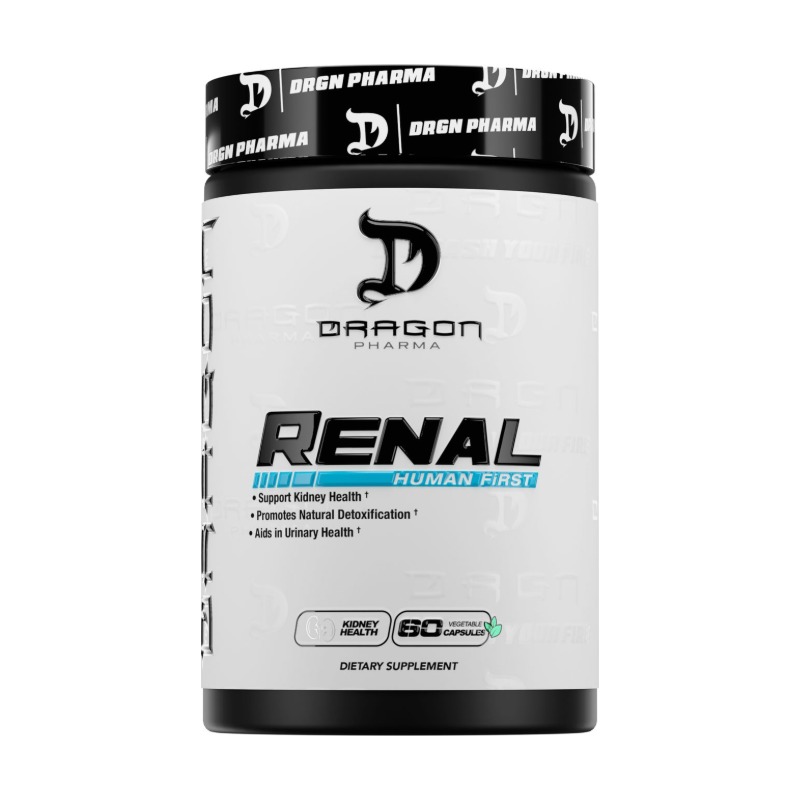
HMB may help protect muscle in specific situations. Here's who benefits and who doesn't.
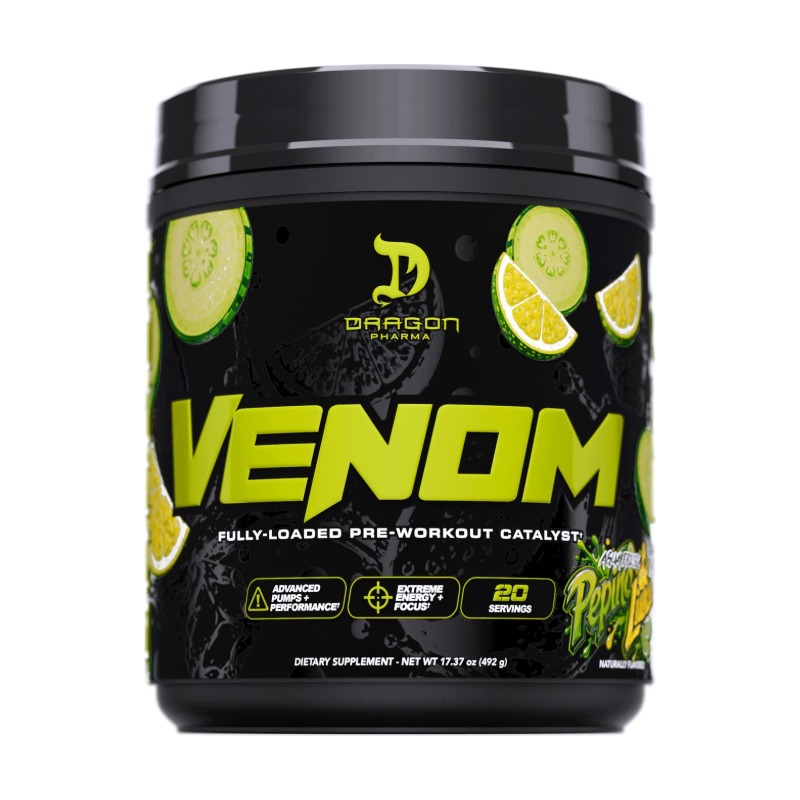
Beetroot is one of the few natural performance aids with solid research. Here's how to use it.
Shilajit is a tar-like resin with a long traditional history. Here's what modern research shows.
Turkesterone was marketed as a natural anabolic. Here's what the science actually supports.
Tongkat ali is one of the most popular 'natural testosterone' herbs. Here's what the research supports.
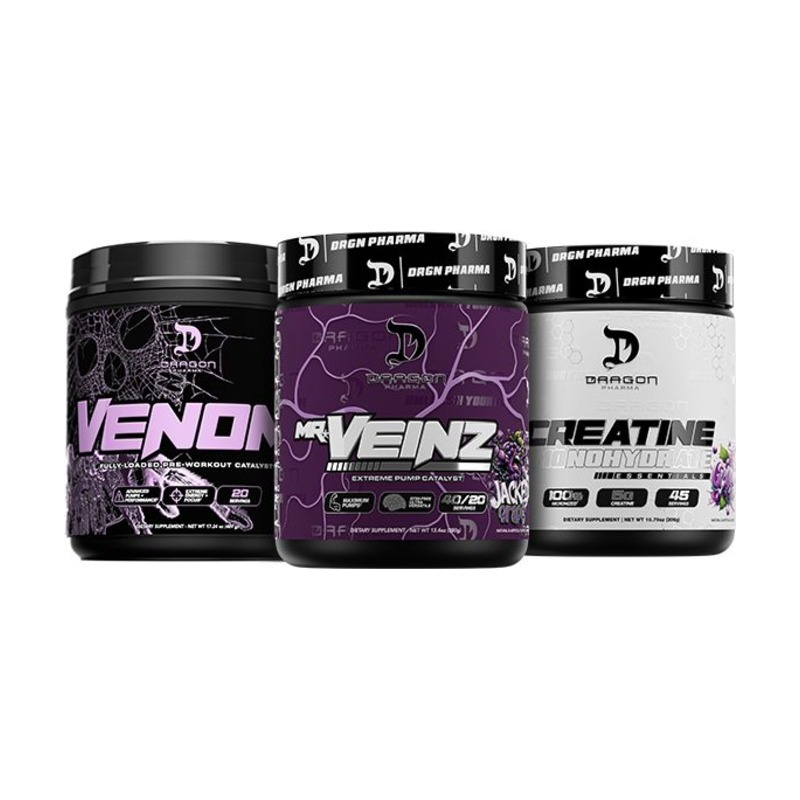
Supplements can make great gifts, if you choose wisely. Here's what to give.
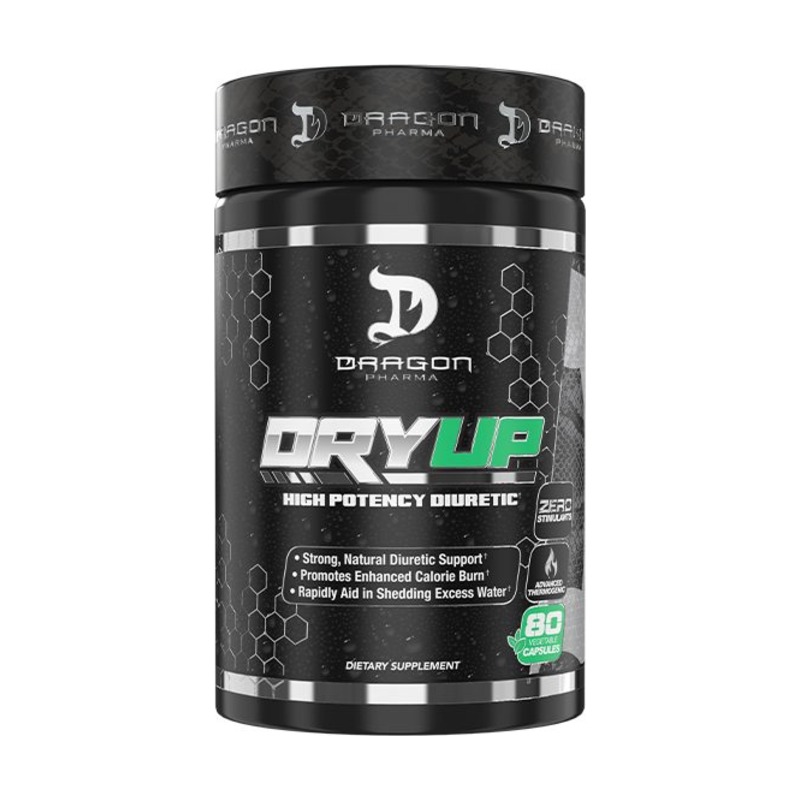
Timing helps some supplements work better and avoids interactions. Here's a simple daily schedule.
Creatine and protein are the two most proven muscle supplements. Here's why taking them together is simple and effective.
A smart cutting stack helps you keep muscle and control hunger. Here's what to include.
A muscle building stack doesn't need ten products. Here's an evidence-based stack with doses and timing.
Counterfeit supplements can contain the wrong ingredients or contaminants. Here's how to spot fakes and buy authentic products.
The supplement industry sells plenty of hype. Here are the most overrated products and what to spend your money on instead.
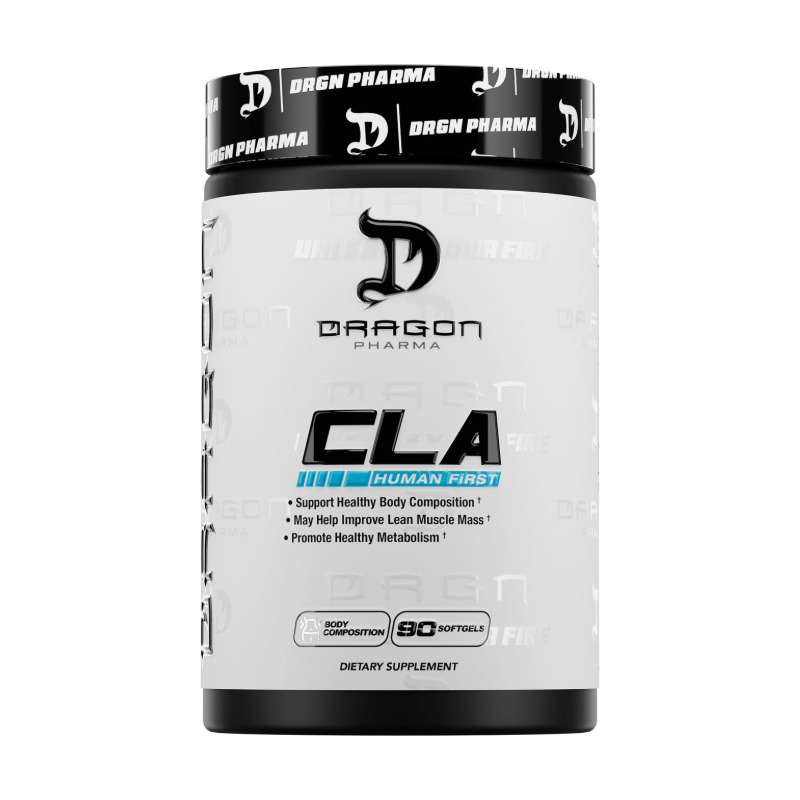
A supplement label tells you a lot if you know where to look. Here's how to decode one in under a minute.
Both programs protect athletes from contaminated supplements, but they work a little differently. Here's how.
Supplements aren't approved before they're sold. Third-party testing is how you know what's really in the bottle.
Carb powders fuel long sessions and make bulking easier. Here's how the main types compare.
Skip the expensive tub. These homemade mass gainer shakes use simple ingredients and pack serious calories.
A dirty bulk gains weight fast; a clean bulk gains better weight. Here's how they compare.
Gaining weight is hard when you're naturally thin. Here's a step-by-step plan to gain healthy weight and muscle.
A mass gainer adds calories; whey adds protein. Here's which one fits your goal.
If you struggle to eat enough, a mass gainer can help. Here's how to pick one that doesn't just pile on sugar.
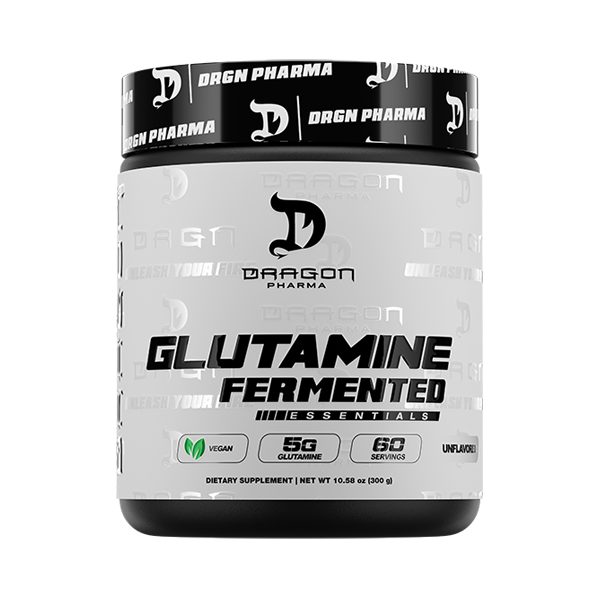
Tired all the time? Here's which energy and focus supplements work, and when low energy needs a doctor instead.
Sore after leg day? These recovery supplements have evidence, though sleep and food matter most.
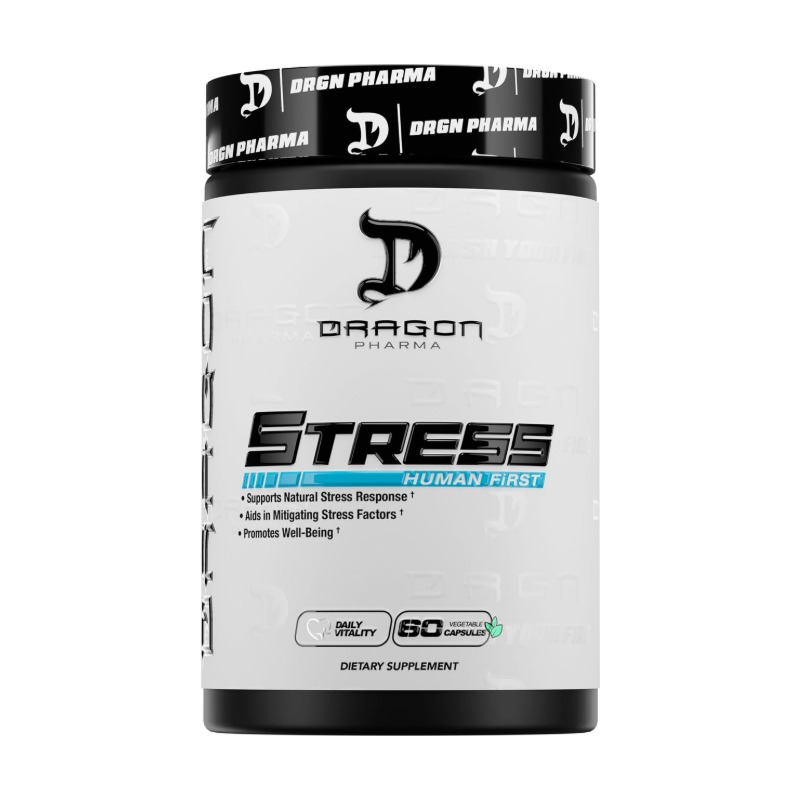
Only a handful of muscle building supplements have strong evidence. Here they are, ranked.
Teens are not small adults. Here's what parents and young athletes should know about supplements.
Plant-based athletes can thrive with a few key supplements. Here's what to consider.
Endurance athletes have different needs from lifters. Here's which supplements support running performance and recovery.
Menopause changes how your body builds muscle and bone. Here's which supplements can support active women through it.
After 40, the goal shifts to keeping muscle, heart health and energy. Here's which supplements support that.
Women who lift have a few unique nutrient needs. Here's which supplements are worth considering at every age.
New to the gym? You need far fewer supplements than ads suggest. Here's the short list that's actually worth it.
CoQ10 helps your cells make energy. Here's what supplementing can do and which form to choose.
Some supplements have real evidence for cholesterol and blood pressure. Here's what works and what to discuss with your doctor.
Your liver doesn't need a 'detox.' Here's what liver support supplements can and can't do, and which supplements to be careful with.
ZMA is marketed for sleep, recovery and testosterone. Here's what research actually supports.
Probiotics are strain-specific, which makes choosing one tricky. Here's how to pick a probiotic that matches your goal.
Most testosterone boosters overpromise. Here's which ingredients have evidence and what really moves the needle.
Sleep is the most powerful recovery tool you have. These supplements may help, alongside good sleep habits.
Heavy training is tough on joints. Here's which joint supplements have evidence and which are mostly hope.
Collagen peptides are popular for skin and joints. Here's what research supports and how to choose a quality product.
Greens powders promise a garden in a scoop. Here's what they can realistically do and how to pick a good one.
Ashwagandha is one of the best-studied adaptogens. Here's what it can and can't do.
D3 and K2 are often sold together for bone and heart health. Here's what each does and how much to take.
Magnesium comes in many forms, and they're not interchangeable. Here's which type to choose for sleep, cramps and recovery.
Not all fish oil is equal. Here's how to read the label for EPA, DHA, freshness and purity.
A multivitamin is nutritional insurance, not a performance booster. Here's how to choose a good one for an active lifestyle.
A good meal replacement is more than a protein shake. Here's what to look for and how to use one for weight loss.
CLA is a popular fat loss supplement with a modest track record. Here's what research shows.
GLP-1 medications reduce appetite dramatically, which can mean losing muscle. Here's how protein and smart supplements can help.
Berberine went viral as 'nature's Ozempic.' Here's what the research actually shows.
Supplements marketed as 'natural GLP-1' are everywhere. Here's what's real and how they compare to prescription medications.
Controlling hunger is half the battle in fat loss. Here's which natural appetite suppressants have evidence.
The most useful weight loss supplements aren't flashy. Here's what research actually supports.
L-carnitine shuttles fat into your cells to be burned. But does supplementing help you lose weight? Here's what research shows.
Fat burners promise a lot. Science shows a much smaller effect. Here's the honest answer.
Most fat burners overpromise. Here's which ingredients have real evidence, how big the effects are and what to avoid.
Sodium is the key ingredient most people overlook. Here's how to choose an electrolyte powder that fits your training.
For long or intense sessions, what you drink during training can matter. Here's when intra-workout supplements help.
Glutamine is the most abundant amino acid in the body. Here's what supplementing actually does.
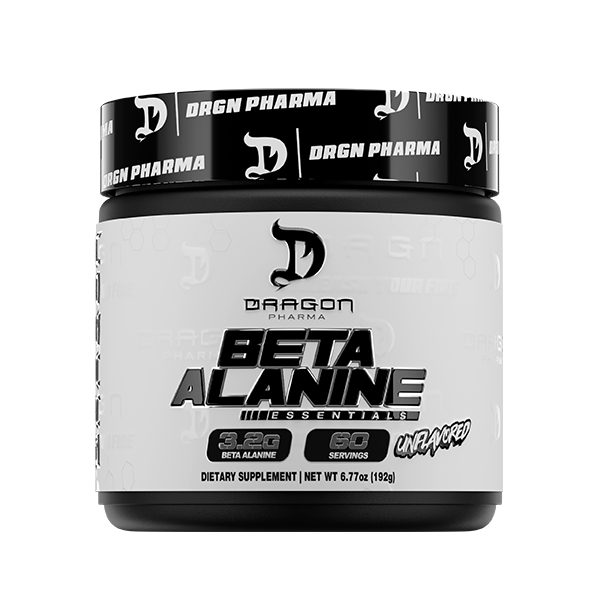
BCAAs were a gym staple for years. Research now tells a more nuanced story. Here's whether they're worth buying.
An EAA supplement can fill gaps when protein intake is low. Here's how to choose an effective one.
BCAAs are three amino acids; EAAs are all nine essentials. Here's why that difference matters for muscle.
Coffee is cheap and effective. Pre-workout adds extra ingredients. Here's which one makes sense for you.
Pre-workouts range from 0 to 400 mg of caffeine per scoop. Here's how much you actually need and where the limits are.
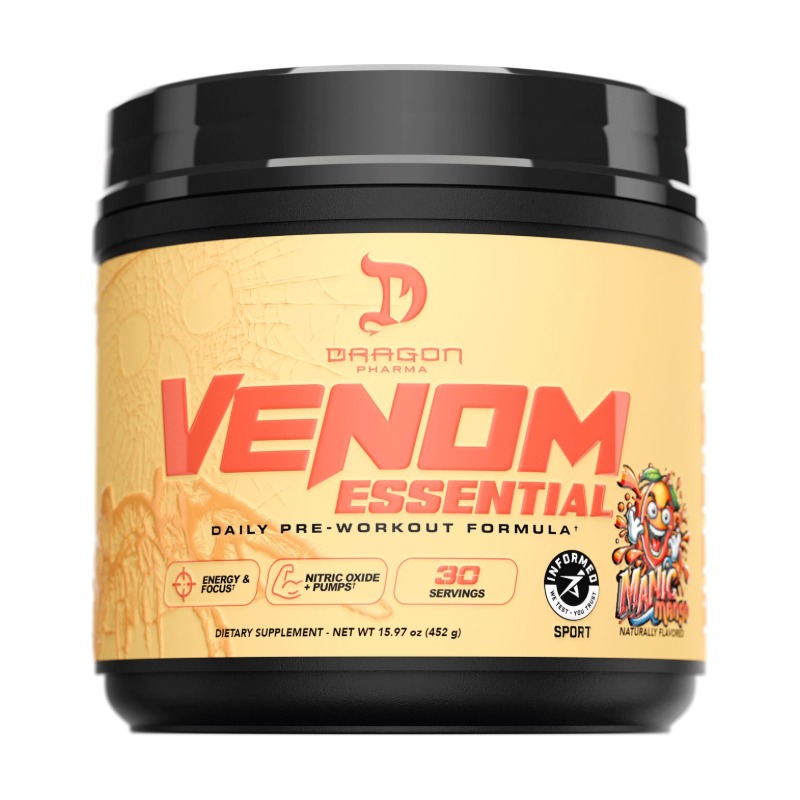
Beta-alanine helps you push through burning sets and intervals. Here's how it works and how to take it.
Both raise nitric oxide, but the doses differ. Here's how to compare L-citrulline and citrulline malate.
Pump supplements aim to increase blood flow to working muscles. Here's which ingredients actually work.
Most pre-workouts kick in within 30 minutes and last a few hours. Here's how to time yours.
Itchy face, racing heart, afternoon crash? Here's what causes common pre-workout side effects and how to avoid them.
Women's pre-workouts are often just lower-caffeine formulas. Here's what to look for in any pre-workout.
Trying pre-workout for the first time? Start mild, start small and learn how your body responds.
Train late or sensitive to caffeine? A stim-free pre-workout can still boost pump and endurance.
Pre-workout can boost energy, focus and pump. Here's what each common ingredient actually does.
The best pre-workouts use proven ingredients at real doses. Here's how to read the label and pick one that works.
An old study raised doubts about mixing creatine and caffeine. Here's what newer research says.
Creatine cycling is a gym myth for most people. Here's what research says about taking creatine long term.
Unflavored creatine is cheap and versatile; flavored is easy to drink alone. Here's how to choose.
Combined with strength training, creatine may help older adults hold on to muscle and strength. Here's what research shows.
Yes, a little, but not the kind of weight most people worry about. Here's what's happening on the scale.
HCL is marketed as more soluble and less bloating. Here's whether it actually beats monohydrate.
Creatine is very safe, but it has a few known side effects and some persistent myths. Here's the truth.
Pre-workout, post-workout or with breakfast? Here's what research says about creatine timing.
Loading gets you there faster, but you'll end up in the same place either way. Here's how to decide.
3 to 5 grams is the magic number for most people. Here's the full creatine dosage guide.
Creatine isn't just for men. Here's what research shows about creatine for women, how to take it and what to expect.
Creatine gummies are convenient, but testing has raised questions about what's really in them. Here's how to choose wisely.
Creatine helps your muscles regenerate energy for hard efforts. Here's how it works and what the research says about its benefits.
Creatine is one of the most proven supplements there is. Here's how to choose a pure, effective product without overpaying.
Bloating, gas or breakouts after protein shakes? Here's what causes common protein powder side effects and how to fix them.
Lactose intolerant? You still have plenty of great protein options. Here's how they compare.
Seven easy protein shake recipes, from light smoothies to high-calorie bulking shakes, with approximate macros.
Some protein bars are candy bars in disguise. Here's how to pick bars that actually support your goals.
Want to skip sucralose and acesulfame K? Here's how to find a natural or unsweetened protein powder you'll still enjoy.
Protein powder is generally safe, but quality varies. Here's what to know about heavy metals and third-party testing.
A protein powder only works if you drink it. Here's what makes protein taste great and how to find your favorite.
Whey is fast; casein is slow. Here's how the two milk proteins compare and when to use each.
Clear whey mixes into a light, juice-like drink instead of a milkshake. Here's how it works and who it's for.
Plant protein can build muscle just like whey, if you choose well. Here's what to look for in a vegan protein powder.
Women don't need a special protein powder, but they do need enough protein. Here's how to pick a great one.
Protein keeps you full and protects muscle while you diet. Here's how to choose a protein powder that supports weight loss.
Before your workout, after it, or before bed? Here's what research says about protein timing and what matters more.
The research is clear on how much protein you need to build muscle. Here's the number, how to split it up and how to hit it.
Isolate is more filtered, with more protein and less lactose. Here's whether it's worth the extra cost.
The best protein powder for muscle gain isn't about hype. It's protein per scoop, quality, testing and taste. Here's what to look for.