
Male Fertility Supplements: What the Research Says
Supplements for sperm health are popular, but evidence is mixed. Here's what matters most.
Vitamins and Health Supplements
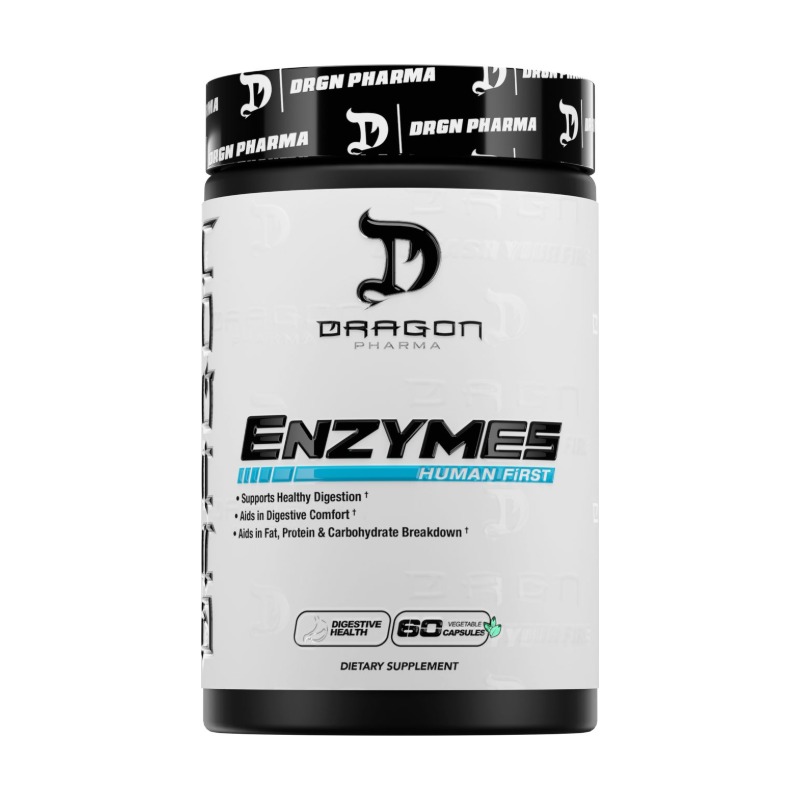
1. What Research Shows
| Supplement | Evidence |
|---|---|
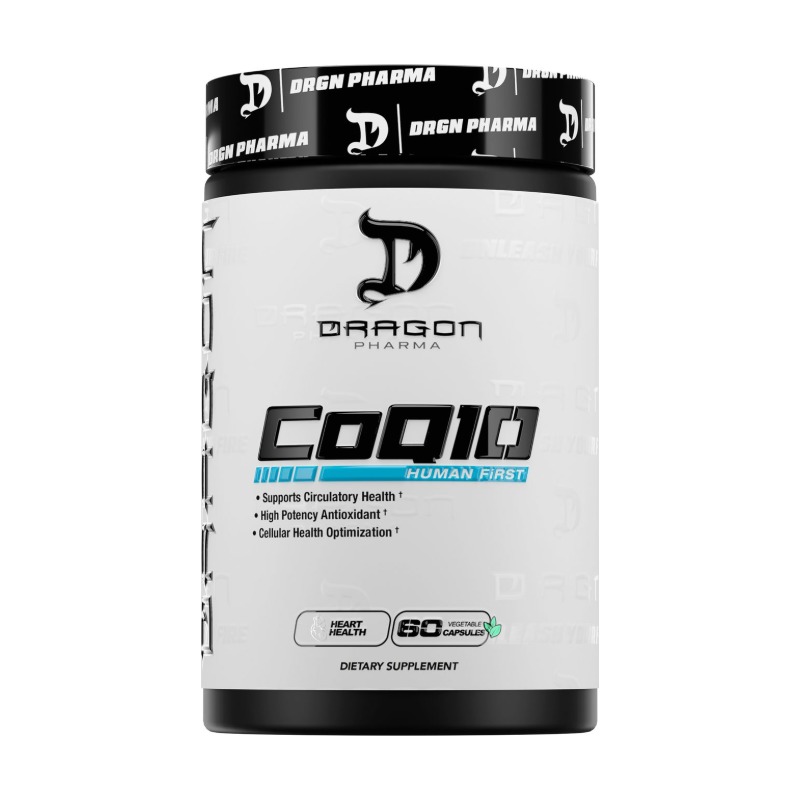
| CoQ10 | Some studies show improved sperm parameters |
| Antioxidant blends | Mixed; a large trial found no improvement in pregnancy rates |
| Zinc + folic acid | A large trial found no improvement in semen quality or live births |
| Vitamin D (if deficient) | Correcting deficiency is reasonable |
2. Lifestyle Factors Matter More
- Testosterone and anabolic steroids can severely suppress sperm production
- Maintain a healthy weight
- Avoid smoking and limit alcohol
- Reduce heat exposure like hot tubs and laptops on the lap
- Manage stress and sleep
3. When to See a Doctor
If a couple hasn't conceived after 12 months of trying (or 6 months if the partner is over 35), both partners should be evaluated. A semen analysis is a simple first step.
Shop Vitamins & Health4. Diet and Male Fertility
A diet rich in fruits, vegetables, whole grains, fish and nuts may support sperm health. Diets high in processed meats, trans fats and sugary drinks have been associated with poorer sperm quality in some studies. Maintaining a healthy weight also supports hormonal balance and fertility.
Small dietary changes can complement other lifestyle improvements.
5. Timeline for Improvements
Sperm takes about two to three months to develop, so lifestyle and supplement changes need at least that long to show effects on semen analysis. Be patient and work with a fertility specialist to track progress.
6. Supplements to Avoid
Avoid testosterone boosters with hidden ingredients and anabolic products, which can harm sperm production.
7. Antioxidants and Sperm Health
Oxidative stress can damage sperm, which is why antioxidants like vitamin C, vitamin E, selenium, zinc and CoQ10 are studied for male fertility. Some studies show improvements in sperm parameters, but larger trials have not consistently shown improved pregnancy rates. Eating antioxidant-rich foods is a safe, healthy approach.
Discuss supplements with a fertility specialist before starting.
8. Our Recommendation
Focus on lifestyle changes, avoid testosterone products and work with a fertility specialist.
9. Lifestyle Factors That Affect Sperm Health
Smoking, heavy drinking, obesity, poor sleep, high stress and frequent heat exposure from hot tubs or laptops on the lap can reduce sperm quality. Anabolic steroids and testosterone therapy can severely suppress sperm production. Improving diet, exercising regularly, maintaining a healthy weight and reducing alcohol often improve fertility markers within a few months.
Sperm takes roughly two to three months to develop, so give lifestyle changes and supplements time before reassessing.
10. When to See a Fertility Specialist
Couples should consider a fertility evaluation after twelve months of trying to conceive, or after six months if the woman is over 35. A semen analysis is a simple, inexpensive first step that measures sperm count, motility and shape. Results guide whether lifestyle changes, supplements or medical treatment make the most sense, so test before spending heavily on fertility supplements.
Final Thoughts
Male fertility supplements show mixed results, with CoQ10 among the more promising. Lifestyle changes, especially avoiding testosterone and anabolic steroids, often matter more. See a fertility specialist for proper testing. This article is for general information only and isn't medical advice. Talk to a doctor or registered dietitian before starting a supplement, especially if you're pregnant or nursing, take medication or have a health condition.
Frequently Asked Questions
- Does testosterone therapy affect fertility?
- Yes; external testosterone can greatly reduce sperm production.
Shop Related Equipment
Support Your Health
Shop vitamins and wellness supplements from trusted brands.