
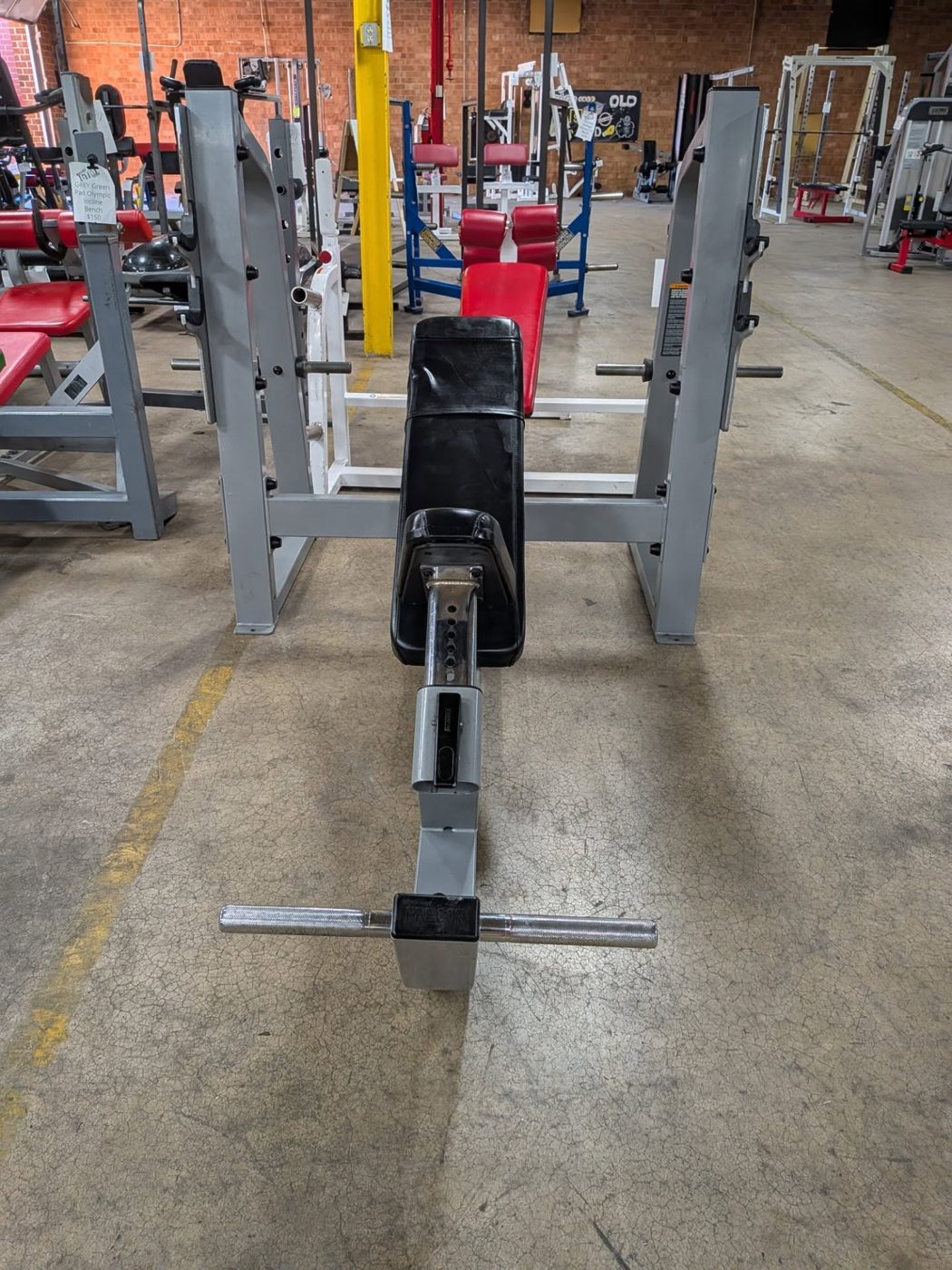
Flat vs. Incline vs. Decline Bench: Which Weight Bench Do You Need?
What each bench angle actually trains, and how to decide between fixed benches and an incline-decline weight bench.
Incline & Decline Benches for Sale
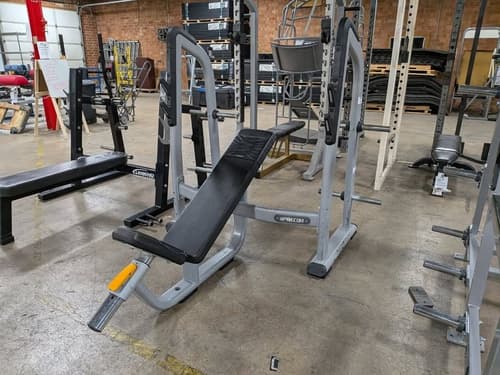
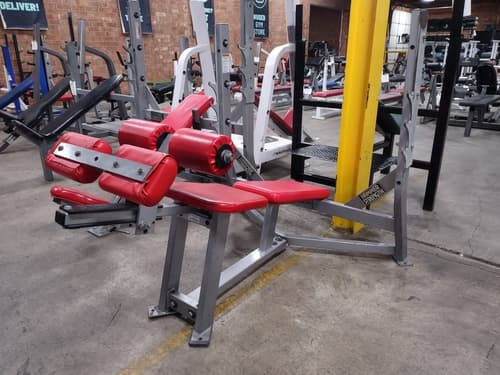
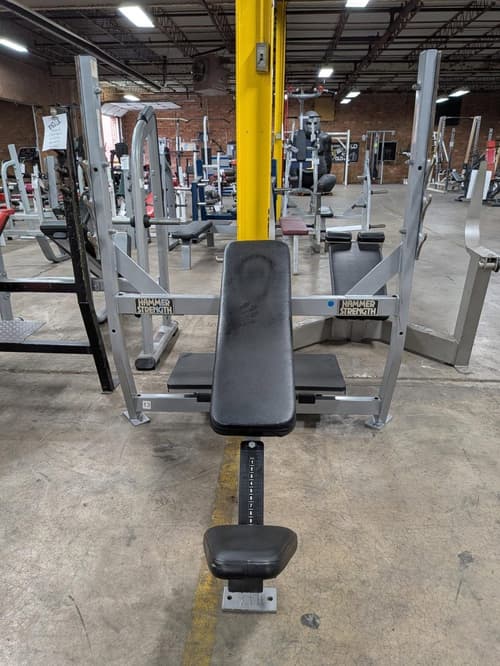
1. Why Bench Angle Matters
Changing the angle of a bench changes which muscles do the most work during a press. The flat, incline and decline bench press all train the chest, shoulders and triceps, but the emphasis shifts with the angle. Understanding those differences helps you decide which benches — or which bench settings — your training actually needs.
2. Flat Bench: The Foundation
The flat bench press trains the chest as a whole, along with the front shoulders and triceps. It's usually where lifters can move the most weight, which is why it's the standard test of upper-body pressing strength. A flat bench also supports rows, step-ups, hip thrusts and many dumbbell exercises.
Read: Flat Workout Bench Guide3. Incline Bench: Upper Chest and Shoulders
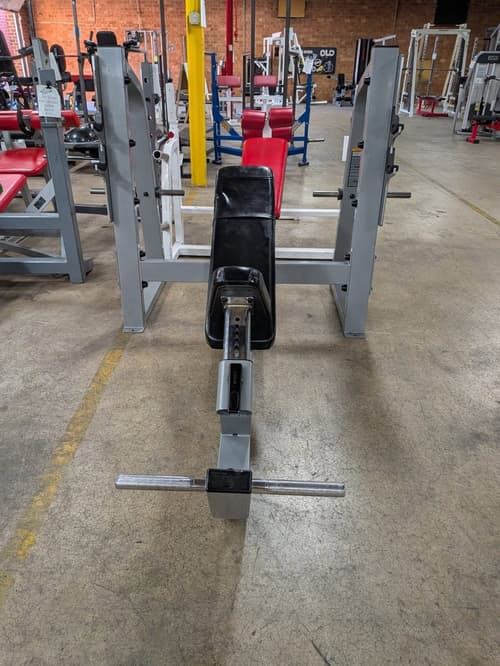
An incline bench raises the back pad so you press upward at an angle. This shifts more of the work to the upper chest and front shoulders. Many lifters find a low-to-moderate incline, roughly 15 to 45 degrees, gives the best upper-chest emphasis; steeper angles start turning the movement into a shoulder press.
Incline benches also support seated curls, incline dumbbell rows and seated overhead pressing near upright.
4. Decline Bench: Lower Chest
A decline bench puts your head below your hips, with a leg hold-down to keep you in place. The decline press emphasizes the lower chest and often allows heavy loads with a shorter range of motion. Decline benches also double as decline sit-up and crunch benches for core training.
5. Comparing the Three Angles
Here's how the three bench positions compare at a glance.
| Bench | Primary Emphasis | Other Uses |
|---|---|---|
| Flat | Overall chest, triceps, front delts | Rows, step-ups, hip thrusts |
| Incline | Upper chest, front delts | Seated curls, overhead press near upright |
| Decline | Lower chest | Decline sit-ups and crunches |
6. Fixed Benches vs. an Incline-Decline Weight Bench
Commercial gyms usually buy separate fixed Olympic benches for flat, incline and decline pressing so members can use them at the same time. For a home gym, one incline-decline weight bench — often called an FID (flat-incline-decline) bench — covers all three angles in a single footprint.
The tradeoff is that an FID bench has more moving parts and a pad gap to manage. If you rarely use decline, a flat-incline bench is simpler and often more stable.
Read: Adjustable Workout Bench Buying Guide7. Which Bench Should You Buy?
If you can buy only one bench for home, an adjustable flat-incline bench covers the most useful angles. Add decline if you train lower chest or core on a bench regularly. If you run a commercial gym, buy flat and incline Olympic benches first — they get the most use — then add decline and military benches as space allows.
- One bench at home: flat-incline adjustable
- Decline work included: flat-incline-decline (FID)
- Commercial floor: flat and incline Olympic benches first
- Heavy pressing priority: a dedicated flat bench
8. Incline and Decline Benches for Sale
Incline benches, decline benches and adjustable FID benches are common on the used market as commercial gyms refresh their floors. Fixed Olympic incline and decline benches from commercial brands are especially good value because they have no adjustment hardware to wear.
Shop Incline & Decline BenchesFinal Thoughts
Flat benches build overall pressing strength, incline benches emphasize the upper chest and shoulders, and decline benches target the lower chest and core. A home gym usually gets the most from one solid adjustable bench, while commercial gyms benefit from dedicated fixed benches for each angle.
Frequently Asked Questions
- Is incline or flat bench better for chest?
- Both are valuable. Flat bench trains the chest as a whole and usually allows the heaviest loads; incline bench emphasizes the upper chest and shoulders.
- What angle should an incline bench be?
- Many lifters prefer roughly 15 to 45 degrees for upper-chest emphasis. Steeper angles shift more work to the shoulders.
- Do I need a decline bench?
- It's optional. Decline pressing is useful for lower-chest emphasis and core work, but many programs work well without it.
- What is an FID bench?
- A flat-incline-decline bench that adjusts to all three angles, usually with a leg hold-down for decline work.
- Can one bench do flat, incline and decline?
- Yes — an FID adjustable bench covers all three, though it has more moving parts than fixed benches.
- Why do gyms have separate incline and decline benches?
- Fixed benches are very stable and let multiple members train different angles at the same time.
Shop Related Equipment
- Adjustable Workout Bench Buying Guide: How to Choose the Best Adjustable Weight Bench
- Flat Workout Bench Guide: How to Choose a Flat Bench for Bench Press and Dumbbell Training
- Olympic Weight Bench Guide: Choosing a Bench Press Bench for Barbell Training
- Chest Machines at the Gym: Types, Benefits & How to Choose the Right One
Ready to Shop Benches?
Browse flat, incline and decline benches from verified sellers.