Leg Extension & Leg Curl Machines: Seated, Prone, Standing & Combo Options
Leg extension trains the quads, leg curl trains the hamstrings — here's how seated, prone, standing and combo machines differ, and how to choose one.
Leg Extension & Leg Curl Machines for Sale
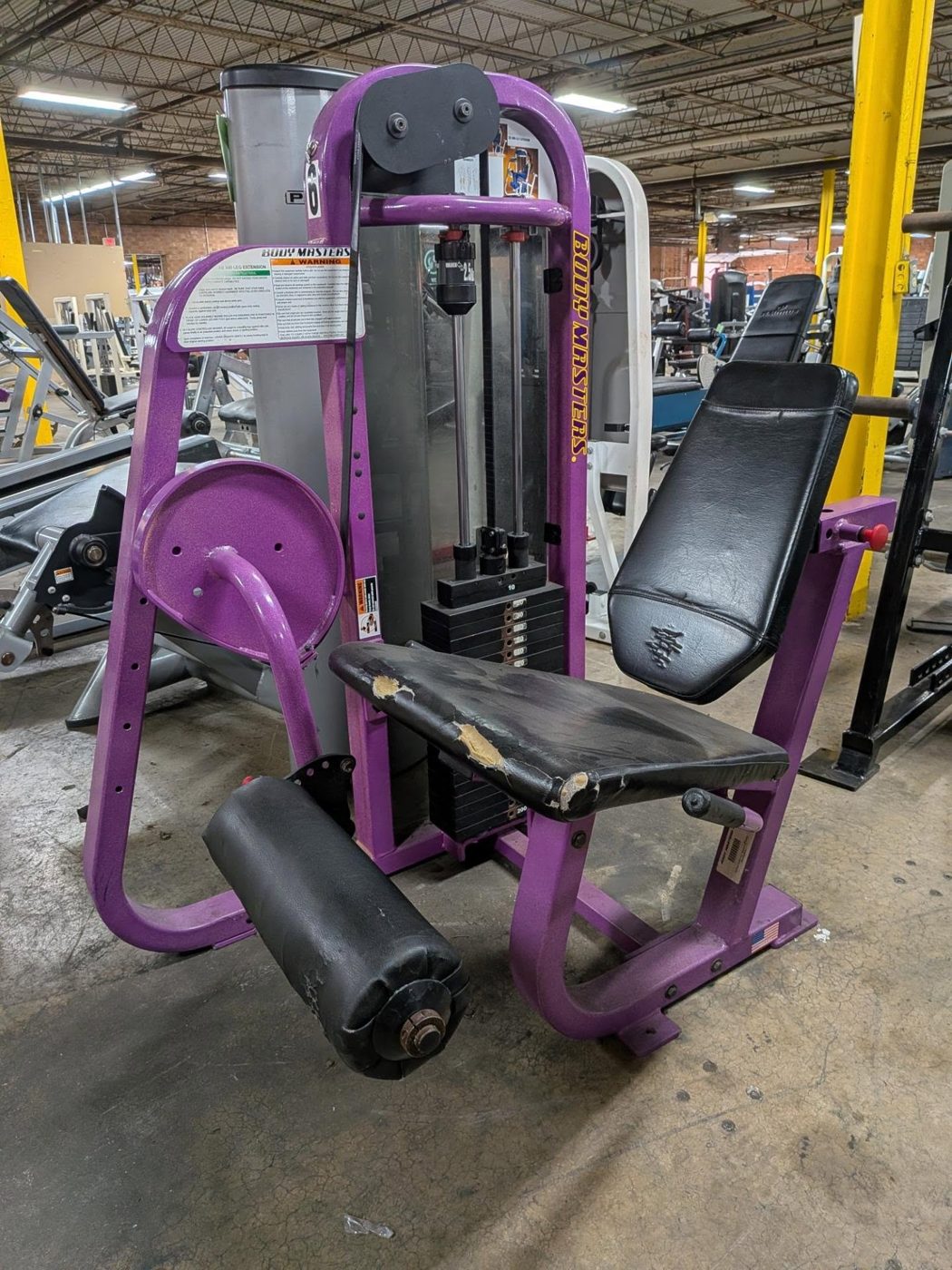
Body Masters
Body Masters Leg Extension Machine (Purple)
Condition: Very Good
$675
Los Angeles, California
View Details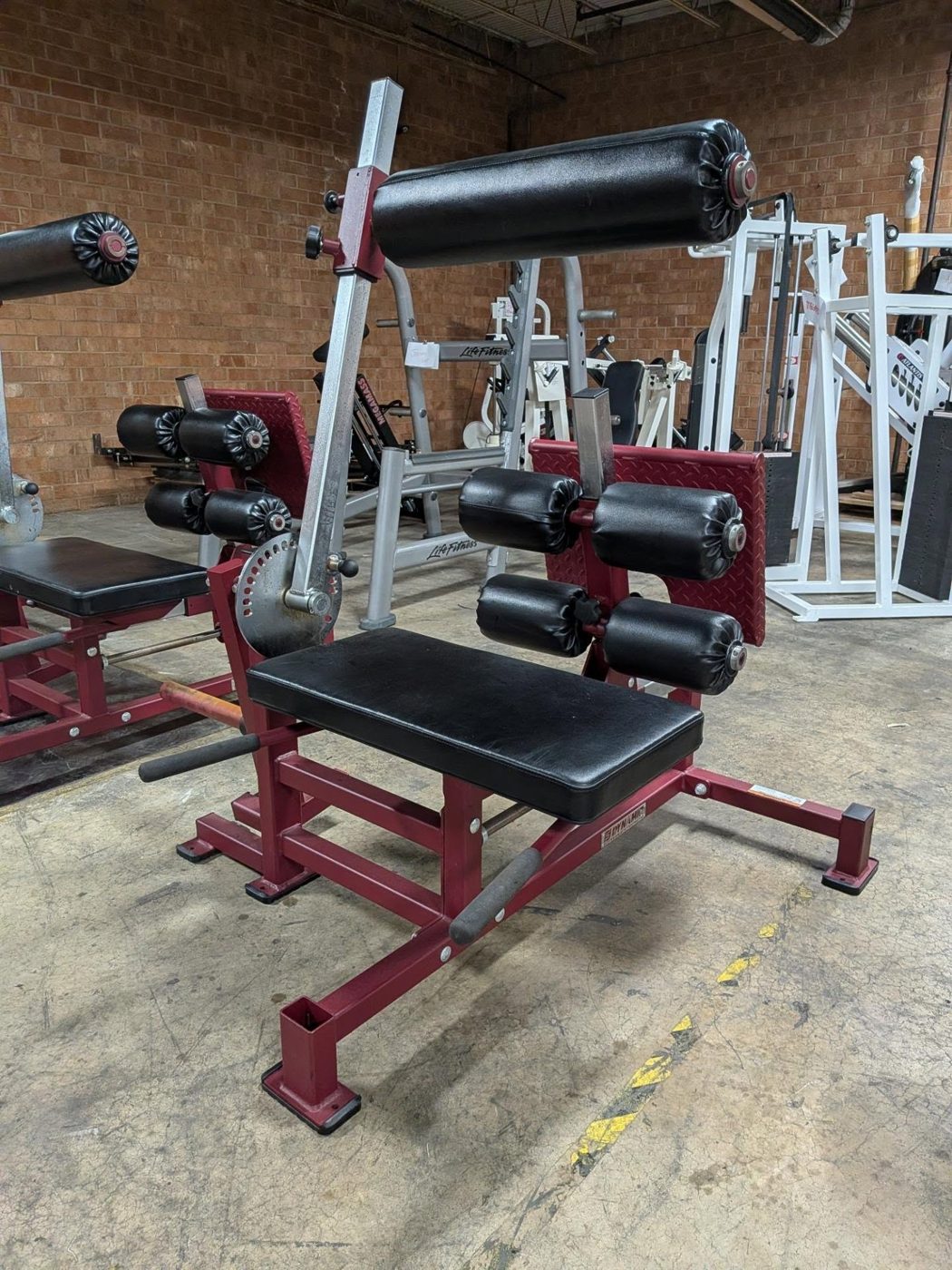
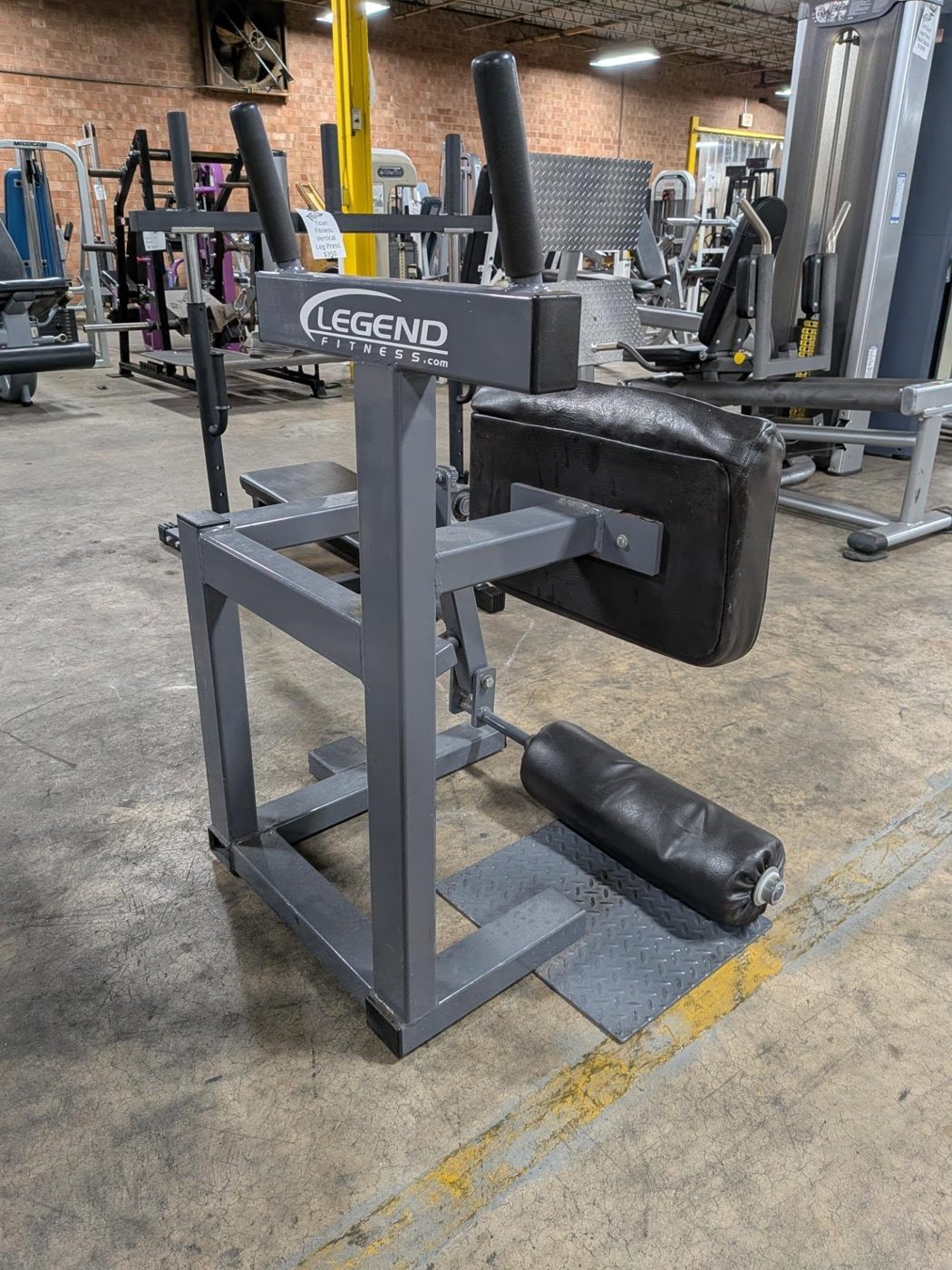
Legend Fitness
Legend Fitness Kneeling Leg Curl Machine
Condition: Very Good
$999
Dallas, Texas
View Details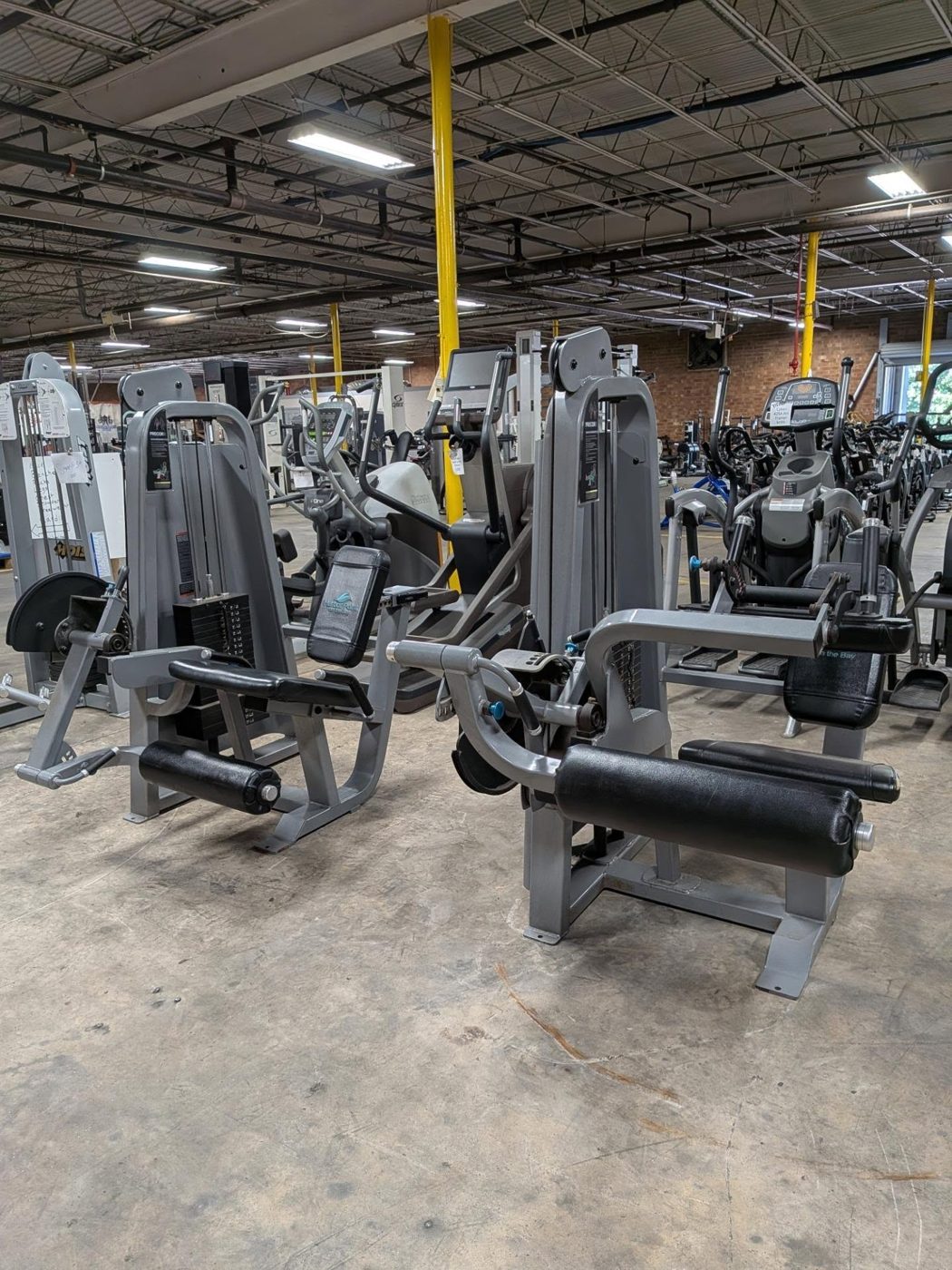
Precor
Precor Leg Extension Machine + Leg Curl Machine
Condition: Very Good
$3,000
Brooklyn, New York
View Details1. Leg Extension vs. Leg Curl: Two Different Muscles
A leg extension machine isolates the quadriceps on the front of the thigh through a knee-straightening motion, while a leg curl machine — also called a hamstring curl machine — isolates the hamstrings on the back of the thigh through a knee-bending motion. They're often discussed together because they're frequently built as a combo unit or placed side by side on a commercial floor, but they train opposing muscle groups.
Shop Leg Extension & Curl Machines2. Seated, Prone, Standing and Single-Leg Leg Curl Machines
Leg curl machines come in more position variations than almost any other isolation machine. A seated leg curl bends the knee from a seated position with the hips flexed, which some lifters find more comfortable on the lower back. A prone (lying) leg curl has you face down, which changes the hip angle and is often considered the more traditional hamstring curl setup. A standing leg curl trains one leg at a time from a standing position, and single-leg attachments on other designs offer the same one-side-at-a-time approach for addressing strength imbalances between legs.
| Position | Hip Angle | Best For |
|---|---|---|
| Seated | Hips flexed, seated upright | Lower back comfort, easy to load and unload |
| Prone (Lying) | Hips extended, face down | A more traditional hamstring curl movement pattern |
| Standing | Hips neutral, one leg at a time | Unilateral training, addressing left-right imbalances |
3. Seated vs. Other Leg Extension Designs
Leg extension machines are almost universally seated, with far less design variation than leg curl machines — the main differences come down to pad positioning, range-of-motion adjustability and whether the machine is selectorized or plate-loaded rather than the body position itself. Some machines allow single-leg extension work as well, which is useful for the same imbalance-correcting reason single-leg curl attachments are.
4. Combo Machines: Leg Extension and Leg Curl in One Unit
A combined leg extension / leg curl machine puts both exercises on one frame, typically with a shared seat and pad system you reposition or flip between exercises. This saves floor space compared to two separate machines, which is why combo units are common in home gyms and smaller commercial studios where space is at a premium, while larger commercial floors more often run separate dedicated machines for each exercise to keep both stations available at once.
Shop Strength Equipment5. Plate-Loaded vs. Selectorized Leg Machines
Selectorized leg extension and leg curl machines use a pin-adjustable weight stack, which makes changing resistance between sets fast — a real advantage for supersetting the two exercises back to back. Plate-loaded versions load with free weight plates instead, allowing a heavier top-end load and a resistance curve some lifters prefer, at the cost of slower changes between sets. Brands like Cybex and Life Fitness — both established commercial names — produce both selectorized and plate-loaded designs across their lineups.
Read: Best Gym Equipment Brands6. How to Use These Machines Correctly
On a leg extension, align the knee joint with the machine's pivot point and avoid locking the knee out hard at full extension, which places unnecessary stress on the joint. On a leg curl, keep the hips pressed into the pad rather than lifting them as the weight gets heavy — hip lift is the most common way lifters cheat this exercise, and it shifts work away from the hamstrings. On both machines, controlling the lowering phase matters as much as the lifting phase, since that's where a meaningful share of the muscle work happens.
- Align the knee joint with the machine's pivot point on a leg extension
- Avoid locking the knee out hard at full extension
- Keep the hips pressed into the pad throughout a leg curl rather than lifting them
- Control the lowering phase on both exercises rather than letting the weight drop
7. What to Check Before Buying a Used Leg Extension or Leg Curl Machine
Cycle the machine through its full range on every setting, checking that the pad glides smoothly without catching. Inspect the ankle or knee pads closely, since these see direct, repeated contact and tend to show wear before the frame does. Confirm the weight stack pins or plate-loading hardware lock securely, and check pivot points and welds for cracking given the leverage these machines place on a relatively small frame footprint.
- Full range of motion on every setting moves smoothly without catching
- Ankle and knee pads show no excessive wear or tearing
- Weight stack pins or plate-loading hardware lock securely
- Pivot points and welds show no cracking or excessive play
8. Home Gym vs. Commercial Options
A combo leg extension / leg curl machine is the more practical choice for a home gym, covering both exercises in roughly the footprint of one machine. Commercial floors more often run separate dedicated machines for each exercise, prioritizing availability during busy hours over the floor space a combo unit would save.
Read: Leg & Hip Machines for Sale9. Fitting Leg Extension and Leg Curl Into Leg Day
Both exercises typically come after compound lower-body work like squats or a leg press, serving as isolation finishers rather than the main driver of a leg session. Pairing leg extension and leg curl back to back — training the quads, then immediately the hamstrings — is a common approach that keeps the front and back of the thigh developing at a similar rate rather than one being neglected relative to the other.
Shop Leg MachinesFinal Thoughts
Leg extension and leg curl machines cover the two muscle groups that squats and leg presses train less directly in isolation. Whether you choose a combo unit or two dedicated machines, seated or prone, plate-loaded or selectorized comes down to your space and how you actually train — not which option is objectively superior.
Frequently Asked Questions
- What's the difference between a leg extension and a leg curl machine?
- A leg extension isolates the quadriceps through a knee-straightening motion. A leg curl, or hamstring curl, isolates the hamstrings through a knee-bending motion — they train opposing muscle groups on the front and back of the thigh.
- Is a seated or prone leg curl machine better?
- Neither is strictly better — seated versions are often more comfortable on the lower back, while prone (lying) versions use a more traditional hamstring curl hip angle. Many gyms offer both.
- What muscles does a leg extension machine work?
- Primarily the quadriceps on the front of the thigh, isolated through a knee-straightening motion with minimal assistance from other muscle groups.
- Are combo leg extension/leg curl machines as good as two separate machines?
- They cover both exercises effectively and save meaningful floor space, which is why they're common in home gyms — the main trade-off is that only one exercise can be done at a time on shared hardware, unlike two separate stations.
- Should I buy a plate-loaded or selectorized leg machine?
- Selectorized machines let you change weight faster, which helps when supersetting leg extension and leg curl. Plate-loaded machines allow a heavier top-end load and a resistance curve some lifters prefer.
- How do I avoid cheating on a leg curl machine?
- Keep your hips pressed into the pad throughout the movement — lifting the hips as the weight gets heavy is the most common way this exercise gets cheated, shifting work away from the hamstrings.
- What should I check before buying a used leg extension or leg curl machine?
- Cycle the full range of motion checking for smooth movement, inspect the ankle and knee pads for wear, and confirm the weight stack or plate-loading hardware locks securely at every setting.
- Where do leg extension and leg curl fit in a leg workout?
- Typically after compound movements like squats or a leg press, used as isolation finishers for the quads and hamstrings rather than the main driver of the session.
- Can I train legs at home with just one leg machine?
- Yes — a combo leg extension/leg curl machine covers both the quads and hamstrings in one footprint, making it a practical single-machine option for a home gym.
- Can single-leg attachments help with muscle imbalances?
- Yes — training one leg at a time on either a leg extension or leg curl machine lets you address strength differences between legs directly, rather than the stronger leg compensating during a two-leg movement.
- Do I need to superset leg extension and leg curl?
- Not necessarily — it's a common approach since a selectorized machine allows fast weight changes between the two, but training them as separate straight sets works just as well.
Shop Related Equipment
Ready to Shop Leg Extension & Leg Curl Machines?
Browse leg extension, leg curl and combo machines from verified sellers.