
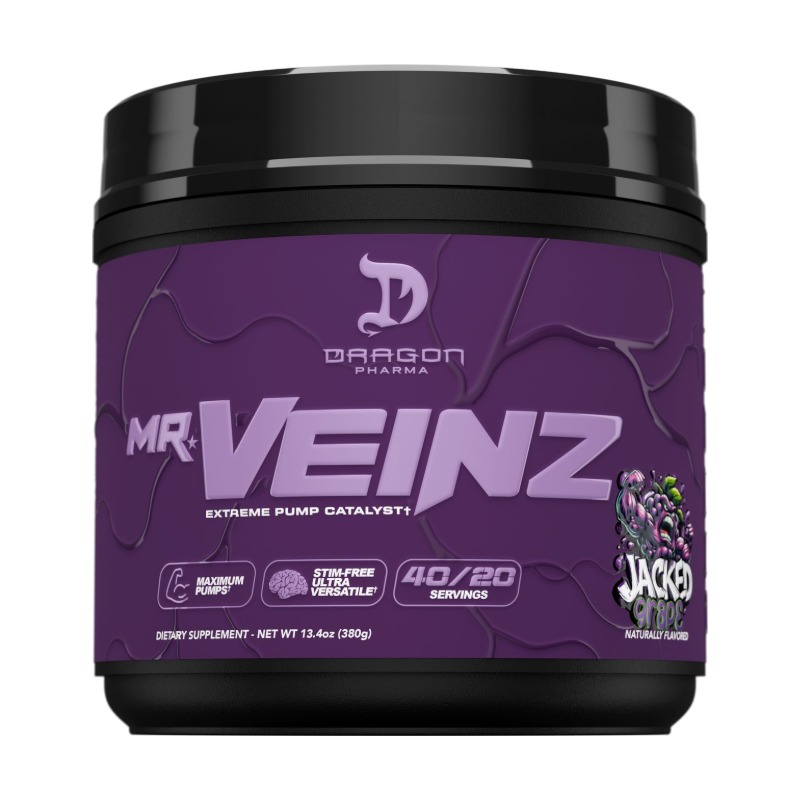
Gummies vs Pills vs Powders: Which Supplement Form Is Best?
Form affects dose, cost and stability more than absorption. Here's how the options compare.
Supplements for Sale
1. Comparison
| Factor | Gummies | Pills / Capsules | Powders |
|---|---|---|---|
| Dose per serving | Often lower | Moderate to high | High |
| Sugar | Usually some | None | Varies |
| Stability | Can degrade faster | Good | Good |
| Label accuracy | More variable in testing | Generally good | Generally good |
| Convenience | Easy, tasty | Easy | Needs mixing |
| Cost per dose | Higher | Lower | Lowest for large doses |
2. Which Is Best?
- Powders for large doses: protein, creatine, electrolytes
- Pills for vitamins, minerals and fish oil
- Gummies if you won't take pills, but check testing and sugar
3. Who Should Choose Gummies
Gummies suit people who have trouble swallowing pills, children (with appropriate products) and those who struggle to remember supplements but enjoy a tasty treat. However, gummies' sugar content, lower doses and potential label accuracy issues are important to consider. Choose tested brands and count the sugar in your daily intake.
Store gummies out of reach of children, since they can look like candy.
4. Who Should Choose Powders
Powders are ideal for supplements needed in large doses, such as protein, creatine, electrolytes and fiber. They're usually the most cost-effective and flexible option, allowing you to adjust doses easily. Powders can be mixed into drinks, smoothies and foods.
5. Who Should Choose Pills or Capsules
Pills and capsules work well for vitamins, minerals, fish oil and herbal extracts. They're precise, convenient and usually don't contain sugar.
6. Our Recommendation
Use powders for big doses, pills for vitamins and gummies only when they help consistency.
7. Absorption Differences
For most vitamins and minerals, absorption from gummies, pills and powders is similar when the dose is the same. Differences usually come from dose accuracy, formulation and whether the supplement is taken with food. Fat-soluble vitamins absorb best with meals regardless of form.
Choose the form that delivers the correct dose and fits your routine.
8. Gummies and Dental Health
Sugary gummies can stick to teeth and contribute to cavities. Brush or rinse after taking them, or choose sugar-free options if you take them daily.
9. Dose Accuracy in Gummies
Gummy vitamins can be harder to manufacture accurately, and some tests have found gummies with more or less than the labeled dose. Ingredients may also degrade faster in gummies. Pills and capsules usually provide more consistent dosing. Choosing third-party tested products improves confidence in either form.
Gummies also typically contain fewer nutrients than pills because of space limits.
10. Which Should You Choose?
Choose pills or capsules for higher doses, better dose accuracy, lower cost per serving and minimal sugar. Choose gummies if you struggle to swallow pills or need a tasty format to stay consistent. Either way, look for third-party testing seals, check the sugar content and keep gummies away from children, who may mistake them for candy.
Final Thoughts
In gummies vs pills vs powders, absorption differences are usually small. Pills and powders tend to offer more accurate, higher doses at lower cost; gummies trade that for convenience and taste. This article is for general information only and isn't medical advice. Talk to a doctor or registered dietitian before starting a supplement, especially if you're pregnant or nursing, take medication or have a health condition.
Frequently Asked Questions
- Are gummy vitamins as effective?
- They can be if they contain the labeled dose; testing has found more variability.
Shop Related Equipment
Shop Supplements With Confidence
Factory-sealed supplements from trusted brands, shipped with tracking.