
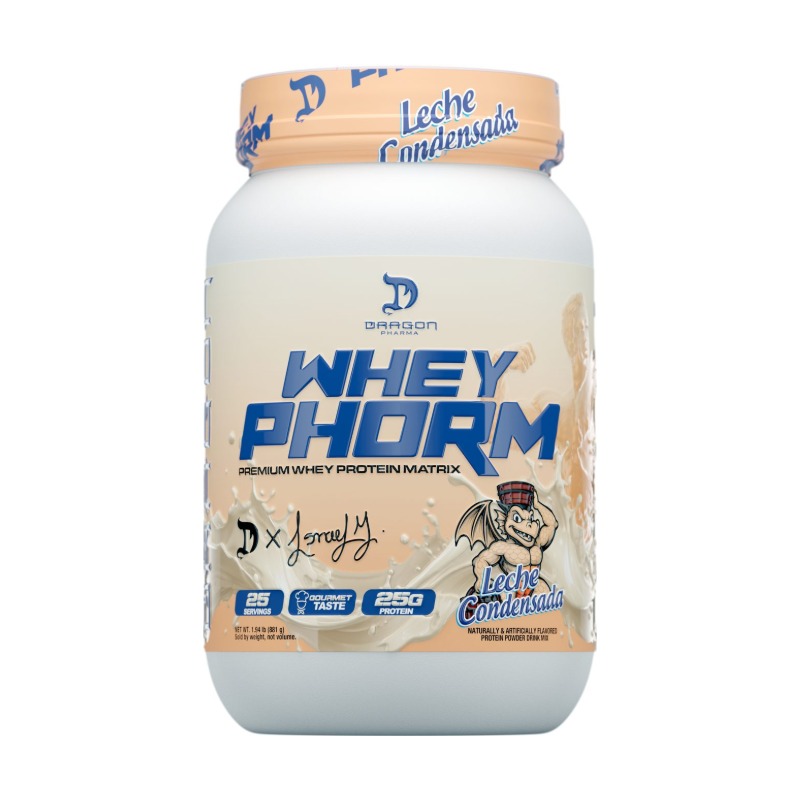
Whey Protein vs Whey Isolate: What's the Difference?
Isolate is more filtered, with more protein and less lactose. Here's whether it's worth the extra cost.
Whey Protein
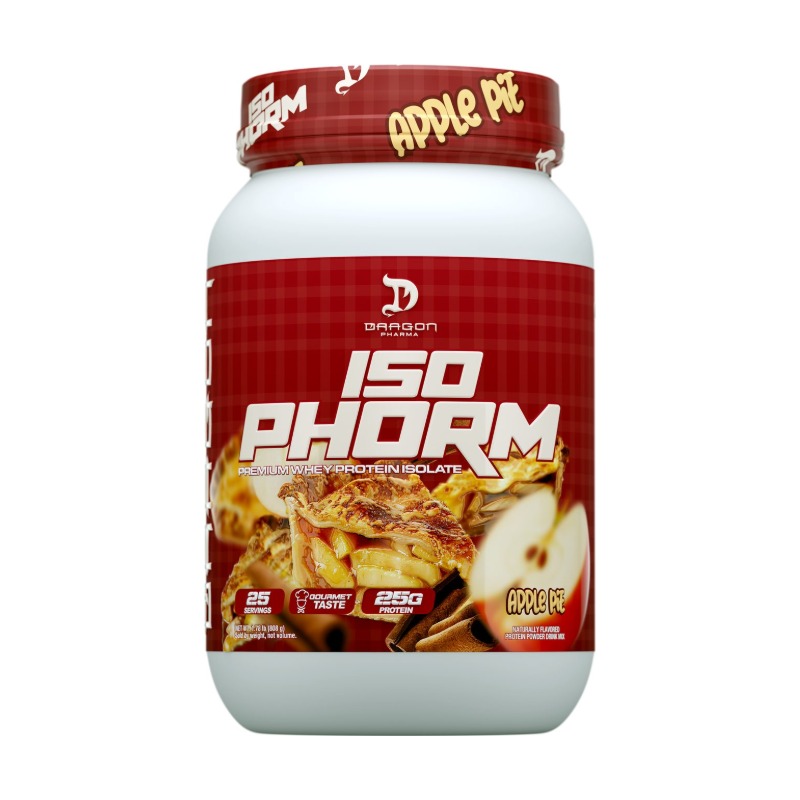
1. How Whey Is Made
Whey is the liquid left over when milk is turned into cheese. It's filtered and dried into powder. Whey concentrate is filtered less and keeps more fat, carbs and lactose. Whey isolate is filtered further, removing most of the fat and lactose to reach a higher protein percentage.
2. Whey Concentrate vs Isolate
| Factor | Whey Concentrate | Whey Isolate |
|---|---|---|
| Protein content | About 70 - 80% | About 90%+ |
| Lactose | Some | Very little |
| Fat and carbs | A few grams | Minimal |
| Taste and texture | Creamier | Lighter, thinner |
| Price | Lower | Higher |
3. Whey Isolate Benefits
- More protein per calorie, ideal when cutting
- Easier to digest for many people with mild lactose intolerance
- Mixes thin, good for clear protein drinks and recipes
4. Which Should You Choose?
For muscle building, both work about equally well when total protein is matched. Choose concentrate for value and taste. Choose isolate if dairy bothers you, you're tracking calories closely or you want the leanest protein possible.
Shop Protein Powder5. Hydrolyzed Whey: The Third Option
Hydrolyzed whey has been partially broken down into smaller peptides, which can make it digest slightly faster and feel gentler on some stomachs. It's often used in medical nutrition and premium sports products. It usually costs more than isolate and can taste a little more bitter. For most people, the muscle-building benefits are similar to standard whey when total protein is matched.
6. How to Read Whey Labels
Check the first ingredient: whey protein concentrate, whey protein isolate or a blend. Look at grams of protein per serving compared with total calories and scoop size. A product listing a blend may contain mostly concentrate with a small amount of isolate. If lactose is a concern, look for low carbohydrate and sugar numbers per serving, which suggests less lactose.
Third-party testing seals are a good sign of quality regardless of whey type.
7. Cost per Gram of Protein
Compare cost per 25 grams of protein rather than cost per tub. Isolate usually costs more per serving but delivers more protein per scoop, so the real price difference may be smaller than it first appears.
8. Our Recommendation
If whey concentrate doesn't upset your stomach, it's the best value. If you're lactose sensitive or cutting, the extra cost of isolate is worth it.
Final Thoughts
Whey isolate has more protein and less lactose; whey concentrate costs less and tastes creamier. For muscle growth, both are excellent. Pick isolate if you're lactose sensitive or cutting, and concentrate if you want the best value. This article is for general information only and isn't medical advice. Talk to a doctor or registered dietitian before starting a supplement, especially if you're pregnant or nursing, take medication or have a health condition.
Frequently Asked Questions
- Is whey isolate better than whey?
- Not for muscle growth when protein is matched. It's better for lactose sensitivity and lower calories.
- Can lactose intolerant people use whey isolate?
- Many tolerate it because it has very little lactose, but sensitivity varies.
Shop Related Equipment
Find Your Whey
Shop whey concentrate, isolate and blends.