
Best Exercise Equipment for Lower Back Pain
The right equipment can help you stay active with back pain. Here's what tends to be most back friendly.
Back-Friendly Equipment
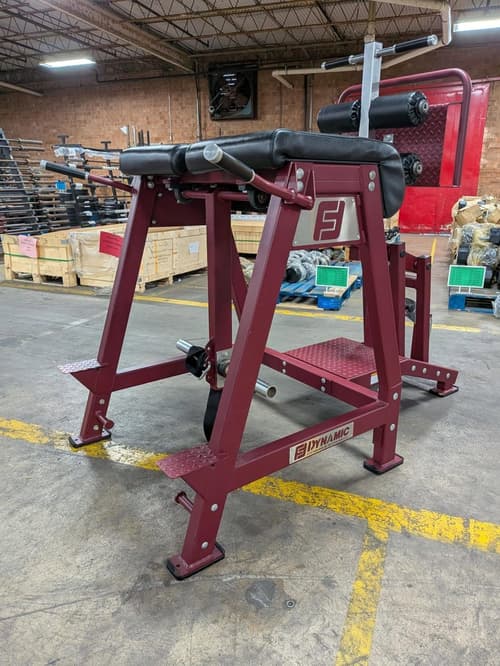
1. Back Friendly Gym Equipment
| Equipment | Why It Helps |
|---|---|
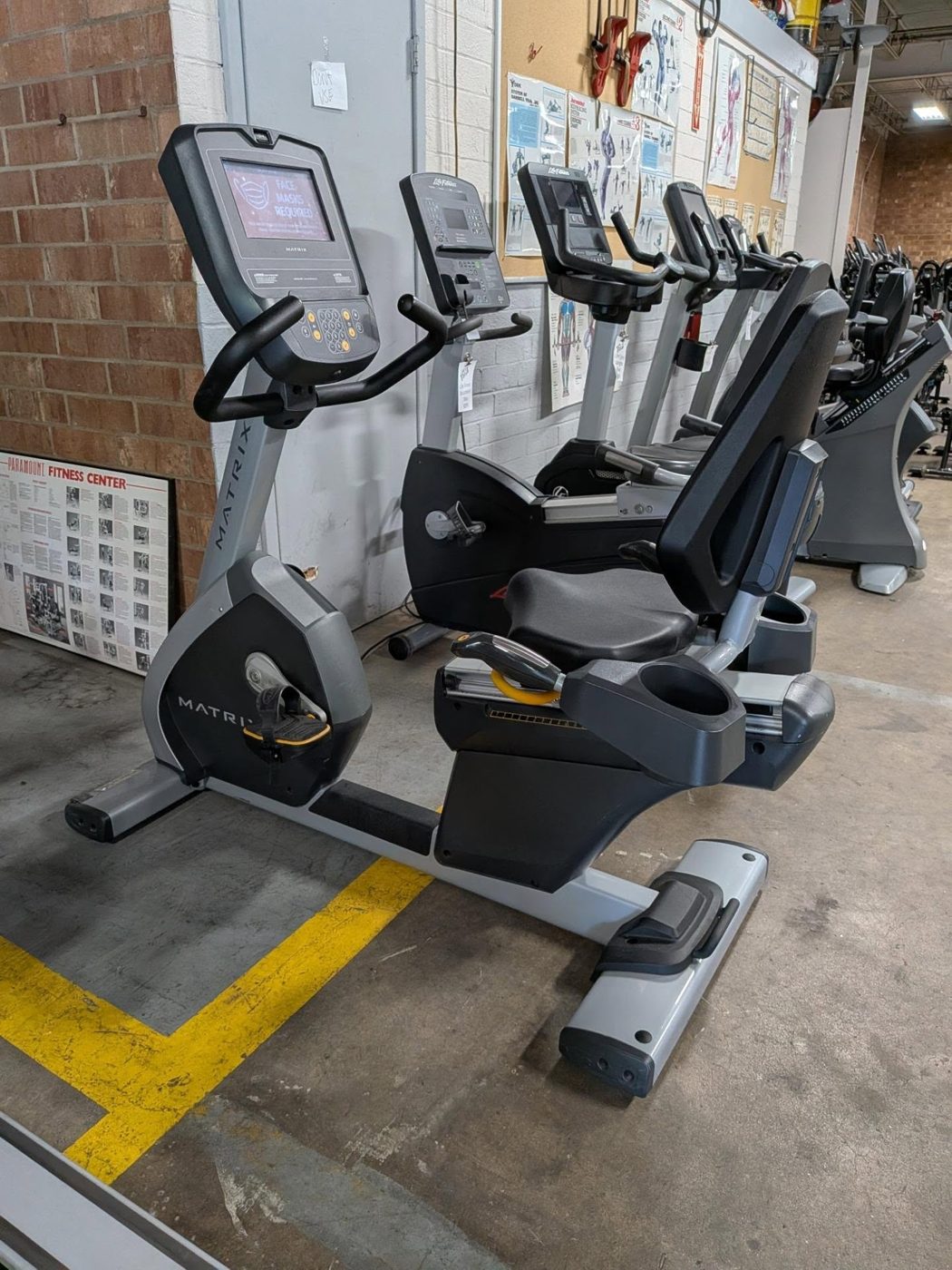
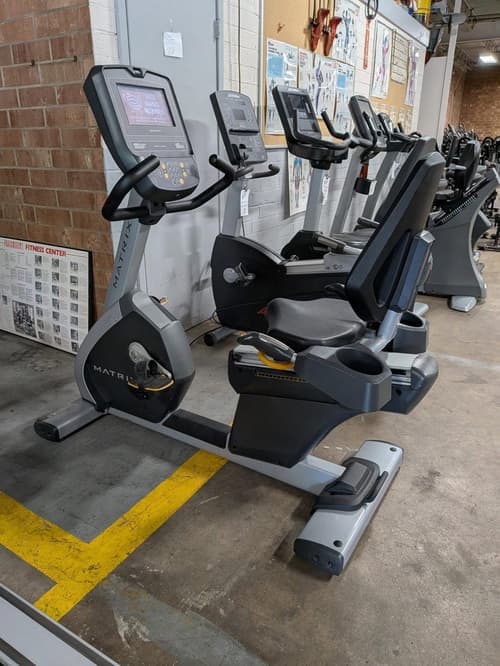
| Recumbent bike | Supported cardio with low spinal load |
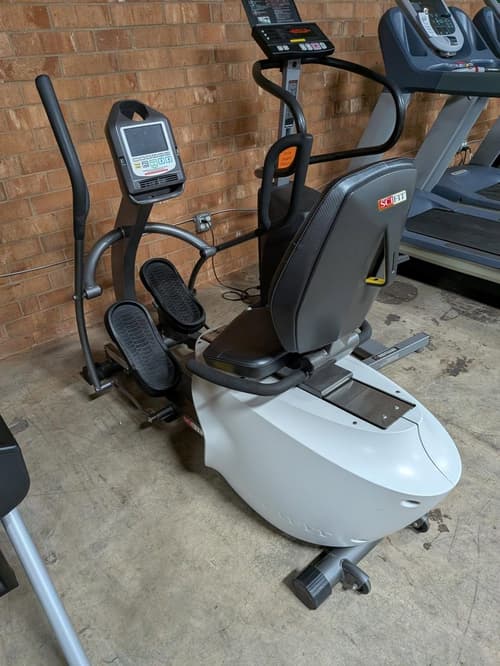
| Elliptical or incline treadmill walking | Gentle, upright movement |
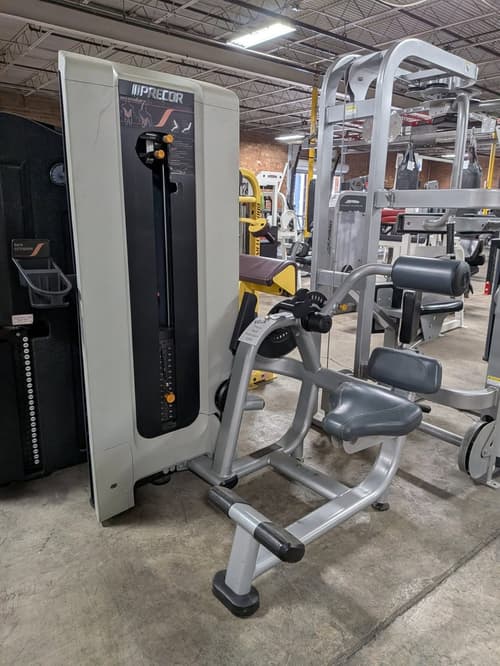
| Back extension bench | Strengthens spinal erectors and glutes, progressively |
| Cable machine | Core anti-rotation work like Pallof presses |
| Leg press (moderate range) | Leg work with back support |
| Ab wheel or stability ball | Core strength with good form |
2. Decompression Equipment
Inversion tables, pull-up bar hangs and reverse hyper machines are popular for decompression. Some people feel short-term relief, but evidence is limited. Inversion is not suitable for people with high blood pressure, glaucoma or heart conditions.
3. What to Be Careful With
- Heavy spinal loading during a flare-up
- Rounded-back lifting
- High-impact running if it aggravates pain
- Sudden increases in training volume
4. Back-Friendly Workout Ideas
Gentle walking, swimming and recumbent cycling are often well tolerated during back pain. As symptoms improve, add core stability exercises like dead bugs, bird dogs and Pallof presses, plus glute bridges and supported rows. Progress to more challenging strength training under guidance. Staying active is generally better for recovery than prolonged rest.
Introduce new exercises slowly and track how your back responds over the following day.
5. When to See a Professional
Seek medical attention for severe pain, pain after a fall, numbness, weakness, loss of bladder or bowel control or pain that doesn't improve after a few weeks.
6. Ergonomic Tips
Adjust seat heights, use back support pads and avoid rounding your spine under load.
7. Strengthening the Core and Hips
A strong core and hips support the spine. Exercises such as planks, side planks, dead bugs, bird dogs, glute bridges and Pallof presses build stability without heavy spinal loading. As your back tolerates more, add hip hinges with light weights and back extensions with controlled tempo. Focus on bracing and breathing throughout.
Progress gradually and stop any exercise that increases pain.
8. Desk Workers and Back Pain
Long periods of sitting can contribute to back stiffness. Short movement breaks, a walking pad or standing desk and regular hip and upper back mobility work can help.
9. Our Recommendation
Begin with walking or a recumbent bike, add core stability work and progress to supported strength training. Back extension benches and cable machines are valuable tools once your back can tolerate more load.
10. Final Tip
Move a little every day; gentle, regular activity is often better for back pain than long periods of rest.
Final Thoughts
Exercise equipment for back pain should help you move, strengthen your core and hips, and keep cardio low impact. Recumbent bikes, back extension benches and cable core work are good places to start. This article is general information, not medical advice. If you have pain, an injury or a medical condition, talk to a doctor or physical therapist before starting a new exercise program.
Frequently Asked Questions
- Is walking good for lower back pain?
- For many people, regular walking helps.
- Do inversion tables work?
- Some people feel temporary relief; long-term evidence is limited.
Shop Related Equipment
Move Better, Feel Better
Shop back-friendly cardio and strength equipment.