Strength Training & Weightlifting Equipment for Sale: What to Look For
Selectorized machine, plate-loaded press or a barbell and rack — the right strength equipment depends on your goals, experience and available space.
Strength Equipment for Sale
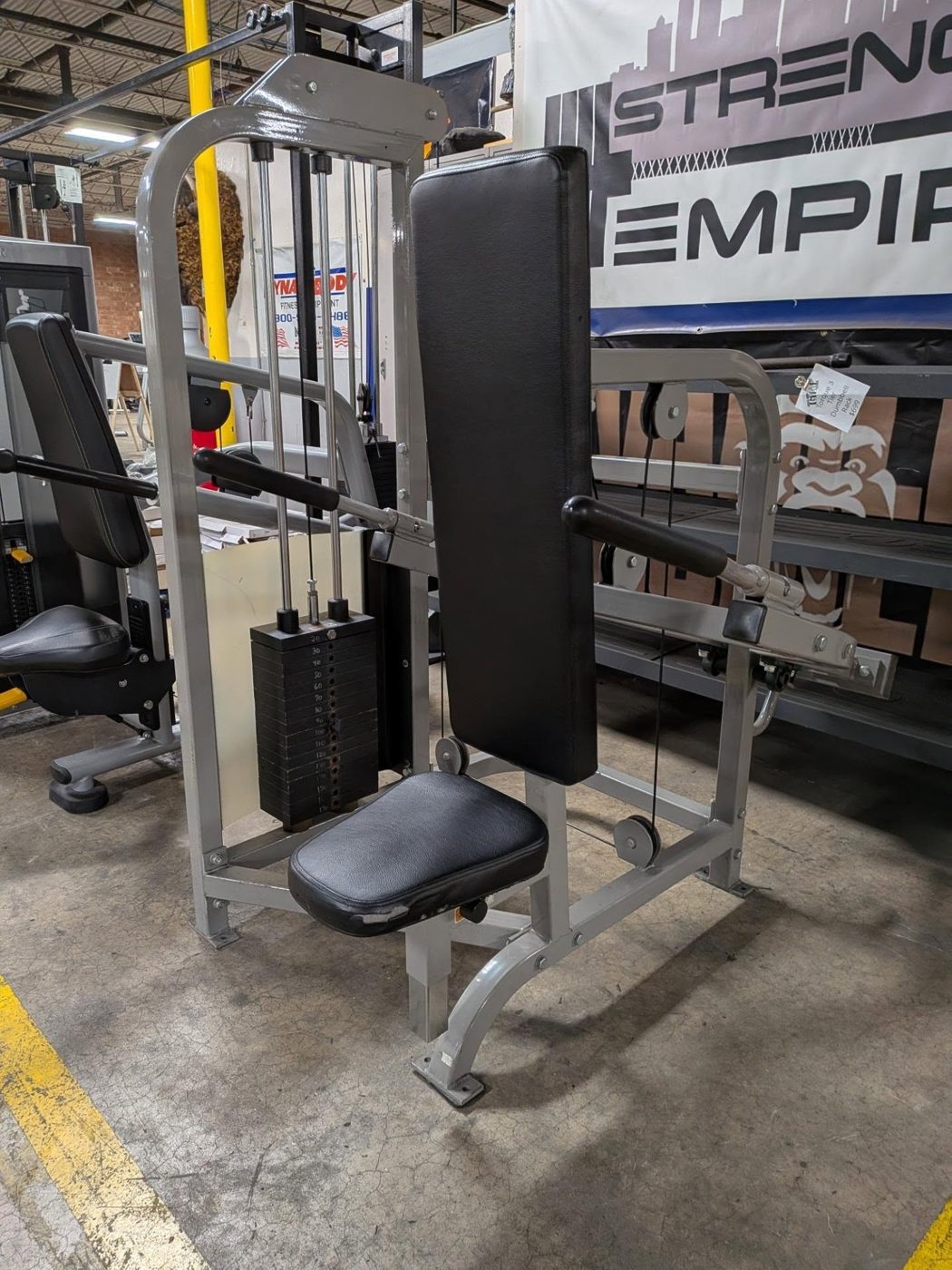
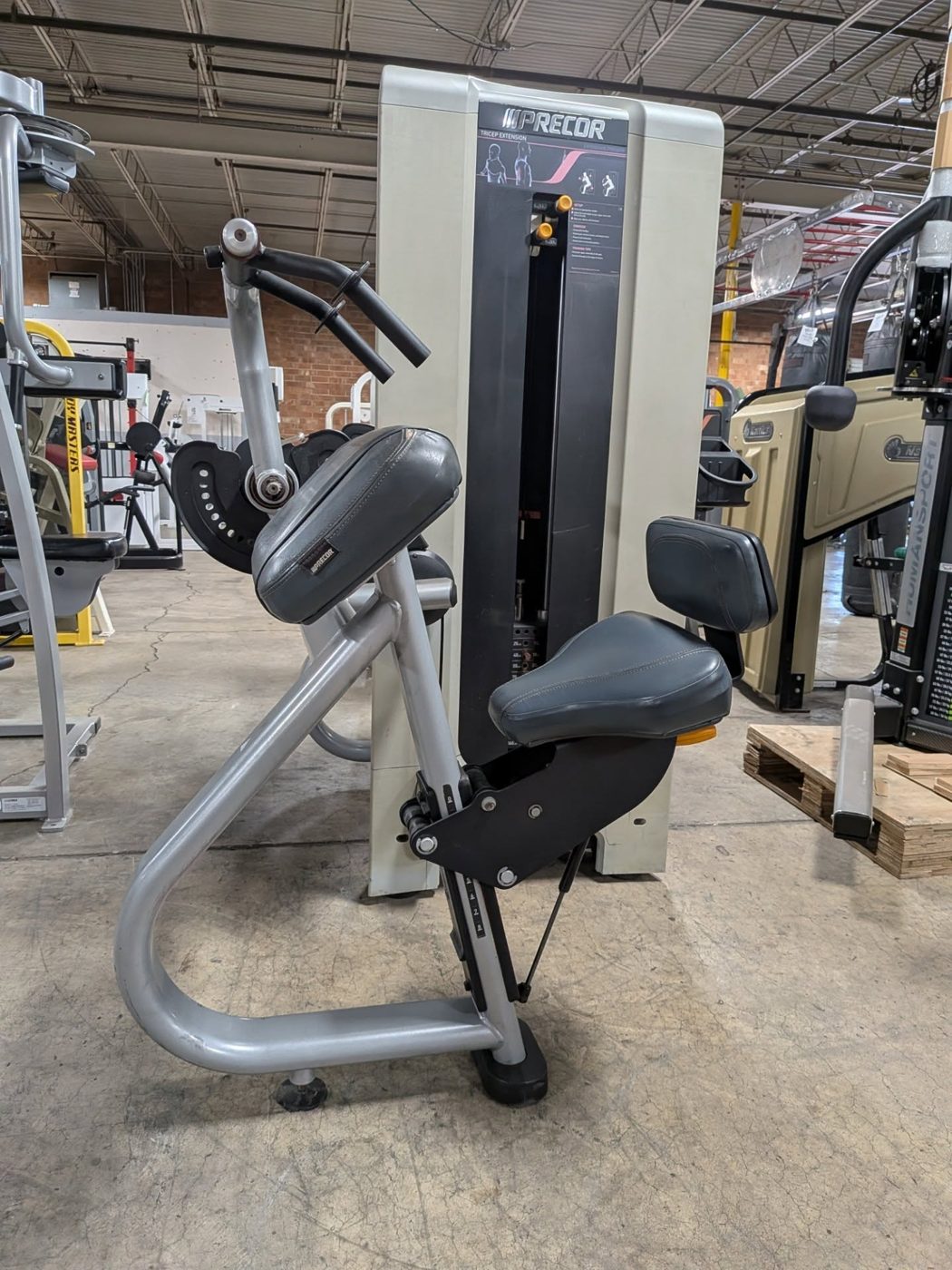
1. Selectorized Machines
Selectorized machines use a pin-adjustable weight stack, which makes them the fastest option for changing resistance between sets and the easiest for beginners to use safely without a spotter.
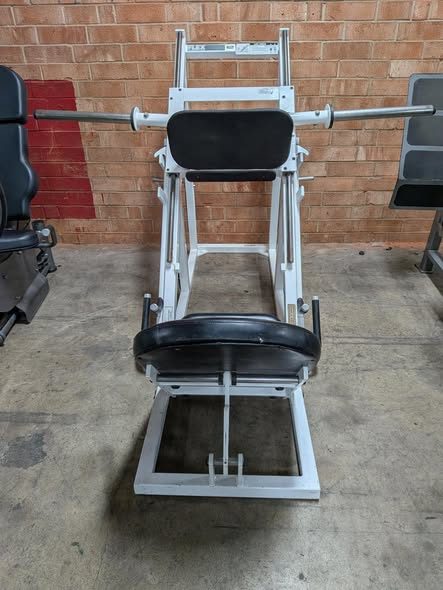
2. Plate-Loaded Machines
Plate-loaded machines are loaded with free weight plates instead of a fixed stack, producing a more natural resistance curve that closely mimics free-weight movement. They're a commercial-floor favorite for exactly that reason.
3. Smith Machines: A Hybrid Option
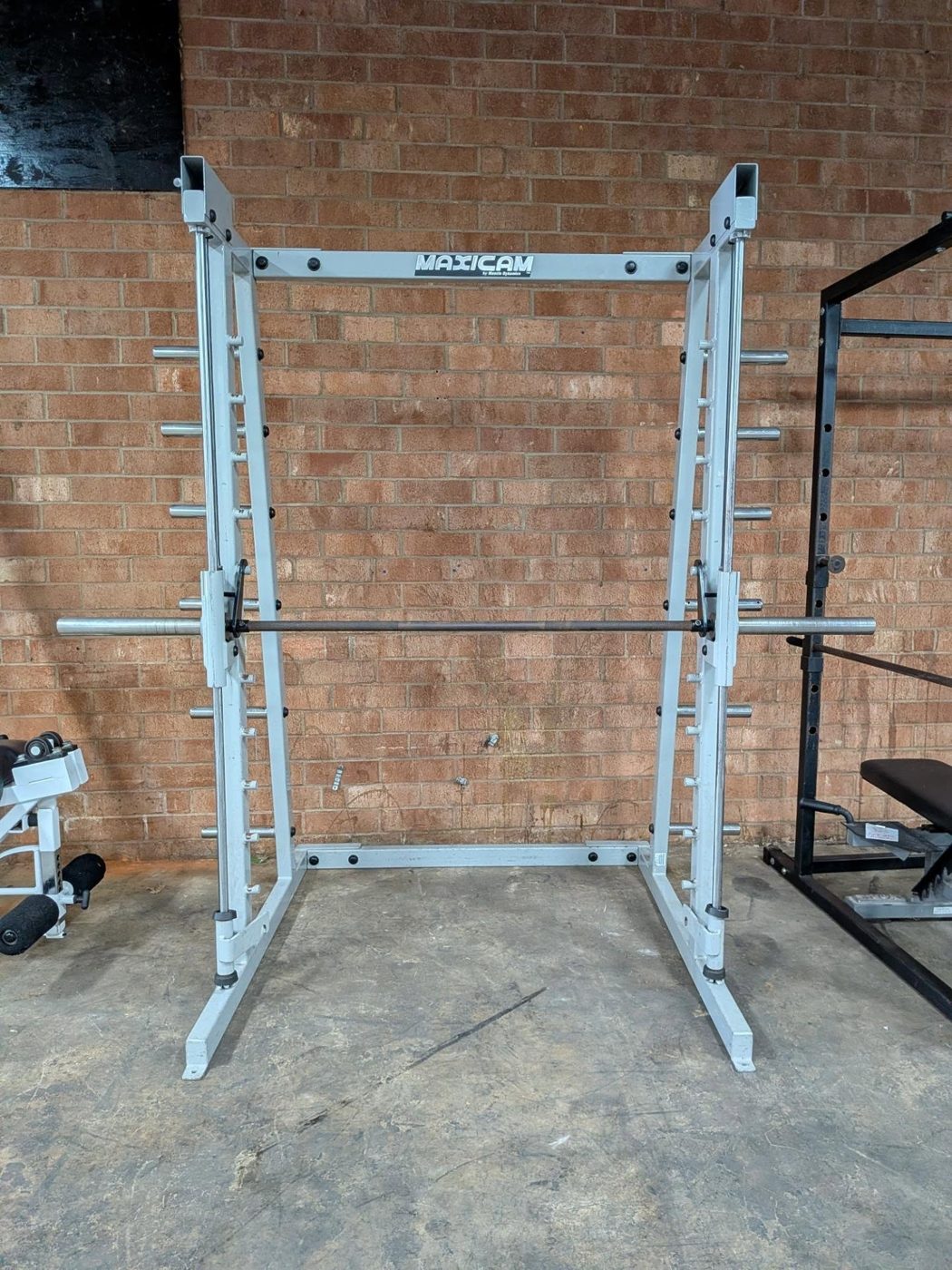
A Smith machine bridges the gap between a selectorized machine and free-weight training: the bar travels along fixed vertical rails with safety catches set at regular intervals, which adds a real safety margin for lifters training alone while still loading the bar with standard free weight plates rather than a sealed stack. That fixed vertical path is also its main limitation — it removes much of the stabilization demand of a free barbell, so the movement pattern doesn't transfer one-to-one to unassisted squats, presses or deadlifts. Because of that, many lifters treat a Smith machine as a complement to a rack and free bar rather than a replacement for either.
It's a common addition to both commercial floors and home gyms that want squat, press and lunge options without dedicating space to a full power rack and a separate flat bench, and the built-in safety catches make it a reasonable choice for anyone training without a spotter on hand. Some racks now include Smith machine attachments, which is worth checking before assuming you need two separate pieces of equipment to cover both movement styles.
4. Racks, Benches & Free Weights
For barbell training — squats, bench press, deadlifts — a rack, an adjustable bench and a set of free weights form the core setup, and this combination scales from a single home gym to a full commercial free-weight area.
Shop Free Weights5. Functional Trainers & Cable Machines
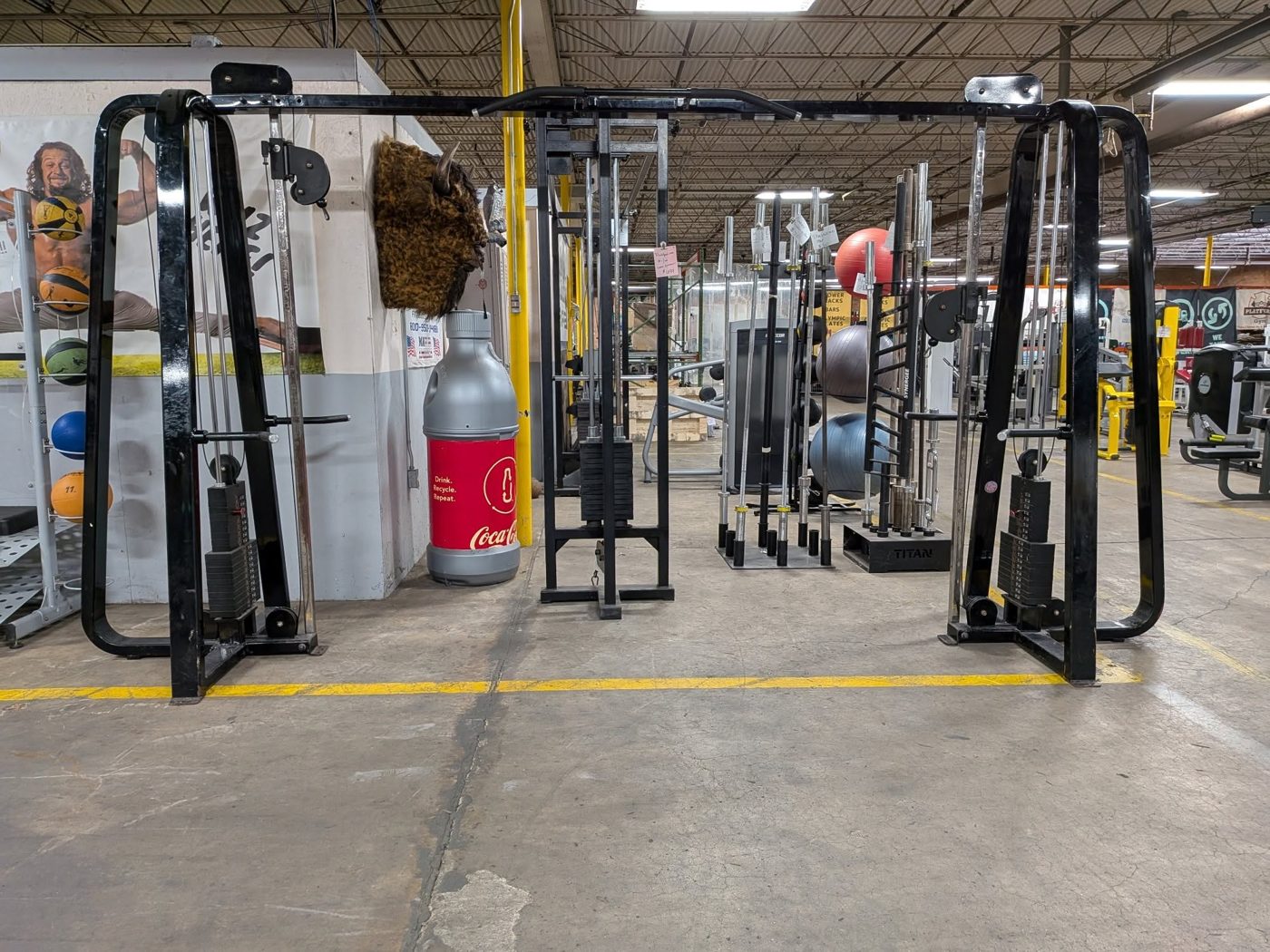
Cable-based functional trainers cover the widest range of exercises per square foot of any strength equipment category, which is why they're a staple in personal training studios where floor space is tight.
6. How to Match Equipment to Your Training Experience
Experience level changes which equipment actually earns its space, and it's worth being honest about where you are before committing a budget to one category over another. Beginners typically get the most consistent results from selectorized machines and a Smith machine, since the fixed path and pin-adjustable weight stack reduce the technique required to train safely without supervision or a spotter nearby. Intermediate lifters who've built comfort with basic movement patterns usually start mixing in free weights and a cable machine, leaning on the stability a rack provides while building the coordination that true free-weight training demands. Advanced lifters lean most heavily on free weights, plate-loaded machines and a full rack, since progressing strength on a barbell requires the stabilization and range of motion a fixed machine path simply can't replicate.
None of this is a hard rule — plenty of experienced lifters still use selectorized machines for isolation work, and plenty of beginners start on a rack under close supervision — but it's a useful general pattern to know before you commit a budget to one category over another.
| Experience Level | Recommended Equipment | Why |
|---|---|---|
| Beginner | Selectorized machines, Smith machine | Fixed path and pin-adjustable stack reduce the technique needed to train safely alone |
| Intermediate | Mix of machines and free weights | Building comfort with barbell movements alongside guided machines |
| Advanced | Rack, free weights, plate-loaded machines | Barbell progression needs stabilization a fixed path can't replicate |
| Returning after a break | Selectorized machines, moderate free-weight work | Rebuilding movement patterns before loading heavier free weights |
7. Comparing Strength Equipment Types
| Equipment Type | Best For | Space Needed | Maintenance |
|---|---|---|---|
| Selectorized Machine | Beginners, quick weight changes | Moderate | Low — sealed weight stack |
| Plate-Loaded Machine | Natural movement, commercial use | Moderate to large | Moderate — check bearings, welds |
| Rack, Bench & Free Weights | Barbell training, strength progression | Small to large, scalable | Low — mainly cosmetic wear |
| Functional Trainer / Cable Machine | Exercise variety in limited space | Small to moderate | Moderate — check cables and pulleys |
8. Commercial vs. Home Strength Equipment
Commercial strength equipment is built with heavier frames and components rated for continuous multi-user use, while home strength equipment is sized and priced for lighter personal use.
Read: Commercial vs. Home Gym Equipment9. Extending a Rack's Versatility With Attachments
A rack rarely stays limited to squats and presses for long. Pull-up bars, dip attachments, landmine posts and band pegs all bolt onto a standard rack and add exercise variety without needing extra floor space, which is part of why a rack tends to be the anchor piece around which the rest of a strength setup gets built rather than just one station among many.
Read: Home Gym Accessories Worth Buying10. What to Check Before Buying Strength Equipment
Strength equipment has fewer moving parts than cardio machines, but the parts it does have work under heavy, repeated load — which makes a quick check before buying worth the few minutes it takes, whether the machine is new, used or refurbished. On selectorized machines, focus on the weight stack and cable path. On plate-loaded machines and racks, focus on welds, bearings and guide rods. On anything upholstered, check for tears now, since they only get worse with use.
- Weight stack pins move freely and lock securely at each setting
- Cables and pulleys show no fraying, and pulleys spin smoothly without grinding
- Upholstery and pads have no tears or exposed foam that will worsen with use
- Welds and frame joints show no rust, cracking or visible flexing under load
- Guide rods on a Smith machine or rack move smoothly without binding
- Bearings and bushings on plate-loaded machines don't feel loose or gritty
11. How Much Floor Space a Full Strength Setup Needs
A single rack and bench fit in a modest footprint, but a fuller strength setup — rack, bench, a cable machine or functional trainer, and room to load and unload plates safely — needs meaningfully more clearance than the equipment's base dimensions suggest. Walkways between stations matter as much as the equipment itself, both for safety and for actually being able to move around while training, which is worth mapping out on paper before committing to a layout.
Final Thoughts
Match the equipment type to how you'll actually train — selectorized machines for convenience, plate-loaded and free weights for natural strength progression — rather than defaulting to whatever takes up the least space.
Frequently Asked Questions
- What's the difference between selectorized and plate-loaded machines?
- Selectorized machines use a pin-adjustable weight stack for quick changes and beginner-friendly use. Plate-loaded machines use free weight plates for a more natural resistance curve, common in commercial settings.
- Do I need a power rack if I already have a multi-gym?
- It depends on your goals — a multi-gym covers general strength work in less space, while a rack supports serious barbell training like squats, bench press and deadlifts.
- Is used strength equipment a good investment?
- Often, yes — racks and plate-loaded machines have few moving parts and tend to hold up for years, but it's still worth checking welds, bearings and cables before buying.
- What brands are known for durable strength equipment?
- See the full brand comparison for how the major commercial and home strength equipment brands stack up on build quality and resale value.
- What is a Smith machine and do I need one?
- A Smith machine guides the bar along fixed vertical rails, adding safety for lifting alone. It's a useful addition alongside a rack and free weights, but most lifters don't rely on it in place of free-barbell training.
- In what order should I buy strength equipment?
- Most setups build a rack and bench first, add free weights next, then a cable machine or functional trainer for variety, and round out with selectorized or plate-loaded machines last.
- What attachments can I add to a power rack?
- Pull-up bars, dip attachments, landmine posts and band pegs are the most common additions, and most bolt directly onto a standard rack without needing extra floor space.
- How much floor space does a full strength setup actually need?
- More than the equipment's base dimensions suggest — leave clear walkways around every station for safe plate loading and movement, not just the footprint of the machines themselves.
- How do I know which strength equipment to buy first?
- Most setups build a rack and bench first, since they cover the most common barbell lifts, then add free weights, a cable machine and selectorized or plate-loaded machines as the setup grows.
Shop Related Equipment
Ready to Get Stronger?
Browse racks, benches, machines and free weights for every strength goal.