
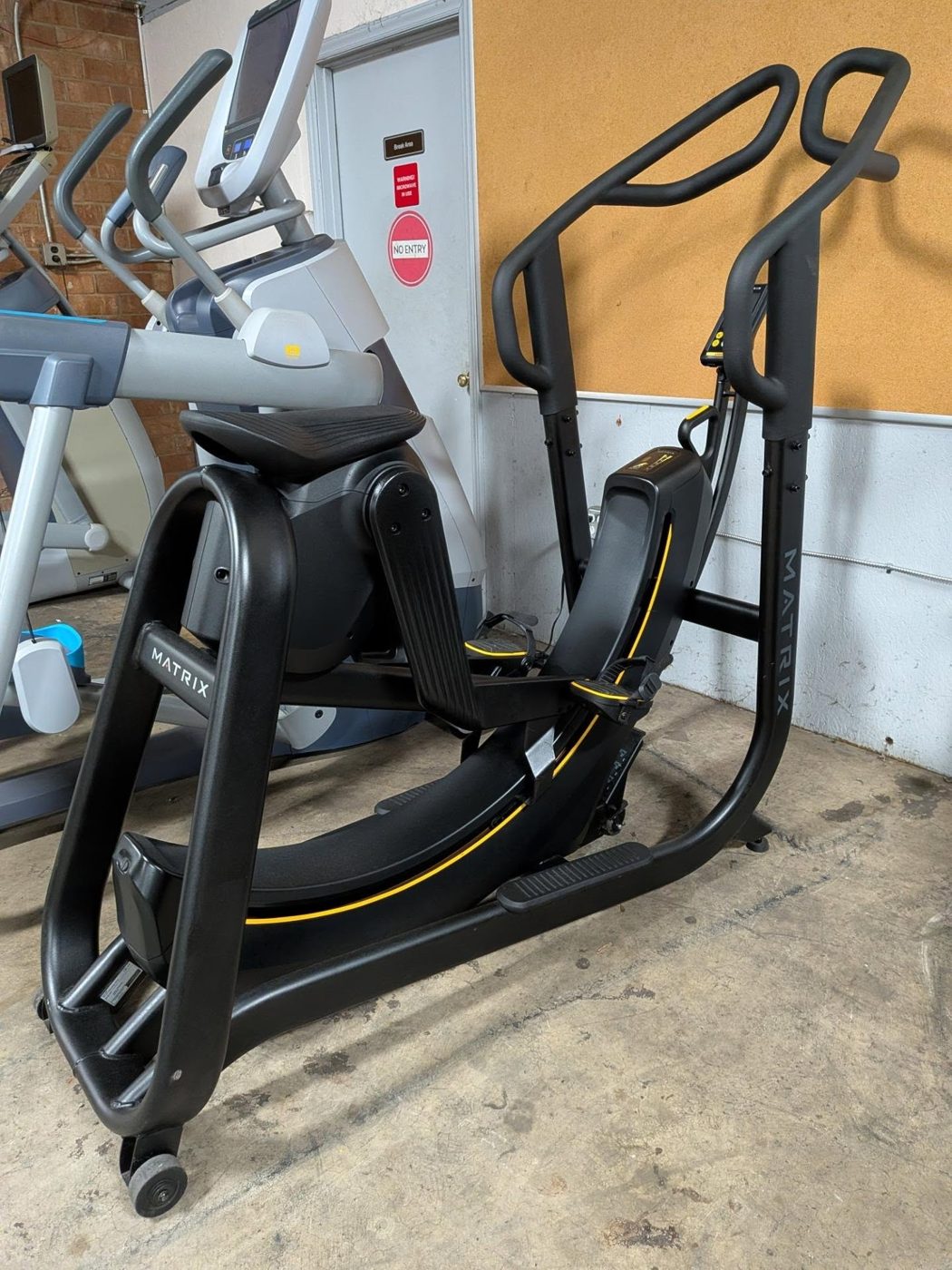
Best Equipment for a Small Gym Business on a Budget
Starting small? Here's how to equip a gym that members love without overspending.
Commercial Gym Equipment
1. Priority Equipment List
| Priority | Equipment | Why |
|---|---|---|
| 1 | Power racks and barbells | Most versatile per square foot |
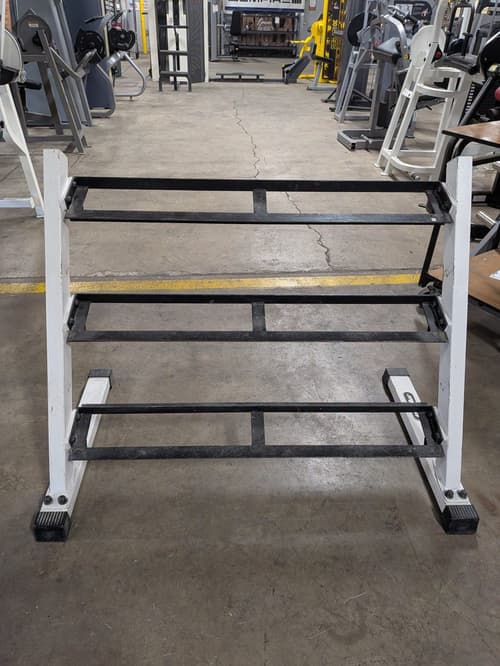
| 2 | Dumbbells 5 - 75 lb with benches | Used by nearly every member |
| 3 | Functional trainer / cable station | Hundreds of exercises |
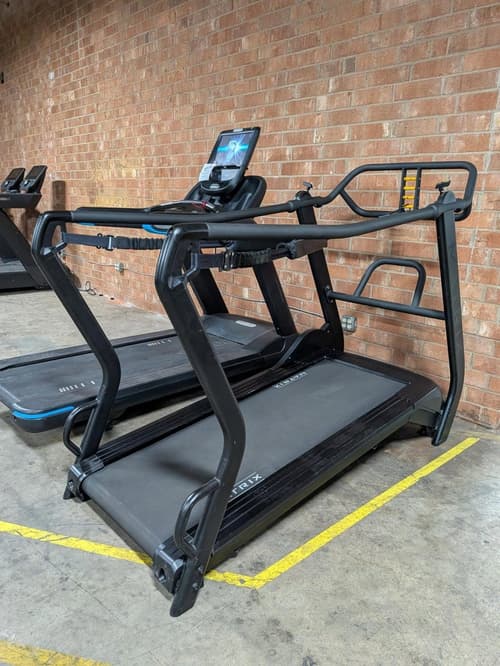
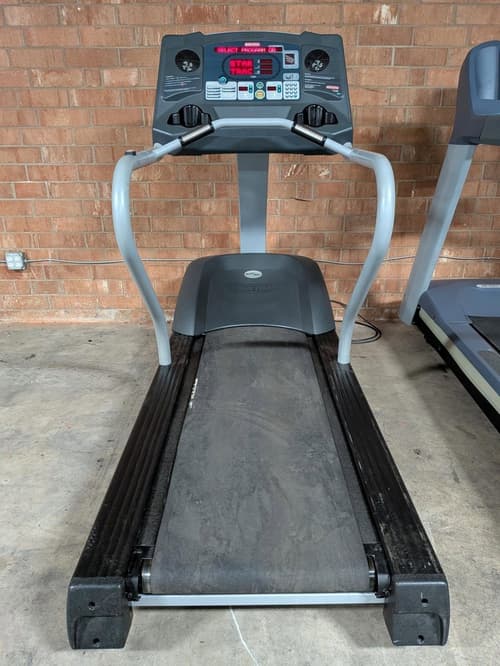
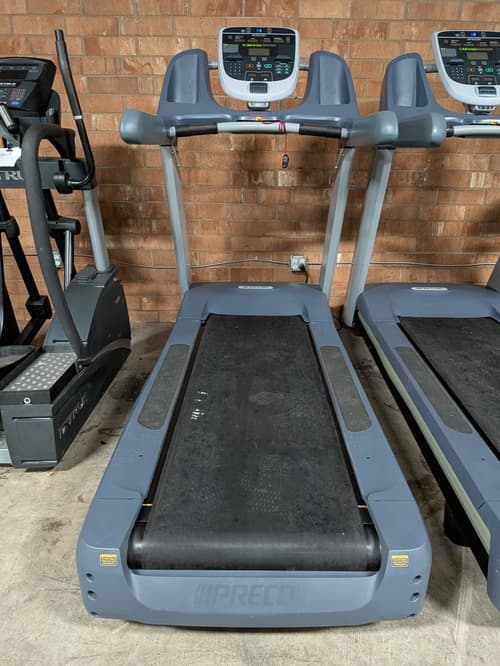
| 4 | Treadmills, bikes and a rower | Cardio demand |
| 5 | Leg press or hack squat | Popular lower-body machine |
| 6 | Lat pulldown / row combo | Back training for beginners |
2. Budget Commercial Equipment Tips
- Buy refurbished cardio from major brands
- Choose multi-function machines and combo stations
- Prioritize equipment members use most
- Use financing for cash flow
- Leave room to add equipment as membership grows
3. Making the Most of a Small Space
In small gyms, choose multi-function equipment like combo racks with cable attachments, adjustable benches and dual-stack functional trainers. Use wall storage for plates and accessories, and leave open floor space for functional training. Mirrors make small spaces feel bigger. Plan traffic flow so members aren't crowded around popular equipment.
Consider class schedules and peak times when deciding how many of each piece you need.
4. Member Experience on a Budget
Clean, well-maintained equipment, good lighting and friendly staff matter as much as the latest machines. Invest in cleanliness and service to keep members happy.
5. Growing Your Equipment
Track which equipment is used most and expand those areas first as revenue grows.
6. Used Equipment Strategy
Small gyms can save significantly by buying used racks, benches, dumbbells and plates, which last for decades. Refurbished cardio from major brands offers commercial reliability at a lower price. Inspect equipment carefully, and buy from sellers who offer some warranty or inspection guarantee.
Mixing new and used equipment lets you invest in a few standout pieces while keeping overall costs manageable.
7. Equipment for Personal Training
If your small gym focuses on personal training, prioritize versatile equipment: racks, adjustable benches, dumbbells, kettlebells, a functional trainer, sleds and bands. These support a wide variety of client programs.
8. Marketing Your Small Gym
Highlight what makes your gym unique, such as coaching, community or specialized equipment.
9. Our Recommendation
Start with racks, dumbbells and a cable station, add a few quality cardio machines and expand based on member feedback. Mixing new and used equipment keeps costs manageable while delivering a great experience.
10. Final Tip
Ask suppliers about package discounts and financing to stretch your startup budget.
11. Budget Allocation Example
A small gym might allocate roughly 40 percent of its equipment budget to strength equipment and free weights, 35 percent to cardio, 15 percent to flooring and 10 percent to accessories and storage. Adjust based on your members and training focus.
Final Thoughts
To start a small gym on a budget, focus on racks, dumbbells, a cable station and a few cardio machines, buy quality used equipment and add machines as revenue grows.
Frequently Asked Questions
- How much does it cost to equip a small gym?
- Often $30,000 to $80,000 with a mix of new and used equipment.
- What equipment do gym members use most?
- Dumbbells, benches, racks, cable stations and treadmills.
Shop Related Equipment
Outfit Your Facility
Shop new and used commercial equipment from top brands.