How to Deadlift with Proper Form
The deadlift builds total-body strength like nothing else. Here's how to set up, pull and lower the bar safely.
Free Weights for Sale
1. Muscles Worked
The deadlift trains the glutes, hamstrings, quads, spinal erectors, lats, traps and grip. It's a hip hinge: you push the floor away with your legs while your hips and back hold a strong, neutral position.
2. Conventional Deadlift Setup
- Stand with feet hip-width, the bar over your mid-foot (about an inch from your shins)
- Hinge down and grip the bar just outside your legs
- Bend your knees until your shins touch the bar
- Squeeze your chest up and pull your shoulders slightly back to flatten your back
- Engage your lats as if bending the bar around your legs
- Take a big breath and brace your core
3. The Pull
- Push the floor away with your legs; the bar stays touching your legs
- Keep your hips and shoulders rising together
- Once the bar passes your knees, drive your hips forward
- Finish standing tall with glutes squeezed; don't lean back
- Lower by pushing the hips back, then bending the knees once the bar passes them
4. Common Deadlift Mistakes
| Mistake | Fix |
|---|---|
| Rounded lower back | Lighter weight, brace harder, chest up |
| Bar drifting forward | Engage lats; keep the bar against your legs |
| Hips shooting up first | Push with the legs; hips and chest rise together |
| Jerking the bar | Pull the slack out before lifting |
| Hyperextending at lockout | Stand tall and squeeze glutes |
5. Deadlift for Beginners: A Simple Plan
Deadlift once or twice a week for 3 sets of 5 reps. Start with an empty bar or light bumper plates and add 5 to 10 lb per session while form stays clean. Lift on rubber flooring or a platform.
Shop Barbells6. Deadlift Variations
The conventional deadlift is the classic version, but several variations suit different body types and goals. The sumo deadlift uses a wide stance with hands inside the knees, which shortens the range of motion and keeps the torso more upright. The trap bar deadlift places the load at your sides and is easier for many beginners to learn. The Romanian deadlift starts from standing and emphasizes the hamstrings. Deficit deadlifts and block pulls change the range of motion to target weak points.
Try a few variations with light weight and choose the one that feels strongest and most comfortable for your main deadlift.
7. Grip Options
A double overhand grip is the best starting point and builds grip strength. As weights get heavy, many lifters switch to a mixed grip with one palm facing forward and one facing back, or a hook grip with the thumb tucked under the fingers. Lifting straps help on high-rep sets or accessory pulls where grip limits you. Use chalk to improve grip with any style.
8. Deadlift Equipment
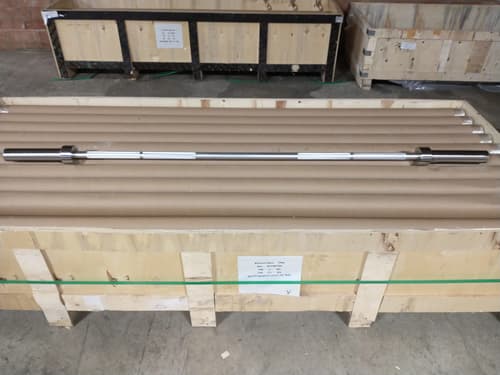
You need an Olympic barbell, plates and a safe surface. Bumper plates and a rubber platform protect your floor and reduce noise. A lifting belt helps with heavy sets, and flat shoes give you a stable base. Chalk improves grip, and straps are useful for accessory work.
Final Thoughts
Learning how to deadlift with proper form comes down to a tight setup, a bar that stays close, a braced core and pushing with your legs. Start light, add weight gradually and film your sets to check technique.
Frequently Asked Questions
- Are deadlifts bad for your back?
- Not when done with good form and sensible loads. They strengthen the back.
- Should I deadlift with a mixed grip?
- Use double overhand until grip limits you, then try mixed grip, hook grip or straps.
Shop Related Equipment
Get the Right Weights
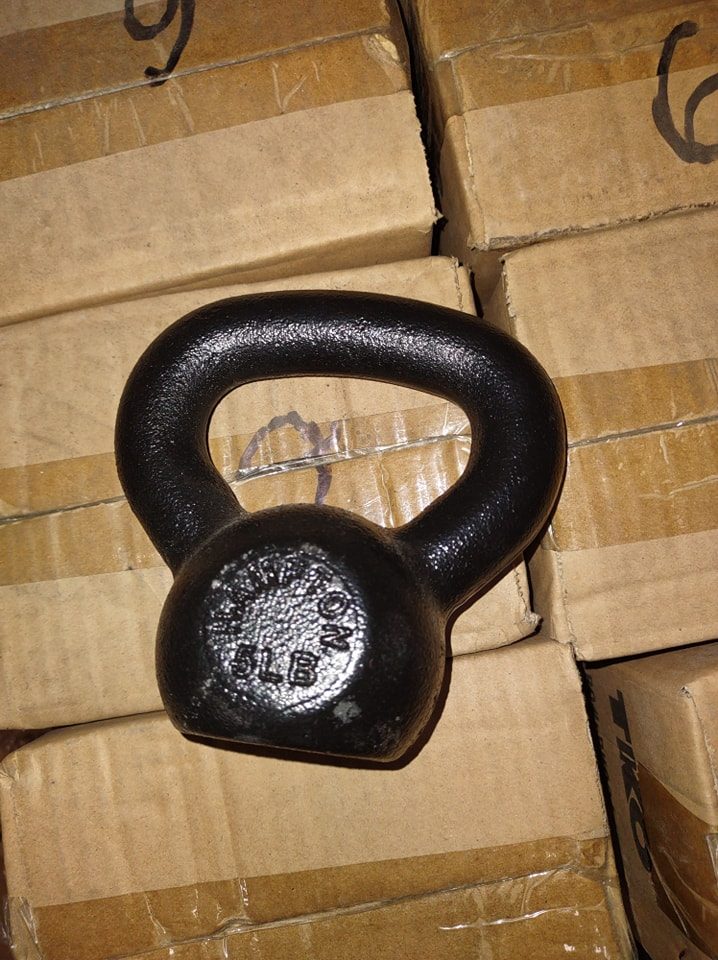
Shop barbells, dumbbells, kettlebells and plates.